





Metalesa wins the 21st ACEX National Award for Conservation Safety
Metalesa Road Safety has been awarded the 21st ACEX National Conservation Safety Award for its innovative project, "PlugSmart® Pro: Smart Equipment for Preventing and Reporting Road Accidents."
This important recognition, awarded by the Association of Infrastructure Conservation and Operation Companies (ACEX), recognizes initiatives that stand out for their contribution to improving safety in infrastructure maintenance and upkeep operations.
The PlugSmart® Pro project represents a significant advance in the field of road safety, as it combines smart technology with active signaling solutions to detect impacts, alert emergency services, and reduce response times to accidents. This technology, developed by Metalesa's R&D team, allows for rapid response in risky situations, minimizing the consequences for road users and maintenance personnel.
The ACEX National Award jury particularly valued the PlugSmart® Pro system's ability to integrate into current maintenance operations, its potential to reduce accidents, and its positive impact on the efficiency of interventions. It also highlighted its large-scale applicability in the context of road infrastructure modernization.


This recognition represents a significant boost for our innovation strategy aimed at improving safety and sustainability.
At Metalesa, we understand that the future of infrastructure maintenance lies in the incorporation of smart, connected, and efficient solutions, and this award encourages us to continue moving forward in that direction.
We thank ACEX for the distinction and congratulate the entire Metalesa team that made this milestone possible. This achievement reflects the collaborative work, long-term vision, and firm commitment to road safety that characterizes us.


Enhancing Seaside Promenade Safety with Advanced Infrastructure Solutions
With the arrival of summer, beach areas fill with tourists and residents eager to enjoy the sun and sea. Seaside promenades become activity hubs, hosting cyclists, pedestrians, and users of personal mobility vehicles (PMVs). However, the increase in users during this season highlights the urgent need to modernize and update road infrastructure.
In many seaside promenades, the separation between the road and pedestrian areas is insufficient, creating hazardous situations that could be avoided with proper planning and the delineation of these dangerous zones.

Today, the presence of cyclists, pedestrians, electric scooters, and other PMVs has grown exponentially.
These vulnerable users share spaces with motor vehicles, increasing the risk of traffic accidents. In many places, the road and seaside promenades are at the same level and lack effective barriers to contain vehicles in the event of a road departure accident.
This lack of separation can lead to dangerous situations, such as a vehicle leaving the road and invading the pedestrian area, potentially causing injuries or even fatalities. The absence of steel parapets or other suitable physical barriers significantly increases the risk of accidents in these crowded areas.

An effective solution to improve safety on seaside promenades is the installation of certified Steel parapets that ensure the safety of both drivers and vulnerable users.
Our Metaurban steel parapet, with an N1-H1 containment level and CE marking, provides protection in these busy areas. The Metaurban® steel parapet is a vehicle containment system specifically designed for installation on urban or peri-urban roads, making it ideal for these types of roads. It is a certified device according to European standard EN 1317 parts 1 and 2, and with compliance with part 5 regarding production control, it has obtained CE marking.
The Metaurban steel parapet provides robust physical separation between the road and areas designated for cyclists and pedestrians. The Metaurban structure is designed to absorb impacts and deflect vehicles away from pedestrian and cyclist areas, significantly reducing the risk of traffic accidents. Implementing these steel parapets not only improves safety but also offers a sense of protection and peace of mind to all users of the seaside promenade.


Smart solutions for the seaside promenades of the future: a step beyond in terms of road safety.
Preventing accidents is key when planning road safety for the summer season. As mentioned earlier, separating bicycle lanes and pedestrian paths from roads is effective and convenient, but it is even more crucial to prevent these potential accidents through risk detection and signaling to users.
In addition to traditional steel parapets, smart solutions like PLUG&META® are revolutionizing road safety as we know it.
This advanced system incorporates technology that detects and alerts in real-time about potential risks and informs authorities in the event of a serious incident. Thanks to its network of sensors and cameras, it can identify risks such as the presence of pedestrians and cyclists, approaching vehicles at high speed, or situations that may lead to traffic accidents.
Continuous monitoring and immediate response capabilities allow for accident prevention and improved safety on seaside promenades. This enables administrations and municipalities to make mobility decisions based on real data from their roads.
The technology can be applied to any new or existing road element, allowing it to be combined with the Metaurban steel parapet to create the perfect solution for beach areas and seaside promenades.

This summer, it is essential to enjoy outdoor activities safely. The protection of cyclists, pedestrians, and PMV users on seaside promenades should be a priority. Local councils and administrations have the responsibility to implement effective solutions, such as Metaurban steel parapets and active road safety technologies like PLUG&META®, to prevent accidents and ensure everyone's safety.
By taking these measures, we can create safer and more enjoyable environments to enjoy the summer. Safety is everyone's responsibility, and with adequate infrastructure, we can protect tourists and residents, ensuring that our seaside promenades are safe and welcoming spaces for all.
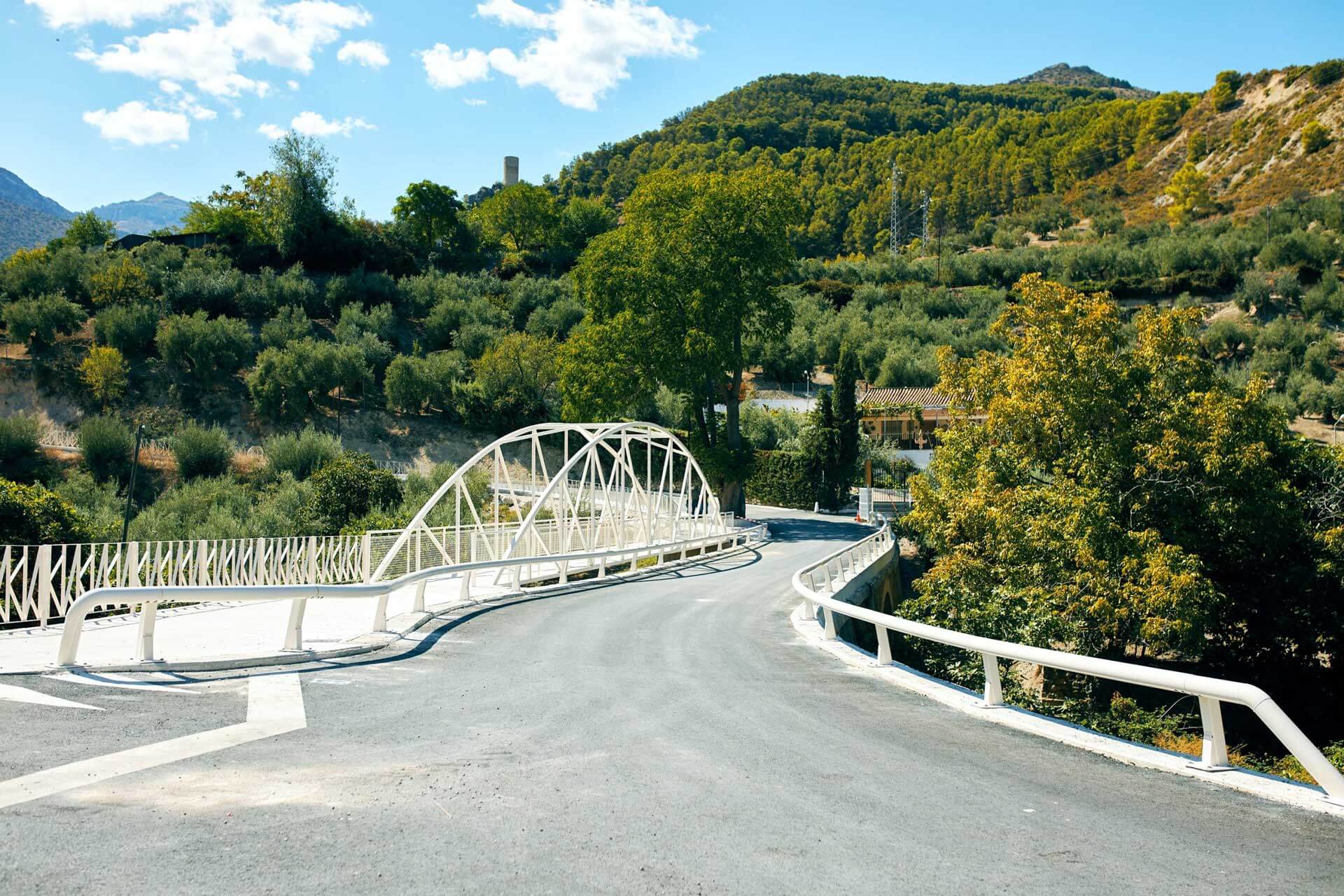
Eco-goals: our sustainable contribution
Welcome to the heart of Metalesa, where sustainability is not just a goal, it is our unwavering commitment! In this article, we will look at the Eco-Targets, the four pillars that guide our mission to be leaders in environmental and social responsibility.
Solar panels: clean energy for a sustainable future
Every action counts, and at Metalesa, we are committed to significant change through solar energy. Our facilities are equipped with solar panels that capture sunlight and transform it into clean electricity. This step towards energy self-sufficiency not only reduces our carbon footprint, but also propels us towards a more sustainable tomorrow.
Did you know that thanks to our solar panels, we have covered 39.6% of our consumption needs and reduced our dependence on non-renewable sources? This investment in green technology is a testament to our commitment to the environment.
Additional benefits of solar panels
Exploring the use of solar panels goes beyond simply adopting a clean energy source; it involves immersing oneself in a series of impactful benefits that impact various aspects of our society and environment. Let's take a closer look at these additional benefits, understanding how solar panels are a comprehensive solution with significant positive impacts:
- Reducing greenhouse gas emissions: By going solar, we make a significant contribution to reducing greenhouse gas emissions, a crucial factor in climate change. Solar panels generate electricity without releasing carbon dioxide or other harmful air pollutants. This approach offers a route to a cleaner and more sustainable environment, making a direct contribution to the fight against climate change.
- Energy independence and long-term stability: Dependence on non-renewable energy sources exposes societies to fluctuating oil prices and energy crises. By incorporating solar panels, greater energy independence is achieved by harnessing an inexhaustible and free source: solar radiation. This independence not only ensures long-term stability in energy supply, but also reduces vulnerability to fluctuations in the global energy market, providing a path to long-term sustainability.
- Contribution to global awareness of renewable energy: By adopting solar energy technologies, we actively participate in creating global awareness of the importance of renewable energy sources. Solar panels are not only a practical solution on an individual or corporate level, but also serve as a beacon to inspire others to follow the path of sustainability. This contribution goes beyond the production of electricity, extending to the creation of a global community committed to a greener and healthier future.
Using recyclable materials: forging a circular future
At Metalesa, the excellence of our products is not only about quality, but also about environmental responsibility. In the manufacture of every item, we are committed to using recyclable materials, thus driving the creation of a circular future and significantly minimising our impact on the environment.
This conscious choice means much more than just producing durable goods. By opting for Metalesa products, you are making a decision to support solutions that go beyond your individual needs; you are supporting the preservation of our planet. Our unwavering dedication to recycling is not simply a duty we fulfil, it is a promise we seal with every product that leaves our facility.
Imagine a world where every product not only serves its purpose, but also contributes to a sustainable cycle. At Metalesa, we're not just building products, we're building a future where responsibility and quality are intertwined to form a lasting commitment to the health of our planet.
Sustainable innovation in our commercial fleet: towards electrification
At Metalesa, we strive to not only deliver quality products, but to do so in a sustainable manner. Have you ever wondered how we achieve this balance? The answer lies in our commercial fleet, a tangible manifestation of our commitment to electrification and the reduction of pollutant gas emissions.
Our fleet, your benefits:
We explore the salient details that make our fleet a model of sustainability:
- Hybrid vehicles: By opting for electrification, we have incorporated hybrid vehicles into our fleet. These vehicles not only consume less fuel, but also emit less polluting gases, marking a firm step towards reducing our carbon footprint. Every delivery we make becomes a conscious act towards a healthier environment.
- Advanced technology: We don't stop at electrification; we have integrated advanced technology into our fleet to maximise efficiency. Real-time tracking of our routes ensures that every journey is planned as efficiently as possible, reducing unnecessary driving times and further minimising our environmental impact.
- Constant innovation: Innovation is part of our identity. We constantly explore options to improve our fleet and thus our contribution to sustainability. From evaluating new technologies to sourcing alternative fuels, we are in a continuous search for greener and more efficient methods for our delivery operations.
Every delivery we make is not just a product arriving at its destination; it is a step towards a more sustainable and environmentally friendly business model. At Metalesa, we are moving towards electrification in the knowledge that every choice counts in building a future where innovation and sustainability go hand in hand.
Zero discharge wastewater treatment plant: taking care of our water resources
Our responsibility is not limited to air and land; we also embrace water. We operate a zero discharge wastewater treatment plant, ensuring that our production processes do not negatively affect the quality of nearby water resources.
How does this contribute to general well-being?
- Water conservation: We avoid contamination of local sources.
- Community engagement: Our responsibility to those around us.
- Transparency: Accessible information about our practices.
Join us on the road to a sustainable future
At Metalesa, every action we take is driven by the desire to contribute to a more sustainable world. Our Eco-Targets are more than just goals; they are the core of our identity and the engine that drives our commitment to sustainability.
Ready to be part of the sustainable revolution? Join us on this journey and choose products that not only meet your expectations, but also contribute to a greener, healthier planet.
Frequently asked questions:
- How do solar panels contribute to sustainability? Solar panels capture the sun's energy and convert it into electricity, reducing dependence on non-renewable sources and reducing greenhouse gas emissions.
- Why is it important to recycle in the manufacture of products? Using recyclable materials in manufacturing helps reduce demand for natural resources and minimises waste generation, thus contributing to building a more sustainable future.
- How can I contribute to zero landfill? As a consumer, you can choose to support companies committed to sustainability and responsible water management, such as Metalesa. By doing so, you indirectly contribute to the goal of zero landfill.
Act today for a more sustainable tomorrow! Explore our product range and choose sustainability in every purchase. Together, we can build a greener, healthier world.
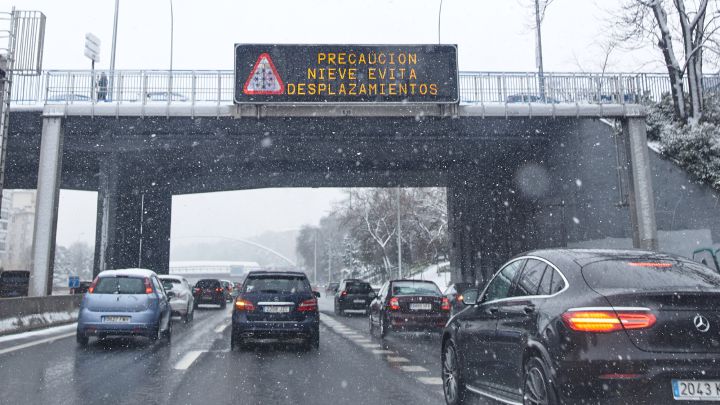
For a safe Christmas on the road
We are approaching the Christmas holidays, when we usually meet with our loved ones, sometimes traveling many kilometres to be back home for some days. For us, the best Christmas gift is that all drivers arrive safely at their destinations.
Data that, even if you don't like it, we have to tell you
According to the DGT, last Christmas 57 fatalities were settled in traffic accidents on Spanish roads. Most of the accidents involved loss of control and run-off-road collisions. 21 people were vulnerable users (pedestrians, motorists and cyclists) while 35 were vehicle drivers.
This is not data kind to say, but, if we want to make drivers aware of the importance of being careful on the road this Christmas, it is necessary to expose the reality as hard as it is. Hopefully this year this figure is reduced to the minimum possible. Let's do our best to achieve this goal.
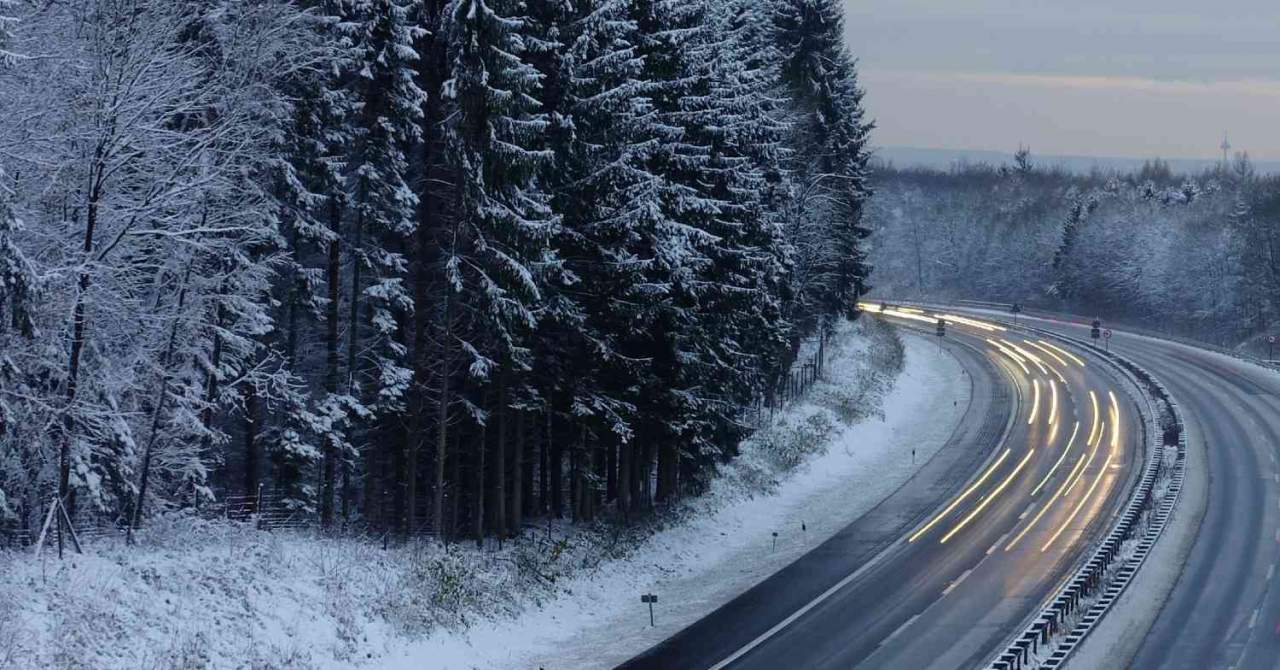
Traffic accidents: why do they happen more at Christmas time?
- At Christmas trips increase, up to a 16 million estimation. The more cars out there, the more chances of suffering an accident, so it is essential to exercise extreme caution at the wheel.
- Increase in alcohol consumption: Christmas lunches and dinners stand out for their joy, delicious food, and as a general rule, a few extra drinks. Something as simple and effective as the famous 'if you drink, don't drive', unfortunately it is not followed literally, and every Christmas, a considerable number of drivers test positive for breathalyzer, posing a great danger to safety drivers and themselves.
- Adverse weather conditions: Winter weather can play against us. Strong winds, icy roads, fog or rain multiply the danger on the roads. These adverse weather conditions make it difficult to control the vehicle and can trigger accidents, so it is important to slow down, keep a safe distance from other vehicles and drive with all 5 senses on the road.
- Speeding: Speeding is the leading cause of traffic accidents at Christmas. These are dates when we tend to get overwhelmed by last minute purchases and the unexpected ... But rushing on the road is never a good option. Think before acting!
With all these factors in mind on the road, we can all have a happy Christmas free of bad news. These dates are to be enjoyed to the fullest!
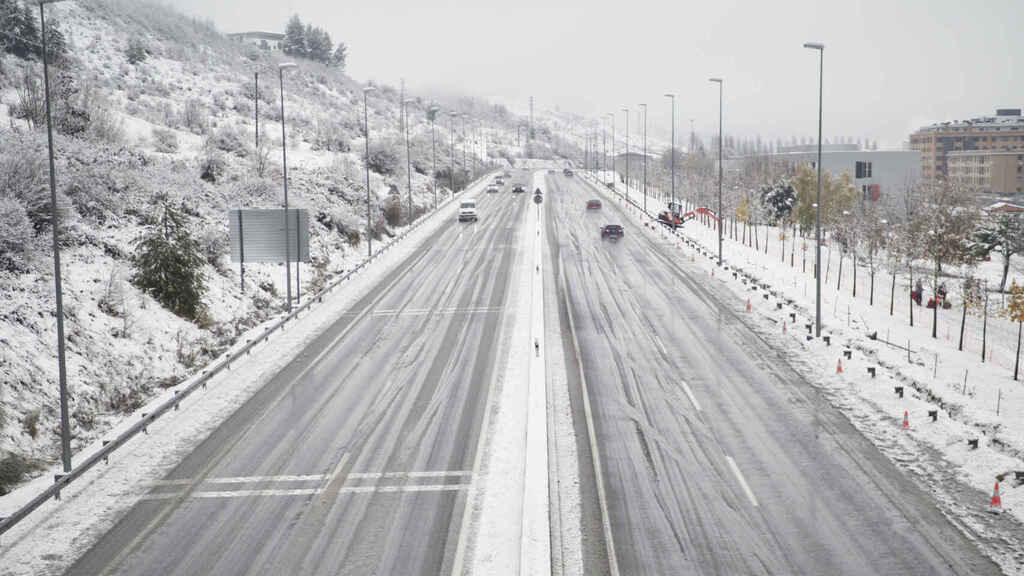
Protection is our goal: Discover our products
Whether it is Christmas or not, whatever the date, road safety does not understand holidays and we are always there. Our products, both on Spanish and international roads, take care of the people who travel every day, protecting people, saving lives.
Next, we show you some of the products that we design, manufacture and install at Metalesa to guarantee the safety of what matters most to us: people. Because you deserve a Christmas full of love and happiness.
Bridge equipment
The bridges on the roads represent sections of more danger for drivers, therefore, we take care of providing them with protection measures through the installation of equipment for bridges.
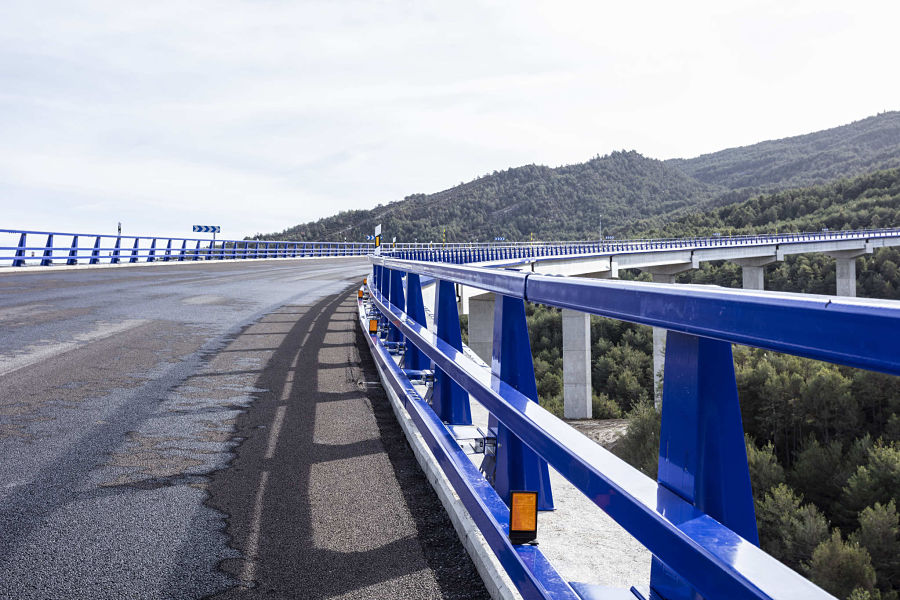
Bridge Metal parapets
A metal parapet is a vehicle restraint system approved according to the UNE EN 1317 parts 1 and 2 standard, so that having passed the relevant full-scale tests it has obtained the CE marking. It is placed in passage works, wall crowning, bridge decks ...
We have the META13 bridge parapet and the META16 metal parapet, essential as elements to guarantee road safety.
Some of its advantages:
- Both parapets allow the placement of acoustic screens and vandal-proof fences at a very short distance from the parapet.
- In the event of a vehicle crash, replacement of items is quick and inexpensive.
- It is very versatile with the possibility of placing grilles or protection systems for motorists
- High durability through discontinuous galvanization, allows thermo-lacquering in the different colors of the RAL chart.
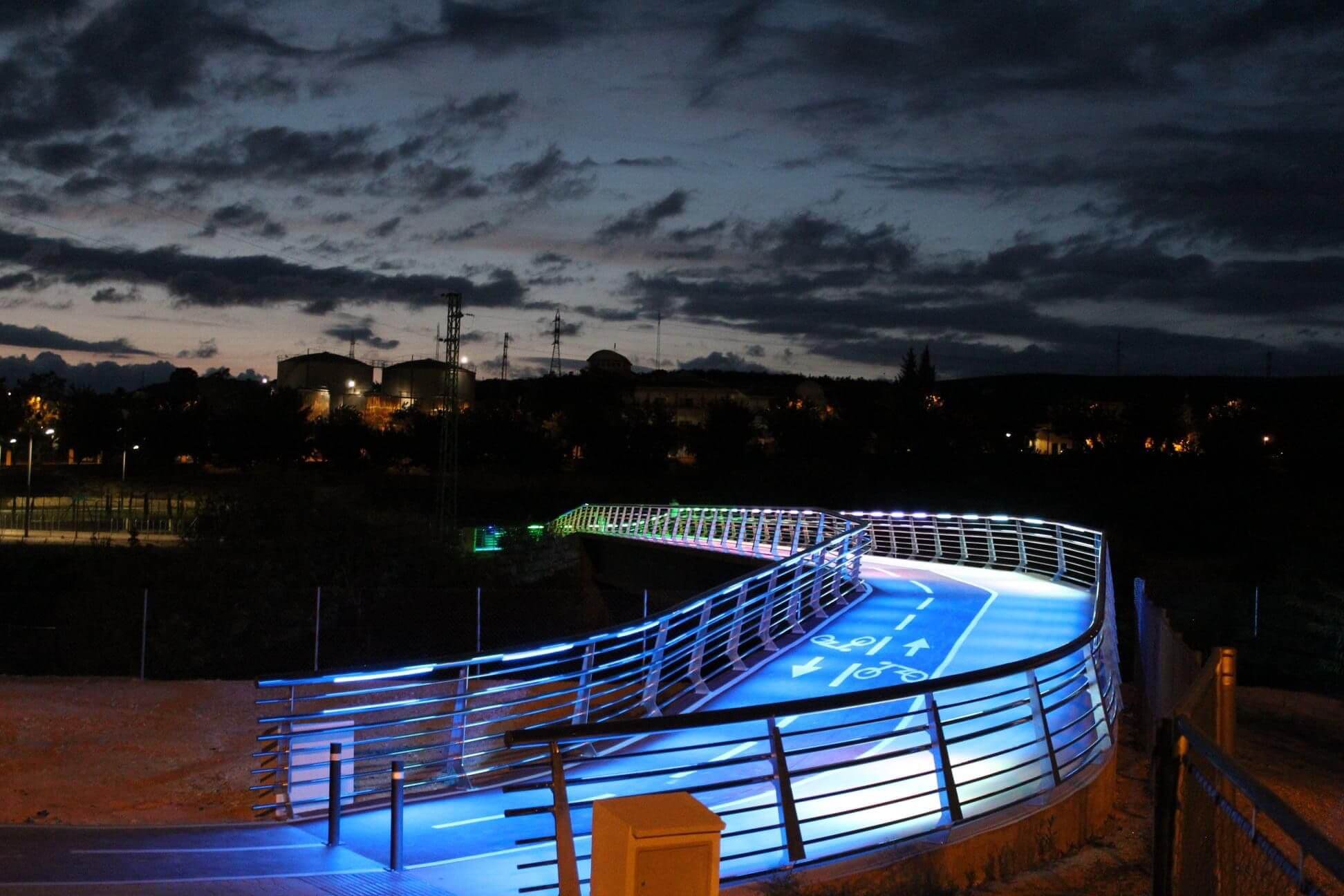
Railings for bridges
Bridge rails function as a restraint system for people or other personal mobility vehicles.
We have a wide variety of models of steel railing for bridges that are easy to install, being able to choose the most suitable thermo-lacquered finishes and colors for the integration of the railing with the landscape.
We also manufacture stainless steel railings, with steel cable or other designs that will cover any project requirement.
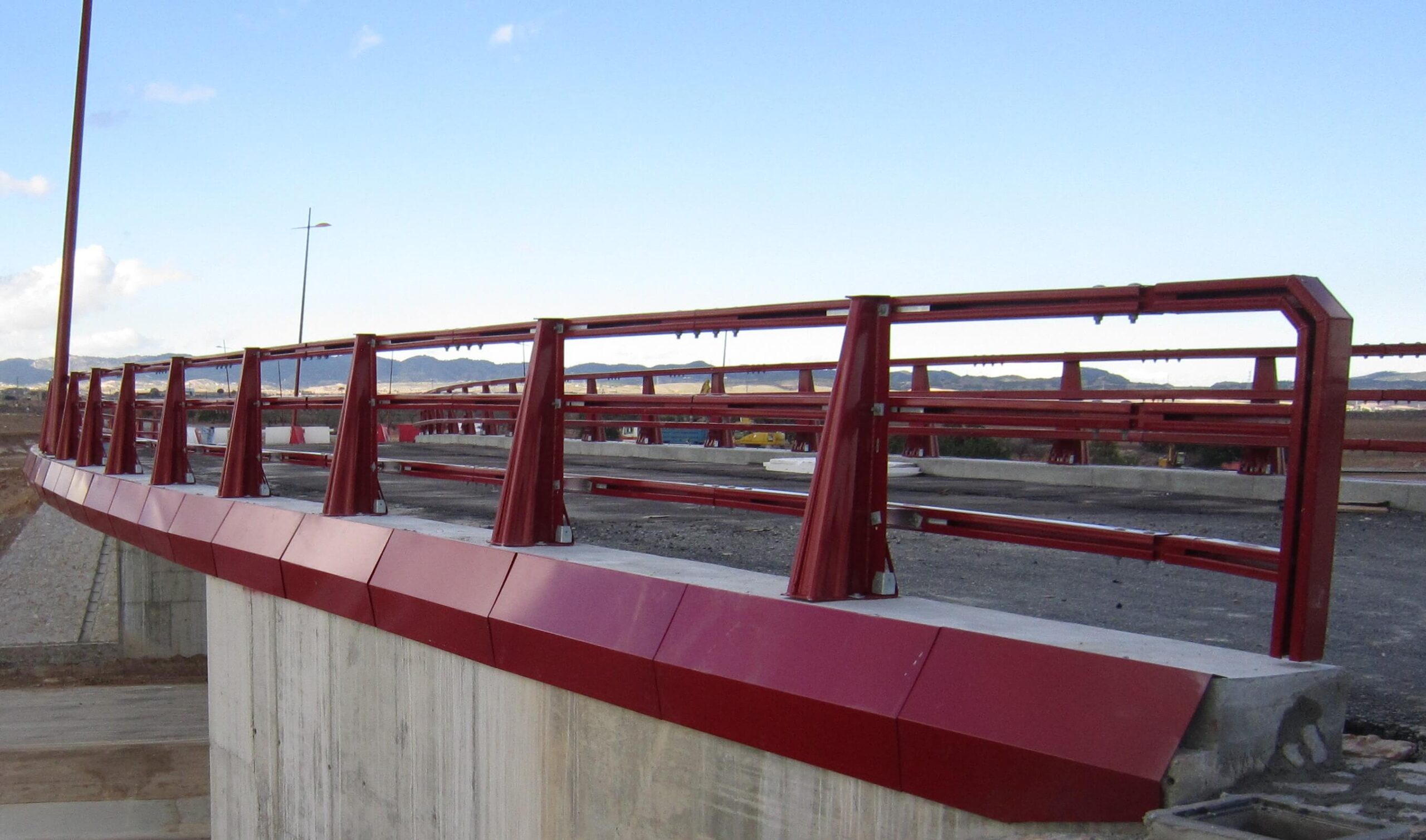
Metal bridge fascias
A metal fascia for bridges is an element that finishes off the edge of the bridge deck, either to accommodate electricity, gas or water conduits or for cladding. This type of bridge equipment embellishes the bridge, not only providing functionality, but also elegance.
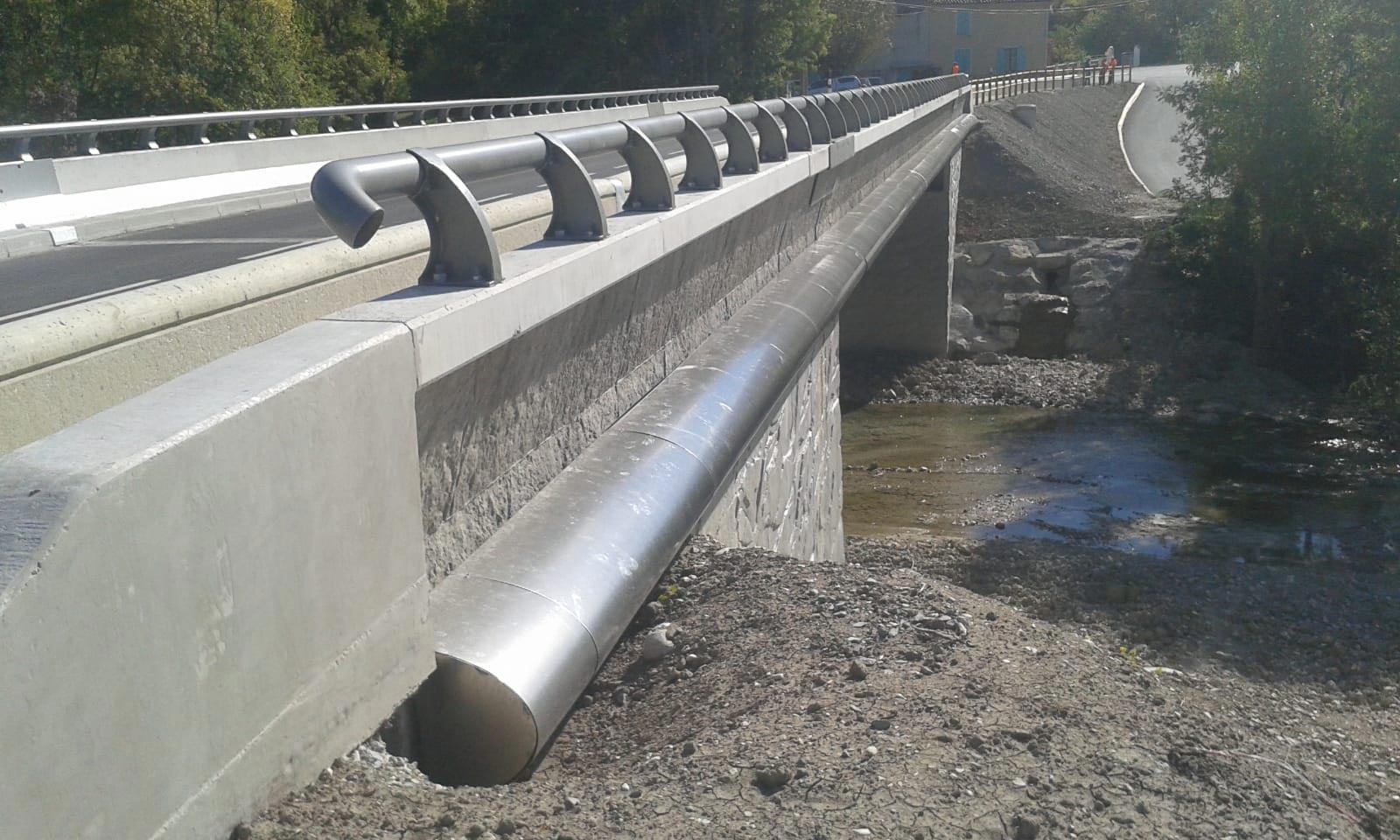
Cornices for bridges
Like fascias, cornices for bridges are a type of equipment for bridges that also reinforces the structure by providing greater rigidity, and allows housing to accommodate electricity, gas or water conduits. They are very common in France.
Crash cushions
Crash cushions are considered one of the most effective life-saving devices. They consist of a deformable structure that brakes the vehicle in the event of a crash, absorbing the impact, considerably reducing the serious consequences of the accident.
At Metalesa we have a wide variety of models, which is essential to place them in the correct position on the road so that they can fulfill their function. Each model is suitable to withstand different energy levels depending on the weight and type of vehicle and the impact speed. In addition, these are approved according to the UNE EN 1317-3 standard, which defines the test conditions for obtaining the CE marking.
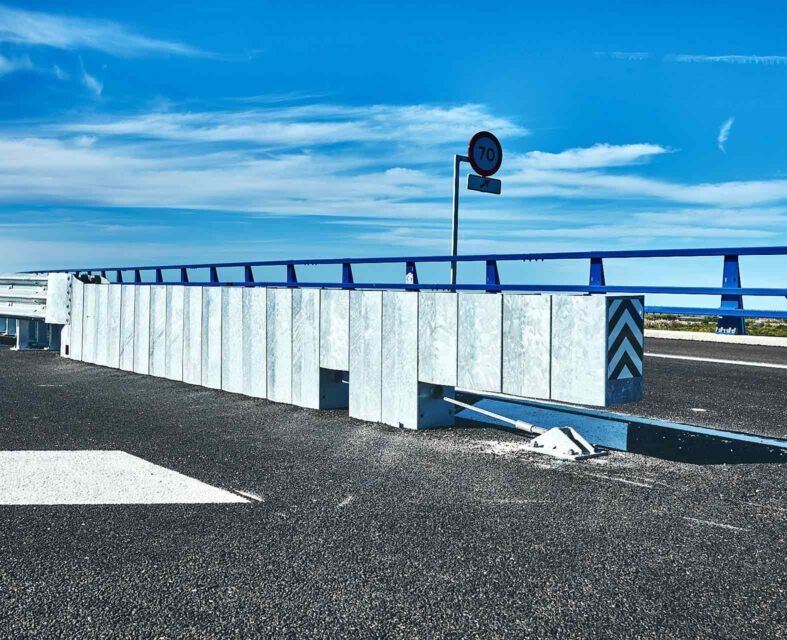
This Christmas, we are going to accompany you on all your trips. We want to protect you and that your destiny is none other than to meet those you love so much. Our products on the roads save lives, but never let your guard down because Road Safety does not understand holidays. Protection is our goal!
United Nations World Road Safety Week
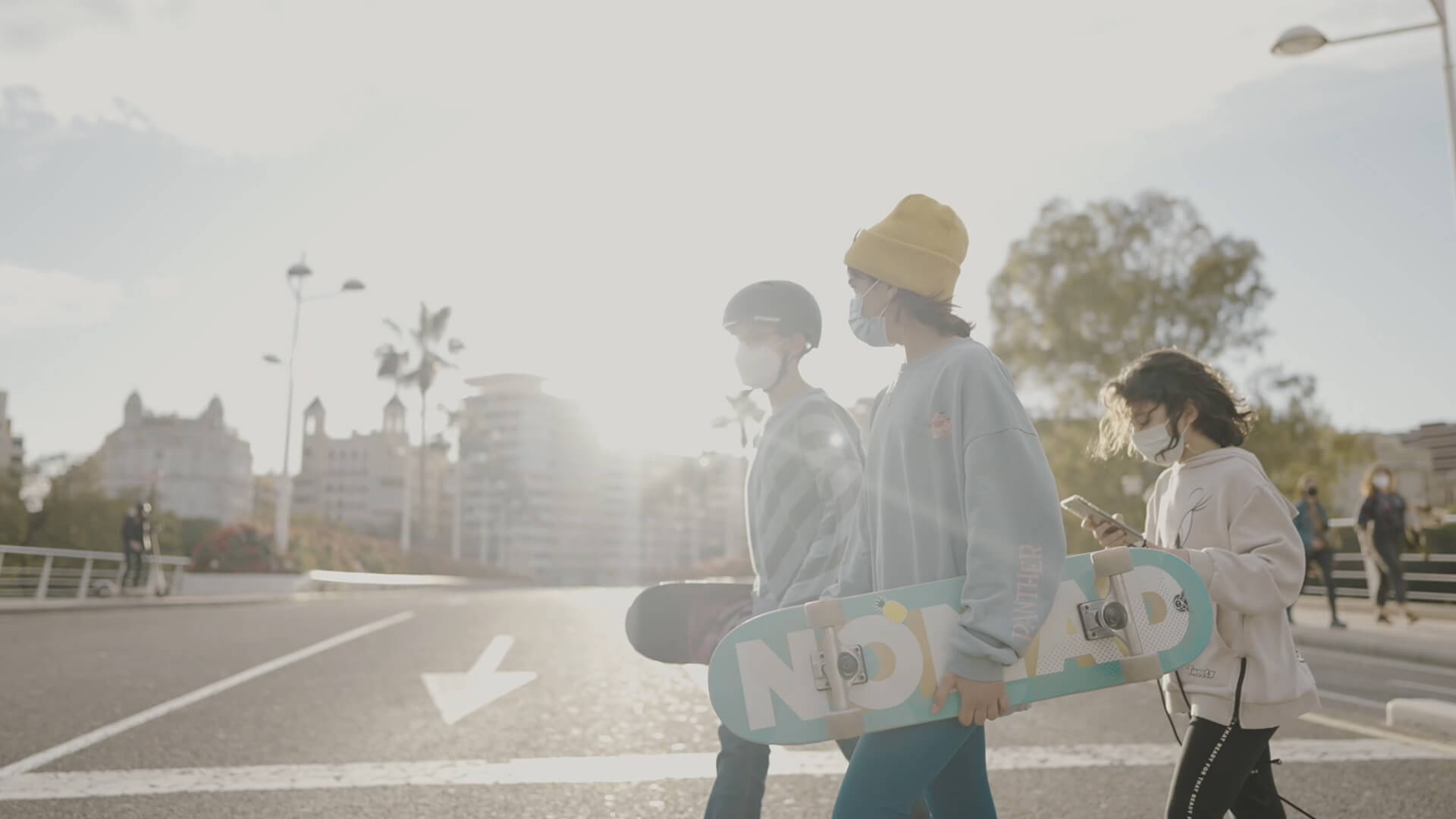
Like every year, the third week of May marks the United Nations World Road Safety Week, an event that wants to put in the spotlight the various dangers that exist on the roads to create awareness, thus serving as a loudspeaker for developing regulations that help reduce incidents and save lives.
Last year, a campaign was launched under the slogan #StreetsForLife #Love30. The goal was to create residential urban areas with a speed limit of 30km/h, thus contributing to make cities safer, more ecological and suitable for different mobility models, vehicles, scooters, bicycles and VMPs.

This was the first of many campaigns that have been planned as part of the Decade of Action for Road Safety 2021-2030. This action plan is part of the 2030 Agenda for Sustainable Development, a worldwide voluntary action plan agreed upon by the Member States of the United Nations to protect the planet and all of us who inhabit it, and which seeks, among many other sustainability objectives, to be able to prevent at least 50% of traffic accidents by 2030.
This is more urgent than ever because recent studies speak out about worrying trends. According to Fundación Linea Directa, "the urban accident rate among vulnerable users could worsen, causing up to 5,500 deaths in Spanish cities by 2030, which represents an annual increase of between 30 and 50%". Among the main arguments that the study exposes are the massive deployment of bike lanes in urban environments, the popularity of VMPs, or the lack of social awareness of sustainable mobility.
The new models of urban mobility, a new need
Within the objectives of the 2030 Agenda, special emphasis is placed on the concept of Sustainable Cities: large human settlements in which resource consumption is sustainable without harming air quality. This is why in recent years awareness campaigns have been designed towards more sustainable mobility inside and outside urban areas with the creation of Low Emission Zones and the expansion of pedestrian and bicycle lanes.
With all this, new means of personal mobility have emerged and regulations have become obsolete or have had to be adapted, thus giving rise to new needs in road safety systems.
First approved parapet with active safety
Metalesa's mission is to protect people, it is to save lives. Uniting this purpose with this context of new mobility in urban environments, the idea arose of creating the new Metaurban® SMART, the first parapet with active road safety, that is, it not only passively waits to contain an accident, but also prevents these happen through intelligent signage.
The development of this new product responds to society's growing need to have approved products as a guarantee of quality for urban and peri-urban areas, while taking advantage of new technologies and the deployment of 5G communications to bring containment to a new dimension as smart products.
It is a system fully aligned with the new trends in infrastructure management: security, sustainability and connectivity.
- It guarantees safety because it has been tested on a real scale as certified by the CE marking.
- It promotes sustainable mobility by making the new infrastructures in cities safer and friendlier.
- It is connectable because it integrates PLUG&META® technology, which not only waits for the accident to happen, but also identifies risk situations, and acts by alerting road users through signalling, minimizing the probability that these accidents will happen. Up to 10 functional scenarios have been developed, for example, accident warning, pedestrian presence, excessive speed, traffic jams, or bad visibility warning, among others.
It is a totally innovative parapet because, as can be seen, in addition to containing it in the event of an accident, it prevents these from happening, and also collects data and informs the municipal authority of all those events that are desired, from quality data of air, counting or multiple statistics of events detected by the sensors incorporated in the parapet.

The system is modular, in such a way that SMART technology can be incorporated only in that section where there really is a special need, and the rest can be a traditional containment system that is 100% safe before leaving the track.
And all of this can be managed remotely thanks to the management platform accessible from any device.
In this way, a traditional containment system has evolved into a new traffic management and urban mobility and information service for the city.
The Metaurban® SMART parapet represents a breakthrough in the urban equipment sector, prompting the imagination of how the IoT can transform static elements into active digital members of the smart city ecosystem.
Our goal is to improve people's quality of life, focusing our efforts on offering a range of technologically advanced security and protection solutions. If you want to know a little more about this technology, visit our new microsite.
International Noise Awareness Day
Today is International Noise Awareness Day, a day to contribute in making our society understand the importance of reducing noise for our health and the environment.
Noise is usually defined as «Inarticulate sound, generally unpleasant». Today we live with noise everywhere due to the noise pollution produced, among others, by vehicles. The noise pollution to which we are exposed in our day to day life can cause serious consequences such as hearing loss, sleep disorders or cardiovascular diseases. Cities are taking more and more measures against these annoying sound, however, there is much work ahead, and other facilities such as airports, sports stadiums or auditoriums also need solutions to isolate noise
To reduce noise in urban spaces, we have a wide range of products that will combine with each space according to its style. Acoustic screens are an efficient and aesthetic solution that can be used in any of the cases.
Metagreen acoustic screens
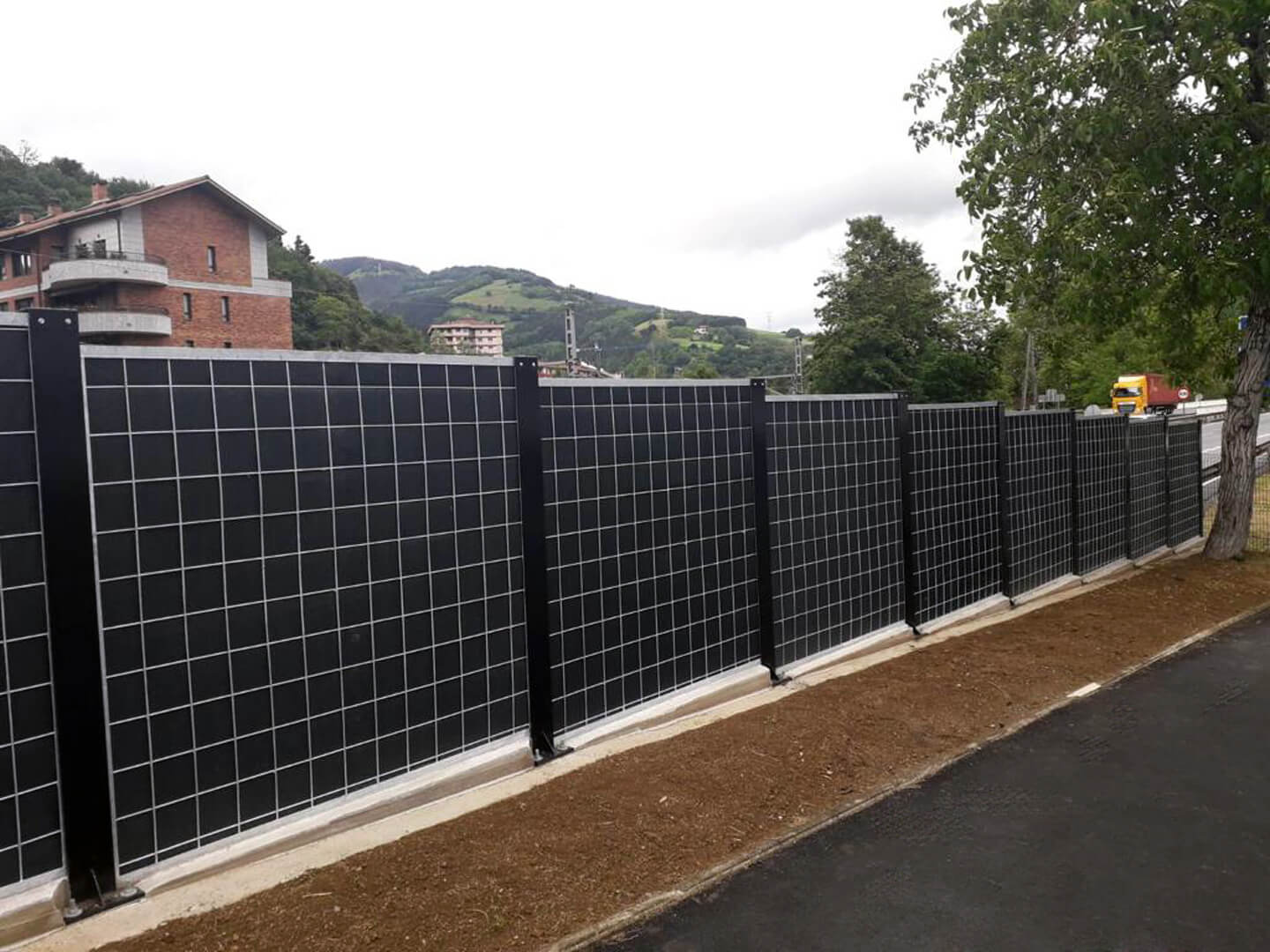
These screens are our most sustainable acoustic screens and not only they perform their job against noise, but they also contribute to sustainability thanks to their built-in vegetation and the use of recyclable materials in their manufacture. Vertical Garden Concept.
These are screens made up of an interior of rock wool as the main material to absorb external noise and an exterior of micro-perforated plastic mesh thanks to which vertical vegetation will grow.
These screens offer an ecological and natural appearance, perfect to be installed in urbanizations and private areas where they will give the appearance of a vertical garden. Its galvanized treatment offers a long durability of these screens that insulate and absorb noise magnificently.
Methacrylate acoustic screens
Acoustic methacrylate acoustic screens are ideal for not losing light and ensure a visual sensation of spaciousness. It is an insulating panel that consists of a polymethacrylate sheet in a structure made up of synthetic rubber gaskets.
The methacrylate panel configuration achieves maximum insulation. It integrates with the landscape thanks to its transparency and/or colors. These screens can be combined in the personalized model with other materials, achieving a product that completely adapts to the aesthetics of your city.
Metawood acoustic screens
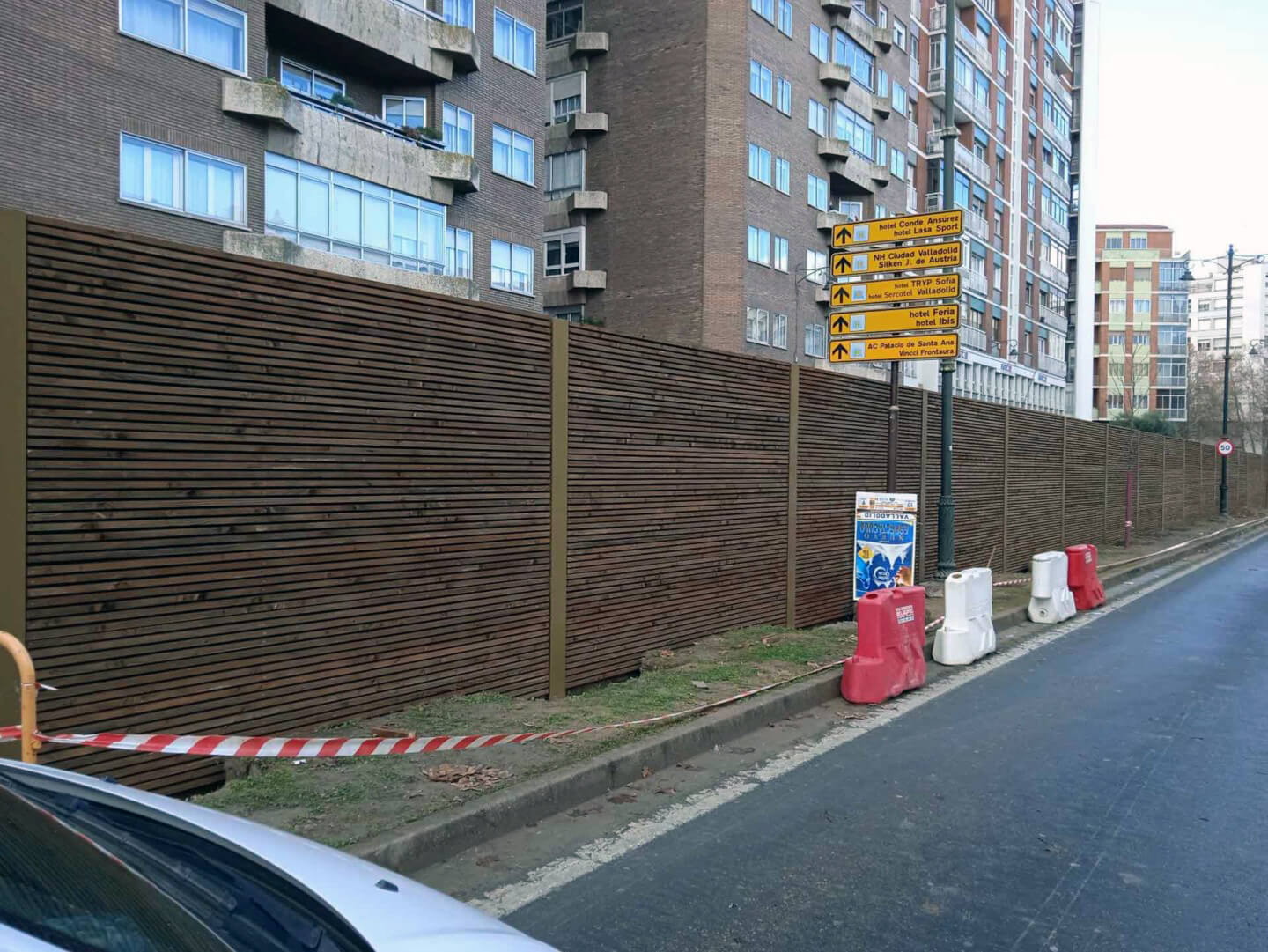
Wood also offers a touch of nature like Metagreen screens, but they can also be combined between wood vertically and horizontally to achieve different aesthetic effects.
Metawood screens have rock wool to isolate sound as well as a black protective veil that protects the panels from erosion and moisture.
Wood acoustic screens provide excellent insulation and maximum absorption. Its wooden aesthetic integrates perfectly with the landscape and the treatments they require are respectful of the environment.
Concrete acoustic screens
It is made up of a double layer of reinforced concrete structure and sound-absorbing porous concrete. These concrete acoustic panels can be the color of the concrete or painted smooth or with decoration.
It has good acoustic absorption. Isolates sound excellently. It is a very durable structure with low environmental impact, recyclable and without waste.
Customized acoustic screens
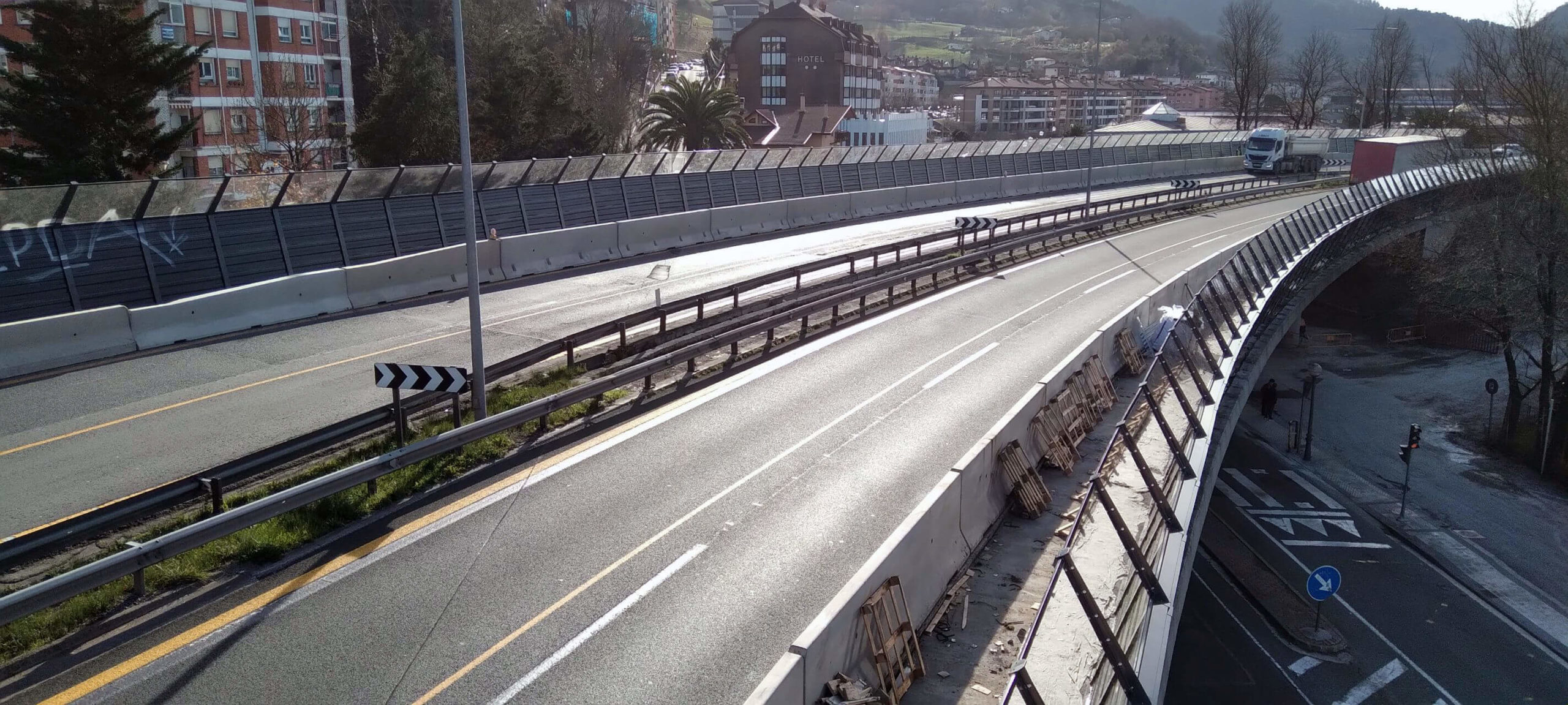
We can also create personalized noise barriers by combining different panel models, being able to design acoustic screens completely to the client's taste and adapted to the needs of each space.
It must be taken into account that the product that really performs the absorbent function is the rock wool housed inside, so the exterior can be designed to fit aesthetically with the space without affecting its properties.
These solutions that we describe for urban areas are applicable to isolate traffic noise on highways, where the installation of steel or aluminum acoustic screens is more common.
Steel or aluminum acoustic screens
Both the steel and aluminum acoustic screens are made up of a noise-absorbing layer, an inner layer of rock wool that isolates this noise, and the reflective layer so that the remaining noise does not pass through, but bounces back. Finally, to guarantee this acoustic performance, these panels are closed with polypropylene side covers.
They are a fantastic option for their insulation and absorption capabilities. In addition, they integrate with the environment thanks to their various designs and available combinations. Being a modular structure they are light and easy to install. They are also resistant to wind loads and rail traffic overpressure, a performance accredited in laboratory tests.
Acoustic screens can be temporary or fixed and the installation varies according to type. Among all the solutions that we offer in Metalesa, a previous acoustic study will always be assessed to guarantee the best solution against noise that adapts to the needs of the space. You can compare our screens in the product comparator or contact us, we will be happy to help you.

This summer, Road Safety on the roads
The time most desired by most has finally arrived, the summer holidays. Heat, beach, disconnection from work and the daily routine ... Unfortunately, the other side of the coin is the usual increase in traffic accidents due to the enormous volume of vehicles moving on the roads.
In addition, this year we are facing a somewhat different summer, as we come from a time marked by mobility restrictions and the health emergency due to COVID-19. For a long time we have had to stay in our regions without the possibility of vacations or travel, so it is natural that with the arrival of good weather there is a significant increase in national travel, and with the need to be extremely careful on the roads.
Road Safety is everyone's business. If we are all aware of the importance of being responsible when driving, we will be able to minimize the risk of serious accidents.
Increased risks on the roads in summer
In addition to the characteristic increase in summer traffic, there are other typical summer factors that pose an added risk on the roads and that must be taken into account.
Caution with heat
In Spain, on the hottest days of summer, the temperature of a car exposed to the sun for a long period of time can exceed 50 degrees, which is a risk when driving. For this reason, before getting in the car and starting the trip, it is recommended to ventilate it by opening windows and doors, turning on the air conditioning and not starting the trip until the interior of the vehicle has acclimatized. If possible, the ideal is to avoid driving in the hottest hours of the day.
Take care of your hydratation and never drink alcohol
Lack of hydration can lead to serious risks while driving. The most common symptoms of dehydration are usually fatigue and drowsiness ... It is recommended not to wait to experience these signs to drink water. Always keep a bottle of water on hand in your vehicle and drink frequently, even if you don't feel particularly thirsty.
It's also a no-brainer, and hundreds of drivers are penalized every day for exceeding the permitted alcohol level behind the wheel. Do not drink and drive!
Food before and during your trip
If we are going to take long trips in summer, it is important to eat light meals. Otherwise, digestive discomfort can occur that can distract us from driving and affect Road Safety, and also cause drowsiness.
Always travel with suitable and comfortable cloting
Beyond driving in loose fitting, comfortable clothing, it is especially important to note that flip flops should not be worn. The risks of driving with this type of footwear are very serious: they can get caught between the pedals, slip ... and prevent reacting in time in the event of an accident.
That sunglasses are never missing
Lack of vision can be one of the main reasons for accident risk. Therefore, it is advisable to wear polarized sunglasses to avoid glare and prevent eye fatigue.
Check your vehicle before and during the journey
It is important to thoroughly check the vehicle before any trip, and especially if it is a long journey. Tires, brakes, check the oil level, the coolant level, check that the lighting devices are working, make sure that the air filter is clean and always wear vests and safety triangles.
Calculate your route previously
Improvisation can be part of the unforgettable trip, but in driving it is not recommended. The ideal is to plan the route to your destination in advance, take into account the stops to rest ... In addition, this way you will avoid being constantly aware of the GPS and you will pay more attention to the road. And of course, the use of mobile phones while driving, unless it is to use it as a passive GPS, is totally prohibited.
Always control your speed
We know, controlling speeding is something very obvious when we go on a trip. But still every day traffic accidents happen precisely due to speeding. Remember, no matter how expert you are at the wheel, extreme caution on the road is a great responsibility that we must all carry out.
Travel accompanied
It is always important to ensure Road Safety, but the commitment is even greater when we transport more people in our vehicle. The co-pilot has to try not to over-entertain the driver to avoid confusion, and in the case of traveling with children, you have to find ways to entertain them using iPads, reading stories ... And of course, it is mandatory to insist that the occupants use the seat belt.
Now you know the most important points to keep in mind when taking a trip during this summer vacation. Today's article we want to serve as a guide that you can always turn to whenever you are going on a road trip. Even so, it is always advisable to visit the DGT website for any notice or news of interest.
At Metalesa, protection is our goal
Our mission is the protection of people. As experts in Road Safety, our activity consists of designing, manufacturing and installing infrastructures specially designed to guarantee the safety of people.
Products for Road Safety on highways
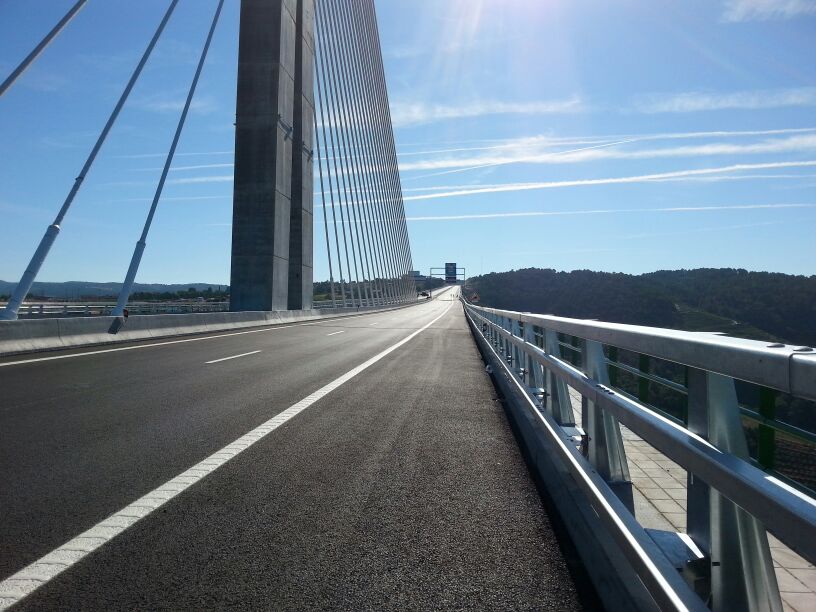
Parapets
Los pretiles para carreteras son sistemas de contención para puentes. En Metalesa disponemos del pretil metálico META13 y el pretil metálico META16, los cuales han sido homologados por la norma UNE EN 1317.
Highway parapets are restraint systems for bridges. At Metalesa we have the META13 metal parapet and the META16 metal parapet, which have been approved by the UNE EN 1317 standard.
Transitions to concrete barriers
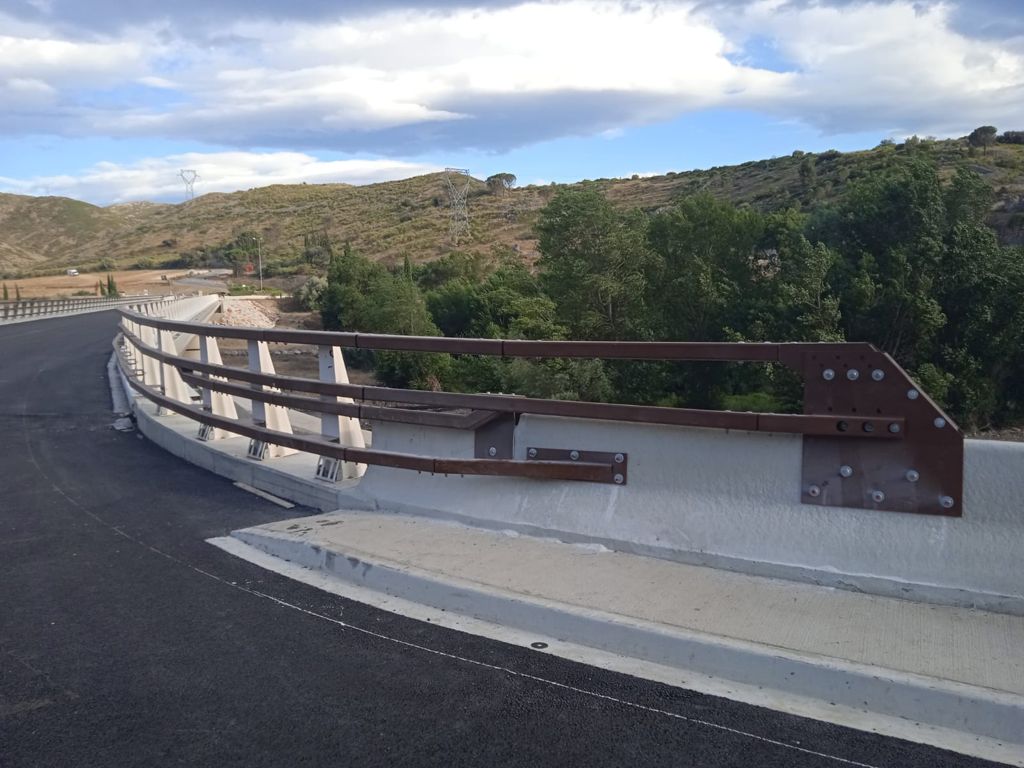
Highway transitions are used to link different vehicle restraint systems, such as a parapet and a concrete barrier. Our transitions are homologated by the French standard NF 058.
Impact terminals
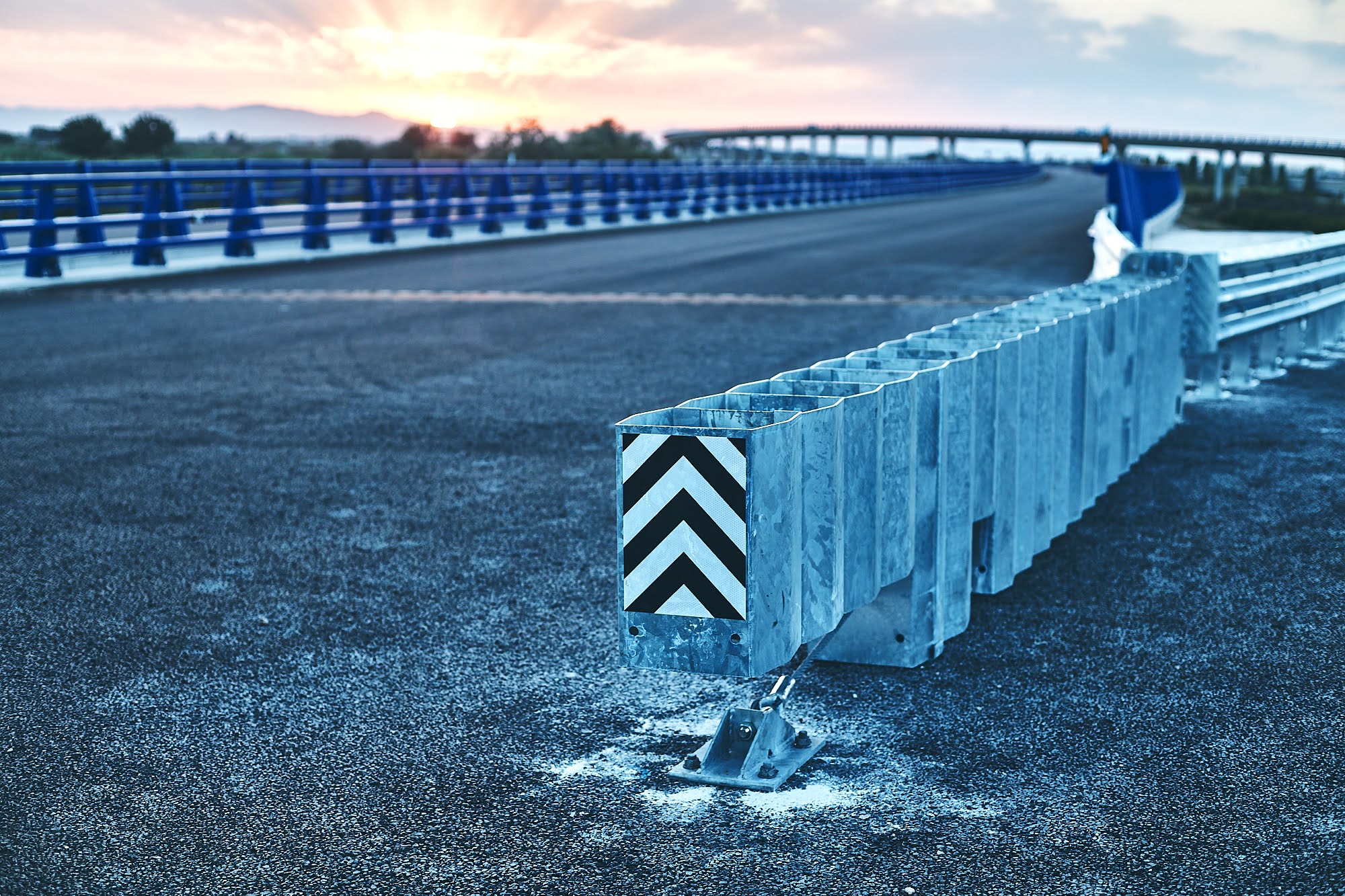
They are road safety devices that are placed at the ends of the parapets or containment barriers, as a safe ending element. We have several models of impact terminals, which share a series of characteristics such as the possibility of allowing the connection with a double or triple wave bionde, and that all have been tested according to the European standard prEN 1317-7.
Shock atenuators
Also called shock absorbers, their function is to absorb the impact of the car in the event of a crash. They differ from containment system terminals in that they can be installed in isolation, without being connected to any other system. In addition, in case of impact it is easy to repair.
Having said all this, from Metalesa we want to remember that Security does not go on vacation. Our purpose is to protect society through our products for Road Safety and to educate drivers to have an unforgettable, fun and above all safe vacation. Can you help us achieve this goal?

World Environmental Education Day
Every January 26th we celebrate the World Environmental Education Day. Obviously, it is not a day of celebration but of awareness instead. As a society we have taken some steps to preserve the environment, but we still have a long way ahead.
On this very necessary day, we seek to sensitize society about the relationship between human development and the conservation of the planet. There two phenomena must go hand by hand, supporting each other and not in opposition as it used to happen a few decades ago. At Metalesa we believe that it is necessary to stop and reflect on this, because we care about people and improving their quality of life.
Origin of World Environmental Education Day
Let’s start by giving context to this article with a little background on World Environmental Education Day.
It has its origin in 1975, the year in which the International Seminar on Environmental Education was held in Belgrade (Serbia). At that event experts from over 70 countries participated and established the principles of Environmental Education within the framework of the United Nations programs. As a result of this milestone, known as the Belgrade Charter, the fundamental demands of Environmental Education were reflected.
Since then, every January 26th, all countries use this day to promote awareness-raising initiatives on regards for the Environment. Specifically, in Spain, the Environmental Documentation and Information Section of the CENEAM (National Center for Environmental Education) produces each year a guide to fundamental resources for environmental education, very useful to begin studying, deepening and investigating, and a basis on which to launch a series of environmental education programs and activities.

Objectives of environmental education
In general terms, Environmental Education aims to achieve the following goals:
- Awareness: Help people, both individually and collectively, acquire greater sensitivity about the importance of caring for the environment.
- Knowledge: To take care of the environment, you need to know how to do it. The population needs a basic understanding of what it means to be responsible for our environment and the resources we consume.
- Attitudes: It is essential to acquire values and promote interest in actively participating and protecting the environment.
- Evaluation capacity: Help social groups to evaluate the measures of environmental education programs.
- Participation: Help people develop their sense of responsibility by actively participating in this common goal.
Technology and Environment: an essential tandem
Human development understands that the people of a society can develop their maximum potential and lead a productive life according to their needs and interests. The increase in population, the increase in energy expenditure, the increase in the productive capacity of food … all this is very good, but we cannot ignore the fact that it also leads to environmental effects such as pollution, massive cutting of trees, depletion of water resources or global warming.
The mastery of technology to social evolution has meant that, in many situations, this development accelerates these negative consequences. However, it is also true that our actions, and how we use technology, may be part of the solution. But how can technology help reverse them?
Benefits of technology at the service of the Environment
Let’s see some examples of how technology contributes if we propose to improve the environment:
- Recycling: increase the volume of recycling and the efficiency of the recycling process of different activities and materials.
- Design of cities based on Smart Cities models: design of smart cities that satisfy the needs of the population with an optimization of the use of resources. We tell you more about Smart Cities by clicking on this link.
- Development of new forms of energy: friendly to the Environment such as wind or solar energy.
- Development of sustainable means of transport: fuel that respects the environment, such as cars or electric motorcycles.
This list could be very long, as long as the will of the whole of society wants it, because as we have said, an adequate use of technologies can have a positive impact on the protection of the Environment.
Our commitment to the environment
Every company should take into account its environmental footprint, that is, the impact generated by the service or product it offers.
At Metalesa we have always been aware of this. We know that as a company we must provide solutions and be innovative to satisfy one of the priority demands of society: the commitment to the environment and sustainability.
We achieve this task from different initiatives:
Installation of Thermo-lacquering and Zero Discharge Treatment Plant
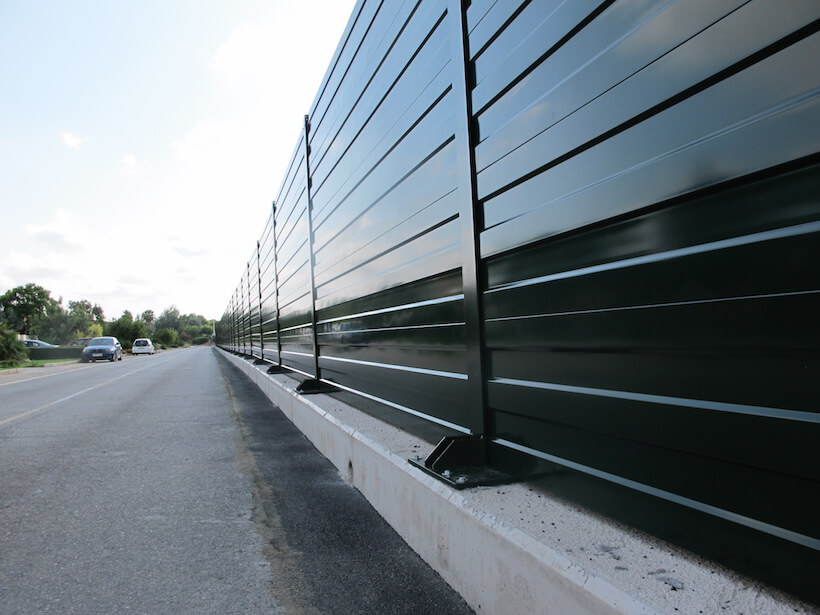
Many of our products, for example our steel or aluminium acoustic screens, go through the thermo-lacquering process if the customer requires it. The process consists of applying a powder coating to a piece of metal that has been prepared, previously treated, and then cured in the polymerization oven.
Powder coating process is very respectful with the environment as it is a clean coating. The powder paint we use does not contain solvents, and the powder that does not adhere to the part is recovered for reuse. This use of almost 98% represents a reduction in the amount of waste generated.
Regarding the zero discharge treatment plant, it is a technology that we use in our facilities in order to control waste and acquire a commitment to continuous improvement with sustainability. The zero discharge treatment plant allows us to contribute to the recovery of aquifers, since it allows us to reuse water in all our industrial processes through a cleaning process by electrolysis. in this way we manage to minimize the amount of water used and we manage to optimize all our resources.
Other initiatives in our facilities that favor sustainability
- Photovoltaic installation: At the end of 2020 we have installed a photovoltaic solar plant of up to 100KW of power on the roof of our factory. Technical studies estimate that with this installation we will produce up to 60% of the energy we consume per year in the development of our operations.
- Replacement of LED luminaires: In all the facilities of our factory we have installed LED lights, with this change we manage to reduce annual energy consumption by up to 15%.
- Replacing diesel trucks with electric trucks: For a long time all our trucks have been electric, therefore they do not produce CO2 emissions.
- We encourage the use of 0 paper: We try to spend as little paper as possible, and we achieve this thanks to the digitization process we are carrying out. We have managed to reduce the use of paper by up to 75%.
- Installation of EV charging points: This is one of the initiatives we have planned. We want to make different charging points for electric vehicles available to our employees throughout our facilities.
- Compliance with environmental standards and guidelines: Through our sustainable commitment, our intention is to achieve official accreditation of standards related to the Environment such as: Standards for Energy Efficiency Management Systems ISO 50001 or Carbon Footprint ISO 14067.
Our products: Acoustic Screens
One of our main products are acoustic screens, barriers specially designed to reduce a problem so harmful to people and animals, noise pollution. At Metalesa we manufacture all kinds of acoustic screens that fulfill their anti-noise function, but we have three models that are especially beneficial for our environment:
Metagreen Acoustic Screen
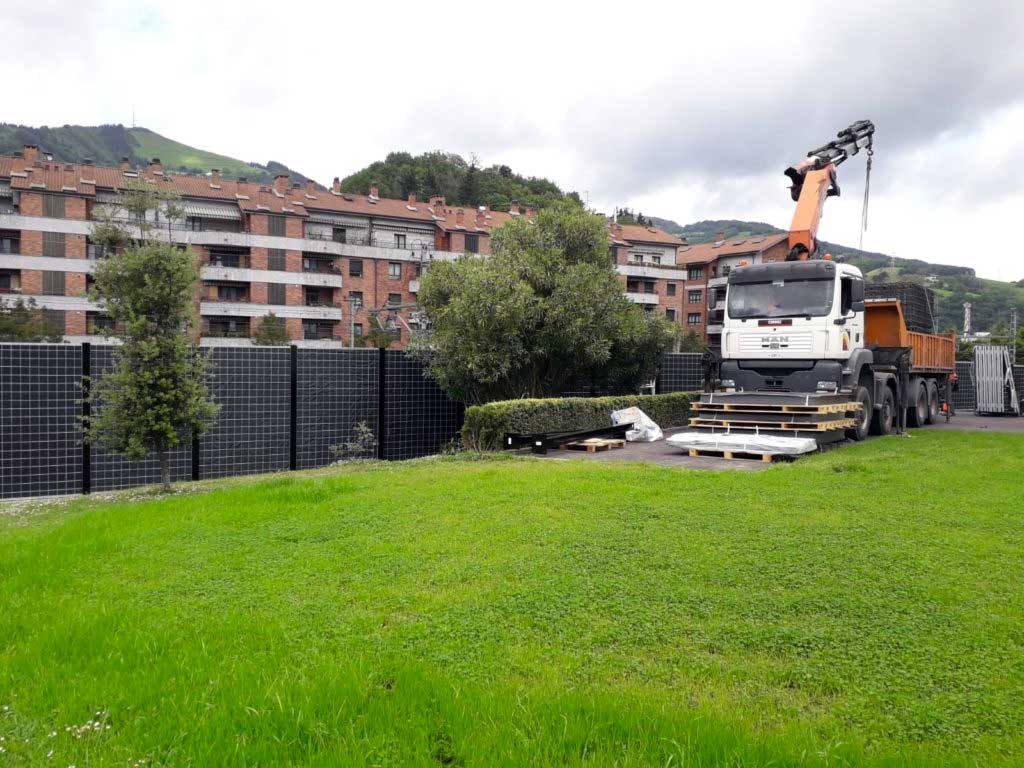
Rock wool is placed inside the plant screens, which, together with a green plastic mesh, facilitates the growth of vegetation in the style of a vine, generating in a few months a green acoustic wall, optimally integrated into the environment.
Bird Collision Screen
These types of acoustic screens are specially designed to prevent birds from colliding with vehicles or trains traveling on the tracks. This is how we achieve their preservation and protection of their migration routes.
Screens for wildlife passage
Screens for wildlife crossing are installed in overpasses equipped to protect the passage of fauna and livestock that circulate over roads or railroad tracks. These are wooden panels that are supplied with a chemical treatment that guarantees the preventive and curative action of insects and fungi, as well as solar radiation. Furthermore, the wooden panels optimize their integration into the environment.

To conclude, we will return to the task of World Environmental Education Day. To advance as a society, it is necessary to appreciate the Environment, and it is everyone’s responsibility to learn and internalize correct behaviors about it. Nature is not an inexhaustible source of resources, so we must all put our best efforts together to try to make our actions as less harmful as possible. From Metalesa we have already joined this objective. And you?
Message from Metalesa in response to Coronavirus Crisis
First of all, from Metalesa we convey our most sincere support and affection for those who have been affected by the Coronavirus. We have mobilized all our resources to face all potential impacts on our employees, customers, suppliers, as well as other stakeholders.
From a manufacturing point of view, we continue to produce following even more secure procedures, while working closely with our clients to understand their needs. We are handling this dynamic situation from the permanent adaptation approach that characterizes us.
Metalesa is actively managing this new situation committed to keep our employees safe, and to continue serving our customers’ needs worldwide, always following the guidance of the authorities.
For this reason, we have joined the #EstoNOtienequePARAR initiative, a movement that is born from the will of the companies to do as much as possible to continue contributing to our environment.
LET'S GO FORWARD.
METALESA, heading towards international success
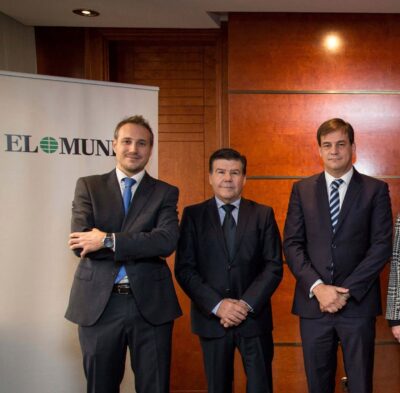
On the occasion of the first Opportunities for internationalisation meeting organised by Cajamar and El Mundo, César Valero, Deputy Director at METALESA, gave an interview along with directors from other companies of the Valencian Community. They contributed their outlook and experience on the keys, challenges and risks of internationalisation to a company.
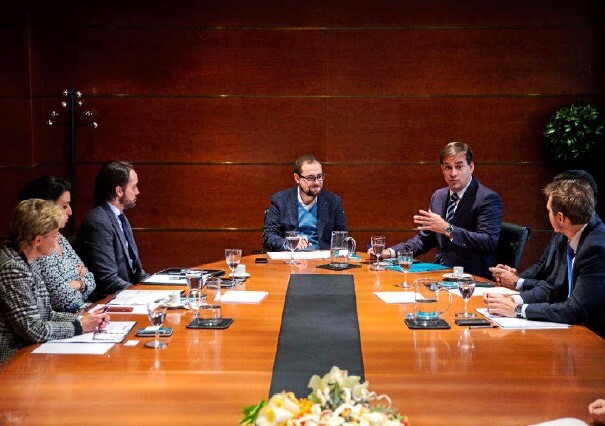
Among other ideas, the experts commented that the circumstances may be more favourable or less so depending on the country in which you want to expand, and that the market and legal contexts should be studied in detail. César Valero stressed the importance of hiring people that enable the organisation to compete in a more demanding environment. He also pointed out that the company’s size is not the only determining factor in internationalisation, but did recognise that in sectors such as public works it is a great help to be more competitive.
The interview highlighted the progressive growth of METALESA in France and its countries of influence, which requires great strides in self-discipline to provide a quality service.
Other topics discussed were the importance of seeking expert advice on the target market, opening up to foreign partners and the financial muscle to undertake a process that may take time to produce results. Read the interesting interview about international success in full.