

Road Safety and Accident Prevention: 21st Century Infrastructure
Road Safety and Accident Prevention: The Need for Adaptation and Road Safety
For decades, our roads have been the pillars of mobility, connecting cities, towns, and communities. However, as we move towards an increasingly digital and sustainability-oriented future, it becomes evident that our road infrastructure urgently needs an update. While efforts have been made to maintain and repair existing roads, not enough has been done to adapt them to new mobility methods, Smart Cities, and the growing demands of an ever-increasing population.
The need for infrastructure adaptation to cities
The world is changing at a dizzying pace, and our cities must keep up. Cities are evolving into smarter environments where technology plays a fundamental role in traffic management, road safety, and energy efficiency. However, our urban roads remain largely analog in a digital world. An updated road infrastructure is needed that integrates technologies such as smart sensors, traffic management systems, and vehicular communications to improve traffic flow and reduce accidents. Administrations are aware of this issue and have been implementing data-driven strategies for years to improve citizens' lives.
Sustainable mobility
Sustainable mobility is another crucial aspect that our roads must address. With increasing environmental awareness and the need to reduce carbon emissions, it is imperative to promote the use of public transportation, bicycles, and electric vehicles. However, current roads are not designed to accommodate this diversity of mobility options. Safe bike lanes, charging stations for electric vehicles, and infrastructure that fosters efficient public transportation are needed.
Population growth and urbanization are global trends that are putting increasing pressure on our roads. Cities are more populated than ever, meaning more vehicles on the roads and greater infrastructure demands. However, many of our roads were not designed to handle this volume of traffic, resulting in congestion, longer travel times, and increased pollution. It is essential to adapt our roads to meet the needs of 21st-century cities and beyond.
Road safety and accident prevention
One of the most critical aspects when talking about road infrastructure is the safety of its users. Every year, thousands of lives are lost in traffic accidents, and many more people are seriously injured. It is crucial that our roads are designed with a focus on road safety to reduce these tragedies.
Technology plays a fundamental role in accident prevention. Advanced driver assistance systems, such as automatic emergency braking and blind-spot detection, can help avoid collisions before they occur. Additionally, adequate lighting, clear signage, and regular infrastructure maintenance can improve visibility and reduce risks for drivers.
Technologies like PLUG&META® are a clear example of innovation in the field of SMART ROADS and a clear trend that reaffirms the administration's commitment to the new era. The most appropriate decisions for urban mobility must always be based on real data to ensure the safety of all road users.
Road education also plays a crucial role in accident prevention. Awareness programs about the importance of wearing seat belts, respecting speed limits, and avoiding distractions while driving are fundamental to promoting a culture of safety on our roads.
At Metalesa, we firmly believe that accident prevention requires a holistic approach that addresses both technological and human aspects of road safety. By investing in safer infrastructures and promoting responsible behavior from road users, we can work towards drastically reducing the number of accidents and saving lives on our roads.

Collaboration between the private sector and the administration
Addressing these challenges requires close collaboration between the private sector and public administration. Technology companies can bring expertise in innovation and the development of smart solutions, while governments have the power to establish policies and regulations that encourage investment in road infrastructure. It is crucial for both parties to work together to ensure the safety, mobility, and well-being of everyone who depends on our roads.
In summary, our roads need an urgent renovation to adapt to the demands of the modern world. From integrating smart technologies to promoting sustainable mobility and managing urban growth, many aspects must be addressed. Only through effective collaboration between the private sector and public administration can we ensure that our roads are prepared to meet the needs of Smart Roads in the smart cities of the present and future.

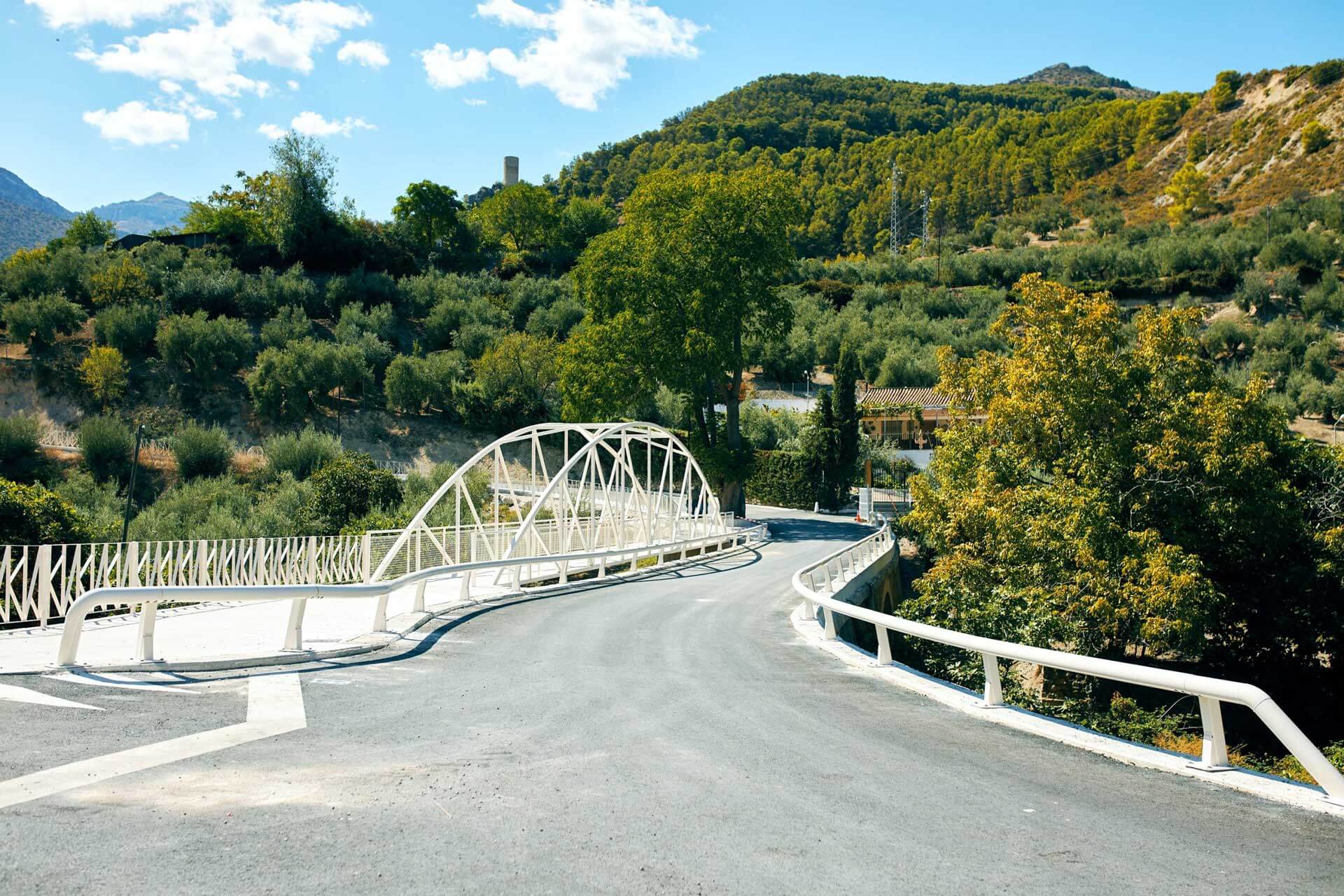
Eco-goals: our sustainable contribution
Welcome to the heart of Metalesa, where sustainability is not just a goal, it is our unwavering commitment! In this article, we will look at the Eco-Targets, the four pillars that guide our mission to be leaders in environmental and social responsibility.
Solar panels: clean energy for a sustainable future
Every action counts, and at Metalesa, we are committed to significant change through solar energy. Our facilities are equipped with solar panels that capture sunlight and transform it into clean electricity. This step towards energy self-sufficiency not only reduces our carbon footprint, but also propels us towards a more sustainable tomorrow.
Did you know that thanks to our solar panels, we have covered 39.6% of our consumption needs and reduced our dependence on non-renewable sources? This investment in green technology is a testament to our commitment to the environment.
Additional benefits of solar panels
Exploring the use of solar panels goes beyond simply adopting a clean energy source; it involves immersing oneself in a series of impactful benefits that impact various aspects of our society and environment. Let's take a closer look at these additional benefits, understanding how solar panels are a comprehensive solution with significant positive impacts:
- Reducing greenhouse gas emissions: By going solar, we make a significant contribution to reducing greenhouse gas emissions, a crucial factor in climate change. Solar panels generate electricity without releasing carbon dioxide or other harmful air pollutants. This approach offers a route to a cleaner and more sustainable environment, making a direct contribution to the fight against climate change.
- Energy independence and long-term stability: Dependence on non-renewable energy sources exposes societies to fluctuating oil prices and energy crises. By incorporating solar panels, greater energy independence is achieved by harnessing an inexhaustible and free source: solar radiation. This independence not only ensures long-term stability in energy supply, but also reduces vulnerability to fluctuations in the global energy market, providing a path to long-term sustainability.
- Contribution to global awareness of renewable energy: By adopting solar energy technologies, we actively participate in creating global awareness of the importance of renewable energy sources. Solar panels are not only a practical solution on an individual or corporate level, but also serve as a beacon to inspire others to follow the path of sustainability. This contribution goes beyond the production of electricity, extending to the creation of a global community committed to a greener and healthier future.
Using recyclable materials: forging a circular future
At Metalesa, the excellence of our products is not only about quality, but also about environmental responsibility. In the manufacture of every item, we are committed to using recyclable materials, thus driving the creation of a circular future and significantly minimising our impact on the environment.
This conscious choice means much more than just producing durable goods. By opting for Metalesa products, you are making a decision to support solutions that go beyond your individual needs; you are supporting the preservation of our planet. Our unwavering dedication to recycling is not simply a duty we fulfil, it is a promise we seal with every product that leaves our facility.
Imagine a world where every product not only serves its purpose, but also contributes to a sustainable cycle. At Metalesa, we're not just building products, we're building a future where responsibility and quality are intertwined to form a lasting commitment to the health of our planet.
Sustainable innovation in our commercial fleet: towards electrification
At Metalesa, we strive to not only deliver quality products, but to do so in a sustainable manner. Have you ever wondered how we achieve this balance? The answer lies in our commercial fleet, a tangible manifestation of our commitment to electrification and the reduction of pollutant gas emissions.
Our fleet, your benefits:
We explore the salient details that make our fleet a model of sustainability:
- Hybrid vehicles: By opting for electrification, we have incorporated hybrid vehicles into our fleet. These vehicles not only consume less fuel, but also emit less polluting gases, marking a firm step towards reducing our carbon footprint. Every delivery we make becomes a conscious act towards a healthier environment.
- Advanced technology: We don't stop at electrification; we have integrated advanced technology into our fleet to maximise efficiency. Real-time tracking of our routes ensures that every journey is planned as efficiently as possible, reducing unnecessary driving times and further minimising our environmental impact.
- Constant innovation: Innovation is part of our identity. We constantly explore options to improve our fleet and thus our contribution to sustainability. From evaluating new technologies to sourcing alternative fuels, we are in a continuous search for greener and more efficient methods for our delivery operations.
Every delivery we make is not just a product arriving at its destination; it is a step towards a more sustainable and environmentally friendly business model. At Metalesa, we are moving towards electrification in the knowledge that every choice counts in building a future where innovation and sustainability go hand in hand.
Zero discharge wastewater treatment plant: taking care of our water resources
Our responsibility is not limited to air and land; we also embrace water. We operate a zero discharge wastewater treatment plant, ensuring that our production processes do not negatively affect the quality of nearby water resources.
How does this contribute to general well-being?
- Water conservation: We avoid contamination of local sources.
- Community engagement: Our responsibility to those around us.
- Transparency: Accessible information about our practices.
Join us on the road to a sustainable future
At Metalesa, every action we take is driven by the desire to contribute to a more sustainable world. Our Eco-Targets are more than just goals; they are the core of our identity and the engine that drives our commitment to sustainability.
Ready to be part of the sustainable revolution? Join us on this journey and choose products that not only meet your expectations, but also contribute to a greener, healthier planet.
Frequently asked questions:
- How do solar panels contribute to sustainability? Solar panels capture the sun's energy and convert it into electricity, reducing dependence on non-renewable sources and reducing greenhouse gas emissions.
- Why is it important to recycle in the manufacture of products? Using recyclable materials in manufacturing helps reduce demand for natural resources and minimises waste generation, thus contributing to building a more sustainable future.
- How can I contribute to zero landfill? As a consumer, you can choose to support companies committed to sustainability and responsible water management, such as Metalesa. By doing so, you indirectly contribute to the goal of zero landfill.
Act today for a more sustainable tomorrow! Explore our product range and choose sustainability in every purchase. Together, we can build a greener, healthier world.

Changes in the regulations on barrier transitions and terminals
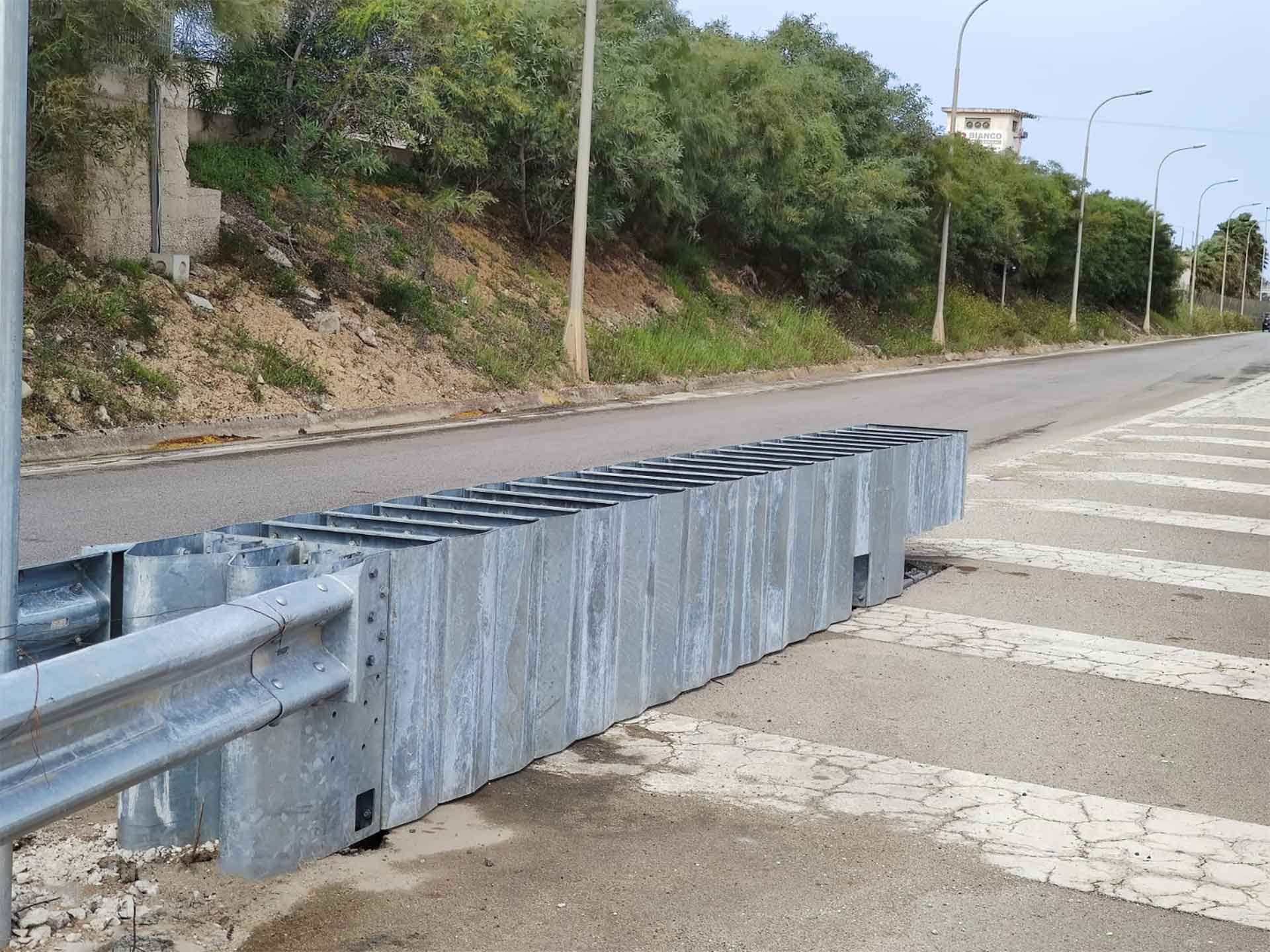
When talking about vehicle containment systems, the first thing that comes to mind are safety barriers and parapets. These linear elements are installed on the edges of roads to prevent vehicles from leaving the road and causing serious accidents. Although these are the first that come to mind, there are also other types of vehicle containment systems, such as impact attenuators, transitions between systems, barrier terminals, removable barrier sections and protection systems. of motorcyclists.
All of these systems are regulated by different European regulations that establish the requirements that must be met to be classified in one of the categories contemplated by said regulations. In the case of transitions and barrier terminals, the reference standard is UNE-ENV 1317-4:2002 and in this article we want to talk to you in a little more detail about the changes that are to come.
This standard, which has been in force since April 30, 2002, has never been harmonized by UNE-EN 1317-5:2008+A2:2012. This means that any Transition or Terminal that meets the tests specified in said standard will be accepted, but will not have the CE marking. Therefore, this standard is voluntary and there is no clear impulse on the part of the administrations to require this type of products evaluated under the protection of this standard.
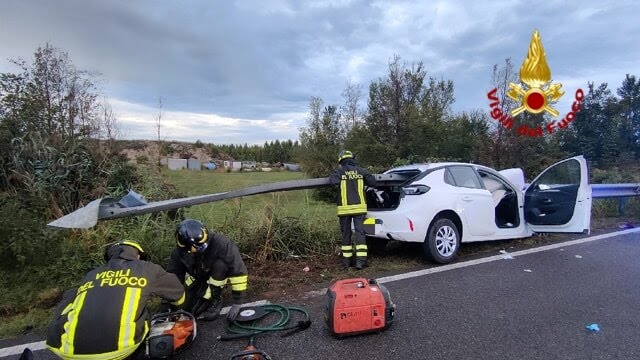
This situation gives rise to points on the State Highway Network that are not well resolved and that can cause serious accidents.
The need to modify this regulation
The European standardization committee “CEN/TC 226/WG 1 – Crash barriers, safety fences, guard rails and bridge parapets” is responsible for preparing regulations relating to the field of vehicle containment systems. The CTN 135 Road Signage Equipment Committee hangs directly from this committee. SC1 Safety Barriers, of which the Metalesa team is a member.
For years, work has been going on within TC226 to modify the UNE-ENV 1317-4:2002 regulations to somehow remove the vehicle containment systems it regulates from the regulatory block. However, to date this task had not been achieved successfully as it was a complex task.
Transitions and terminals, by definition, connect to other systems. A transition is a longitudinal section that joins two systems, such as barriers or parapets, using special pieces that guarantee a logical transition of rigidities. A barrier terminal is a point system, such as an impact attenuator, that connects to a barrier or parapet. Therefore, the evaluation of a barrier terminal involves evaluating the connection between the barrier or parapet and the terminal, which is equivalent to evaluating a transition between systems, even if one of them is not a barrier or parapet.
When it comes to harmonizing these systems under the same standard, there is a big step that must be overcome: there are a multitude of barriers, parapets and terminals on the market that, as we have said before, comply with the regulations but do not have CE marking, which which makes it tremendously complex to establish clear rules to evaluate them and not limit free competition.
New regulations on transitions and barrier terminals on the way
Once the variability in this type of products is understood, it is understood how complex it is to regulate them, however, last June the deadline for voting in TC226 ended. This vote examined the publication of reports and technical specifications that establish the evaluation methods of each of these systems separately and facilitate administrations in establishing criteria to demand the different benefits of the systems, definitively separating them from the marking. EC.
The new regulations of these systems would be as follows:
- Barrier terminals are regulated by FprCEN/TS 1317-7. It is a technical specification, so every 3 years it is decided whether it becomes a standard to be harmonized and be able to have the CE marking.
- Transitions are regulated by FprCEN/TR 1317-10. In this case it is a Technical Report, that is, it does not have to be reviewed at any time, being a declaration of intentions regarding the fact that the transitions will not have CE marking.
With this change in the paradigm of the regulations of Barrier Terminals and Transitions, administrations no longer have to demand a CE marking that could not be obtained, since UNE-ENV 1317-4:2002 is repealed.
Finally, it should be noted that now it is the turn of the administrations to pick up the gauntlet and establish what tests or requirements are required for this type of products to be installed on the roads they regulate. Some administrations, such as the French one, have already championed this change and have requirements aligned with the new regulations.


United Nations World Road Safety Week
Like every year, the third week of May marks the United Nations World Road Safety Week, an event that wants to put in the spotlight the various dangers that exist on the roads to create awareness, thus serving as a loudspeaker for developing regulations that help reduce incidents and save lives.
Last year, a campaign was launched under the slogan #StreetsForLife #Love30. The goal was to create residential urban areas with a speed limit of 30km/h, thus contributing to make cities safer, more ecological and suitable for different mobility models, vehicles, scooters, bicycles and VMPs.

This was the first of many campaigns that have been planned as part of the Decade of Action for Road Safety 2021-2030. This action plan is part of the 2030 Agenda for Sustainable Development, a worldwide voluntary action plan agreed upon by the Member States of the United Nations to protect the planet and all of us who inhabit it, and which seeks, among many other sustainability objectives, to be able to prevent at least 50% of traffic accidents by 2030.
This is more urgent than ever because recent studies speak out about worrying trends. According to Fundación Linea Directa, "the urban accident rate among vulnerable users could worsen, causing up to 5,500 deaths in Spanish cities by 2030, which represents an annual increase of between 30 and 50%". Among the main arguments that the study exposes are the massive deployment of bike lanes in urban environments, the popularity of VMPs, or the lack of social awareness of sustainable mobility.
The new models of urban mobility, a new need
Within the objectives of the 2030 Agenda, special emphasis is placed on the concept of Sustainable Cities: large human settlements in which resource consumption is sustainable without harming air quality. This is why in recent years awareness campaigns have been designed towards more sustainable mobility inside and outside urban areas with the creation of Low Emission Zones and the expansion of pedestrian and bicycle lanes.
With all this, new means of personal mobility have emerged and regulations have become obsolete or have had to be adapted, thus giving rise to new needs in road safety systems.
First approved parapet with active safety
Metalesa's mission is to protect people, it is to save lives. Uniting this purpose with this context of new mobility in urban environments, the idea arose of creating the new Metaurban® SMART, the first parapet with active road safety, that is, it not only passively waits to contain an accident, but also prevents these happen through intelligent signage.
The development of this new product responds to society's growing need to have approved products as a guarantee of quality for urban and peri-urban areas, while taking advantage of new technologies and the deployment of 5G communications to bring containment to a new dimension as smart products.


It is a system fully aligned with the new trends in infrastructure management: security, sustainability and connectivity.
- It guarantees safety because it has been tested on a real scale as certified by the CE marking.
- It promotes sustainable mobility by making the new infrastructures in cities safer and friendlier.
- It is connectable because it integrates PLUG&META® technology, which not only waits for the accident to happen, but also identifies risk situations, and acts by alerting road users through signalling, minimizing the probability that these accidents will happen. Up to 10 functional scenarios have been developed, for example, accident warning, pedestrian presence, excessive speed, traffic jams, or bad visibility warning, among others.
It is a totally innovative parapet because, as can be seen, in addition to containing it in the event of an accident, it prevents these from happening, and also collects data and informs the municipal authority of all those events that are desired, from quality data of air, counting or multiple statistics of events detected by the sensors incorporated in the parapet.

The system is modular, in such a way that SMART technology can be incorporated only in that section where there really is a special need, and the rest can be a traditional containment system that is 100% safe before leaving the track.
And all of this can be managed remotely thanks to the management platform accessible from any device.
In this way, a traditional containment system has evolved into a new traffic management and urban mobility and information service for the city.
The Metaurban® SMART parapet represents a breakthrough in the urban equipment sector, prompting the imagination of how the IoT can transform static elements into active digital members of the smart city ecosystem.
Our goal is to improve people's quality of life, focusing our efforts on offering a range of technologically advanced security and protection solutions. If you want to know a little more about this technology, visit our new microsite.
International Noise Awareness Day
Today is International Noise Awareness Day, a day to contribute in making our society understand the importance of reducing noise for our health and the environment.
Noise is usually defined as «Inarticulate sound, generally unpleasant». Today we live with noise everywhere due to the noise pollution produced, among others, by vehicles. The noise pollution to which we are exposed in our day to day life can cause serious consequences such as hearing loss, sleep disorders or cardiovascular diseases. Cities are taking more and more measures against these annoying sound, however, there is much work ahead, and other facilities such as airports, sports stadiums or auditoriums also need solutions to isolate noise
To reduce noise in urban spaces, we have a wide range of products that will combine with each space according to its style. Acoustic screens are an efficient and aesthetic solution that can be used in any of the cases.
Metagreen acoustic screens
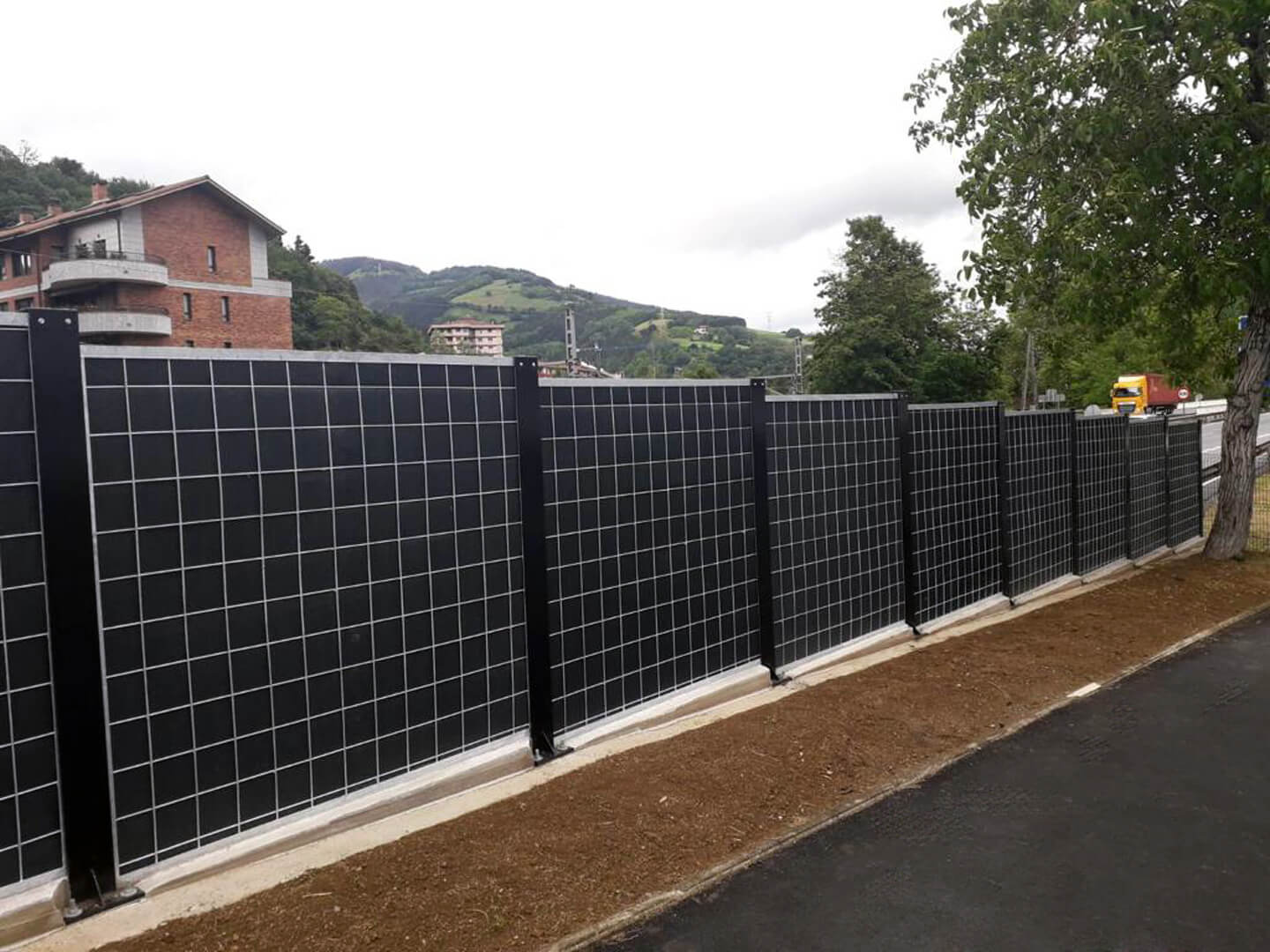
These screens are our most sustainable acoustic screens and not only they perform their job against noise, but they also contribute to sustainability thanks to their built-in vegetation and the use of recyclable materials in their manufacture. Vertical Garden Concept.
These are screens made up of an interior of rock wool as the main material to absorb external noise and an exterior of micro-perforated plastic mesh thanks to which vertical vegetation will grow.
These screens offer an ecological and natural appearance, perfect to be installed in urbanizations and private areas where they will give the appearance of a vertical garden. Its galvanized treatment offers a long durability of these screens that insulate and absorb noise magnificently.
Methacrylate acoustic screens
Acoustic methacrylate acoustic screens are ideal for not losing light and ensure a visual sensation of spaciousness. It is an insulating panel that consists of a polymethacrylate sheet in a structure made up of synthetic rubber gaskets.
The methacrylate panel configuration achieves maximum insulation. It integrates with the landscape thanks to its transparency and/or colors. These screens can be combined in the personalized model with other materials, achieving a product that completely adapts to the aesthetics of your city.
Metawood acoustic screens
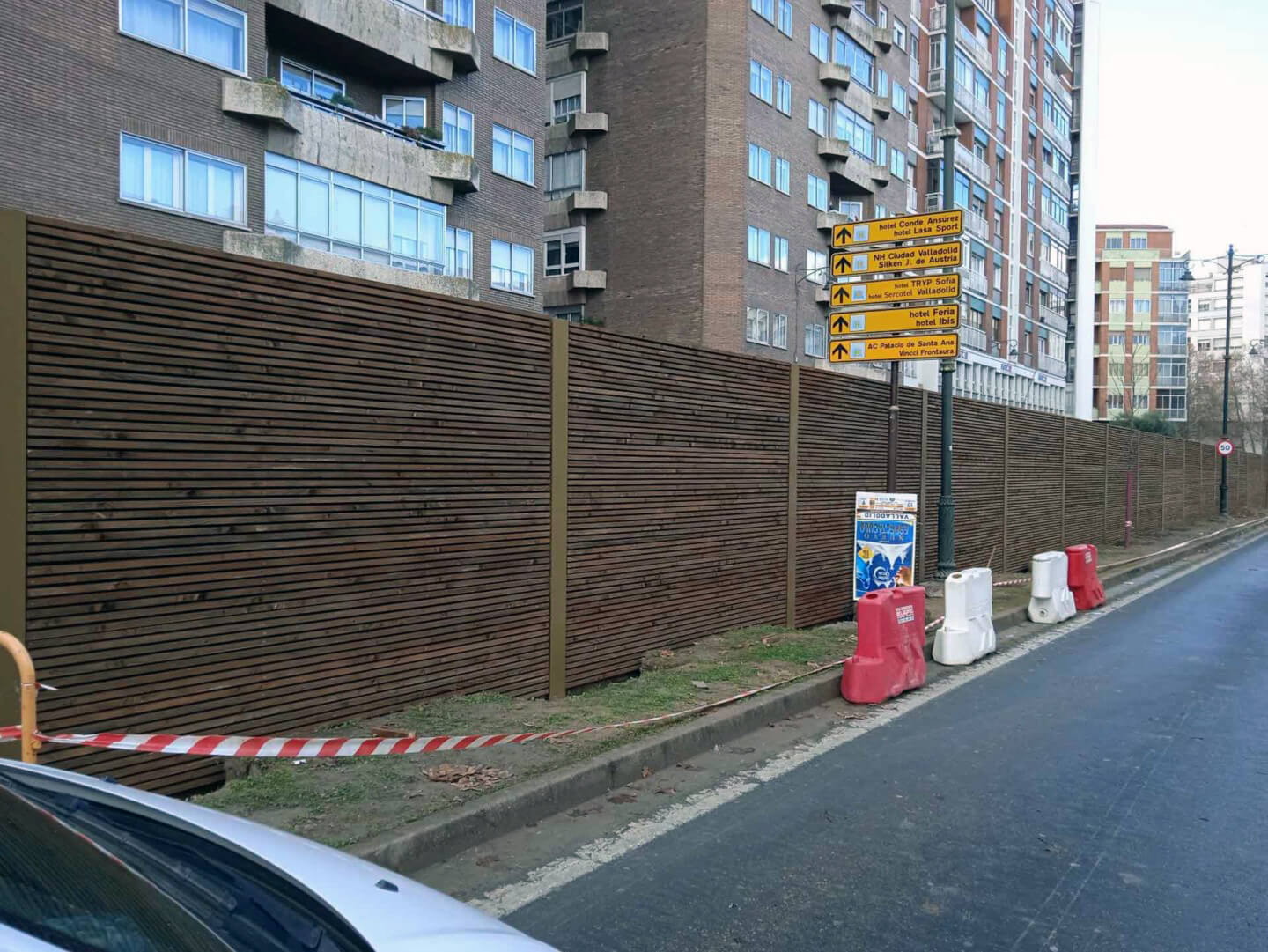
Wood also offers a touch of nature like Metagreen screens, but they can also be combined between wood vertically and horizontally to achieve different aesthetic effects.
Metawood screens have rock wool to isolate sound as well as a black protective veil that protects the panels from erosion and moisture.
Wood acoustic screens provide excellent insulation and maximum absorption. Its wooden aesthetic integrates perfectly with the landscape and the treatments they require are respectful of the environment.
Concrete acoustic screens
It is made up of a double layer of reinforced concrete structure and sound-absorbing porous concrete. These concrete acoustic panels can be the color of the concrete or painted smooth or with decoration.
It has good acoustic absorption. Isolates sound excellently. It is a very durable structure with low environmental impact, recyclable and without waste.
Customized acoustic screens
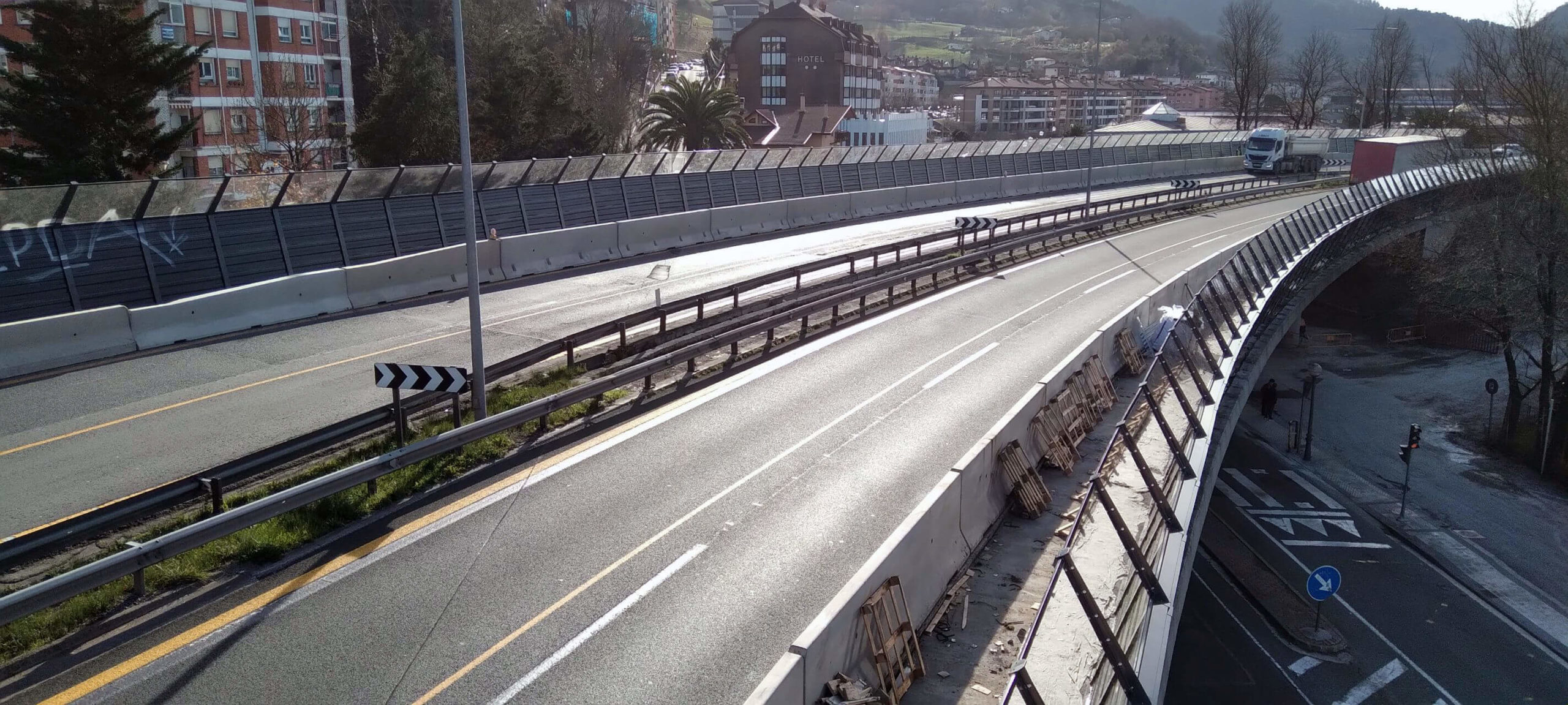
We can also create personalized noise barriers by combining different panel models, being able to design acoustic screens completely to the client's taste and adapted to the needs of each space.
It must be taken into account that the product that really performs the absorbent function is the rock wool housed inside, so the exterior can be designed to fit aesthetically with the space without affecting its properties.
These solutions that we describe for urban areas are applicable to isolate traffic noise on highways, where the installation of steel or aluminum acoustic screens is more common.
Steel or aluminum acoustic screens
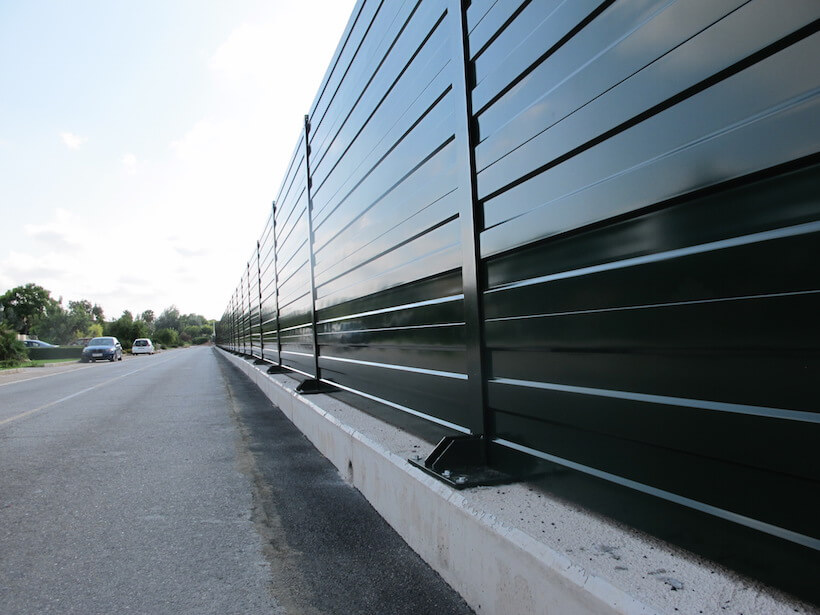
Both the steel and aluminum acoustic screens are made up of a noise-absorbing layer, an inner layer of rock wool that isolates this noise, and the reflective layer so that the remaining noise does not pass through, but bounces back. Finally, to guarantee this acoustic performance, these panels are closed with polypropylene side covers.
They are a fantastic option for their insulation and absorption capabilities. In addition, they integrate with the environment thanks to their various designs and available combinations. Being a modular structure they are light and easy to install. They are also resistant to wind loads and rail traffic overpressure, a performance accredited in laboratory tests.
Acoustic screens can be temporary or fixed and the installation varies according to type. Among all the solutions that we offer in Metalesa, a previous acoustic study will always be assessed to guarantee the best solution against noise that adapts to the needs of the space. You can compare our screens in the product comparator or contact us, we will be happy to help you.
Message from Metalesa in response to Coronavirus Crisis
First of all, from Metalesa we convey our most sincere support and affection for those who have been affected by the Coronavirus. We have mobilized all our resources to face all potential impacts on our employees, customers, suppliers, as well as other stakeholders.
From a manufacturing point of view, we continue to produce following even more secure procedures, while working closely with our clients to understand their needs. We are handling this dynamic situation from the permanent adaptation approach that characterizes us.
Metalesa is actively managing this new situation committed to keep our employees safe, and to continue serving our customers’ needs worldwide, always following the guidance of the authorities.
For this reason, we have joined the #EstoNOtienequePARAR initiative, a movement that is born from the will of the companies to do as much as possible to continue contributing to our environment.
LET'S GO FORWARD.

We are commited to sustainability: Thermal-lacquered Installation and Wastewater Treatment Plant
At Metalesa we have always opted for sustainable development when carrying out all our processes; it is part of our business philosophy and we are very proud of it. The truth is that sustainability is central to the objective of satisfying the current needs of society; it's about reaching that goal with a committed gaze. In this article we want to let you know how at Metalesa we take care of ensuring the well-being of our planet: we will talk about the thermo-lacquering installation and our zero-discharge treatment plant.
As a starting point, we would like to remind you that in our post on Smart Cities we explained our vision regarding the concept of 'Smart City'. One of the features that characterizes Smart Cities is sustainability. At Metalesa we take on the challenge of innovating in the field of urban infrastructure and equipment, performing good resource management and advocating for sustainable social, environmental and economic development.
Thermo-lacquer: sustainable powder coating
The thermo-lacquering process developed in our facilities consists of applying a powder coating to a metal part that has been previously prepared, to be subsequently cured in the polymerization oven. Powder coatings provide a wide range of advantages over conventional paints, offering greater resistance to corrosion, heat, shock, torsion, abrasion, deterioration due to exposure to sunlight and adverse weather conditions.
Phases of the thermo-lacquered process over surfaces:
Phase 1: Pre-treatment
It consists of applying a treatment prior to the powder painting process that prepares the metallic elements to facilitate the adhesion of the paint and ensure a higher quality and durability anti oxidation.
Phase 2: Drying
The metal pieces are placed in an oven (drying tunnel) at high temperatures to remove moisture and prepare them for later lacquering.
Phase 3: Painting Booth
For parts up to 7.500mm long, the process is performed using automated robots and touch-up guns for an excellent finish.
Phase 4: Polymerized oven
Once the powder layers have been applied to the pieces, a heat treatment is carried out by introducing them in the oven at temperatures up to 220 ºC
Advantages of Thermo-lacquering Treatment
As we have already mentioned, its resistance to corrosion is one of the great advantages of this type of painting process since it increases the durable life to the pieces. However, this is not the only advantage of thermo-lacquering that is worth highlighting:
- Panel coatings finishes are very attractive. Screens can be lacquered in any of the colours of the RAL range, a code that defines a colour using a set of digits.
- The thermo-lacquering process is very environmentally friendly since it is a clean coating: the powder paint does not contain solvents, and the powder that does not remain attached to the piece during the treatment can be recovered for reuse. In fact, the use of this excess dust can be up to 98%, so that the generation of waste is greatly minimized. At Metalesa we use thermo-lacquering in order to be respectful with the environment.
Applications of thermo-lacquering in Metalesa
The cladding of facades with thermo-lacquer panels is a growing trend because of the advantages it presents. Our steel or aluminium screens for noise pollution are treated in our thermo-lacquering facilities.
These types of anti-noise screens also serve our goal of facing a global concern of the planet, noise pollution. This problem affects both people and the environment, and that thanks to our acoustic screens it can be effectively reversed.
Zero Discharge Treatment Plant: towards optimization
Metalesa is committed to preserve the environment, controlling waste and using products with a low level of contamination. That’s why we have a treatment plant with Zero Dumping technology. Thus, current environmental legislation is complied and commitment to continuous improvement acquired.
Thanks to our zero discharge treatment plant, we achieve one of our environmental objectives: we contribute to the recovery of aquifers by reusing water in our industrial processes, minimizing the amount of water used and optimizing our resource consumption.
Within the theory of the circular economy model, the reuse of water is seen as a novel perspective for the implementation by companies. However, at in Metalesa we have always counted on a zero discharge facility to comply with our sustainable purpose. And such will we continue to implement the most cutting-edge measures at our reach!

If you believe in our way of doing things during our long history and need our services, do not hesitate to contact us.
METALESA, heading towards international success
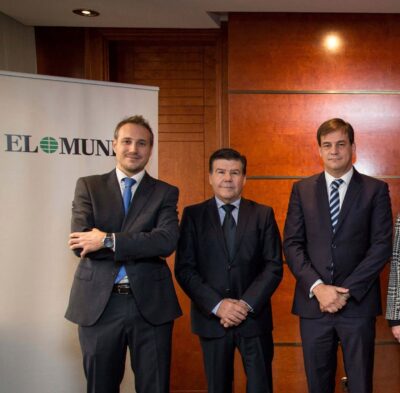
On the occasion of the first Opportunities for internationalisation meeting organised by Cajamar and El Mundo, César Valero, Deputy Director at METALESA, gave an interview along with directors from other companies of the Valencian Community. They contributed their outlook and experience on the keys, challenges and risks of internationalisation to a company.
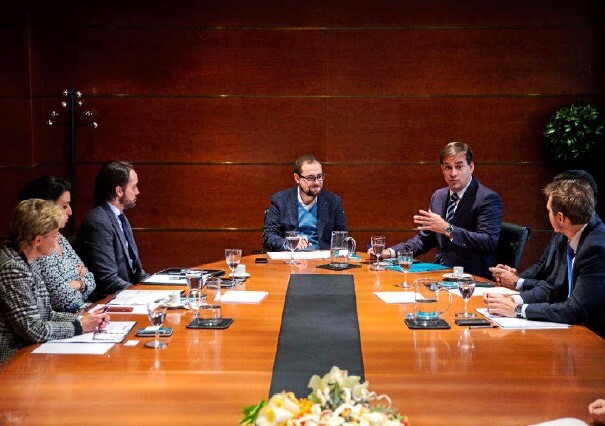
Among other ideas, the experts commented that the circumstances may be more favourable or less so depending on the country in which you want to expand, and that the market and legal contexts should be studied in detail. César Valero stressed the importance of hiring people that enable the organisation to compete in a more demanding environment. He also pointed out that the company’s size is not the only determining factor in internationalisation, but did recognise that in sectors such as public works it is a great help to be more competitive.
The interview highlighted the progressive growth of METALESA in France and its countries of influence, which requires great strides in self-discipline to provide a quality service.
Other topics discussed were the importance of seeking expert advice on the target market, opening up to foreign partners and the financial muscle to undertake a process that may take time to produce results. Read the interesting interview about international success in full.
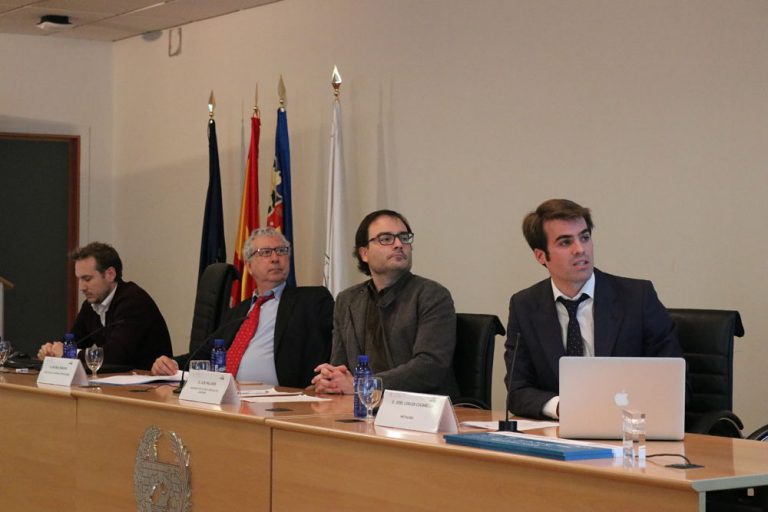
Awards ceremony for the 1st METALESA Awards for the best Final Degree Project in the UPV’s School of Civil Engineering.
During Engineering Week of the UPV’s School of Civil Engineering (SICMA 2018), METALESA held an event on Wednesday 28 February to announce the winners of the 1st METALESA Awards for the best Final Degree Project.
This initiative is part of the Metalesa Talent Platform, which arose from our company’s commitment to promoting endeavour and talent amongst new generations of engineers.
The jury, composed of several of the School’s lecturers and members of METALESA, valued the excellence of two works that stood out for the originality of their approach and the rigour of their execution. The first prize went to Adrián Santes Genovés for his “Study of solutions for the location and design of a space to practice longboard in the province of Castellón” and he was awarded €1,200. Second prize went to Manuel Buitrago Moreno who was awarded €600 for his analysis of “Maritime terminals and logistics chains for liquefied natural gas (LNG). Assessment of future needs in Spain”. Both the School and the company appreciated the enthusiasm of all participants and the quality of the work presented.
The event was attended by Mr Antonio Sánchez, a Civil Engineer, and Director of the company ESMOVibilidad, who spoke about his vision and experience on a topic that is ever more at the forefront in big infrastructure construction projects in our country, “Road safety audits in preliminary and project phases. Experiences of implementation in Spain”.
METALESA hope these awards will run annually with new editions that continue to unearth students’ talent and offer them a real experience of the civil works sector.
[carousel_slide id='5074']
METALESA is an INNOVATIVE SME
METALESA has received recognition from the Ministry of Science, Innovation and Universities for its continuous effort in R&D with the INNOVATIVE SME stamp.
Our company has a long history of innovation, evidenced in a modern and dynamic catalogue of products and services. Every year, our team develops new ideas and brings them to the market in line with our mission to provide society with safe and high quality products.
This effort is being rewarded annually with the attainment of Reasoned Reports issued by the Ministry of Economy and Competitiveness, which shows real investment in technologically advanced and challenging projects that position us as a leading company in Europe.