




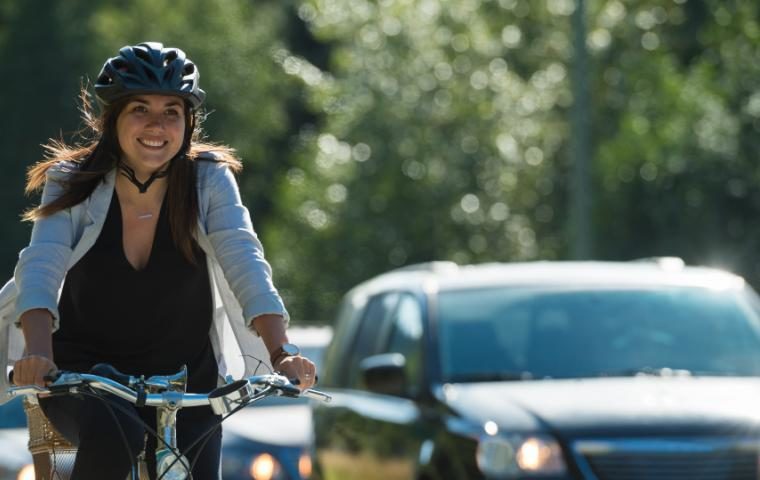
Safety in urban areas and on the cycling lanes
As experts in Road Safety, one of our tasks should be to promote greater awareness about the safety of people, both in urban areas and on roads. In this sense, although our products are intended to make people’s lives safer, at Metalesa we intend to go further and we want to do our bit in this ongoing process of awareness.
In today’s post we talk about the safety of cyclists when they circulate through urban areas or roads. Undoubtedly, it is one of the most vulnerable groups that suffer too many accidents, which is a problem that must be solved.
To start with, here there are some figures. In 2014, 75 cyclists died on Spanish roads, in 2015 there were 55 and in 2016 it was reduced to 33. Having said that, although the trend of cyclist accidents seemed to be decreasing in the last five years, the truth is that in May 2017, these figures were already doubled, and in 2020, 36 cyclists lost their lives, a surprising number after long months of confinement.
At the beginning of the article we mentioned that our products are intended to ensure safety. However, people must also do their part to achieve this goal. Here there are some useful tips for both cyclists and drivers to ensure the safety of those both in urban areas and on roads.

Everything a cyclist needs to know to ensure their safety
Although there may be external factors that endanger their safety, it is important that the riders know how to protect themselves:
- To know traffic regulations, and therefore, what you can do and what it is forbidden on the road will allow them to be more aware of the dangers.
- If there is no bike lane on the road, it is preferable to travel on roads with a wide shoulder, much better if they are little traveled.
- The use of conspicuous clothing is recommended to make themselves more visible. Here we also include the helmet color, which is mandatory.
- Check wheels, brakes and lights from time to time. Something as fast as a simple check-up can save a rider’s life. Regarding the lights, it is important to note that they should be used both at the front and at the rear in low light hours. In addition, it is mandatory to turn on the lights when driving through the interior of a tunnel, whatever time it is.
- Use of the rear-view mirror. This device is less common than it should be. Rather few cyclists decide to attach a rear-view mirror to their bicycle, but it is undoubtedly a very useful component to increase safety, and cheap indeed.
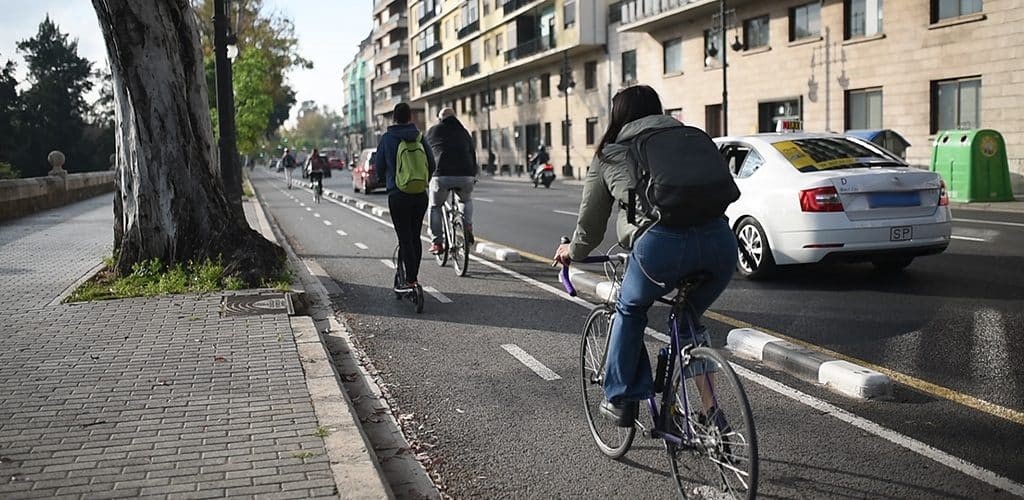
What must a vehicle driver take into account to ensure the safety of cyclist?
- It is important to bear in mind that, when passing a cyclist, the air displaced by the vehicle can throw him off balance. Therefore, when overtaking, at least 1.5m of lateral space must be left as a safety distance.
- If cyclists are observed, slow down and be extremely cautious.
- The horn should not be used to warn the cyclist of the presence of the vehicle because it can scare, distract and cause them a fall.
- It is very important to know when cyclists have priority. For example, a group of cyclists has priority when they have started a crossing or entered a roundabout.
- Only with greater respect for the priority of passage and the safety distance could the number of cyclist victims be significantly reduced.
We are aware that these are quite obvious pieces of advice, but it is not a bad thing to remember them considering that, statistically, most accidents occur precisely because of not complying with these simple tips.
Road Safety Improvements for cyclists through urban planning
Not only are people becoming more and more aware, so are cities, orienting their planning towards more efficient models, both in terms of safety and sustainability. In this sense, the promotion of urban mobility through the use of bicycles entails an ambitious urban reorganization that involves the implementation of cycle lanes. In fact, we are seeing that the cities deploy every day more kilometers of bike lanes.
How do we guarantee the safety of cyclists from Metalesa?
Protection is our goal. That is why we design and manufacture road safety products specially designed for this.
Our M009 cyclopedestrian railing is a restraint system for cyclists that cannot be absent in urban areas or on roads to reduce the accident rate of cyclists.
It is located at the ends of bridges or crowning walls to prevent pedestrians and cyclists from falling into the void. It differs from a normal railing in its height, between 1.3 – 1.5 meters, which prevents cyclists from exceeding it, which is perfectly possible with traditional railings for pedestrians up to 1 meter high.
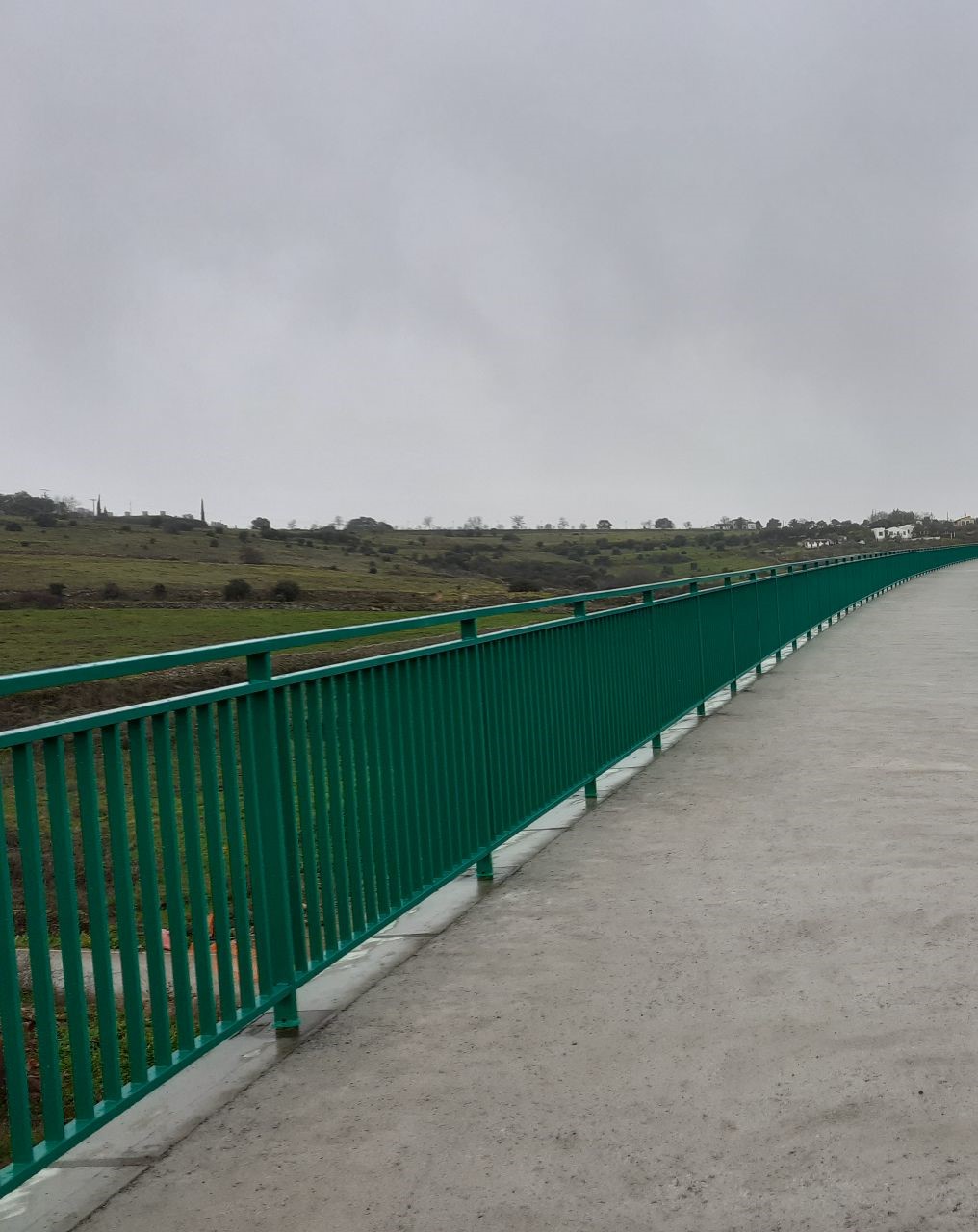
In addition, all the components of the railing are protected against corrosion at the customer’s discretion: hot galvanized, thermo-lacquered or both treatments at the same time.
The thermo-lacquering allows to facilitate the aesthetic integration of the cyclopedestrian railings with the environment, since we can paint them in any color from the RAL chart.
In a previous post we made reference to how 5G technology in cities can help ensure maximum safety. Perhaps a day will come when cyclists will cease to be a vulnerable group thanks to the development of tools based on wireless connectivity. However, at Metalesa, we obviously support technological progress and the great advances that it can bring to road safety, but we also want to take advantage of it to call for the responsibility of each one. Safety is everyone’s business!

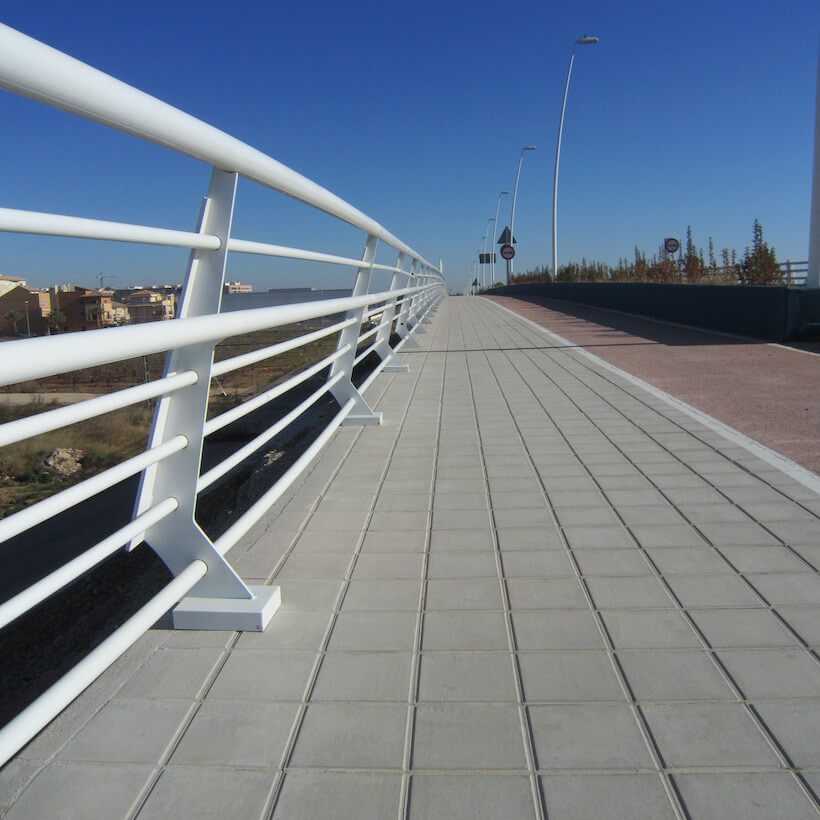
Discover our solutions in Railings
Protection is our goal, that has always been our motto and the purpose for which we work. This translates into offering the best protection systems to society, whether in our immediate environment, or in the countries where we market our products.
In today's post we will specifically talk about our range of handrails, intended for various functions, from pedestrian protection, limiting passage areas in railway infrastructures, to install on bridges and viaducts acting as a barrier to avoid unwanted falls, supports in stairs, and many others.
Guardrail types
Barandillas de acero Steel railings
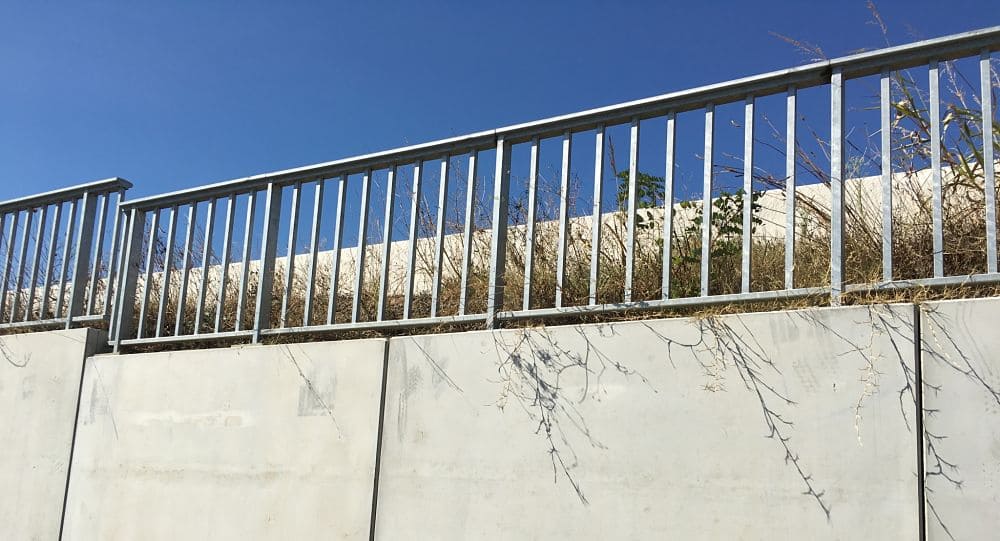
Steel railings are pedestrian restraint systems, which are installed in urban areas, railways, or on highway bridges. It is important to note that they are not designed or tested to contain vehicles, for that are the META13 and META16 metal parapets.
The steel railings are easy to install and, if the client so requires, they can be integrated with the landscape thanks to the wide variety of models, finishes and thermo-lacquered colours that we offer in our catalogue.
In our catalogue, you can find a wide variety of models that we manufacture as standard and of which we usually have stock.
Stainless steel railings
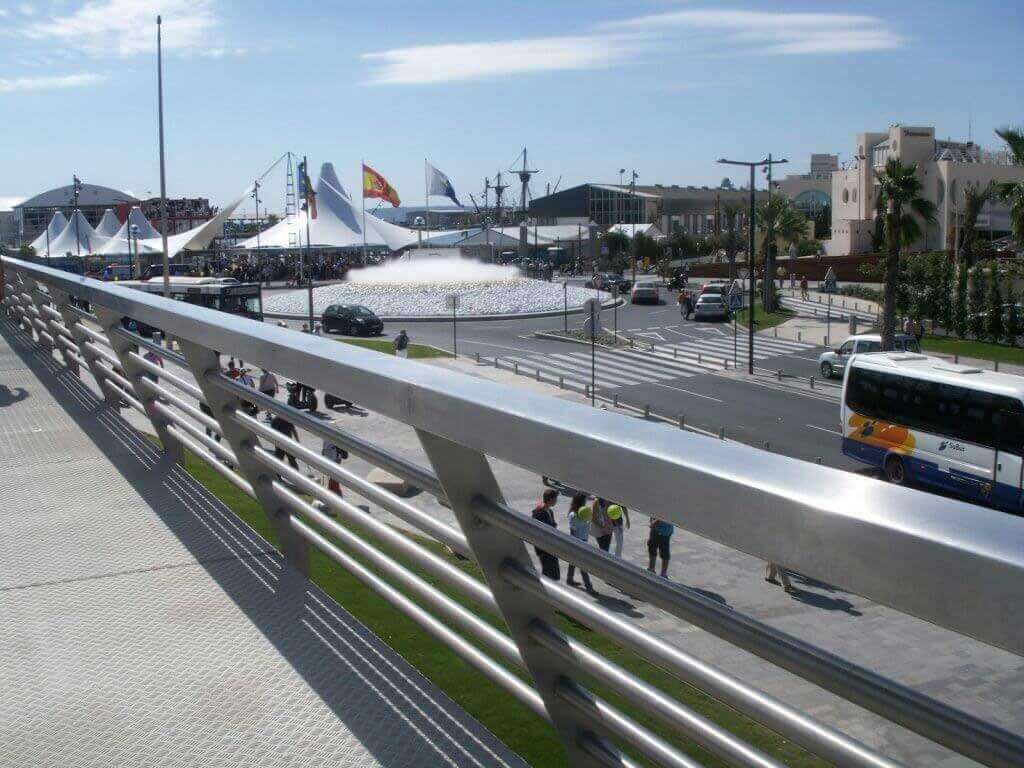
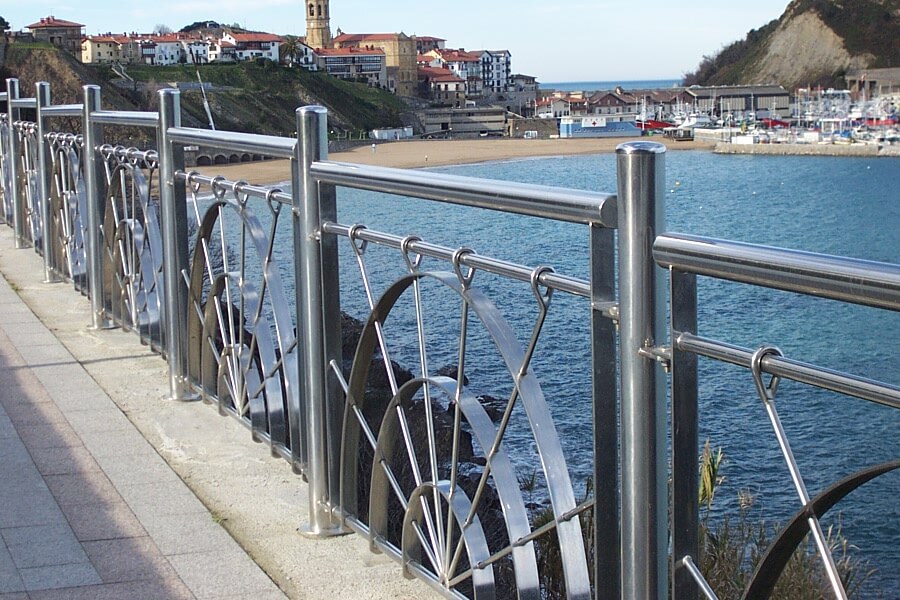
Stainless steel railings are also used to ensure safety in areas where people pass by in infrastructures, for example, in train or metro stations. But their aesthetic appearance makes them very appropriate for any type of urban area or for private facilities such as industries or shopping centers.
Although the most common railings consist of handrails, cross bars and vertical posts, we have at our customers' disposal a wide variety of models with very attractive unique designs for all types of environments. In any case, we are always open to making custom designs to order if the client so requires.
Stainless steel railings stand out for providing a modern look in any environment and, furthermore, one of their great advantages is their durability and the almost absence of maintenance and cleaning.
Railings with steel cable
Without a doubt, the railing with steel cable is an elegant option. The steel cables give a modern touch to the environment, increase visibility through the railing itself and facilitate its integration in any place given its minimalist profile.

Railings with perforated sheet
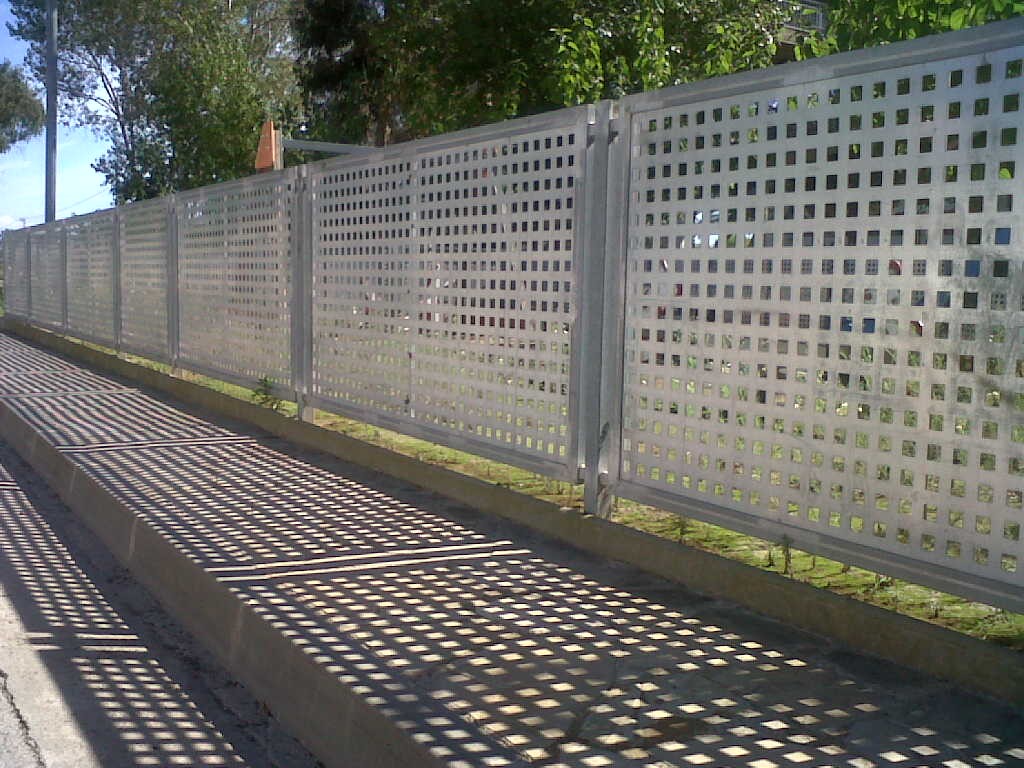
In the same way as metal railings with steel cable, railings with perforated sheet metal also present a very attractive appearance for installation in cities, since they can be manufactured with any perforated design in the material. Depending on the type of perforation, you can create a design that provides safety to the pedestrian without sacrificing aesthetics in streets and railway areas.
Anti-Corrosion treatment in our Railings
At Metalesa, all the railings that we design and manufacture follow current regulations and the highest quality standards. Since they are products destined to remain mainly in the open, being victims of the adversities of the climate and the passage of time, all our railings are subjected to anti-corrosion treatments that make them very resistant to all types of environmental aggressions. All our railings can be finished in thermo-lacquered, galvanized, or both procedures combined to offer greater resistance to weather conditions.
Thermo-lacquered in Railings
The thermo-lacquered finish is especially suitable for railings that are outdoors. A powder paint coating is applied to the pieces that make up the railing and they are placed in the oven at 220º to seal all the pieces. With this procedure, finishes with a plasticized look are achieved and with the possibility of providing the railings with finishes with different colors.
Hot dip galvanized in Railings according to ISO 1461
Galvanizing is a finishing technique which applies extreme heat to iron or steel pieces to immerse them in molten zinc at 450º. When immersed, this coating is applied both inside and outside the piece, thus offering a complete coating on the entire set. Thanks to this procedure, the railing is sealed and more difficult to rust, being resistant to environmental humidity, extending the useful life of the product in coastal environments.
Galvanized and Thermo-lacquered on Railings
If you want a complete coating, we can apply both finishes. First, zinc galvanizing is applied to the pieces to cover them both indoors and outdoors and then thermo-lacquering is applied to offer a second powder paint coating to give the piece a touch of color. In this way we can manufacture parts that are resistant in the most aggressive environments.
En el caso que estés buscando soluciones de barandillas de acero para ciudades, puedes contactar con nosotros y nuestro equipo comercial podrá darte una solución que se adapte a tus necesidades. Además, también fabricamos barandillas de acero a medida que se adaptan a las necesidades del entorno. ¿Hablamos?
In the event that you are looking for steel railing solutions for cities, you can contact us and our commercial team will be able to give you a solution that adapts to your needs. In addition, we also manufacture custom steel railings to suit the needs of the environment. We speak?
Transitions and Terminals: Innovative solutions for black spots
Roads shorten distances and bring people closer together. That’s why it is so important to ensure their safety as much as possible, so that they reach their destination safely, be it their work, their family or their friends. The different national, regional and local administrations keep the main black points of our roads identified and updated, and from Metalesa, we have been participating in a number of projects that aim at providing safe solutions to these specific locations for many years. A clear commitment to remodel our roads includes equipping them with new infrastructures that fulfil the purpose of ensuring road safety. In this scenario is where we act.
Cullera-Favara Section: One of our latest Road Safety projects
During the last two years, work has been done in Cullera on the construction of a section that will undoubtedly represent a milestone for the improvement of the communication routes in the area.
As José Luis Ábalos, Minister of Transport, Mobility and Urban Agenda points out, "this action will translate into an improvement in road safety by creating an alternative route to that of the current national highway as it passes through both towns."
The truth is that residents have been demanding the completion of this infrastructure for a long time, and finally, they will be able to count on the Cullera and Favara bypass, a section included in the A-38 corridor, which represents the largest investment in this matter of infrastructures that the central government has never carried out in the Valencian region of Ribera Baixa.
Metalesa in the project: installation of transitions and terminals
At Metalesa we have been in charge of installing more than 15,000 meters of META16 metal parapet with containment level H3. We invite you to sit down to enjoy this impressive video where you can see the result of so much work.
https://www.youtube.com/watch?v=zd_MFsbvDIk
But the objective of this article is to present the transitions and terminals, other road safety products that are very unusual in Spain, but undoubtedly essential on the roads, and which will become more widespread as soon as our leaders and public administration technicians acquire greater sensitivity for the situations they avoid.
Blackhead removal with transitions and terminals
The black points or accident concentration sections (TCA) are sections of the road network in which a large number of traffic accidents occur each year.
From the Cullera City Council, they affirm that this work "was of vital importance to prevent more people from losing their lives." In addition, Oro Azorín, mayor of Favara, also believes that it will offer the town a great increase in road safety.
Municipal sources in Cullera also assure that it is good news for the entire Valencian Community because the black spots on the roads that have suffered, especially the populations of the coast, are being eliminated.
Transitions for roads
The installation of transitions for roads allows the union between containment systems of different nature, that is, it connects two safety barriers of different cross section or different level of containment, such as a metal parapet and a New Jersey-type concrete barrier.
At Metalesa we have an approved Transition designed in a versatile way, that is, it allows us to connect both our META13, containment level H2, and our META16, containment level H3, to a contiguous concrete barrier.
It is a device designed and manufactured entirely by Metalesa, and approved according to the French standard NF-058, which implies that the transitions that we install have been shock tested on a full scale according to said standard. We are the only Spanish company that has tested transitions between different containment systems on a full scale because we have decided to be ahead of our competition. We believe that the French standard represents the future of what the European standard will establish, which is currently being drafted by the standardizing technical committees to which Metalesa belongs.
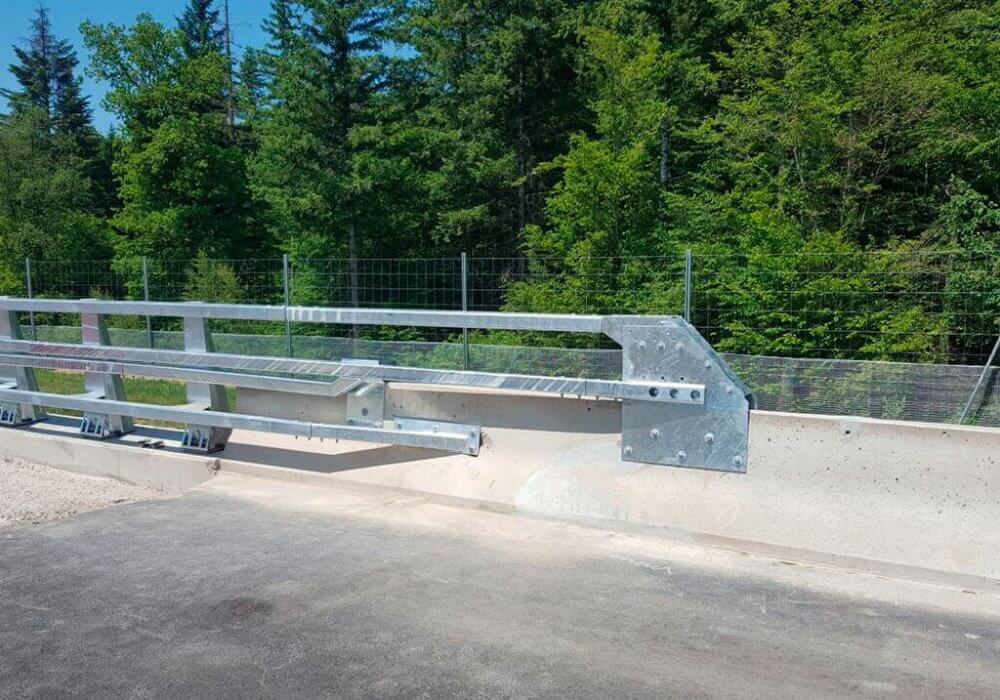
What are the advantages of installing a highway transition?
- System reliability: In the event of a side impact of the vehicle, it behaves like a conventional metallic barrier, thus guaranteeing the containment and adequate redirection of the vehicle.
- Easy to repair and repair parts available from stock.
- Anti-corrosion treatment: We offer various finishing options for road transitions, both hot-dip galvanized and thermo-lacquered, as a treatment that combines both processes.
Road Terminals
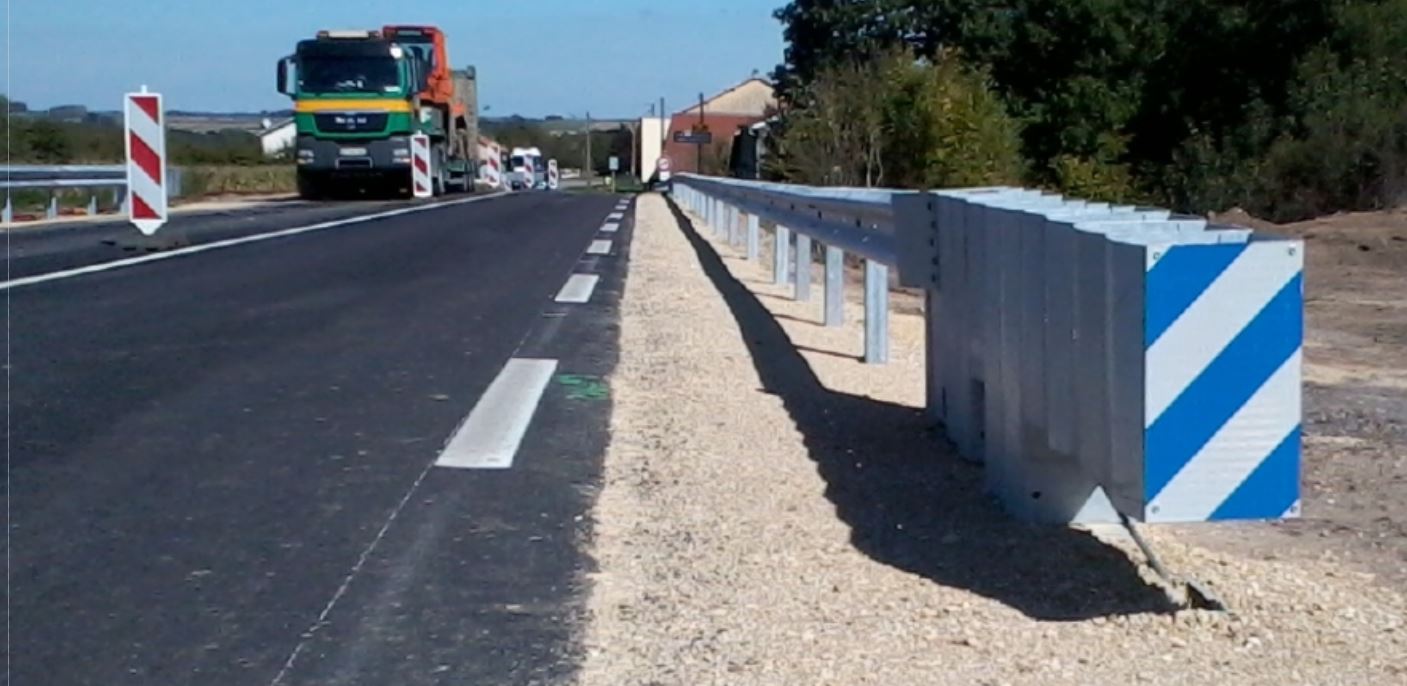
Highway terminals are placed at the ends of containment systems such as parapets or metal barriers, to ensure greater safety against a frontal impact with said completion. We have a wide range of models with different characteristics and certificates, all of which have been tested by means of tests in an accredited laboratory according to the EN 1317 standard.
We offer supply and installation of three models:
Model T50 - 50KM/H
This terminal is ideal for urban environments, in areas whose maximum permitted speed does not exceed 50 km / h.
Model P2 - 80KM/H
Terminal P2, unlike Model T50, is used on highways, where the permitted speed is not higher than 80Km / H. We have several designs of road terminals.
Model P4 - 110KM/H
This terminal is also designed to be installed on highways, but on high-speed roads. We have several homologated models of anchoring to the ground, both for concrete and earth ground.
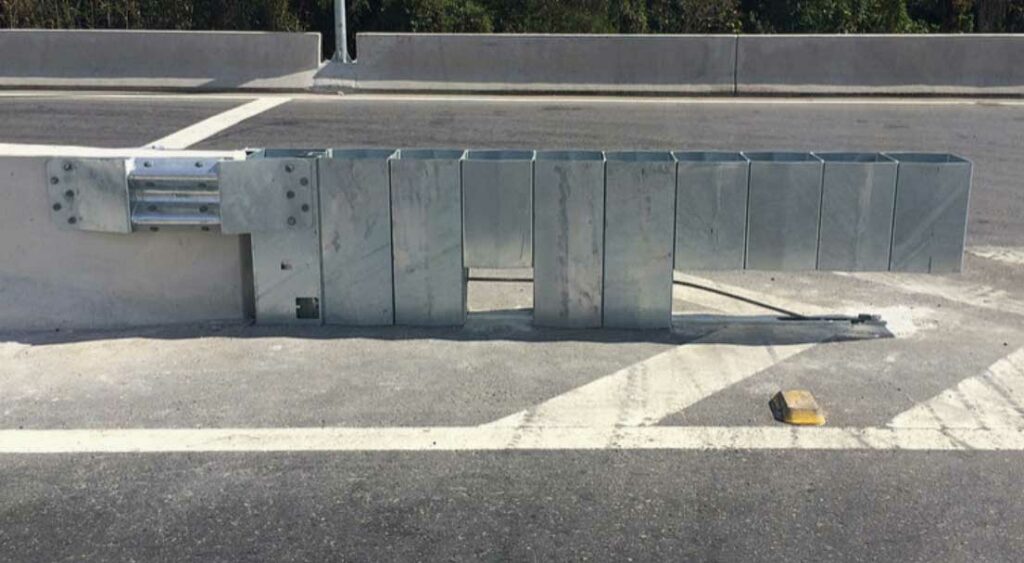
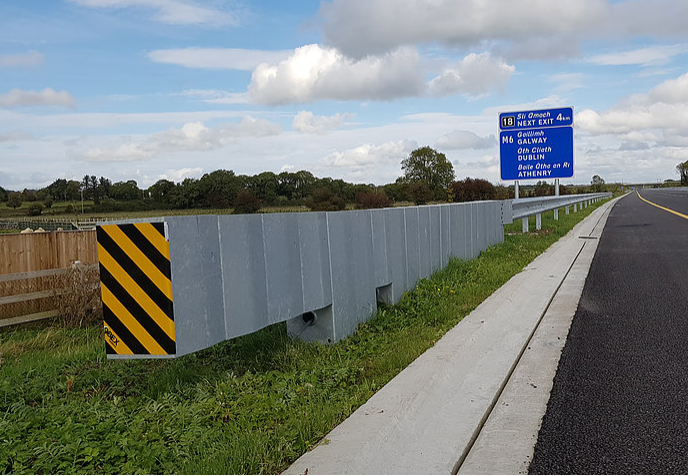
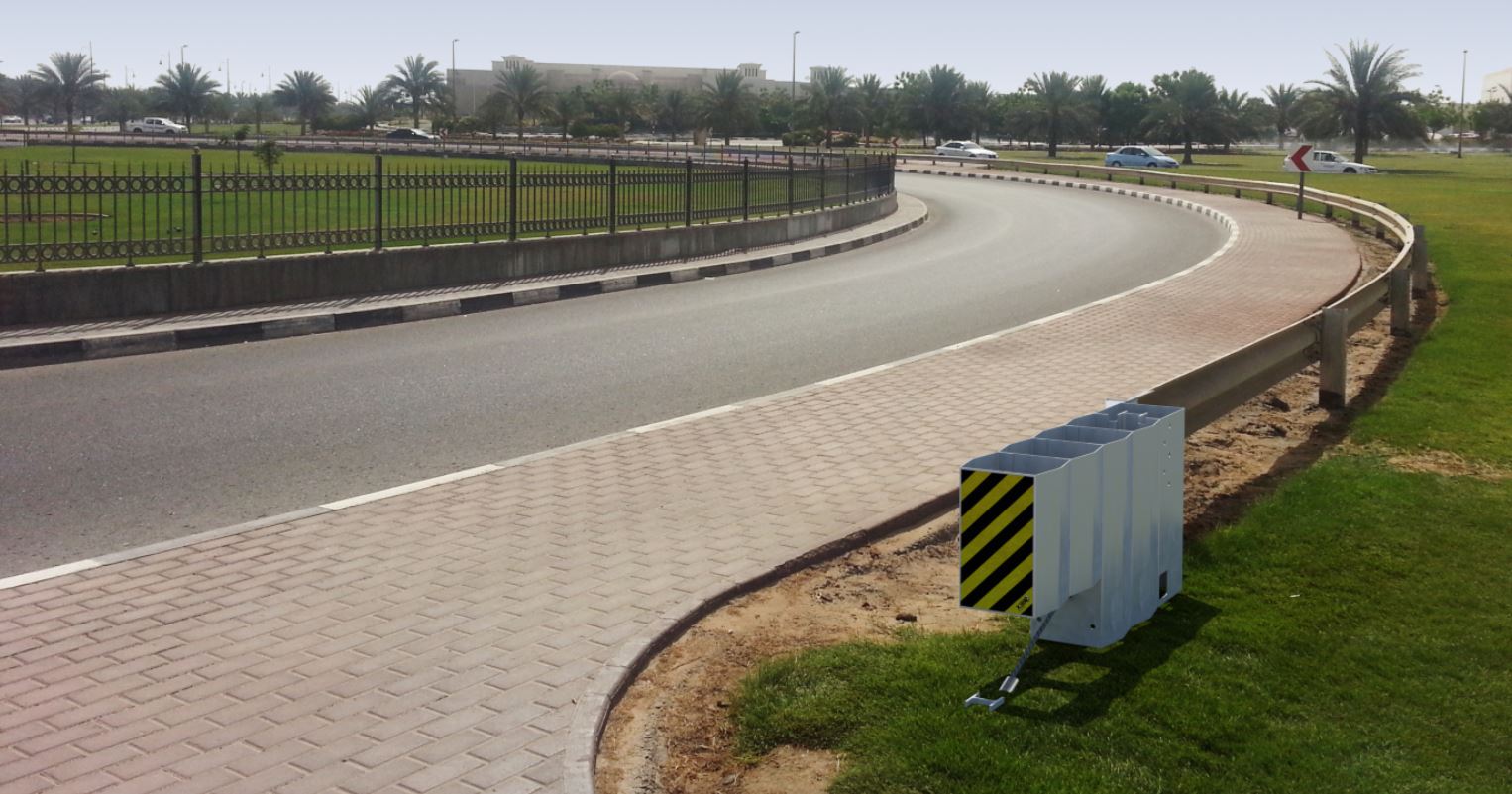
Undoubtedly, projects such as the construction of the Cullera-Favara Section, which include infrastructures for road safety such as our transitions and terminals, show that there really is a commitment to make the roads safe roads that serve what we commented at the beginning of this article: bring people closer. For more information call us at 96 088 99 44 or send us an email to metalesa@metalesa.com
Mobility and security solutions in urban enviroments
We are currently witnessing an increasingly accelerated evolution of our societies, and like all progress, it has its positive part and its negative part. However, this is not something new. For years, cities have been facing more and more challenges due to their unstoppable growth, the increase of traffic, the aging of the population ... All this requires providing solutions that from Metalesa we are willing to offer in order to ensure urban security...
Thanks to our experience and the products we design, manufacture and install, we are able to provide solutions to various problems that occur in cities, tackled from different fronts:
Mobility
Most cities are in the process of adapting to the new mobility formulas that have emerged relatively recently.
With the aim of ensuring the sustainability of cities, for many years most cities began to establish a new urban reorganization that included bicycles on their roads; therefore, bike lanes began to be enabled to go anywhere. Now it is much more complex than that.
The popularity of electric scooters is undoubted, and it is a phenomenon that is going to increase. Sustainable, practical, efficient ... But it also represents a challenge in mobility issues, for this reason, the proliferation of new urban routes is necessary in order to guarantee safety. What products for urban security can we provide from Metalesa?
Urban Parapets
It is a containment system specially designed to be installed on urban roads, in order to provide safety and aesthetics in urban areas such as streets, avenues, roundabouts ...
With the installation of urban parapets in the cities, it is intended to guarantee the safety of both pedestrians, cyclists and people who use the electric scooter to get around. In addition, they are also used to adequately contain vehicles that circulate through urban areas or those limited to 50 km/h.

Cyclopeatonal Railings
In addition to the urban parapets, in Metalesa we have more products destined to the protection of those groups that move around the cities using ‘more vulnerable’ transports; this links with one of our main objectives, to ensure road safety.
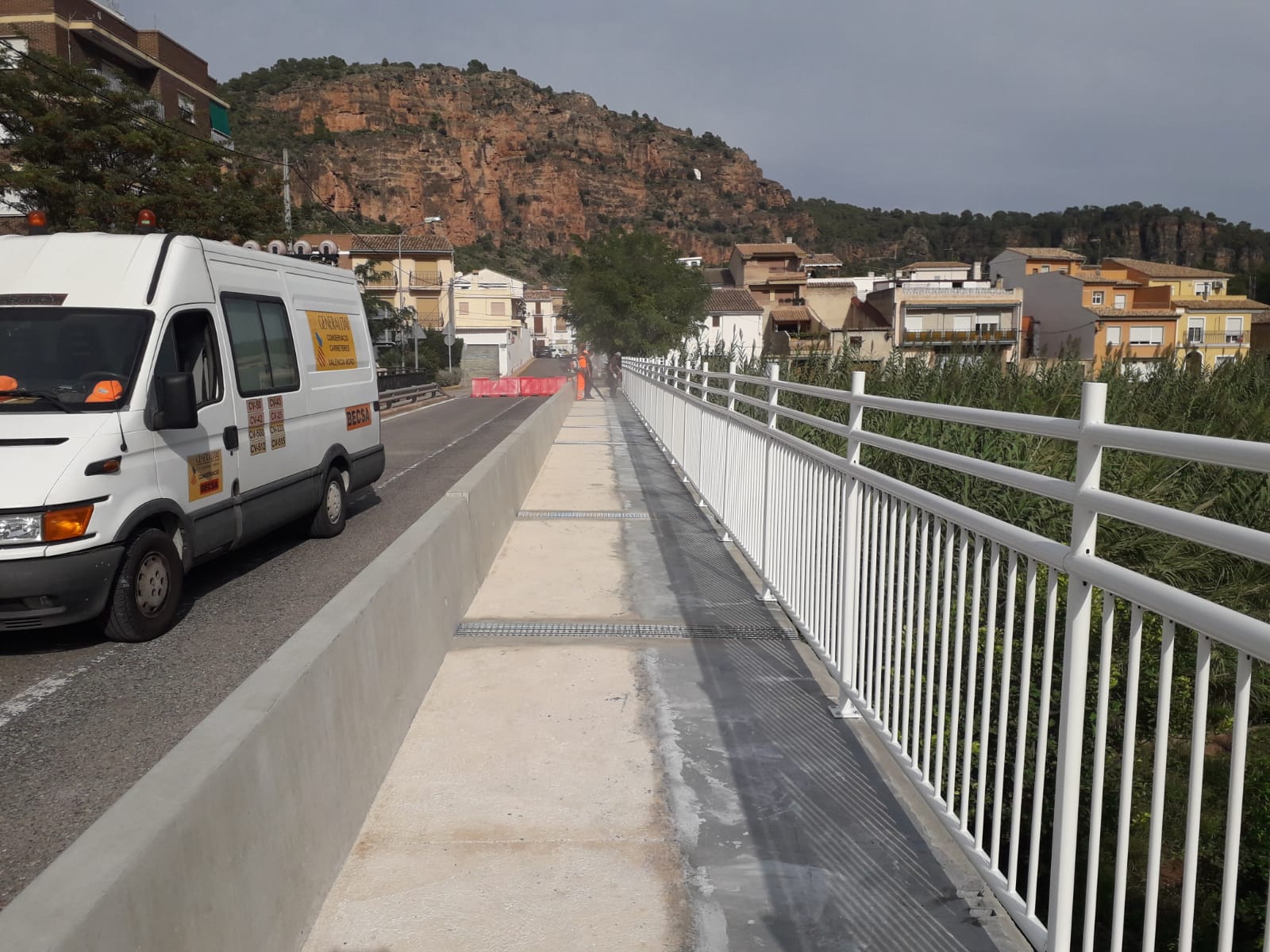
Cyclo-pedestrian railings are containment systems for cyclists and pedestrians. They are usually installed in road areas where bicycles and mopeds circulate. Therefore, it is a safety element that cannot be missed in order to reduce accidents.
Its height between 1.3 m and 1.5 m depends on what the requirement is. In addition, at Metalesa we add an aesthetic touch to our cyclopedestrian rails so that they integrate perfectly into the environment.
Bollards
With the same objective of guaranteeing safety of mobility, we design, manufacture and install bollards to prevent vehicles from entering pedestrian areas.
It is a steel pole anchored in the ground, ideal to cushion shocks. Therefore they are essential in any urban area and establishments such as shopping centers, gyms, open parking lots ...

Acoustics
Noise pollution is another of the fronts to which we have always wanted to solve, and on which it is increasingly necessary to take action. Not all the problems that a city brings are visible ... noise is not, and from our experience and contact with groups that suffer from it, we can affirm that it is a very serious problem.
The growth of cities has influenced in increasing the acoustic problem. Cities have been expanding, and for example, the presence of housing estates near industrial estates is not uncommon. In addition, although more and more limits are imposed on the passage of vehicles through downtown areas of the cities, the excess of traffic, and the noise pollution they entail, continue to be a topic on the agenda.
How do we get involved from Metalesa to solve the challenge of ending noise that is so damaging and so bothersome?
Acoustic Screens
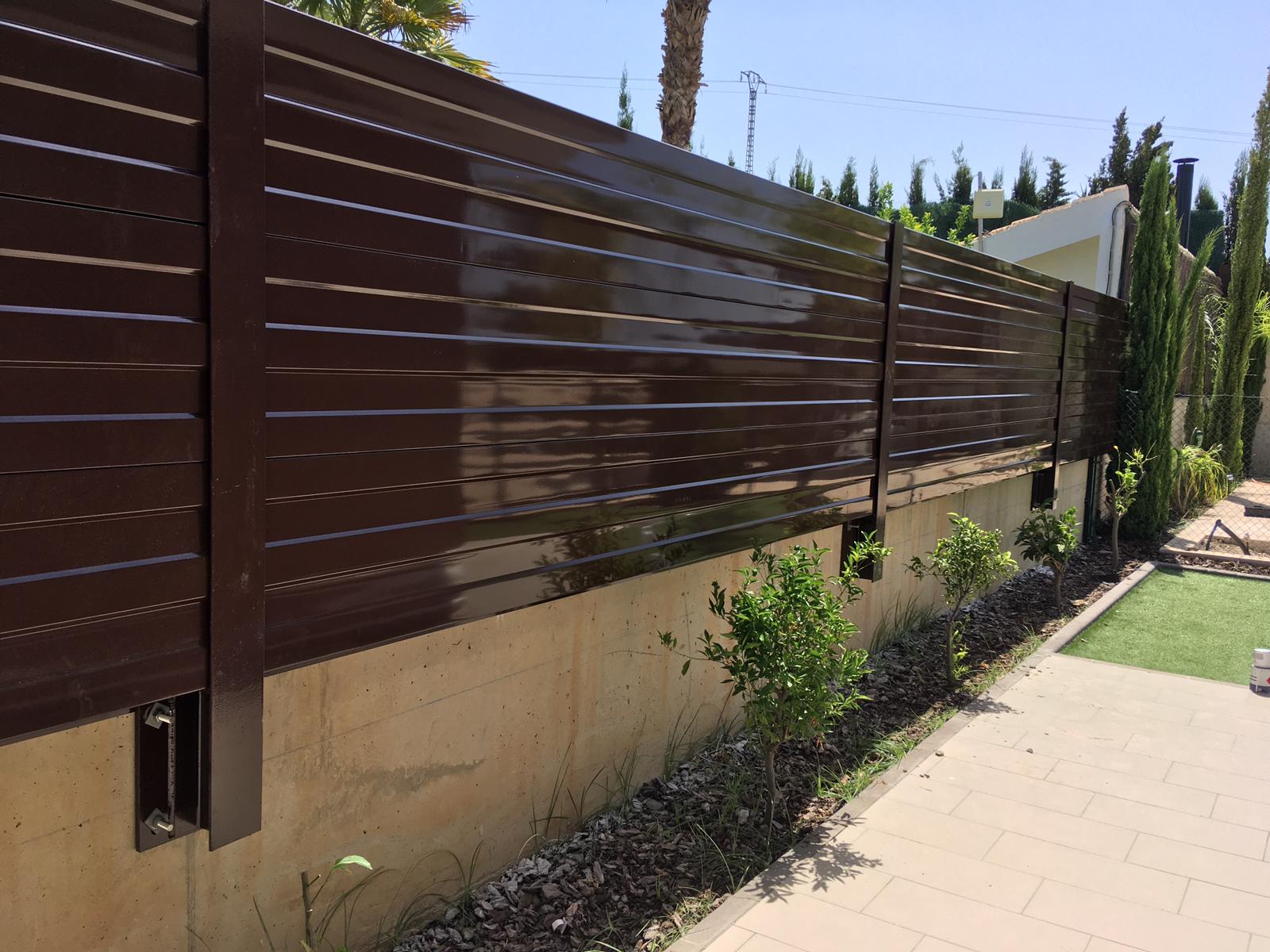
Acoustic screens or anti-noise screens have the mission of minimizing the impact of noise pollution in cities. We have assumed that they are necessary on roads, in the vicinity of the railway network or in industrial areas ... but we are not always aware of the noise level with which we live in urban areas.
Our Urban Screens
The growing concern for acoustic quality in urban areas has led us to design urban screens that fulfill a double function: protection and aesthetics. At Metalesa we have a wide variety of acoustic screens specially designed to be installed in cities. Methacrylate screens, wooden or metal acoustic panels are the most demanded for their functionality and adaptability to the environment.
Urban Support Equipment
We are increasingly part of more advanced and developed societies in all aspects. For this reason, the aging of the population is an evident phenomenon. Hope and quality of life is much higher than a few years ago, which, being a positive fact, means having to adapt cities to this part of the population, enabling urban structures to guarantee their protection and facilitating their limited capacities for mobility.
These are more vulnerable groups for security purposes, so it is necessary to pay special attention to them. In addition, of the urban parapets and the cyclo-pedestrian railings explained above, at Metalesa we manufacture all kinds of fences and railings that adapt to the needs of each urban space and the group that routinely travels it, especially thinking of older people.
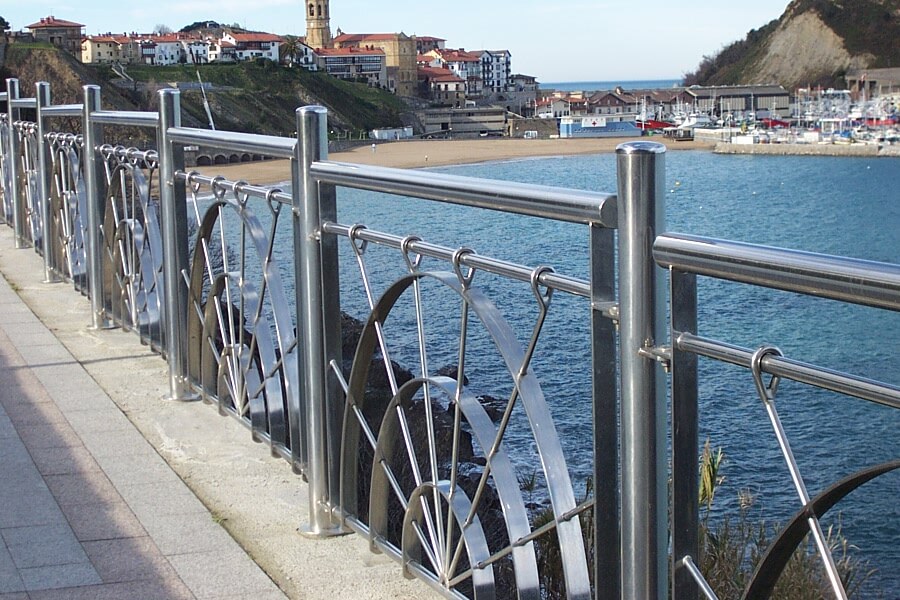
Steel railings, cable railings, or perforated sheet metal are some examples of urban fences that give cities protection and style.
The development of cities is something unstoppable, therefore, we must adapt and assume the challenges that arise as society progresses. At Metalesa we are ready to solve these challenges and we will be happy to help you if that is also your goal. For more information about our urban products or to request a quote, do not hesitate to contact us by calling 96 088 9944 or sending us an email at metalesa@metalesa.com.

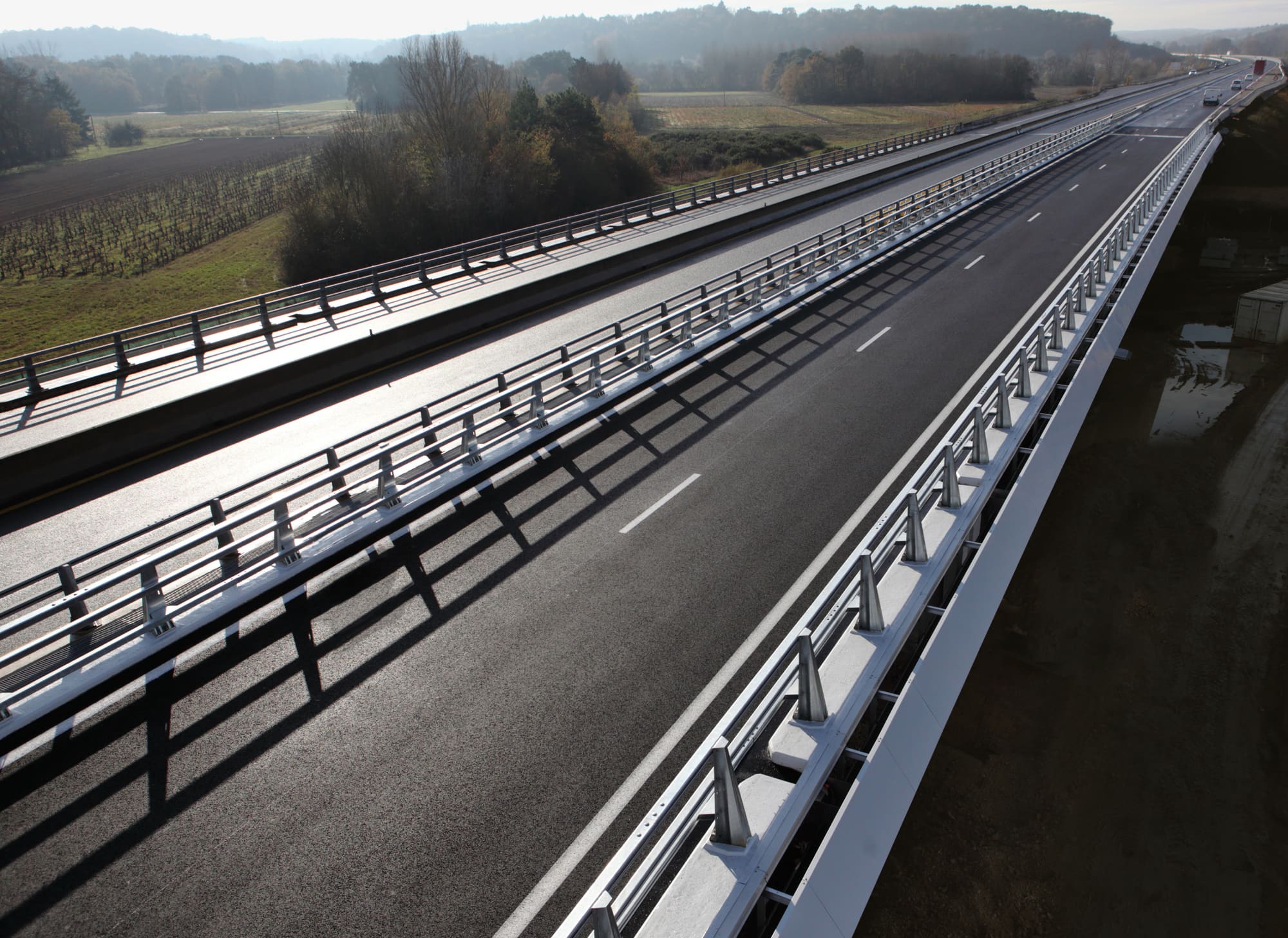
What is UNE EN 1317 Standard?
At Metalesa we are very clear about our mission: to ensure the safety of what matters most to us; people. For this reason, we guarantee that our products comply with the established standards and regulations. Seriousness and professionalism is what defines us. Our parapets have been subjected to real tests in accredited laboratories based on the UNE EN 1317 standard.
¿What is UNE EN 1317 standard?
This standard was established on January 1, 2011 by the European Union, and certifies the quality and safety of vehicle containment systems. It is based on subjecting these systems, such as parapets or guardrails, to a test methodology following specific criteria valid for all Europe. Among many other things, the UNE EN 1317 standard harmonizes impact tests simulating real accidents involving vehicles, mannequins as drivers and the containment system itself. In this way, both the behaviour of the system and its impact for the drivers themselves are evaluated.
The configuration of each essay varies completely depending on the level of containment being tested. The type of vehicle involved, the impact speed or the angle of incidence are defined for each essay specifically. After the impact, the damages of the containment system, as well as the deck on which it has been anchored, and the impacto on the mannequins are evaluated. From this analysis the laboratory concludes a set of technical parameters that characterize the behaviour of the system. Main ones are dynamic deflection, working width, severity index and intrusion index.
What is it exactly a containment system?
A vehicle restraint system is a barrier that made of various materials and used to lessen the consequences of an accident on the road. Metallic ones have the advantage of absorbing a large part of the kinetic energy of the crash and facilitate the redirection of the vehicle's trajectory. For this reason, the severity of the impact is lower, thus demonstrating a great contribution to road safety. However, sometimes, the circumstances of the road require a concrete system with less absorption capacity and less deformation. In general, the occupants of the vehicle tend to be more affected. Based on the danger of the sections and on a history of accidents, it is the responsibility of national, regional or municipal public administrations to study and decide where to install or substitute vehicle containment systems.
Parameters to analyze looking at UNE EN 1317 standard
During real tests in an accredited laboratory the following set of parameters are analyzed.
Containment level
It indicates the ability of a SCV to withstand the impact load of a vehicle. The selection of the level of containment that a safety barrier must have proved to be installed on the margins of a road will depend on the risk of accidents, which in turn is defined by the speed of the road and the average intensity of heavy vehicles in each sense at the time of commissioning.
Impact severity
The impact of a vehicle against a SCV carries obvious risks for its occupants. The severity of these risks inside the passenger compartment is determined by the level of impact severity. This is calculated from the combination of the deceleration (ASI) and head impact (THIV) values.
Deformation of the system
The behaviour of a SCV is characterized by the transverse displacement of the device during impact. This is defined in the tests through the parameters of dynamic deflection (D), working width (W) and intrusion index (VI).
On our website we dedicate specific spaces to clarify any questions that may exist about the UNE 1317 standard.
In addition, in our frequently asked questions section on metal parapets we anticipate the queries that we typically receive from engineering or construction companies regarding the interpretation of the standard.
UNE EN 1317 standard applied to our products
Bridge Parapet
Our bridge parapets are metal security barriers that are installed in order to serve as vehicle restraint systems. We market many different models that have success under the appropriate tests to be able to certify the UNE EN 1317 standard, and therefore accredit the CE marking.
On our website you can see the videos of the tests carried out, for example, that of the META16 metal parapet of containment level H3.
We also design, develop and commercialize transitions between containment systems with NF marking after having successfully passed laboratory tests in accordance with the French standard NF 058. It must be taken into account that UNE EN 1317 lacks specificity to evaluate and accredit with CE marking transitions between parapets between each other, or between parapets and other types of barriers.
H2 and H3 parapets, urban and mixed parapets, guardrails ... Those are some of our products in our portfolio whose main purpose is to guarantee road safety.
Handrails and Fences
The handrails and fences that we manufacture and install accomplish high quality standards in order to offer the maximum possible protection both on the road and on urban areas. In addition, they are all subjected to a corrosion protection treatment.
As in the case of bridge parapets, railings and fences are also containment systems that are designed and calculated by our R & D and Structural Calculation departments following parameters set by European regulations. We have a wide variety of these products to accomplish customer demands:
Railings: Steel, stainless steel, with cable and with perforated sheet metal.
Fences: Metallic, anti-vandal and electro-welded.
Thus, it is evident that neither vehicle containment systems can be absent on our roads, nor a norm such as UNE EN 1317, in charge of regulating and guaranteeing their correct compliance. At Metalesa we take road safety very seriously from an efficient and innovative perspective, which leads us to continue growing and betting on the best.
Would you like more information about the UNE EN 1317 Standard and our road safety products? Do not hesitate to contact us.

Industry 4.0 and road safety
At Metalesa we are well aware of our great responsibility since looking after people security is our goal. Thus we keep a close eye to all technological updates and breakthroughs that may bring benefits to our sector. Industry 4.0 is a wave that need to be taken.
What is industry 4.0?
This concept is not new, and indeed it is becoming global social phenomenon. It refers to the addition of digital technology to all manufacturing processes to an extend that it is considered the fourth industry revolution. Now, a little bit of history.
FIRST INDUSTRIAL REVOLUTION
By the end of XVIIIth century, steam machine burst meant the beginning of the First Industrial Revolution. No doubt road safety sector faced new challenges with railway mechanization. But lot was lacking yet until today’s situation, this was only the launch of the industrialization.
SECOND INDUSTRIAL REVOLUTION
Second Industrial Revolution started around 1870. New energy sources like gas, petrol and electricity drove a great acceleration in all senses. Furthermore, it opened doors to internationalization.
THIRD INDUSTRIAL REVOLUTION
2006 is commonly considered as the beginning of the third phase of industrial growth. At that time, industry was pushed to the need of more renewable energy sources, which led to the will of directing all efforts to more sustainable objectives. TICs and automation played a key role.
FOURTH INDUSTRIAL REVOLUTION
No matter third revolution as starting to be protagonist, it was with fourth revolution when all capabilities started to bring together synergies. It is considered to be started around 2011 and the truth is that since then, technology has been pushing forward industry operations to a new level.
How does Industry 4.0 impacts on road safety?
The technology transformation power is unquestionable. It allows to simplify, accelerate and optimize all industrial processes, that’s why any road safety company that has not embraced yet this digital transformation will be left behind. This is not Metalesa’s case.
Our infrastructures
We have strategically adopted Industry 4.0 in all areas of our business: from employee security to communications or manufacturing digital software .
Bridge barriers and cornices
Contention systems that have been tested with real crash essays. Furthermore, its materials are exposed to anticorrosive treatments.
Regarding cornices, in Metalesa we innovate each day with designs that allow to host either canalizations with water, gas, electricity or telecommunication supplies.
Noise barriers and panels
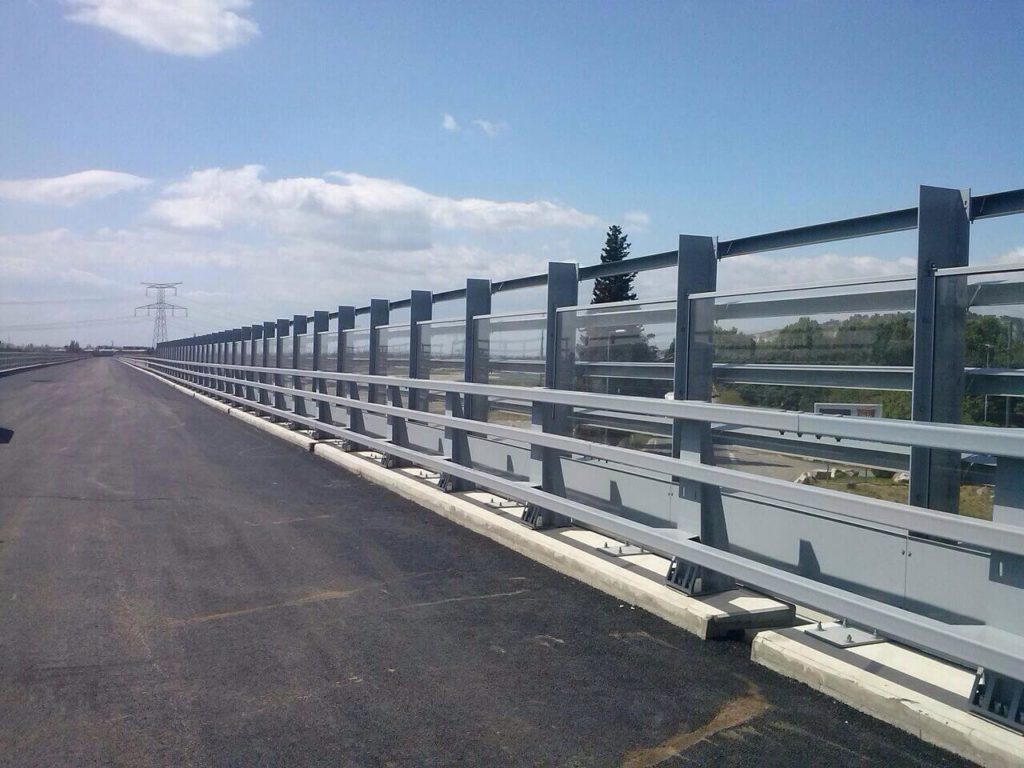
We manufacture noise barriers of a number of different materials, from steel, aluminium or methacrylate to fight noise pollution to bird anti-collision, to even some “vegetable” that can be integrated in an environmental friendly way. In Metalesa we provide the most suitable option for any project or need; security, noise isolation and aesthetics can go hand-in-hand.
Handrails and Fences
These handrails can be installed either in railway infrastructures or over bridges and viaducts. Hence, we adapt to any type of structure and with a wide variety of materials. Following high quality standards, our handrails are exposed to anticorrosive treatments with three possible finishes: hot-dip galvanized, thermo-lacquered or both combined at the same time.
Our engineers optimize anchoring systems with breaking-edge calculation technology so that best results are achieved in handrail installation and performance.
Of course, looking after the people in charge of our processes and equipment is one of our priorities. We have always extrapolated our concern for road safety to our people’s security,
Equipment for railway and tunnel infrastructures
Spanish railway network has been counting on Metalesa’s products and experience for a lot of years. We provide wide experience in manufacturing, supplying and installing metallic equipment for overpasses like ADIF and SNCF fences or handrails, fences for train stations or stopping places, protection for electric cables, or combined systems.
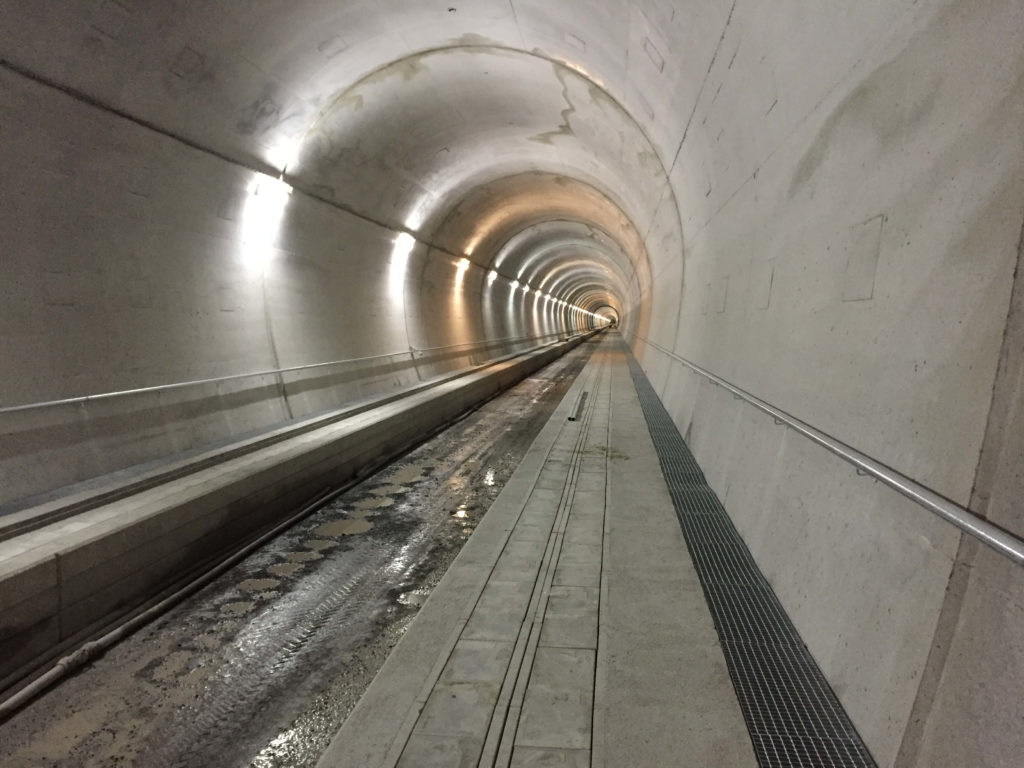
Technology is all around our manufacturing and installing processes, and believe in its advantages. Our vision inspires us to keep on implementing our technological capabilities to be at the front line of industry 4.0. Staying behind is not an option for Metalesa when it comes to innovation.
Should you require our services, don’t hesitate to contact us, all road and urban infrastructures are possible with Metalesa.
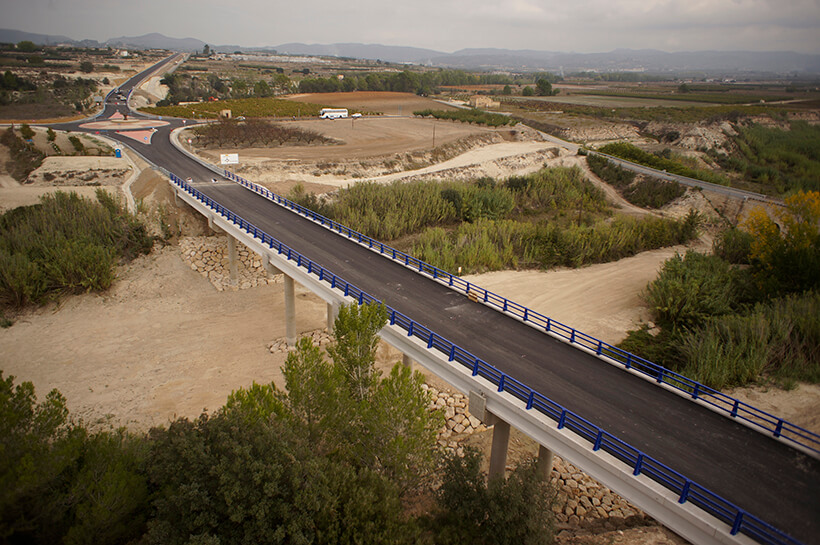
The opening of the Pobla del Duc relief road avoids dangerous routes
METALESA has contributed to improving the safety of the new road that runs parallel to the current CV-611 through the municipal areas of Benigànim, Quatretonda and La Pobla del Duc.
The company took part in this project reconciling one of its main objectives: improving road traffic safety by installing 420m of META13 metal parapets (H2 containment level, a great option among metal parapets), on two bridges of similar characteristics on the Torrella and Forcall ravines with total lengths of 110 and 100 metres respectively. This solved the problem of accessibility and functionality and at the same time provided a greater level of comfort, avoiding dangerous bends for drivers, improving plan and elevation, and reducing travel time.
Another goal was to increase the cross section of the road bed, which facilitates vehicle traffic, and improves the bearing capacity of the road, to achieve a more comfortable journey. It also sought to improve signalling and beacons, longitudinal and transverse drainage infrastructure and its integration into the landscape of the environment.
The work covered the section of 3,179 metres from the existing roundabout on the outskirts of the centre of Benigànim, at PK 4+250, to the roundabout that intersects the CV-611 of the railway station road.
The road has two lanes, one for each direction, a width of 3.5 metres, 1.5 metre hard shoulders on both sides, berms of 0.5 metres and traditional or safety ditches on the side of the clearing.
Keep an eye on our blog to keep up to date with all METALESA’s projects and breakthroughs.
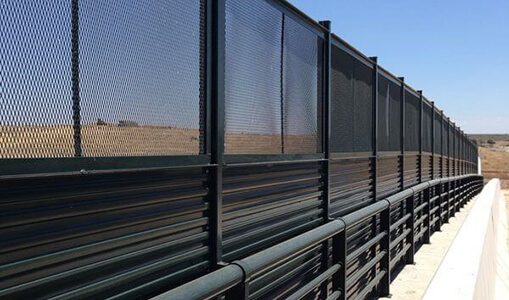
METALESA installs 3km of META16 parapet on viaducts on the A-23
In June 2018, METALESA completed the installation of its META16 parapet with H3 containment level on all the viaducts of the Caldearena-Lanave section of the A-23 between Huesca and Sabiñánigo. In this section, the parapet is concentrated on several overpasses and some landmark viaducts such as Fontanal and the river Guarga.
This project considerable improves road safety as it is a split before the fork of the motorway to bypass the port of Monrepós. Its design also preserves a space of great ecological value in line with the Ministry of Development’s environmental study.
Read more about this news in Heraldo (in Spanish).
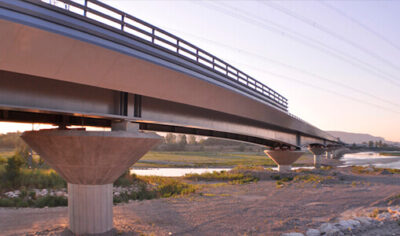
Cornices on bridges and viaducts project
Cornices on bridges and viaducts project. Development of multi-purpose systems for the runoff and collection of rainwater and for the channelling of electrical installations.
File No.: IMACPA/2016/174
In October 2016, METALESA S.L. received a subsidy from the Valencian Business Competitiveness Institute (Instituto Valenciano de Competitividad Empresarial - IVACE), specifically the R&D Projects Certification Programme. The aid is funded by the ERDF Operational Programme of the Valencian Community 2014-2020.



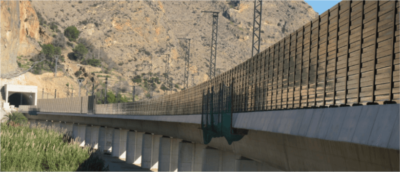
Completion of work on the high-speed track line for the San Isidro-Orihuela section (Alicante)
In March 2016 METALESA completed the supply and assembly work on the San Isidro-Orihuela section (Alicante) of the High-Speed Line (AVE). Once again, METALESA successfully completes its work on a landmark project to roll out railway infrastructure in Spain, guaranteeing the use of the best safety equipment.
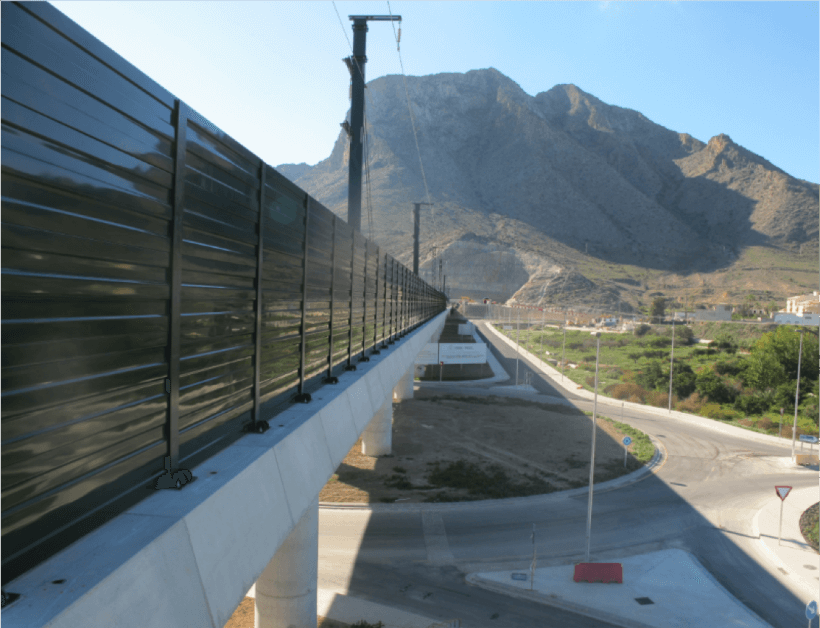
The elements and distances covered were:
7,200m2 of acoustic screens in viaducts
6,000m of handrails in tunnels
500m of guardrails
300m of vandal-proof fencing
500m of enclosures in the new Callosa de Segura station
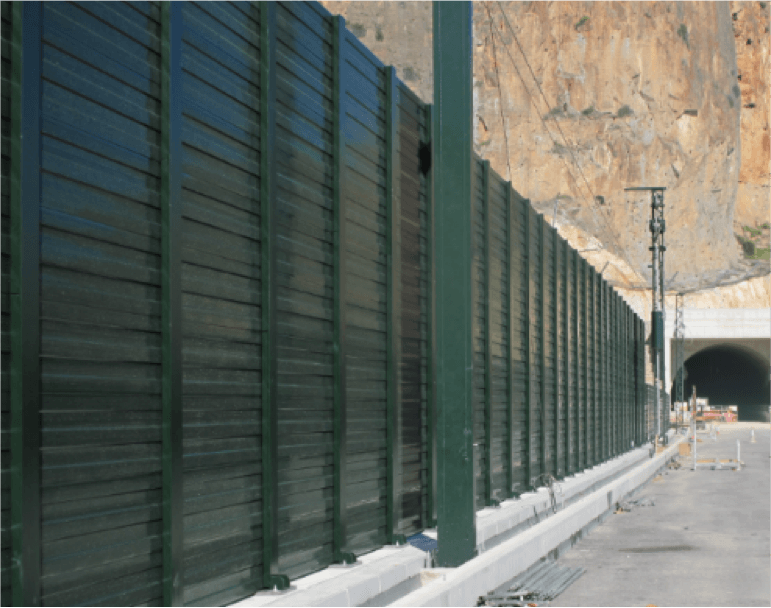
This section, 9.6 kilometres in length, is part of the High Speed Line Madrid - Castilla La Mancha - Valencian Community - Region of Murcia, and runs through the municipal areas of San Isidro, Granja de Rocamora, Cox, Callosa de Segura, Redován and Orihuela.
This stretch is part of the route between Monforte del Cid (Alicante) and Murcia, 64.7 kilometres long, and whose contract has already been awarded and is in the execution phase.
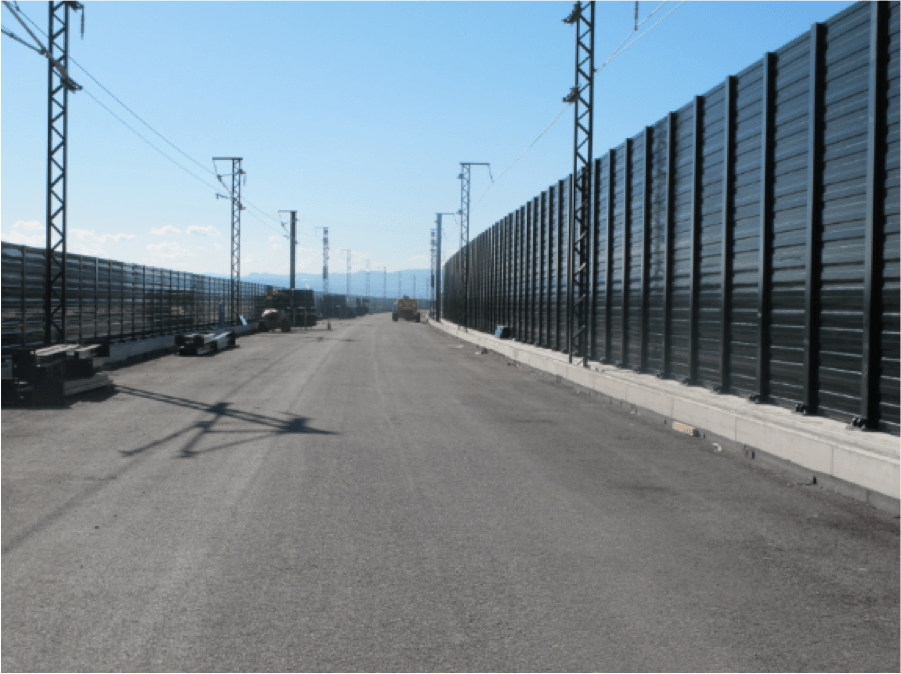
From the point of view of efficiency and maximum use of new infrastructure, it is important to note that the new service from Monforte del Cid - Murcia will consist of double standard-gauge track, which will allow commuter services to connect with Alicante, Elche, Orihuela and Murcia.
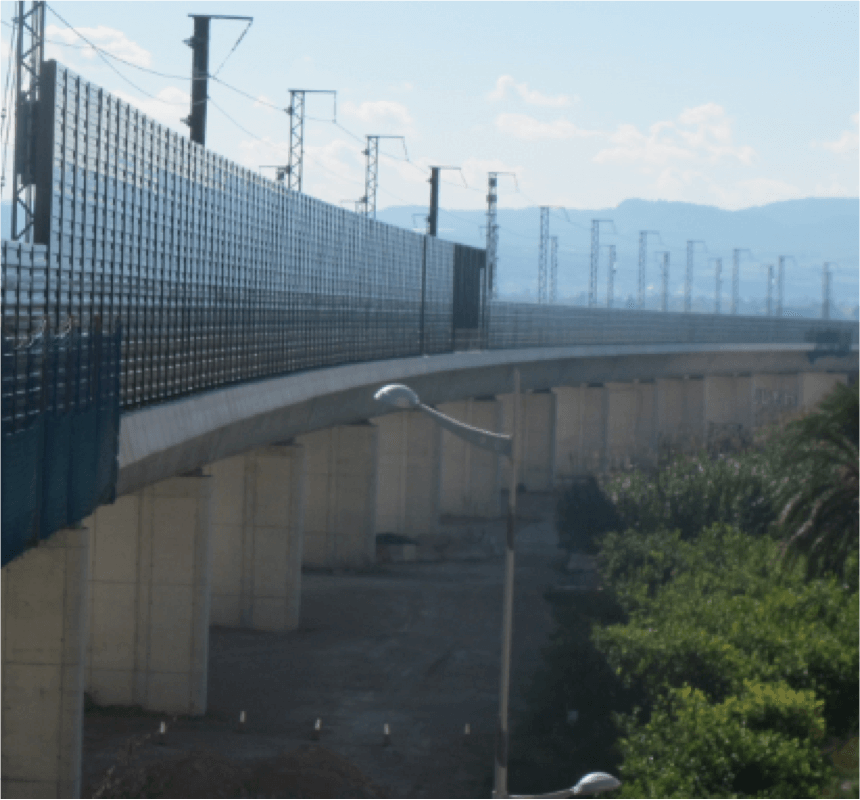
When all these sections are finished, the hourney times by train between Madrid and Elche, and between Madrid and Murcia, will reduce to 2 hours and 10 minutes, and to 2 hours and 25 minutes, about 30% of the time of going by road.
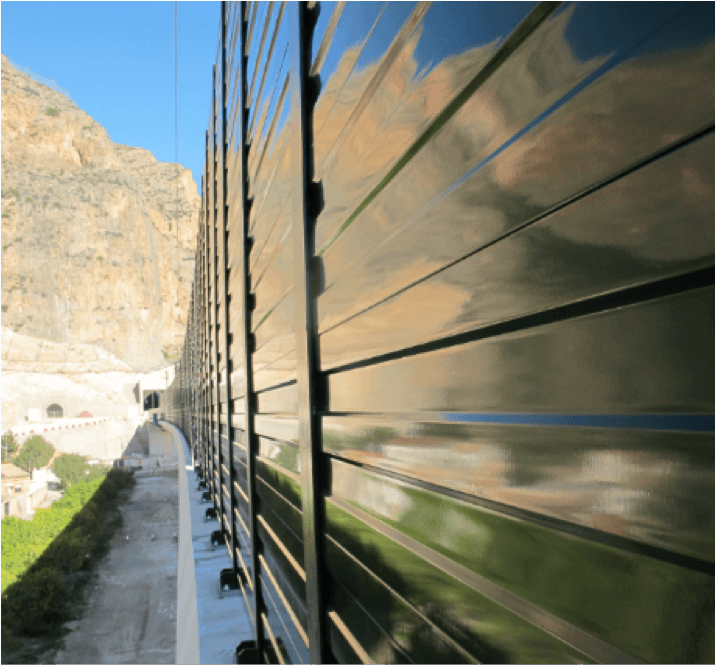
METALESA continues to offer a quality product in the general interest of Spanish and European citizens, as well as the talent of its team of professionals. Metalesa makes the best road safety equipment available and is firmly committed to continue developing the Spanish and European railway infrastructure network to reduce journey times