

How intelligent transport systems are transforming Smart Cities.
Technology is reshaping how we move, manage urban infrastructure, and keep our roads safe. In this context, Intelligent Transport Systems (ITS) are emerging as the backbone of smart roads and, ultimately, smart cities. Bringing together sensors, advanced software, and real-time communication, they make traffic management smarter, more efficient, and safer—while driving sustainability.
In Spain, the push for ITS is being driven by initiatives such as the Recovery, Transformation and Resilience Plan, the DGT’s ITS plan, the MOVES programme, and the Next Generation EU Funds—all of which prioritise the digital transformation of urban mobility. For local governments and public authorities, grasping the potential of these technologies is key to investing wisely and driving urban modernisation.
What Are ITS?
Intelligent Transport Systems (ITS) are a group of technologies built into transport infrastructure to improve mobility, reduce accidents, and boost energy efficiency. They bring together sensors, control devices, digital platforms, predictive algorithms, and vehicle-to-infrastructure (V2I) communication to automate and coordinate mobility in real time.
These systems range from adaptive traffic lights to large-scale networks of ITS equipment, including Variable Message Signs (VMS), cameras, radars, weather stations, and control centres. Thanks to their connectivity, each element acts as a node in a network that learns, adapts, and evolves.
ITS as the Core of Smart Roads
Smart roads are a new generation of infrastructure designed to anticipate problems and communicate with vehicles and users. On these roads, ITS make it possible to:
- Detect traffic in real time and adjust flow automatically.
- Deliver personalised alerts on roadworks, accidents, or adverse weather.
- Coordinate traffic lights based on current conditions, cutting waiting times and emissions.
- Support autonomous driving through digital signals and 5G connectivity.
- Provide data to platforms such as DGT 3.0 or Smart City Madrid to inform urban decision-making.
This approach not only improves mobility but also strengthens Intelligent Road Safety, as the systems act proactively and preventively to reduce human risk.
Real-World Applications of ITS in Spain
Spain already showcases a wide range of ITS solutions in both urban and interurban settings:
- Madrid has rolled out intelligent traffic lights that adjust in real time to the flow of vehicles, pedestrians, and cyclists. These systems prioritise emergency vehicles such as ambulances and city buses, cutting response times and improving overall mobility.
- Barcelona has integrated advanced ITS platforms with a dense network of sensors across the city. This system optimises both private traffic and public transport, enabling automated real-time decisions that enhance the user experience.
- On the A-8 motorway in the Basque Country, a dynamic speed management system has been deployed, especially effective in adverse weather conditions. The infrastructure combines VMS, weather stations, and connected surveillance cameras to adjust speed limits and send automatic alerts to drivers.
- Málaga stands out for its Traffic Management Centre, which uses artificial intelligence to analyse mobility patterns. Based on this data, road signage is dynamically adjusted to reduce congestion and improve safety in real time.
- In Valencia, the city’s first SMART impact attenuator has been installed at one of its most problematic intersections. This device, equipped with PLUG&META® technology, absorbs impacts at speeds of up to 80 km/h. Its integrated light signals improve the visibility of frontal impact warnings, and in the event of an accident, it instantly notifies the City Council’s Traffic Management Centre, ensuring a rapid response. This innovation transforms traditional road equipment into an intelligent system that prevents accidents, optimises signage, and improves user safety.
- Smaller municipalities are also investing in basic ITS solutions with support from European funds. Typical examples include smart pedestrian crossings, number plate recognition cameras, and dynamic information panels—all helping to improve local mobility, reduce accidents, and modernise urban environments cost-effectively.
Benefits for Citizens and Public Administration
ITS offer clear and tangible benefits for both citizens and public authorities:
For citizens:
- Improved road safety through dynamic alerts and signals adapted to real-world conditions.
- Faster journeys across the city.
- Lower fuel consumption and reduced driving stress.
- Clear, up-to-date, and easily accessible information via apps, VMS, or digital platforms.
For public authorities:
- Smarter traffic management with no major physical infrastructure required.
- Lower operating costs thanks to automation.
- Access to valuable data for evidence-based policymaking.
- Supporting European goals for decarbonisation and sustainable urban development.
According to the Metropolitan Mobility Observatory (OMM), ITS has helped cities cut average journey times by up to 15% and CO₂ emissions by 20% in high-density areas.
A Catalyst for Public Investment and Urban Transformation
ITS are essential to the modernisation of cities, particularly for municipalities applying for European funds for sustainable mobility, digital transformation, and climate action. Thanks to their scalability, ITS solutions for cities can be rolled out in large capitals as well as small and medium-sized towns, with targeted investments and tangible short-term results.
By integrating with smart city platforms, ITS give city leaders a complete picture of urban life and empower smarter decisions on traffic management, urban planning, and public safety.
ITS are more than a technological upgrade: they form the backbone of smart cities, reshaping the way we move, connect, and live. For city councils, transport authorities, and regional governments, adopting these systems unlocks greater efficiency, safety, and sustainability.
Backed by public funding and expert partners, ITS solutions are easier than ever to deploy. The future of urban mobility is already here—and it runs on intelligence.


Road Safety and Accident Prevention: 21st Century Infrastructure
Road Safety and Accident Prevention: The Need for Adaptation and Road Safety
For decades, our roads have been the pillars of mobility, connecting cities, towns, and communities. However, as we move towards an increasingly digital and sustainability-oriented future, it becomes evident that our road infrastructure urgently needs an update. While efforts have been made to maintain and repair existing roads, not enough has been done to adapt them to new mobility methods, Smart Cities, and the growing demands of an ever-increasing population.
The need for infrastructure adaptation to cities
The world is changing at a dizzying pace, and our cities must keep up. Cities are evolving into smarter environments where technology plays a fundamental role in traffic management, road safety, and energy efficiency. However, our urban roads remain largely analog in a digital world. An updated road infrastructure is needed that integrates technologies such as smart sensors, traffic management systems, and vehicular communications to improve traffic flow and reduce accidents. Administrations are aware of this issue and have been implementing data-driven strategies for years to improve citizens' lives.
Sustainable mobility
Sustainable mobility is another crucial aspect that our roads must address. With increasing environmental awareness and the need to reduce carbon emissions, it is imperative to promote the use of public transportation, bicycles, and electric vehicles. However, current roads are not designed to accommodate this diversity of mobility options. Safe bike lanes, charging stations for electric vehicles, and infrastructure that fosters efficient public transportation are needed.
Population growth and urbanization are global trends that are putting increasing pressure on our roads. Cities are more populated than ever, meaning more vehicles on the roads and greater infrastructure demands. However, many of our roads were not designed to handle this volume of traffic, resulting in congestion, longer travel times, and increased pollution. It is essential to adapt our roads to meet the needs of 21st-century cities and beyond.
Road safety and accident prevention
One of the most critical aspects when talking about road infrastructure is the safety of its users. Every year, thousands of lives are lost in traffic accidents, and many more people are seriously injured. It is crucial that our roads are designed with a focus on road safety to reduce these tragedies.
Technology plays a fundamental role in accident prevention. Advanced driver assistance systems, such as automatic emergency braking and blind-spot detection, can help avoid collisions before they occur. Additionally, adequate lighting, clear signage, and regular infrastructure maintenance can improve visibility and reduce risks for drivers.
Technologies like PLUG&META® are a clear example of innovation in the field of SMART ROADS and a clear trend that reaffirms the administration's commitment to the new era. The most appropriate decisions for urban mobility must always be based on real data to ensure the safety of all road users.
Road education also plays a crucial role in accident prevention. Awareness programs about the importance of wearing seat belts, respecting speed limits, and avoiding distractions while driving are fundamental to promoting a culture of safety on our roads.
At Metalesa, we firmly believe that accident prevention requires a holistic approach that addresses both technological and human aspects of road safety. By investing in safer infrastructures and promoting responsible behavior from road users, we can work towards drastically reducing the number of accidents and saving lives on our roads.

Collaboration between the private sector and the administration
Addressing these challenges requires close collaboration between the private sector and public administration. Technology companies can bring expertise in innovation and the development of smart solutions, while governments have the power to establish policies and regulations that encourage investment in road infrastructure. It is crucial for both parties to work together to ensure the safety, mobility, and well-being of everyone who depends on our roads.
In summary, our roads need an urgent renovation to adapt to the demands of the modern world. From integrating smart technologies to promoting sustainable mobility and managing urban growth, many aspects must be addressed. Only through effective collaboration between the private sector and public administration can we ensure that our roads are prepared to meet the needs of Smart Roads in the smart cities of the present and future.


Accident prevention: AI as a tool for preventing road tragedies
Current problems and the need for innovative solutions
The increase in traffic and the complexity of interactions on the road have led to an accident-prone scenario on our roads. Traditional solutions are not sufficient to address road safety in a comprehensive manner. A significant transformation is required that not only addresses the consequences of accidents, but also prevents their occurrence.
Innovations in in-vehicle AI and V2I technology
Driver assistance systems, collision detection and autonomous driving have emerged as essential elements to improve road safety. The integration of AI in vehicles benefits drivers as well as pedestrians and cyclists. These technologies work proactively to prevent accidents and reduce the risk of collisions and collisions.
Technological advances in vehicles are not only limited to autonomous or driver assistance capabilities. Vehicle-to-Infrastructure (V2I) communication systems are also being developed to enable more seamless interaction between vehicles and road infrastructure.
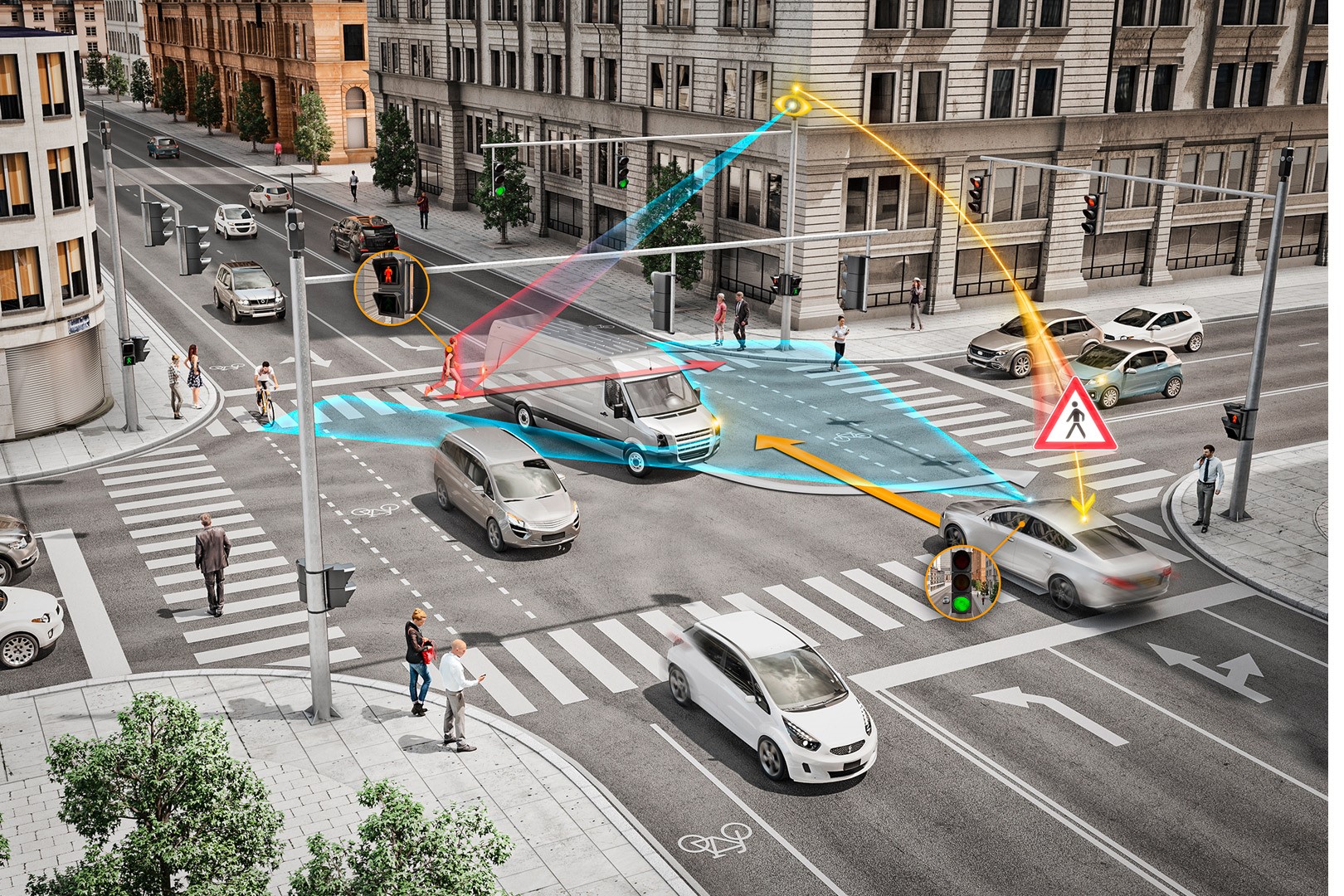
V2I systems allow vehicles to communicate with the surrounding road infrastructure, such as traffic lights, traffic signs and traffic management systems. This means that drivers can receive real-time information about road conditions, such as road works in progress, accidents or congestion, allowing them to make more informed and safer decisions.
In addition, V2I systems can facilitate the implementation of more efficient traffic management technologies, such as traffic light coordination to reduce congestion and improve vehicle flow. They can also help improve road safety by alerting drivers to risky situations, such as construction zones or dangerous intersections. Thanks to AI, car companies can manage road data, improvements in manufacturing and maintenance processes, and useful statistics for both their devices and administrations.

The need for AI data for administrators and policy makers
AI provides valuable information on traffic patterns, critical risk points and driving behaviour. Real-time data is essential for developing strategies and policies to improve road safety and reduce the number of accidents. Collaboration between AI and traffic authorities is essential to implement effective measures to prevent accidents and save lives.
In road safety management, data is essential and artificial intelligence (AI) plays a crucial role in its analysis. Here we explain how this data can help administrations and authorities:
- Risk point prediction:AI analyses historical accident data and traffic patterns to identify areas with a high probability of accidents in the future. This information allows preventive measures, such as changes in signage or improvements to road infrastructure, to be implemented to reduce the risk of accidents at these hotspots.
- Traffic optimisation:Data collected through traffic sensors and monitoring systems feed AI algorithms that can predict congestion patterns and traffic flow. This helps adjust traffic light timing and divert traffic to alternative routes, minimising congestion and improving transport efficiency.
- Identification of high-risk drivers:AI analyses driving behaviour data to identify drivers with risky driving habits, such as speeding or inadequate following distance. This information allows authorities to target enforcement to those drivers who pose the greatest threat to road safety.
- Evaluation of safety measures:Collecting data on the implementation of road safety measures, such as changes in signage or new speed regulations, allows authorities to evaluate their effectiveness. By analysing how accident and traffic patterns change before and after the implementation of these measures, authorities can make informed decisions on where and how to allocate resources to improve road safety.
Example of the digitisation of road safety systems using IoT technology - Metaurban® SMART
https://www.youtube.com/watch?v=12oqSvuo2e4
Today's digital and communications technology is sufficiently mature and has a sufficient economy of scale to design specific solutions that provide added value to road and urban equipment. Its potential is very large and varied, from the detection of risk situations on the road and their real-time warning to users, to the detection of events and useful data for the administration in order to make better decisions in mobility management. The Metaurban® SMART parapet, developed and patented by Metalesa, combines the classic benefits of a restraint system approved according to UNE EN1317 (which provides passive road safety), with PLUG&META® technology that provides added value in several areas:
- Accident and run-over prevention.
- Automatic notification in case they happen.
- Capture of data and events as useful information.
- Remote management of signalling.
Installation in urban and metropolitan areas ensures the protection of pedestrians and cyclists. Metaurban® SMART acts as an active road safety measure, making it an essential component of a safer road environment.
The future of road safety: Protecting and engaging with citizens
Reducing road crashes leads to fewer injuries, less congestion on the roads and a quieter, more efficient road environment. It improves the safety of pedestrians and cyclists, promoting a safer and more sustainable environment for all road users.
The future of road safety depends on a collective commitment to further progress in the development and implementation of innovative solutions. The continued integration of AI on our roads, together with solutions such as Metaurban® SMART, brings us closer to a scenario where traffic accidents are a concern of the past.

Active Road Safety, how this new concept is transforming roads
Technology is progress, and progress makes us evolve as a society. Thanks to technological advances, new forms of communication and mobility have been created that have devised new concepts. For example, in the case of vehicles, new technologies such as electric propulsion have become popular, giving birth to personal mobility vehicles (PMV).
PMVs are becoming more common within cities and have generated a new mobility ecosystem that is presenting new challenges. The current road network has to adapt to these new habits. This means that there are new elements at stake, raising possible accidents that make it necessary to take another step-in accident prevention.
Active Road Safety, a new way of understanding accident prevention
At Metalesa, our commitment has always been to improve people's quality of life. One of our goals is to act by offering protection solutions in any of its fields. Whether it is acoustic or road protection, we always try to offer the best solutions. As our claim says: Protection, our goal.
This is why, due to the evolution of society, technology, and connection networks that already allow us to achieve 5G transfer speeds, we wanted to go one step further in our objective and consider an assumption: how can we mitigate the severity of the accidents? Could we prevent them? How can the authorities act at the time of an accident without the need for them to receive a phone call? This is what we have coined under the concept of Active Road Safety.
What is Active Road Safety?
Active Road Safety is a new concept that raises road safety to a new level. With the use of connected equipment, it is capable of collecting traffic and environment data, analyzing it in real time and notifying all road users if there is a risk of an accident due to poor visibility, traffic jams, among many other cases without intervention. from third parties.
In addition, connectivity means that in the event of an impact or risk detected on the road, the equipment may be able to notify the authorities autonomously and, on the spot, so that they can quickly manage the necessary assistance.
Differences between Road Safety and Active Road Safety
Until now, road safety equipment had a passive role in accident prevention. In the event of a vehicle impact, its task was to mitigate the severity of the accident, absorbing part of the energy and preventing the vehicle from leaving the road.
With Active Road Safety, road safety equipment starts to take an active role on the road, being able to collect data with the integrated sensors, analyze it and adapt its characteristics autonomously to communicate with road users through lights or being able to coordinate with other information elements such as variable signaling panels.
In this way, in addition to being able to communicate with road users, it is also capable of communicating with the authorities and traffic management centers. You can notify an accident in real time, collect traffic or air quality data and notify according to pre-established parameters.
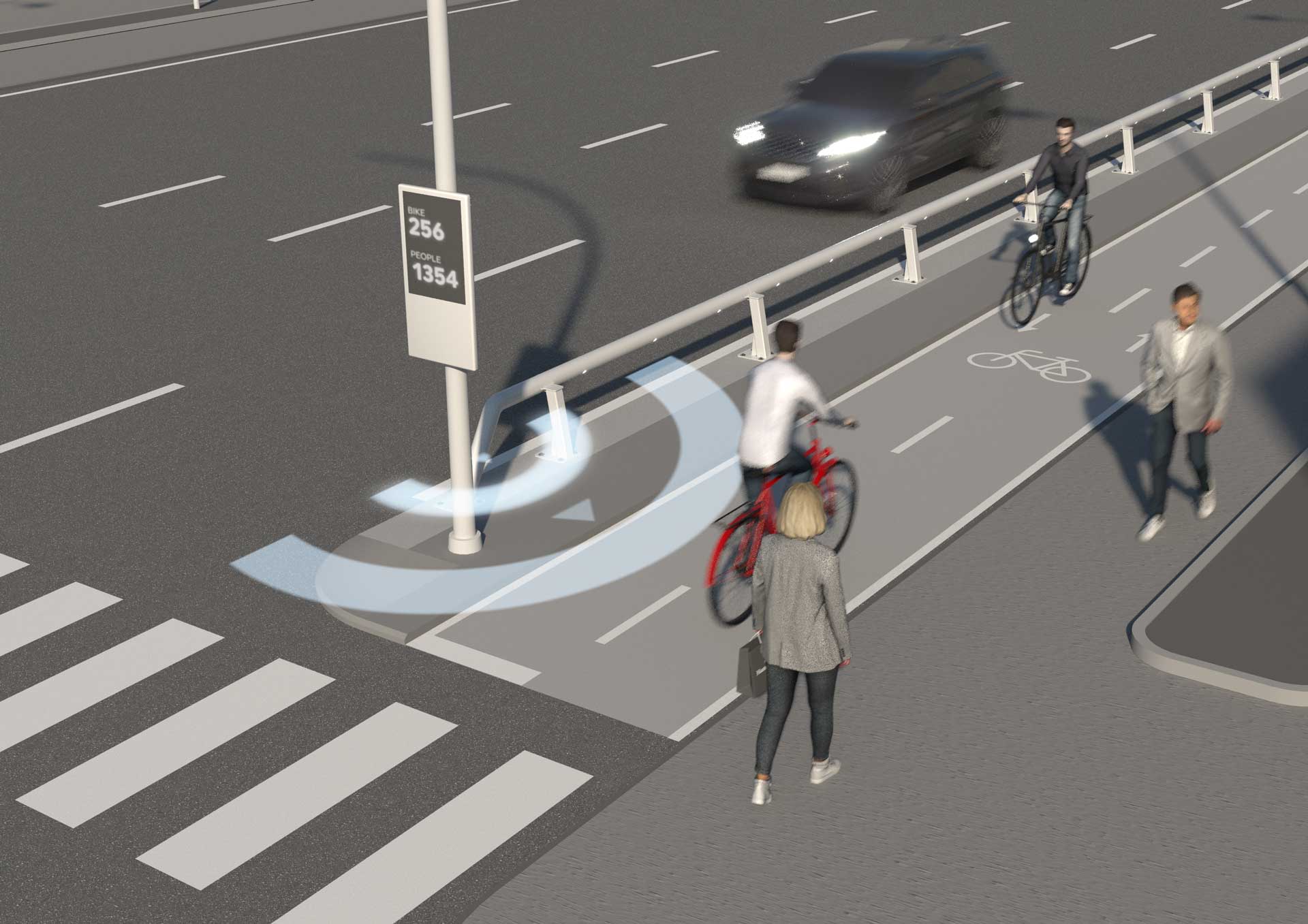
Environments of action of Active Road Safety for infrastructures
Roads are a space shared by different types of vehicles and users, from cars or trucks to smaller ones such as VMP, bicycles or even pedestrians. This means that there are a series of factors that can put the safety of users at risk, such as speeding, non-segregation of lanes, dangerous curves or sections with reduced visibility.
If we make a list of all these factors, the following would be the most important:
- Weather conditions with reduced visibility, such as fog. The reduction of visibility in the wagon is a key factor in the event of an accident, since the driver does not have a good area of visibility.
- Dangerous curves or uneven road sections. These situations can lead to accidents due to loss of control of the vehicle.
- Traffic funnels and retentions. Heavy traffic and congestion can increase the risk of accidents and decrease the efficiency of circulation. Users in a state of stress may disobey road safety precautions.
- Accidents in interurban areas. The lack of signaling and indication in certain urban areas can cause serious accidents that directly affect our citizens.
How does Active Road Safety solve problems on the road?
One of the advantages of Active Road Safety is that it can be adapted to road conditions. For example, in heavy rain, adaptive lighting systems can be adjusted to improve driver visibility and reduce the risk of accidents. Similarly, in low visibility situations due to fog or ice, sensors can detect these conditions and alert the driver to exercise caution.
Another advantage of Active Road Safety is that the risk of accidents and injuries can be reduced. Implementing specific road safety measures can help prevent accidents and minimize the impact should one occur. For example, the installation of safety barriers and warning signs on dangerous curves or uneven sections of road can prevent vehicles from running off the road in the event of driver error.
In addition, Active Road Safety can also improve traffic efficiency. For example, real-time traffic information systems can help drivers avoid traffic jams and congestion, reducing travel time and improving the efficiency of driving on the road.
If you want to find out more about this new concept and find out how Metalesa is working to make it a reality, you can consult our microsite on Active Road Safety, where we talk in more detail.

Smart Cities, an ecosystem full of opportunities
At this point we will not spend much time defining a Smart City. If you want to dive into the concept of the Smart City, we invite you to review the article on what a Smart City is that we already shared on this topic.
To complement this information, today we will explore some real examples of Smart City, as well as trends that, over time, are proving to have bigger impact on services to citizenship.
Some examples of Smart City
The United Arab Emirates have created a city whose objective is not only sustainability, but also to be self-sufficient in natural resources. It is the City of Masdar, in Abu Dhabi. It hosts intelligent buildings that self-regulate the interior temperature, and systems to minimize the effects of the sun. Public transport is autonomous and the electricity grid is supplied 100% by solar panels.
New York is one of the most populous cities in the world, and one of the benchmarks in Smart City in the United States. In 2015, the so-called 'BigBelly' were introduced, rubbish bins equipped with wireless sensors to control their capacity, allowing the waste collection service to program routes more intelligently. This system includes a solar-powered trash compactor that helps increase the container's capacity by five.
In Amsterdam, 67% of journeys through the city center are made by bicycle. Although surprising, bike traffic jams happen usually at rush hour. In recent years, the city has deployed a network of sensors and a traffic management system for bicycle users, in such a way that, during those hours of greatest occupation, alternative routes can be defined and proposed to users to speed up travel .
The case of Barcelona
We can also find many examples of Smart City projects in Spain, for example, in Barcelona.
Urban transport systems have introduced hybrid buses, solar panels on bus shelters and the routes of the bus network have been optimized to be able to make 95% of trips with a maximum of one transfer between two destinations in any city . All this thanks to big data and the analysis of the influx of users and their routes.
Waste management has also incorporated digital technology in a similar way to New York. A container system with the capacity to generate a vacuum system allows the elimination of bad odours, at the same time, it incorporates available capacity sensors in real time that communicate to a centralized system that allows optimal routes to be optimized every day.
A smart street lighting system with low-energy bulbs and sensors that can measure humidity, temperature, air pollution, and the presence of people or noise is used throughout the city. In this way, the lighting intensity is adapted autonomously, reducing energy consumption. This is usually one of the first measures deployed in any Smart City as it offers direct savings on energy bills at a very reasonable cost and with technology that has already been widely tested in a real environment.

Trends for Smart Cities
Smart Cities are not a thing of the future, they are very much of the present. We refer to the previous examples on how a public service can be optimized with the application of technological projects. But not everything goes. Disruptive solutions can be invented and ingenious projects deployed, but in the medium term, which ones will actually have real success colonizing the majority of cities? What ideas or technologies or services will be the ones that will capture the attention and budgets of municipal administrations?
The first reflection is that this will depend on each city. Depending on your location, population, culture, idiosyncrasy or even the political profile of your rulers at a given time, you will define your priority challenges. Some will advocate for traffic management and sustainable mobility, others for water management and others for citizen security among many possible lines of work.
Identifying those motivations to submit the most suitable proposals will increase the probability that an opportunity will become a real project.
That said, if we statistically analyze the most common projects, we see common trends.
Technological infrastructure Data interoperability
A Smart City would not be such if it does not have sensors that collect a flow of data on which decisions can be made to improve or manage the resources available. This information already demonstrates a large volume and will be exponentially growing in the future. For this reason, it is necessary to work on sufficient storage capacity, on robust communication networks and on management software that is as centralized and open as possible to guarantee the correct processing of data in real time and interoperability between services and administrations. Without investing in these technological infrastructure capacities, it is almost impossible to advance in the deployment of the Smart City.
Cybersecurity
All data collected and stored is highly valuable information that must be protected to prevent cybercrime. Let us remember that many of them may refer to personal data or behavioral habits of citizens, who expect maximum privacy in exchange for providing them.
For this reason, cybersecurity is one of the critical aspects that administrations must work on. Citizens will only join the wave of the Smart City if they feel to a certain degree confidence that their data is protected, and that there is no fraudulent, partisan or economic use of it.
Smart traffic management
In large cities, traffic is usually a major problem that generates major headaches for managers and citizens. In addition, its consequences in terms of air pollution and noise are very negative.
The implementation of technology (cameras, sensors...) that allows obtaining real-time data on traffic in order to optimize routes is an obvious line of work. For this, the use of classic urban equipment as a platform in which to integrate digital technology should be considered. For example, intelligent containment systems can contain impacts when there are road exits, but also prevent accidents and provide statistical information in real time.

Public lighting service or waste management
Public lighting represents a very high expense for the city's bill. For many years now it has been confirmed that an investment in autonomously controlled LED technology for lighting regulation is a technically robust and profitable project in the medium term.
The digitization of the waste collection service has started later but, as we have explained, there are already numerous pilot projects in this line.
Useful projects for Smart Cities
Smart Cities cannot be the new excuse to place technological services without value. Each proposal must quantitatively demonstrate resource efficiency, sustainability, useful information, or a better experience for people. And ideally several of these benefits combined.
At Metalesa we have been working for many years to provide optimal solutions for Smart Cities, thinking of the ultimate benefit that citizens will obtain, for example, our Metaurban® SMART, the world's first smart urban parapet with active road safety, which not only contains, but also prevents and informs. An innovation that invites the private sector to transform urban equipment and take it to a new dimension by integrating it into the Smart City ecosystem.
Whether you are from a public administration and are looking for ideas, or a company interested in developing new products and looking for alliances, do not hesitate and contact us. We will be happy to help you and explore ways of collaboration.
Does 5G sounds familiar to you? How can you help the cities of the future?
Even if you don't know exactly what it is, you've surely heard of something called '5G'. 5G connectivity will be the fifth generation of communication networks, and will progressively replace the current 4G network. Currently, we already live in a hyper-connected environment and in cities designed under smart city models specially built to make life easier for people, respect the environment, and in general, to evolve towards more efficient cities in every way. But 5G connectivity opens the doors to a new world where we can go much further.
Normally starting in urban environments, this new generation of wireless connectivity allows the deployment of an immense network of sensors and interconnected communication nodes that will be able to satisfy new needs, for example, improvement in road safety. But before we get to that point, let's go in parts.
What are the advantages of 5G connectivity?
- More speed: Technological revolution and speed go hand in hand. With 5G connectivity you can navigate up to 10 times faster than with current 4G networks. This will not change our lives in terms of the level of service to which we are accustomed when we surf the internet from our Smart Phone, but it represents a differential change for the operation of services in which immediacy is critical.
- Less latency time: Latency refers to the response time of the network, which will allow us to connect practically in real time, without waiting.
- More devices connected at the same time: Have you ever been to a massive concert or a sporting event and have run out of coverage? These limitations are normal with the 4G network but we will forget about them with the 5G.
But this new technology goes far beyond being able to connect many mobile phones at the same time; Any electronic device may be connected, for example, vehicles, urban equipment, industrial robots, or any device that we have at home.

5G will improve the mobility of cities. How?
Increasing security in cities is one of the potential applications of this new hyper-connected era. In this sense, from Metalesa it seems essential to know current and future technological trends, since, like any other business that has traditionally been disconnected from digital technology, the deployment of the 5G network will radically transform the way we understand mobility, urban or interurban, enabling a new world of possibilities for improvement in Road Safety. Undoubtedly, this 5G technology will be a turning point in the user experience and in the services provided by a company like ours.
Reduction in the number of accidents
As we have already mentioned, 5G will considerably reduce the response time of any wirelessly connected technological device, which facilitates better and more efficient traffic management and safety at the wheel.
For example, a car will be able to detect pedestrians or cyclists from a distance, thanks to wireless technology that will allow it to communicate with sensors located at key points in cities: traffic lights, streetlights, urban parapets, bollards, acoustic screens, cyclopedestrian railings, etc ... The fully autonomous car is closer than we think.
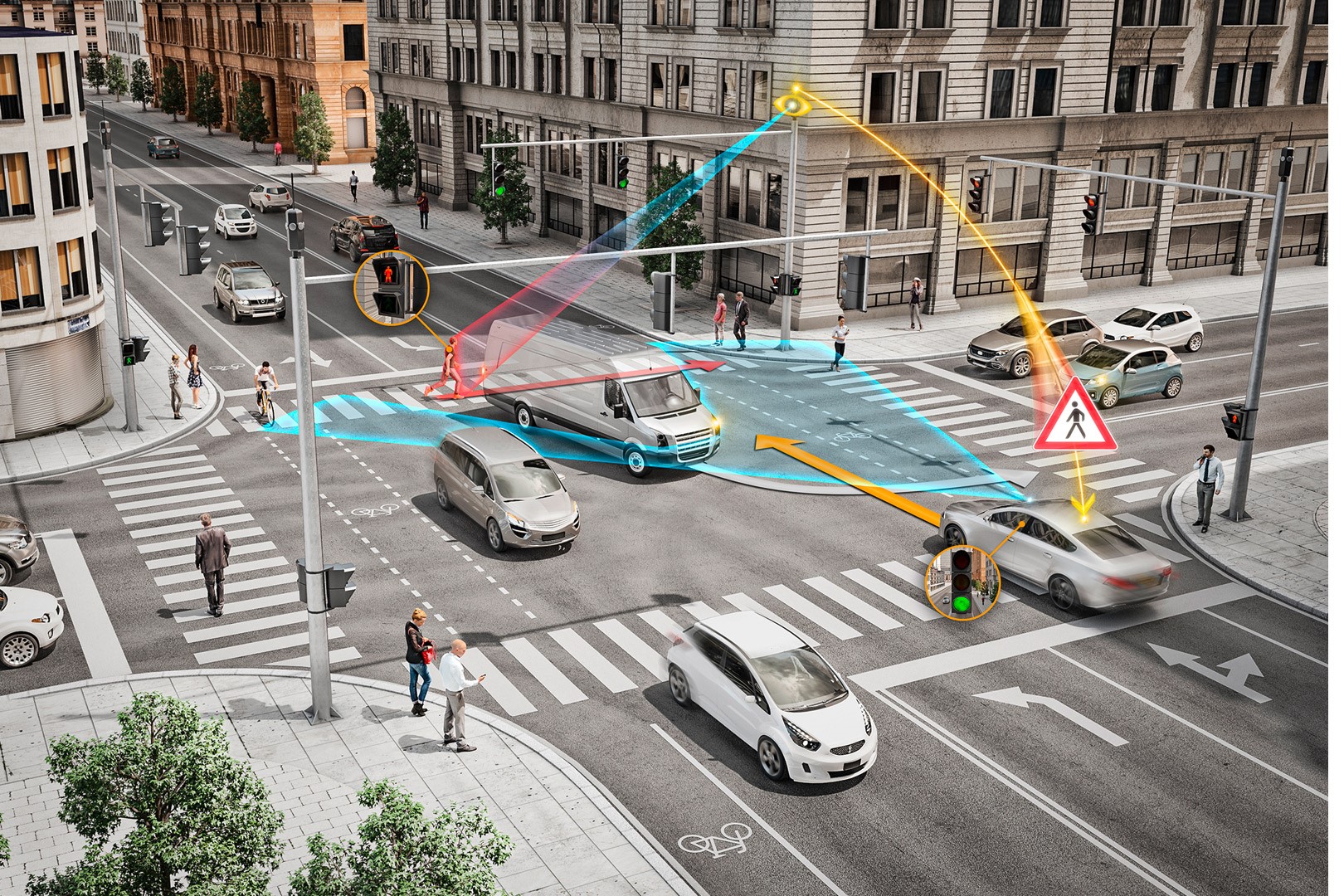
Just as cars will communicate with street furniture, city traffic itself will benefit from being able to adapt the circulation of areas with higher traffic density to other less congested areas.
5G connectivity will enable greater dynamism and increase efficiency in infrastructure management both in cities and on roads, contributing beneficially to a sustainable commitment. There are no limits to imagine how digital technology can be implemented on parapets, transitions or imposts, and of course on any element of railway equipment.
Great capacities for data processing
The goodness of 5G technology will be leveraged on the ability to deploy a data processing infrastructure that allows transforming a growing volume of data into useful information for decision-making and city management, in such a way that it offers an effective service to the citizen.
We have been talking about Smart Cities for decades, and although we are increasingly living in a more hyper-connected environment, we still have a long way to go to become a 100% autonomous society free of dangers. Be that as it may, citizens also have our share of responsibility, although technology is making our lives easier and safer every time.
From Metalesa we want to mark a change in society and help develop products for the Smart Cities of the future.
And you, how do you imagine the city of the future?

We create and believe in Smart Cities
In the 21st century, our cities are immersed in such a process of technological development, that it is not unreasonable to say that we are already living in what the cities of the future will be. Smart Cities are committed to innovation as a force for change, its aspiration lies in improving the quality of life of its citizens and making a more efficient and sustainable consumption of resources
At Metalesa we have been researching for a long time to develop products and services that have SMART technology, hence we have several projects underway to lead the future market for the 'smart transformation' of transport infrastructures.
What are the features of a Smart City?
- Collaboration: Not only companies have a voice in Smart Cities, it is about creating collaboration synergies between companies, municipalities, citizens ... we can all contribute to improve the sustainability of our cities!
- Planning: In a Smart City, decisions must have a reason. What is it missing in my city that would make life easier for people? When facing an opportunity, technological and innovation tools available in the market are analysed to develop product or service.
- Creativity: Technology, innovation and creativity go hand in hand. This combination allows us to create solutions that make a difference from what has previously been used.
- Sustainability: It is one of the fundamental legs of Smart Cities. Each contribution to our city must seek for sustainability in the environmental field. The road to Smart Cities is a positive evolution in every way!
In this way, it is not only about innovating, but also a sustainable city must set the objective of achieving efficiency and sustainability through people and technology.
Some conditions to become Smart City
- To have a social, environmental and economic development based on sustainability criteria.
- Carry out good management of natural resources.
- Citizens are committed to the values that characterize a Smart City.
- Urban infrastructure and equipment are equipped with technology to provide public services that make life easier for citizens.
At Metalesa we create Smart Cities
Not only we create them, but we also believe in them. From our very beginnings, our vision and the values that have characterized us have always prioritized being a leading company, and therefore we are currently very aware of the great opportunities that cities offer us at the level of innovation.
For this reason, all throughout our history we have been able to contribute with our experience to those cities that have needed our services. For example, all our processes are carried out under the philosophy of Industry 4.0, use of technology in all operations of our company.
Our modern containment systems are designed to be incorporated into the future ecosystem of a Smart City, always starting from the basics, guaranteeing road safety. Summing up, the benefits of living in a Smart City are numerous, as they are fuelled by improvements in information and communication technologies which exponentially increase their effectiveness in its service to the citizens. Are you betting on a smart city? Contact us and we will show you all the possibilities we offer in technology, innovation and creativity for urban environment.


Industry 4.0 and road safety
At Metalesa we are well aware of our great responsibility since looking after people security is our goal. Thus we keep a close eye to all technological updates and breakthroughs that may bring benefits to our sector. Industry 4.0 is a wave that need to be taken.
What is industry 4.0?
This concept is not new, and indeed it is becoming global social phenomenon. It refers to the addition of digital technology to all manufacturing processes to an extend that it is considered the fourth industry revolution. Now, a little bit of history.

FIRST INDUSTRIAL REVOLUTION
By the end of XVIIIth century, steam machine burst meant the beginning of the First Industrial Revolution. No doubt road safety sector faced new challenges with railway mechanization. But lot was lacking yet until today’s situation, this was only the launch of the industrialization.
SECOND INDUSTRIAL REVOLUTION
Second Industrial Revolution started around 1870. New energy sources like gas, petrol and electricity drove a great acceleration in all senses. Furthermore, it opened doors to internationalization.
THIRD INDUSTRIAL REVOLUTION
2006 is commonly considered as the beginning of the third phase of industrial growth. At that time, industry was pushed to the need of more renewable energy sources, which led to the will of directing all efforts to more sustainable objectives. TICs and automation played a key role.
FOURTH INDUSTRIAL REVOLUTION
No matter third revolution as starting to be protagonist, it was with fourth revolution when all capabilities started to bring together synergies. It is considered to be started around 2011 and the truth is that since then, technology has been pushing forward industry operations to a new level.
How does Industry 4.0 impacts on road safety?
The technology transformation power is unquestionable. It allows to simplify, accelerate and optimize all industrial processes, that’s why any road safety company that has not embraced yet this digital transformation will be left behind. This is not Metalesa’s case.
Our infrastructures
We have strategically adopted Industry 4.0 in all areas of our business: from employee security to communications or manufacturing digital software .
Bridge barriers and cornices
Contention systems that have been tested with real crash essays. Furthermore, its materials are exposed to anticorrosive treatments.
Regarding cornices, in Metalesa we innovate each day with designs that allow to host either canalizations with water, gas, electricity or telecommunication supplies.
Noise barriers and panels
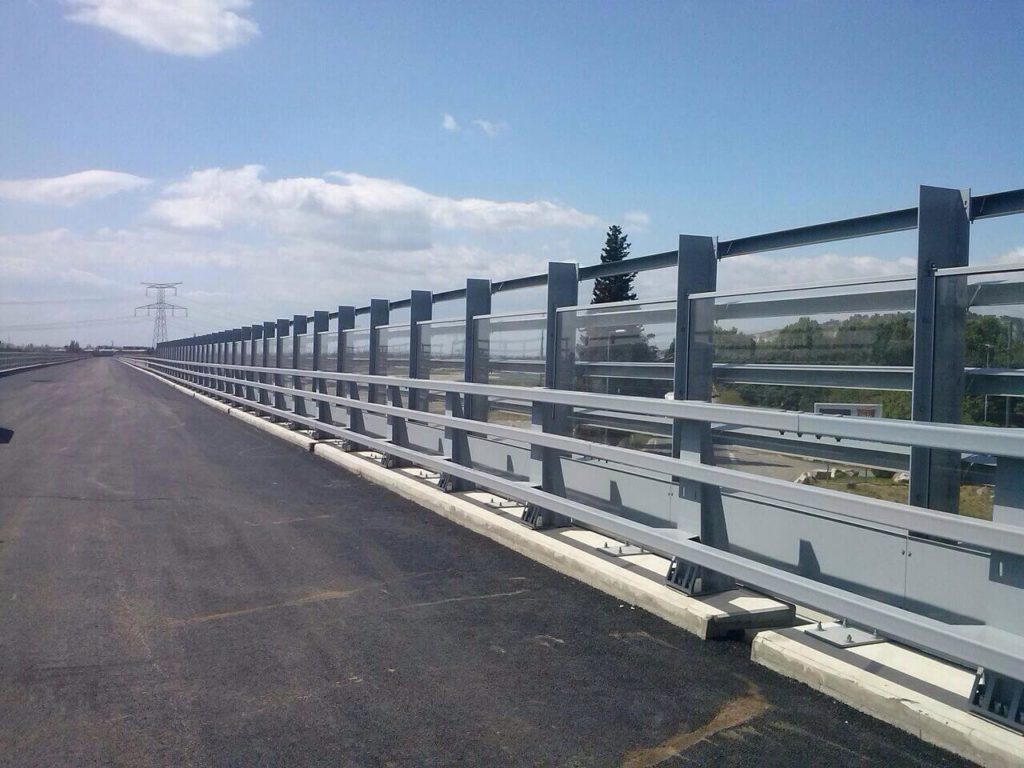
We manufacture noise barriers of a number of different materials, from steel, aluminium or methacrylate to fight noise pollution to bird anti-collision, to even some “vegetable” that can be integrated in an environmental friendly way. In Metalesa we provide the most suitable option for any project or need; security, noise isolation and aesthetics can go hand-in-hand.
Handrails and Fences
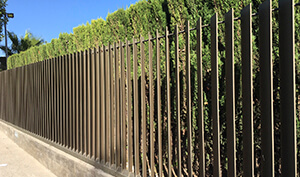
These handrails can be installed either in railway infrastructures or over bridges and viaducts. Hence, we adapt to any type of structure and with a wide variety of materials. Following high quality standards, our handrails are exposed to anticorrosive treatments with three possible finishes: hot-dip galvanized, thermo-lacquered or both combined at the same time.
Our engineers optimize anchoring systems with breaking-edge calculation technology so that best results are achieved in handrail installation and performance.
Of course, looking after the people in charge of our processes and equipment is one of our priorities. We have always extrapolated our concern for road safety to our people’s security,
Equipment for railway and tunnel infrastructures
Spanish railway network has been counting on Metalesa’s products and experience for a lot of years. We provide wide experience in manufacturing, supplying and installing metallic equipment for overpasses like ADIF and SNCF fences or handrails, fences for train stations or stopping places, protection for electric cables, or combined systems.
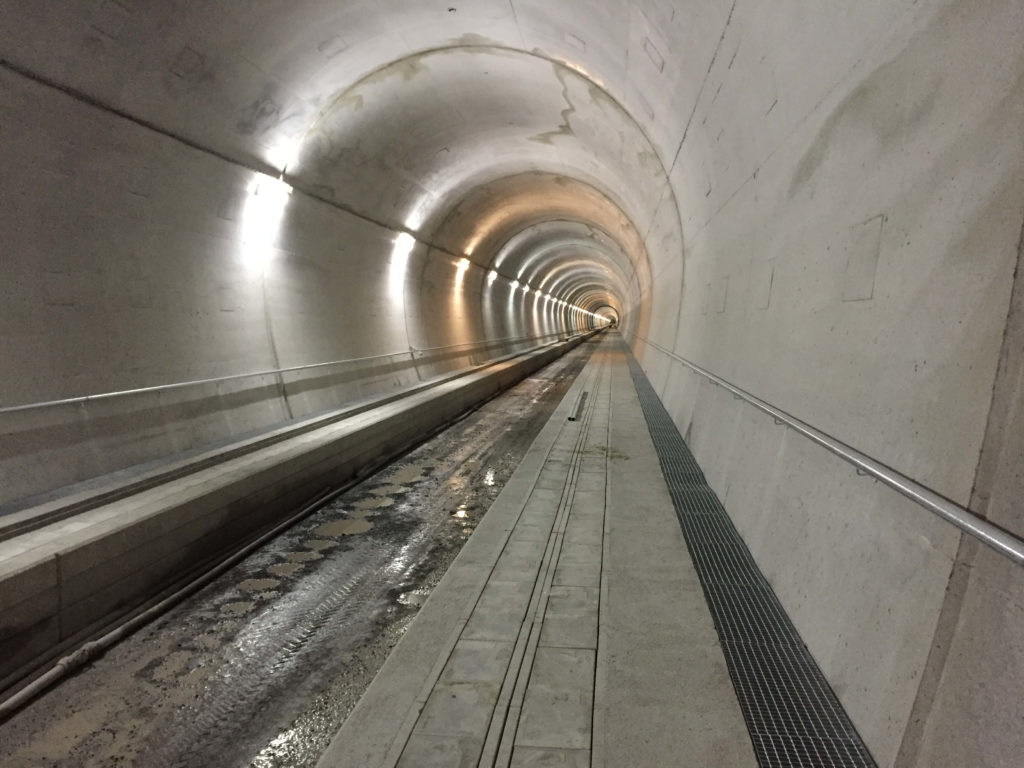
Technology is all around our manufacturing and installing processes, and believe in its advantages. Our vision inspires us to keep on implementing our technological capabilities to be at the front line of industry 4.0. Staying behind is not an option for Metalesa when it comes to innovation.
Should you require our services, don’t hesitate to contact us, all road and urban infrastructures are possible with Metalesa.

METALESA is an INNOVATIVE SME
METALESA has received recognition from the Ministry of Science, Innovation and Universities for its continuous effort in R&D with the INNOVATIVE SME stamp.
Our company has a long history of innovation, evidenced in a modern and dynamic catalogue of products and services. Every year, our team develops new ideas and brings them to the market in line with our mission to provide society with safe and high quality products.
This effort is being rewarded annually with the attainment of Reasoned Reports issued by the Ministry of Economy and Competitiveness, which shows real investment in technologically advanced and challenging projects that position us as a leading company in Europe.

Industry 4.0 is the star in METALESA
METALESA is deeply involved in a project to transform itself to Industry 4.0 over the coming years.
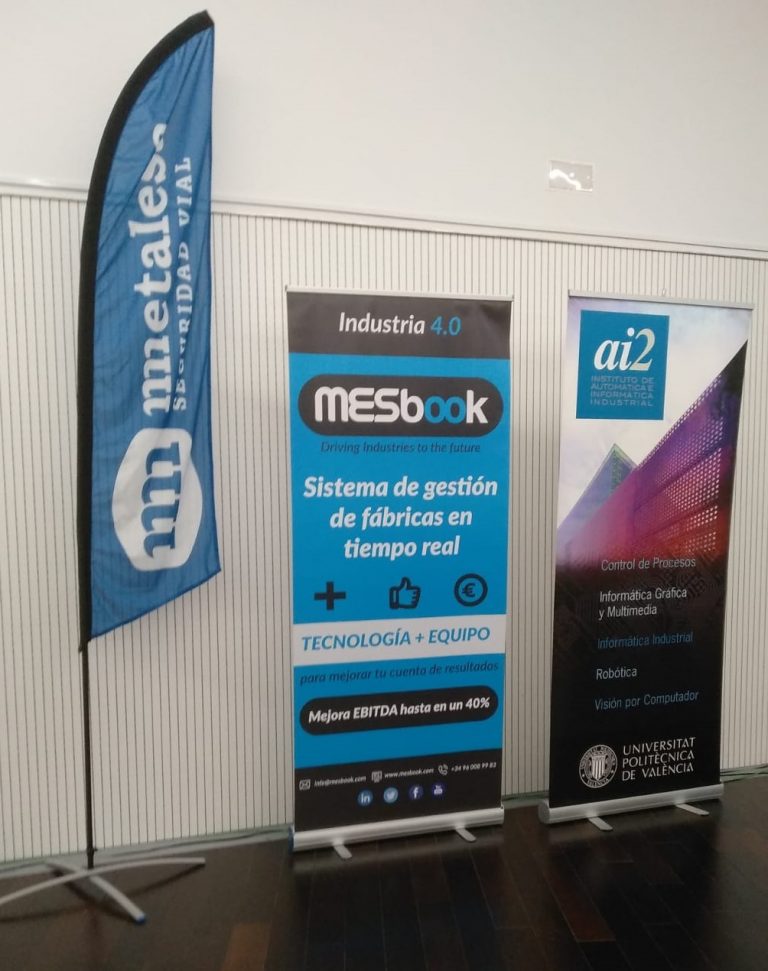
On Tuesday 2nd April and resulting from this modernisation effort, its Director of Digital Transformation spoke at the round table organised by IDEA'T, a public entity of the Torrent City Council dedicated to promoting the city’s economic development.
To raise awareness amongst regional companies of their need to address digital transformation to remain competitive in the market, METALESA shared the main pillars of the master plan governing the project.