





Noise pollution: How It affects health and how we can mitigate its effects may
Noise pollution has become an increasingly significant problem in modern society. It can originate from a variety of sources, such as traffic, industry, and construction work. Unfortunately, this noise pollution has been correlated with a range of harmful health effects, from physical discomfort to more severe psychological problems. However, although we are all exposed to noise in one way or another, there are measures we can take to reduce its effects on our well-being and protect our health.

How does noise pollution affect human health?
The World Health Organization has shown that noise exceeding 75 dB is considered excessive and painful from 120 decibels and has negative effects on human health, both physically and mentally. According to WHO, high exposure to noise can cause a series of physical ailments, such as hearing loss, high blood pressure, sleep disorders, and even cardiovascular problems. Additionally, psychological effects can include stress, depression, irritability, aggression, and lack of concentration. All of this points to the need for greater awareness of this problem since millions of people suffer from its potential dangers.
Noise pollution is mainly caused by industrial activities such as construction work or transportation vehicles like planes and cars. In public spaces such as parks or streets, too much noise impacts the environment we live in, creating discomfort that negatively affects people’s well-being.
Sources of noise pollution
Environmental noise is a significant problem that has become increasingly common in recent years. Besides being an unpleasant nuisance, it can have serious consequences for the auditory canals of both humans and animals. There are many sources of noise, including transportation systems, industrial machinery, and even people and animals.
The main sources of noise are constructions, transportation systems such as trains, buses, boats, cars, and planes. Motor vehicles not only generate audible sounds but also vibrate, which amplifies their sound-producing capabilities. Moreover, the high concentration of traffic in urban areas raises noise levels even more significantly than in rural areas. Industrial equipment is another source of noise pollution, as it often produces powerful sound waves at high frequencies that can persist over long distances.

Solutions to reduce noise pollution
Noise pollution has become a major problem in many metropolitan areas across Spain. It is estimated that thousands of people are exposed to noise levels that exceed safe thresholds, and with increasing urbanization, this number is likely to rise even further. Fortunately, there are some simple steps that can be taken to reduce noise and make our cities more pleasant places to live.
One way to reduce noise from cars and other vehicles is to implement speed limits on roads and highways. Doing so would not only help reduce the amount of noise present in city areas but also improve overall safety conditions for citizens. Additionally, investing in quieter transportation options, such as electric or hybrid cars, can also help significantly reduce noise levels in cities over time.
Furthermore, the installation of barriers such as noise walls around noisy construction sites can greatly reduce their impact on surrounding neighborhoods.
Benefits of reducing noise
Reducing noise can bring a range of benefits to both individuals and society as a whole.
Firstly, reducing noise pollution can improve the health of those regularly exposed to high levels of noise. Studies have found that exposure to loud noises can lead to increased stress levels, difficulty sleeping, decreased productivity, and an increased risk of cardiovascular diseases. By reducing the amount of noise pollution present in our daily lives, we can help protect people from these negative impacts associated with excessive sound levels.
Additionally, reducing noise pollution can also benefit businesses by improving the academic and work performance of employees.
Governmental and community solutions
The Spanish government, through the Ministry of Transport and Sustainable Mobility, is working to adopt noise mitigation measures in its infrastructures. To this end, multiple public tenders have been launched in recent years to deploy these solutions. It is expected that this policy will remain stable in the coming years due to the need to implement European directives on noise pollution.
For some years now, any new infrastructure construction project incorporates an environmental impact study, possible solutions, and budget allocations to mitigate the noise generated by its operation.
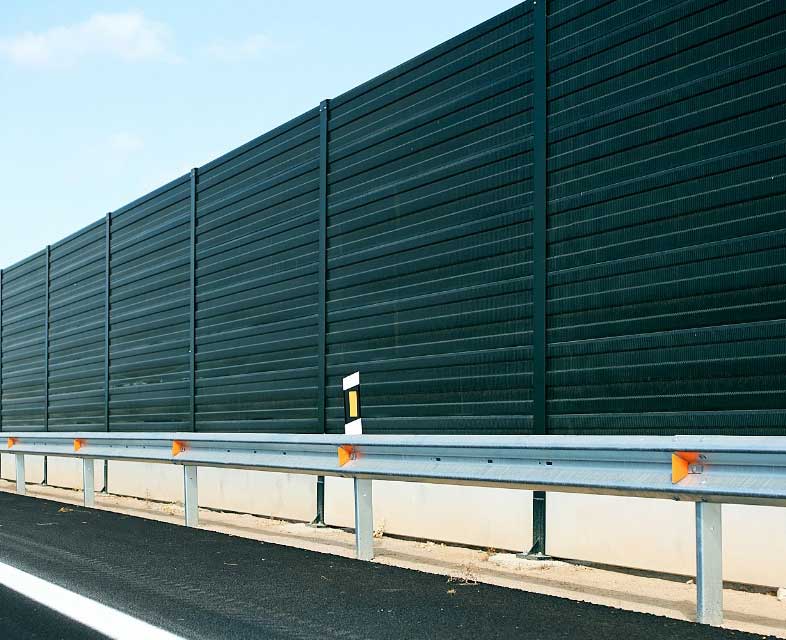
However, the main focus of investments is on updating the acoustic impact of currently operating roads and railways, mainly acoustic screens. There are also projects for installing noise barriers around airports or other noise-generating facilities.
At the regional level, efforts are also being made to invest in updating the acoustic impact of the road and railway networks operated by the autonomous communities. Multiple initiatives are being prioritized by conducting acoustic impact studies that identify the most necessary actions.
If we, as a country, aspire to have infrastructure that operates at an adequate noise level and provide a health and quality of life service to citizens, public investment is required, and there must be a market that incentivizes private companies to invest in innovation to make projects more competitive and sustainable.

Eco-goals: our sustainable contribution
Welcome to the heart of Metalesa, where sustainability is not just a goal, it is our unwavering commitment! In this article, we will look at the Eco-Targets, the four pillars that guide our mission to be leaders in environmental and social responsibility.
Solar panels: clean energy for a sustainable future
Every action counts, and at Metalesa, we are committed to significant change through solar energy. Our facilities are equipped with solar panels that capture sunlight and transform it into clean electricity. This step towards energy self-sufficiency not only reduces our carbon footprint, but also propels us towards a more sustainable tomorrow.
Did you know that thanks to our solar panels, we have covered 39.6% of our consumption needs and reduced our dependence on non-renewable sources? This investment in green technology is a testament to our commitment to the environment.
Additional benefits of solar panels
Exploring the use of solar panels goes beyond simply adopting a clean energy source; it involves immersing oneself in a series of impactful benefits that impact various aspects of our society and environment. Let's take a closer look at these additional benefits, understanding how solar panels are a comprehensive solution with significant positive impacts:
- Reducing greenhouse gas emissions: By going solar, we make a significant contribution to reducing greenhouse gas emissions, a crucial factor in climate change. Solar panels generate electricity without releasing carbon dioxide or other harmful air pollutants. This approach offers a route to a cleaner and more sustainable environment, making a direct contribution to the fight against climate change.
- Energy independence and long-term stability: Dependence on non-renewable energy sources exposes societies to fluctuating oil prices and energy crises. By incorporating solar panels, greater energy independence is achieved by harnessing an inexhaustible and free source: solar radiation. This independence not only ensures long-term stability in energy supply, but also reduces vulnerability to fluctuations in the global energy market, providing a path to long-term sustainability.
- Contribution to global awareness of renewable energy: By adopting solar energy technologies, we actively participate in creating global awareness of the importance of renewable energy sources. Solar panels are not only a practical solution on an individual or corporate level, but also serve as a beacon to inspire others to follow the path of sustainability. This contribution goes beyond the production of electricity, extending to the creation of a global community committed to a greener and healthier future.
Using recyclable materials: forging a circular future
At Metalesa, the excellence of our products is not only about quality, but also about environmental responsibility. In the manufacture of every item, we are committed to using recyclable materials, thus driving the creation of a circular future and significantly minimising our impact on the environment.
This conscious choice means much more than just producing durable goods. By opting for Metalesa products, you are making a decision to support solutions that go beyond your individual needs; you are supporting the preservation of our planet. Our unwavering dedication to recycling is not simply a duty we fulfil, it is a promise we seal with every product that leaves our facility.
Imagine a world where every product not only serves its purpose, but also contributes to a sustainable cycle. At Metalesa, we're not just building products, we're building a future where responsibility and quality are intertwined to form a lasting commitment to the health of our planet.
Sustainable innovation in our commercial fleet: towards electrification
At Metalesa, we strive to not only deliver quality products, but to do so in a sustainable manner. Have you ever wondered how we achieve this balance? The answer lies in our commercial fleet, a tangible manifestation of our commitment to electrification and the reduction of pollutant gas emissions.
Our fleet, your benefits:
We explore the salient details that make our fleet a model of sustainability:
- Hybrid vehicles: By opting for electrification, we have incorporated hybrid vehicles into our fleet. These vehicles not only consume less fuel, but also emit less polluting gases, marking a firm step towards reducing our carbon footprint. Every delivery we make becomes a conscious act towards a healthier environment.
- Advanced technology: We don't stop at electrification; we have integrated advanced technology into our fleet to maximise efficiency. Real-time tracking of our routes ensures that every journey is planned as efficiently as possible, reducing unnecessary driving times and further minimising our environmental impact.
- Constant innovation: Innovation is part of our identity. We constantly explore options to improve our fleet and thus our contribution to sustainability. From evaluating new technologies to sourcing alternative fuels, we are in a continuous search for greener and more efficient methods for our delivery operations.
Every delivery we make is not just a product arriving at its destination; it is a step towards a more sustainable and environmentally friendly business model. At Metalesa, we are moving towards electrification in the knowledge that every choice counts in building a future where innovation and sustainability go hand in hand.
Zero discharge wastewater treatment plant: taking care of our water resources
Our responsibility is not limited to air and land; we also embrace water. We operate a zero discharge wastewater treatment plant, ensuring that our production processes do not negatively affect the quality of nearby water resources.
How does this contribute to general well-being?
- Water conservation: We avoid contamination of local sources.
- Community engagement: Our responsibility to those around us.
- Transparency: Accessible information about our practices.
Join us on the road to a sustainable future
At Metalesa, every action we take is driven by the desire to contribute to a more sustainable world. Our Eco-Targets are more than just goals; they are the core of our identity and the engine that drives our commitment to sustainability.
Ready to be part of the sustainable revolution? Join us on this journey and choose products that not only meet your expectations, but also contribute to a greener, healthier planet.
Frequently asked questions:
- How do solar panels contribute to sustainability? Solar panels capture the sun's energy and convert it into electricity, reducing dependence on non-renewable sources and reducing greenhouse gas emissions.
- Why is it important to recycle in the manufacture of products? Using recyclable materials in manufacturing helps reduce demand for natural resources and minimises waste generation, thus contributing to building a more sustainable future.
- How can I contribute to zero landfill? As a consumer, you can choose to support companies committed to sustainability and responsible water management, such as Metalesa. By doing so, you indirectly contribute to the goal of zero landfill.
Act today for a more sustainable tomorrow! Explore our product range and choose sustainability in every purchase. Together, we can build a greener, healthier world.

International Noise Awareness Day
Today is International Noise Awareness Day, a day to contribute in making our society understand the importance of reducing noise for our health and the environment.
Noise is usually defined as «Inarticulate sound, generally unpleasant». Today we live with noise everywhere due to the noise pollution produced, among others, by vehicles. The noise pollution to which we are exposed in our day to day life can cause serious consequences such as hearing loss, sleep disorders or cardiovascular diseases. Cities are taking more and more measures against these annoying sound, however, there is much work ahead, and other facilities such as airports, sports stadiums or auditoriums also need solutions to isolate noise
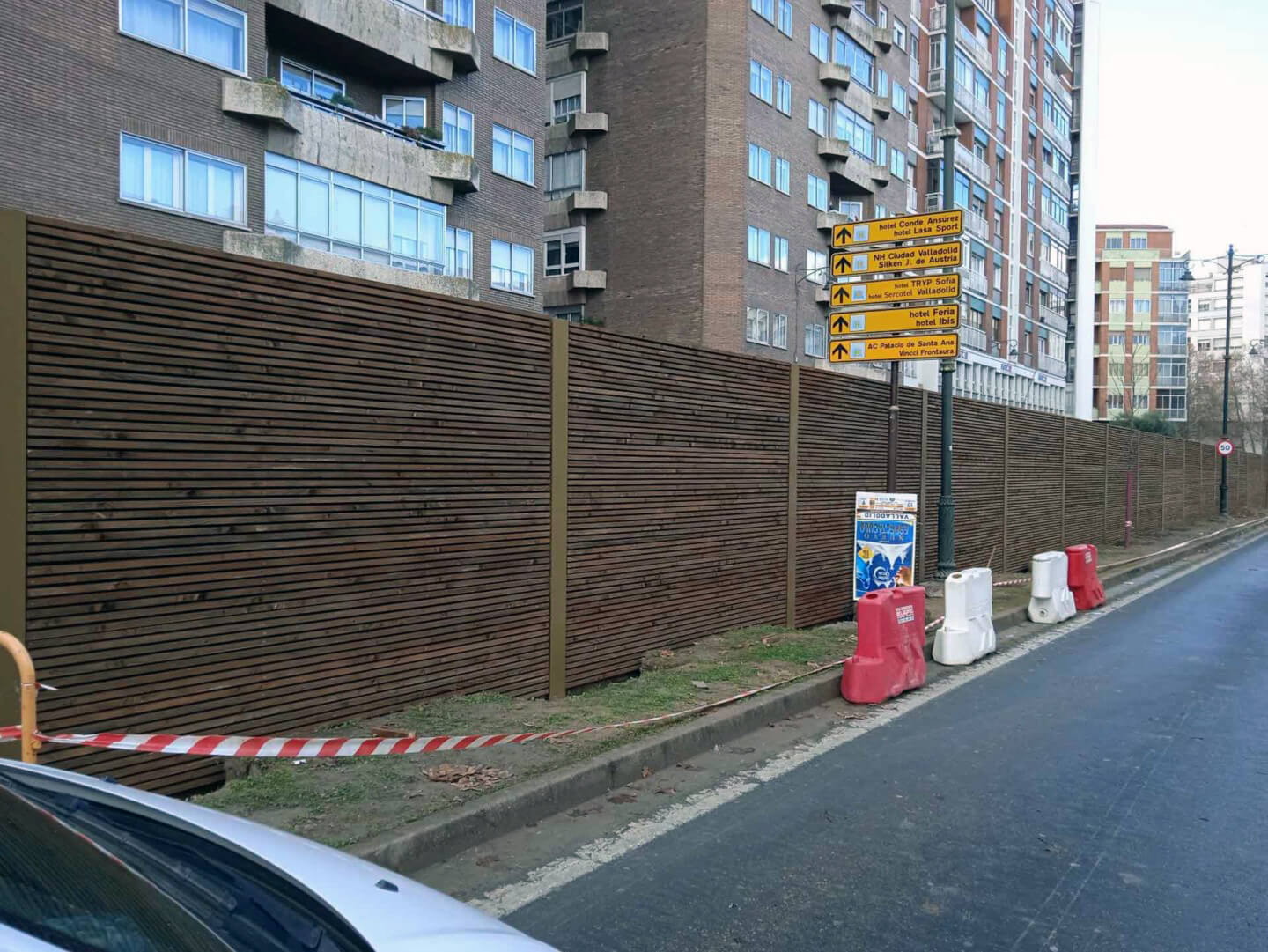
To reduce noise in urban spaces, we have a wide range of products that will combine with each space according to its style. Acoustic screens are an efficient and aesthetic solution that can be used in any of the cases.
Metagreen acoustic screens
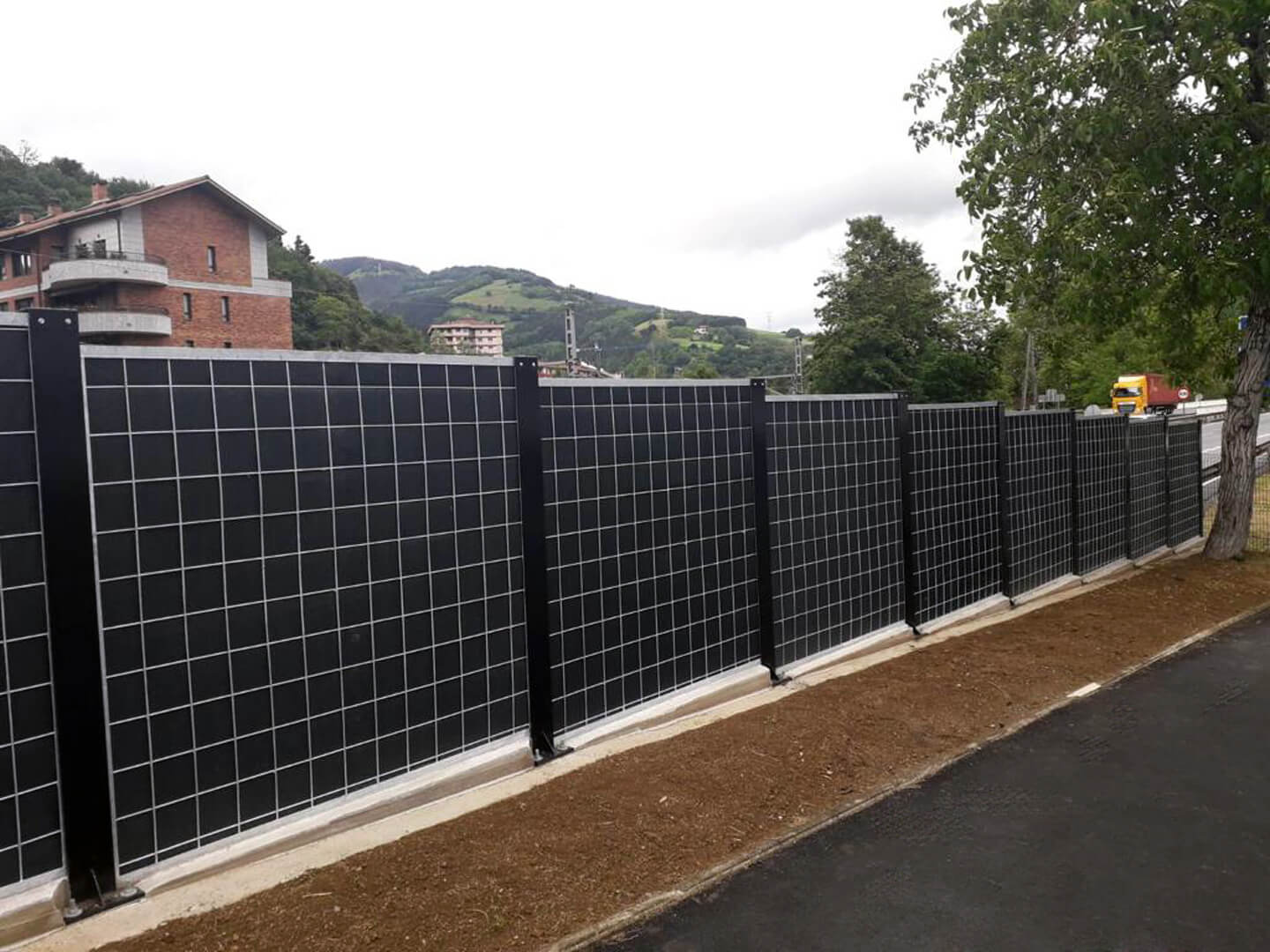
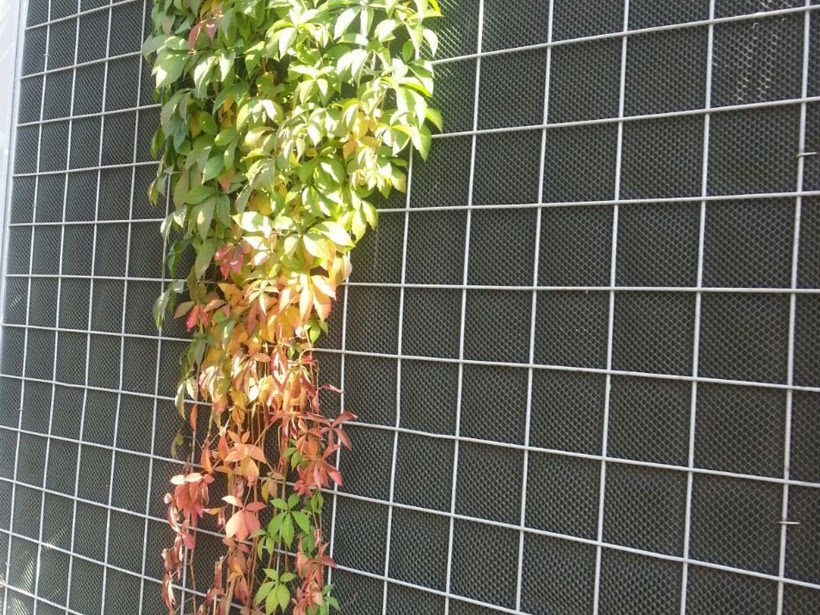
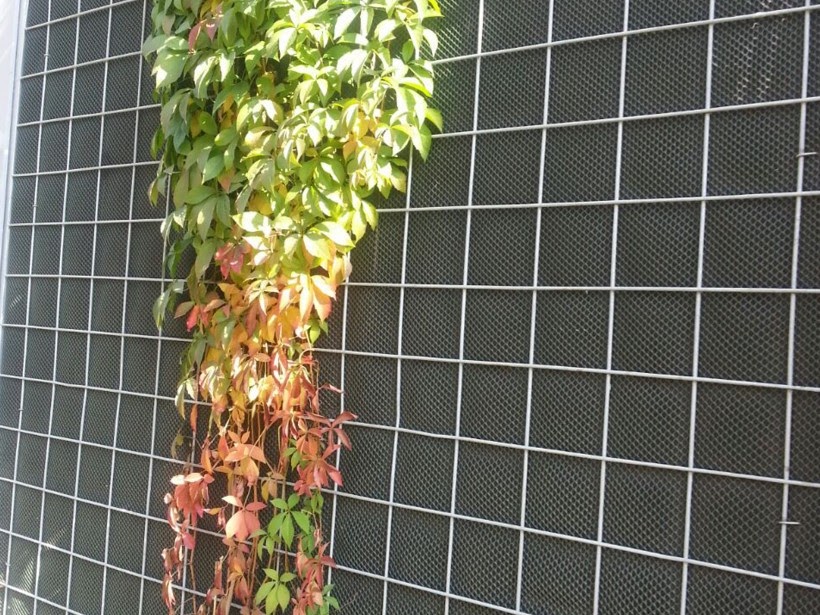
These screens are our most sustainable acoustic screens and not only they perform their job against noise, but they also contribute to sustainability thanks to their built-in vegetation and the use of recyclable materials in their manufacture. Vertical Garden Concept.
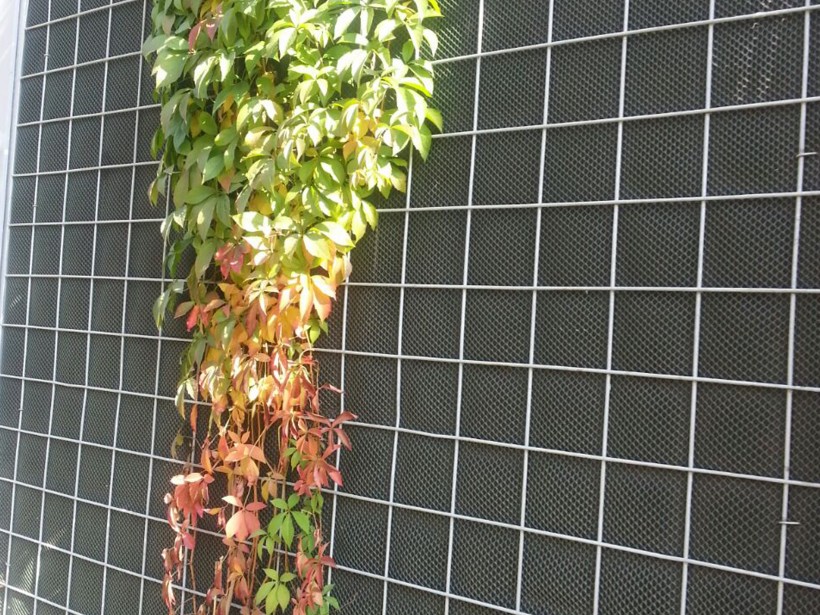
These are screens made up of an interior of rock wool as the main material to absorb external noise and an exterior of micro-perforated plastic mesh thanks to which vertical vegetation will grow.
These screens offer an ecological and natural appearance, perfect to be installed in urbanizations and private areas where they will give the appearance of a vertical garden. Its galvanized treatment offers a long durability of these screens that insulate and absorb noise magnificently.
Methacrylate acoustic screens
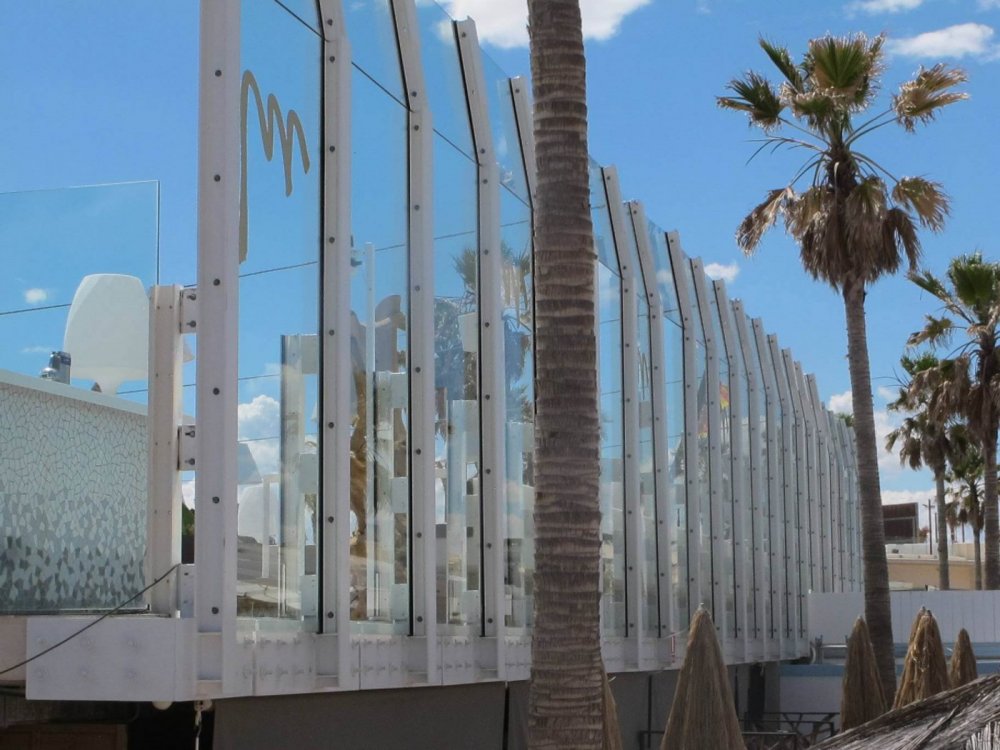
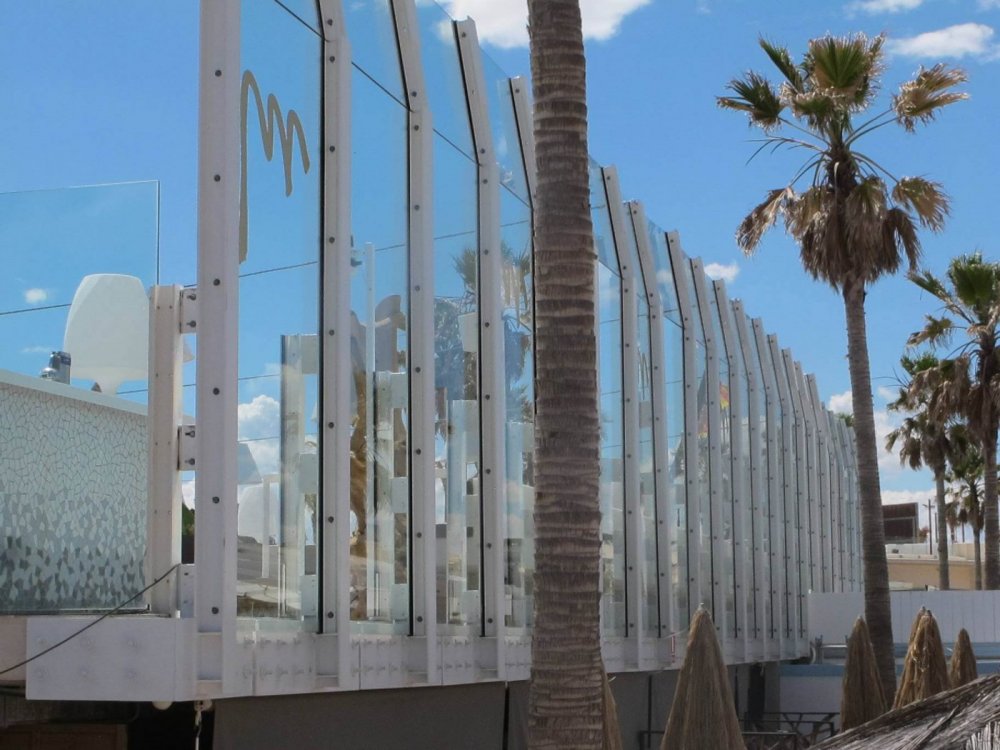
Acoustic methacrylate acoustic screens are ideal for not losing light and ensure a visual sensation of spaciousness. It is an insulating panel that consists of a polymethacrylate sheet in a structure made up of synthetic rubber gaskets.
The methacrylate panel configuration achieves maximum insulation. It integrates with the landscape thanks to its transparency and/or colors. These screens can be combined in the personalized model with other materials, achieving a product that completely adapts to the aesthetics of your city.
Metawood acoustic screens
Wood also offers a touch of nature like Metagreen screens, but they can also be combined between wood vertically and horizontally to achieve different aesthetic effects.
Metawood screens have rock wool to isolate sound as well as a black protective veil that protects the panels from erosion and moisture.
Wood acoustic screens provide excellent insulation and maximum absorption. Its wooden aesthetic integrates perfectly with the landscape and the treatments they require are respectful of the environment.
Concrete acoustic screens
It is made up of a double layer of reinforced concrete structure and sound-absorbing porous concrete. These concrete acoustic panels can be the color of the concrete or painted smooth or with decoration.
It has good acoustic absorption. Isolates sound excellently. It is a very durable structure with low environmental impact, recyclable and without waste.
Customized acoustic screens
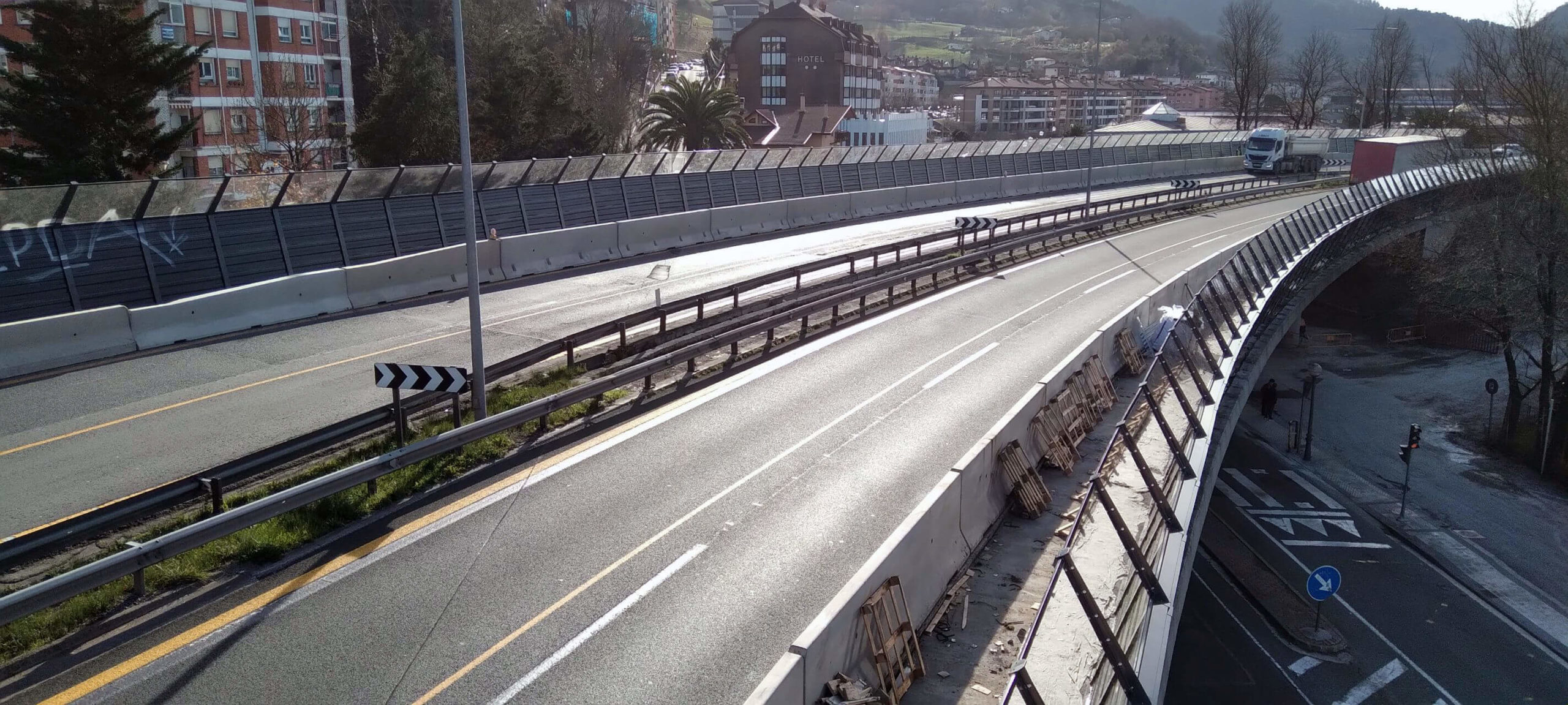
We can also create personalized noise barriers by combining different panel models, being able to design acoustic screens completely to the client's taste and adapted to the needs of each space.
It must be taken into account that the product that really performs the absorbent function is the rock wool housed inside, so the exterior can be designed to fit aesthetically with the space without affecting its properties.
These solutions that we describe for urban areas are applicable to isolate traffic noise on highways, where the installation of steel or aluminum acoustic screens is more common.
Steel or aluminum acoustic screens
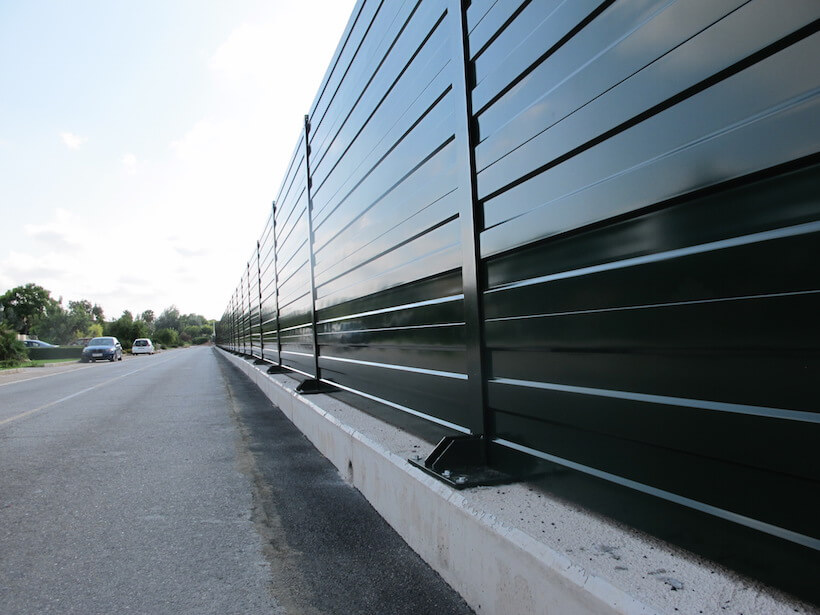
Both the steel and aluminum acoustic screens are made up of a noise-absorbing layer, an inner layer of rock wool that isolates this noise, and the reflective layer so that the remaining noise does not pass through, but bounces back. Finally, to guarantee this acoustic performance, these panels are closed with polypropylene side covers.
They are a fantastic option for their insulation and absorption capabilities. In addition, they integrate with the environment thanks to their various designs and available combinations. Being a modular structure they are light and easy to install. They are also resistant to wind loads and rail traffic overpressure, a performance accredited in laboratory tests.
Acoustic screens can be temporary or fixed and the installation varies according to type. Among all the solutions that we offer in Metalesa, a previous acoustic study will always be assessed to guarantee the best solution against noise that adapts to the needs of the space. You can compare our screens in the product comparator or contact us, we will be happy to help you.

World Environmental Education Day
Every January 26th we celebrate the World Environmental Education Day. Obviously, it is not a day of celebration but of awareness instead. As a society we have taken some steps to preserve the environment, but we still have a long way ahead.
On this very necessary day, we seek to sensitize society about the relationship between human development and the conservation of the planet. There two phenomena must go hand by hand, supporting each other and not in opposition as it used to happen a few decades ago. At Metalesa we believe that it is necessary to stop and reflect on this, because we care about people and improving their quality of life.
Origin of World Environmental Education Day
Let’s start by giving context to this article with a little background on World Environmental Education Day.
It has its origin in 1975, the year in which the International Seminar on Environmental Education was held in Belgrade (Serbia). At that event experts from over 70 countries participated and established the principles of Environmental Education within the framework of the United Nations programs. As a result of this milestone, known as the Belgrade Charter, the fundamental demands of Environmental Education were reflected.
Since then, every January 26th, all countries use this day to promote awareness-raising initiatives on regards for the Environment. Specifically, in Spain, the Environmental Documentation and Information Section of the CENEAM (National Center for Environmental Education) produces each year a guide to fundamental resources for environmental education, very useful to begin studying, deepening and investigating, and a basis on which to launch a series of environmental education programs and activities.

Objectives of environmental education
In general terms, Environmental Education aims to achieve the following goals:
- Awareness: Help people, both individually and collectively, acquire greater sensitivity about the importance of caring for the environment.
- Knowledge: To take care of the environment, you need to know how to do it. The population needs a basic understanding of what it means to be responsible for our environment and the resources we consume.
- Attitudes: It is essential to acquire values and promote interest in actively participating and protecting the environment.
- Evaluation capacity: Help social groups to evaluate the measures of environmental education programs.
- Participation: Help people develop their sense of responsibility by actively participating in this common goal.
Technology and Environment: an essential tandem
Human development understands that the people of a society can develop their maximum potential and lead a productive life according to their needs and interests. The increase in population, the increase in energy expenditure, the increase in the productive capacity of food … all this is very good, but we cannot ignore the fact that it also leads to environmental effects such as pollution, massive cutting of trees, depletion of water resources or global warming.
The mastery of technology to social evolution has meant that, in many situations, this development accelerates these negative consequences. However, it is also true that our actions, and how we use technology, may be part of the solution. But how can technology help reverse them?
Benefits of technology at the service of the Environment
Let’s see some examples of how technology contributes if we propose to improve the environment:
- Recycling: increase the volume of recycling and the efficiency of the recycling process of different activities and materials.
- Design of cities based on Smart Cities models: design of smart cities that satisfy the needs of the population with an optimization of the use of resources. We tell you more about Smart Cities by clicking on this link.
- Development of new forms of energy: friendly to the Environment such as wind or solar energy.
- Development of sustainable means of transport: fuel that respects the environment, such as cars or electric motorcycles.
This list could be very long, as long as the will of the whole of society wants it, because as we have said, an adequate use of technologies can have a positive impact on the protection of the Environment.
Our commitment to the environment
Every company should take into account its environmental footprint, that is, the impact generated by the service or product it offers.
At Metalesa we have always been aware of this. We know that as a company we must provide solutions and be innovative to satisfy one of the priority demands of society: the commitment to the environment and sustainability.
We achieve this task from different initiatives:
Installation of Thermo-lacquering and Zero Discharge Treatment Plant
Many of our products, for example our steel or aluminium acoustic screens, go through the thermo-lacquering process if the customer requires it. The process consists of applying a powder coating to a piece of metal that has been prepared, previously treated, and then cured in the polymerization oven.
Powder coating process is very respectful with the environment as it is a clean coating. The powder paint we use does not contain solvents, and the powder that does not adhere to the part is recovered for reuse. This use of almost 98% represents a reduction in the amount of waste generated.
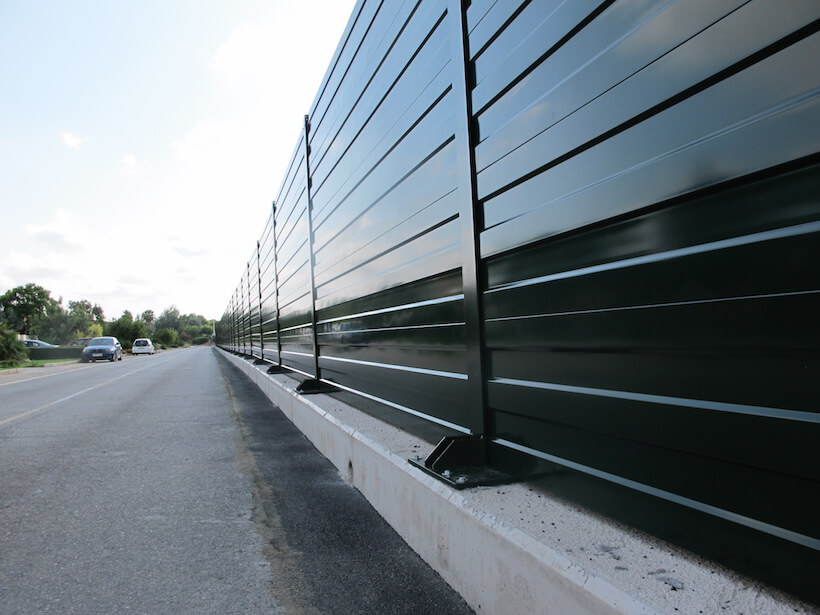
Regarding the zero discharge treatment plant, it is a technology that we use in our facilities in order to control waste and acquire a commitment to continuous improvement with sustainability. The zero discharge treatment plant allows us to contribute to the recovery of aquifers, since it allows us to reuse water in all our industrial processes through a cleaning process by electrolysis. in this way we manage to minimize the amount of water used and we manage to optimize all our resources.
Other initiatives in our facilities that favor sustainability
- Photovoltaic installation: At the end of 2020 we have installed a photovoltaic solar plant of up to 100KW of power on the roof of our factory. Technical studies estimate that with this installation we will produce up to 60% of the energy we consume per year in the development of our operations.
- Replacement of LED luminaires: In all the facilities of our factory we have installed LED lights, with this change we manage to reduce annual energy consumption by up to 15%.
- Replacing diesel trucks with electric trucks: For a long time all our trucks have been electric, therefore they do not produce CO2 emissions.
- We encourage the use of 0 paper: We try to spend as little paper as possible, and we achieve this thanks to the digitization process we are carrying out. We have managed to reduce the use of paper by up to 75%.
- Installation of EV charging points: This is one of the initiatives we have planned. We want to make different charging points for electric vehicles available to our employees throughout our facilities.
- Compliance with environmental standards and guidelines: Through our sustainable commitment, our intention is to achieve official accreditation of standards related to the Environment such as: Standards for Energy Efficiency Management Systems ISO 50001 or Carbon Footprint ISO 14067.
Our products: Acoustic Screens
One of our main products are acoustic screens, barriers specially designed to reduce a problem so harmful to people and animals, noise pollution. At Metalesa we manufacture all kinds of acoustic screens that fulfill their anti-noise function, but we have three models that are especially beneficial for our environment:
Metagreen Acoustic Screen
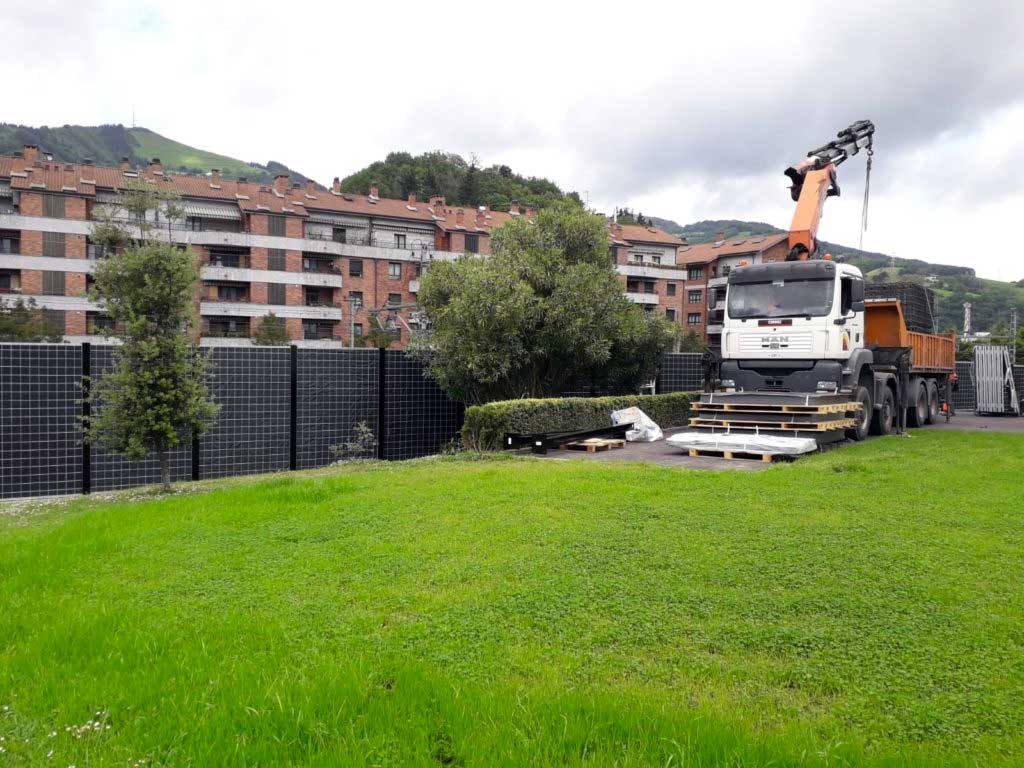
Rock wool is placed inside the plant screens, which, together with a green plastic mesh, facilitates the growth of vegetation in the style of a vine, generating in a few months a green acoustic wall, optimally integrated into the environment.
Bird Collision Screen
These types of acoustic screens are specially designed to prevent birds from colliding with vehicles or trains traveling on the tracks. This is how we achieve their preservation and protection of their migration routes.
Screens for wildlife passage
Screens for wildlife crossing are installed in overpasses equipped to protect the passage of fauna and livestock that circulate over roads or railroad tracks. These are wooden panels that are supplied with a chemical treatment that guarantees the preventive and curative action of insects and fungi, as well as solar radiation. Furthermore, the wooden panels optimize their integration into the environment.

To conclude, we will return to the task of World Environmental Education Day. To advance as a society, it is necessary to appreciate the Environment, and it is everyone’s responsibility to learn and internalize correct behaviors about it. Nature is not an inexhaustible source of resources, so we must all put our best efforts together to try to make our actions as less harmful as possible. From Metalesa we have already joined this objective. And you?

World Urban Planning Day: The importance of sustainable planning in cities
The growth of human concentration in cities and the increase in housing and traffic in urban areas are social phenomena that we have been witnessing for decades, and to which urban planning has to provide solutions. But not just any solution is worth it.
As cities grow, more needs and challenges are presented to us, and the environment is undoubtedly affected by this, a fact that we cannot afford in today's society. That cities grow is not a problem in itself, they simply have to expand and evolve, increasingly thinking about Smart Cities models, based on citizen collaboration, planning, creativity and of course, taking advantage of technology to be more sustainable. Only in this way is it possible to achieve urban and social innovation that generates the necessary efficiency in cities.
How can we achieve a more sustainable city through urban planning?
Construction of recreational areas or 'healthy enviroments'
More and more people are concentrated in cities, which generates a high concentration of people in very specific areas, where the environment is harmed, and consequently the quality of life of its inhabitants.
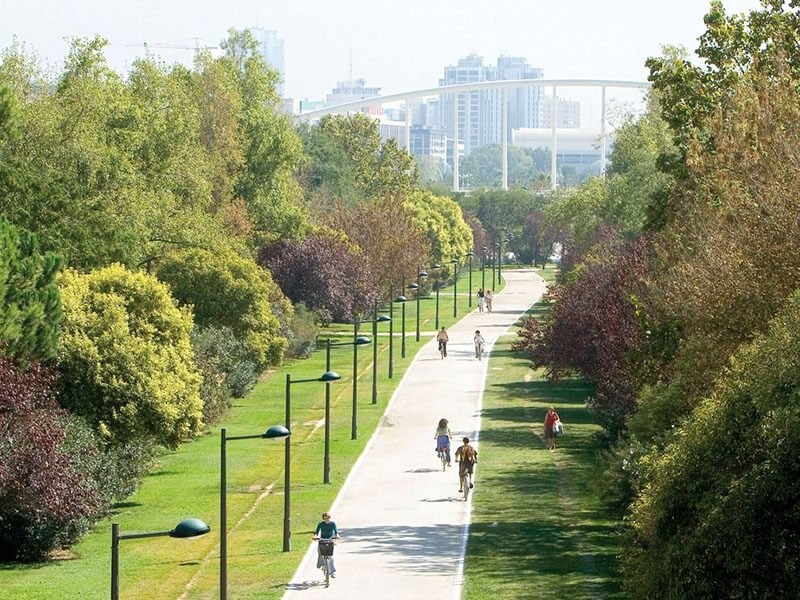
By healthy spaces we refer to areas such as parks, squares or any type of urban recreational areas that help dissipate population concentrations. In this sense, although urban planning plays a fundamental role, it is also necessary for people to become aware. A great example in the city of Valencia is the old riverbed of the Turia River, a green space almost 10km long that runs through the center of the city and guarantees a lung of oxygen for all its inhabitants.
House Building
As we have mentioned before, more and more people are concentrated in cities, so it is necessary to expand the urbanizable areas. The problem is that sometimes there is no choice but to build in areas close to infrastructures such as roads, railways, airports, or industrial zones. Any of these scenarios introduces different risk factors that significantly damage the quality of life of the people who occupy these areas.
In this sense, one of the decisions that should be included in urban planning is the installation of acoustic screens in urbanizations where an acoustic study determines that they are areas susceptible to excessive noise.

Urban Mobility
In a recent post we talked about mobility and safety solutions in urban environments, given that traffic problems and challenges are beginning to emerge as a priority for city managers.
In fact, many cities are embarking on processes of adaptation to new formulas for sustainable mobility. For example, for many years now, a more sustainable awareness of urban mobility has been promoted through the use of bicycles.
This is proven with the fact that most cities have an urban reorganization underway that includes an ambitious plan for the implementation of cycle lanes.
On the other hand, the social phenomenon of electric scooters is here to stay. Currently scooters circulate on the bike lane, but who knows if in the future specific urban routes will be planned in order to guarantee the differentiation of vehicles and safety in urban mobility. It is precisely these types of issues that are intended to be made visible and promoted with World Urban Planning Day.

Innovation through urban design: the drive towards the sustainable city
Throughout the article we have spoken to you in terms of ‘urban planning’. However, the true engine that allows sustainable development based on the characteristics of a Smart City, on the design for social innovation or ‘social design’.
Innovation and urban planning by the hand of the World Design Organization (WDO)
World Design Organization is an organization that is dedicated to promoting industrial design as a profession capable of generating products and infrastructures that help create a better society, with a special focus on the environment.
The WDO recognizes cities for their effective use of design to stimulate economic, social, cultural and environmental development; among which Valencia is included as the World Capital of Design 2022.
The objective of this initiative is to turn design into a tool for sustainable social and economic development. In this sense, design is essential to improve people's quality of life and act as an agent of change. It is about finding and gathering creative proposals that are capable of giving relevance to social design and urban innovation.
In addition, although from the name of the project it seems that everything begins in 2022, it does not. The mere fact that Valencia has already been chosen as the future World Capital of Design, is already producing collective synergies to give visibility to the problems that concern urban areas in order to give them solutions working from the local to the global.

The improvement of the environment implies research and development of new urban formulas, to which social design is capable of providing answers that benefit groups. Without a doubt, our cities are changing for the better… Thanks to transcendental proposals full of creativity, design and innovation.

How does Metalesa support our commitment to sustainability?
Contributing to the improvement of people’s lives is our general objective, but in today’s article we aspire to be much more specific, explaining specific initiatives that we carry out.
As you know, at Metalesa we take care of designing, manufacturing and installing road safety systems, urban protection systems and anti-noise equipment. But we are also aware that, as a company, we must provide solutions and be innovative to satisfy one of the priority demands of our society: a commitment to the environment and sustainability.

More and more sustainable facilities
Little by little, our facilities are evolving adopting measures that favor sustainability and reduce environmental impact, reflecting our commitment to preserving the environment.
Photovoltaic installation
We have concluded the installation a photovoltaic solar plant on the roof of the factory with which to install up to 100KW of power and be able to provide service to the factory in a remarkable way, especially in the months with the highest light incidence.
The preliminary studies of the project allow to advance an average annual external energy consumption savings of 60% with green and clean energy that, in times of excess, could be poured into the grid through new technologies and business models of distributed generation.

Replacement of LED luminaires
We have replaced the entire lighting installation in the factory and the offices with LED luminaires, managing to reduce energy consumption on an annual average by up to 15%.
While many may not need this reminder, we do share some reasons why installing LED bulbs is a more environmentally friendly option:
- They are not made of mercury or any other toxic substance.
- They are recyclable.
- They have a longer life than traditional bulbs. They can last up to 20 times longer.
- It is a cold light, so the chances of a facility fire from overheating are reduced to a minimum.
Replacement of diesel trucks with electric trucks
In the Metalesa factory we are dispensing with the consumption of diesel for our trucks, which are now powered by electric batteries. Without a doubt, an ecofriendly alternative.
Electric forklifts are 100% environmentally friendly as they produce zero emissions, therefore, they do not emit CO2 while in use. Of course, the treatment that is applied to the batteries of any vehicle once its life cycle has concluded must be taken into account. This issue is not resolved and the disappearance of greenhouse gases should not hide the fact that this point should be one of the priorities when addressing electrification in the following years of the mobility industry.
We encourage the use of paper 0
We are carrying out an intensive digitization process that aims to minimize the use of paper in the company. In this sense, with the measures taken to date, we have managed to reduce paper consumption by up to 75%.
Installation of EV charging points
Alongside the electrification of our fleet of forklifts, it is planned that the new car park at our facilities will include the provision of various electric vehicle charging points to employees.
In this way, we hope to encourage the acquisition by our staff of electric cars, aiming to save around 10,000 liters of gasoline per year.
Compliance with environmental standards and guideliness
From a regulatory point of view, we have also decided to go one step further with a plan to introduce official accreditation for advanced standards related to the environment in the company:
- Energy Efficiency Management Systems Standard ISO 50001: This is a certificate that guarantees that the organization has a good system for the correct use of the energy consumed.
- Carbon Footprint ISO 14067: This standard establishes a series of requirements and guidelines to carry out the quantification of the carbon footprint of the products and services offered by a company. Through this standard and the calculation of the carbon footprint, companies can know what is the impact they generate on the environment, and thus take the necessary measures to reduce it.
Products that favor sustainability: Acoustic screens against noise pollution
One of our main products are acoustic screens, barriers specially designed to end a current problem as harmful to people as it is to animals: noise pollution.
The choice of a habitat by animals depends largely on the noises that are produced in it. If an animal cannot tolerate the noise of the environment, it will hardly be able to live in it with the conditions it needs, which will cause it to migrate. If the animals disappear, the balance of the food pyramid of the place is disturbed. Ultimately, excess noise affects fauna and alters ecosystems.
Thanks to acoustic screens we can alleviate this problem through the absorption of noise that is generated on roads, railways or industries. For this reason, we have spent many years developing different acoustic screen solutions that adapt to all types of spaces and requirements.
Since in this post we are talking about the environment, we are going to highlight 3 models that are especially beneficial for our environment:
Metagreen Acoustic Screen
This type of screens, known as vegetable screens, consist of a hot galvanized steel frame, and inside it is placed rock wool or other materials, which together with a green plastic mesh facilitates the growth of vegetation on both sides of the the screen. These are panels made with sustainable and recyclable materials.
Bird Collision Screen
Bird Collision Screens are designed to prevent birds from colliding with vehicles or trains traveling on the tracks. Thanks to this type of screen, we can prevent flight areas and migratory flows from being interfered with by road or rail traffic.

Screen for wildlife passage
Screens for wildlife passage are installed in the overpasses conditioned to protect the passage of fauna and livestock that circulate along the tracks. These are wooden panels that are supplied provided with a chemical treatment that guarantees the preventive and curative action of insects and fungi as well as solar radiation. Further. The wood panels favor the respect for the environment.
As you can see, at Metalesa we work to promote a commitment to sustainability and the protection of the environment from all the areas in which we can cover. From internal initiatives such as the reduction of emissions and discharges, or the creation of training and development programs to improve the way we live, to the reduction of the environmental impact of the manufacture of our products.
One of the main pillars within Metalesa’s vision is the improvement of society and this happens through, among other things, reducing the impact generated on the environment. In addition to continuing to enhance everything that we have explained in this post, we will continue working to increase our effect on the preservation of the environment and the improvement of people’s quality of life.

Nose limits in Leisure Premises and how to fulfill them
All cities have their leisure activities, which is something necessary as it invites to enjoyment. However, in some situations this leisure crosses the limit of fun and becomes quite a serious problem, even more in summer time. The noise emitted by the music of nightclubs, game rooms, pubs, terraces and the bustle of people, usually causes the discontent of the residents who live in the area, affecting their rest and health. The noise pollution generated by entertainment venues is a problem in today's cities that we cannot ignore, which is why at Metalesa we provide solutions thanks to our acoustic screens.
In addition to complying with the regulations, the installation of anti-noise screens for the acoustic insulation of leisure establishments is also a good way to save yourself from misunderstandings with the neighborhood, improving the image of your business in the area since the neighbors will have no complaints about its operation.
Nose limits in leisure premises
According to Law 7/2002 on protection against noise pollution, these are the maximum noise levels allowed for leisure venues:
- Clubs: 104 dB (A)
- Rooms with a musical setting: 90 dB (A)
- Game rooms: 85 dB (A)
- Bars and restaurants: 80 dB (A)
The problem arises when, despite the fact that these establishments comply with acoustic regulations, it is not enough to avoid that the neighbors who live around them are not affected by the noise pollution that comes from this type of premises.
How to meet the noise limits in leisure premises
At Metalesa we care about protecting what matters most to us: people. All our products and services are intended to guarantee security, and in this case we make sure to protect them from noise excess with the installation of acoustic screens.
The urbanizations or buildings that are close to nightclubs often have to withstand the noise that comes from them. The reverberations of the music as well as the noise caused by the entry and exit of people from a leisure venue are always a problem. For this reason, at Metalesa we design, manufacture and install acoustic screens around entertainment venues.
We are aware that an acoustic screen is not usually a decorative element, therefore we have acoustic screens with an aesthetic finish that will make them fit perfectly with the design of your leisure business.
But what are the steps for the installation of acoustic screens in my entertainment venue?
Conducting an acoustic study
The first step when carrying out an installation of acoustic screens is to carry out an acoustic study to obtain noise maps. Their evaluation allow us to give all the necessary information to decide the optimum product to isolate the noise source. At Metalesa we work with the leading companies in the acoustic studies sector to always offer the best results.
Once we get the data from the study, we will know how and where to put the acoustic screens. Then we carry out the manufacture and installing operations. Finally another acoustic study is carried out in the area to check the effectiveness of the installation and verify that we have eradicated the noise problem.
Acoustic screens for entertainment venues
Urban Acoustic Screen
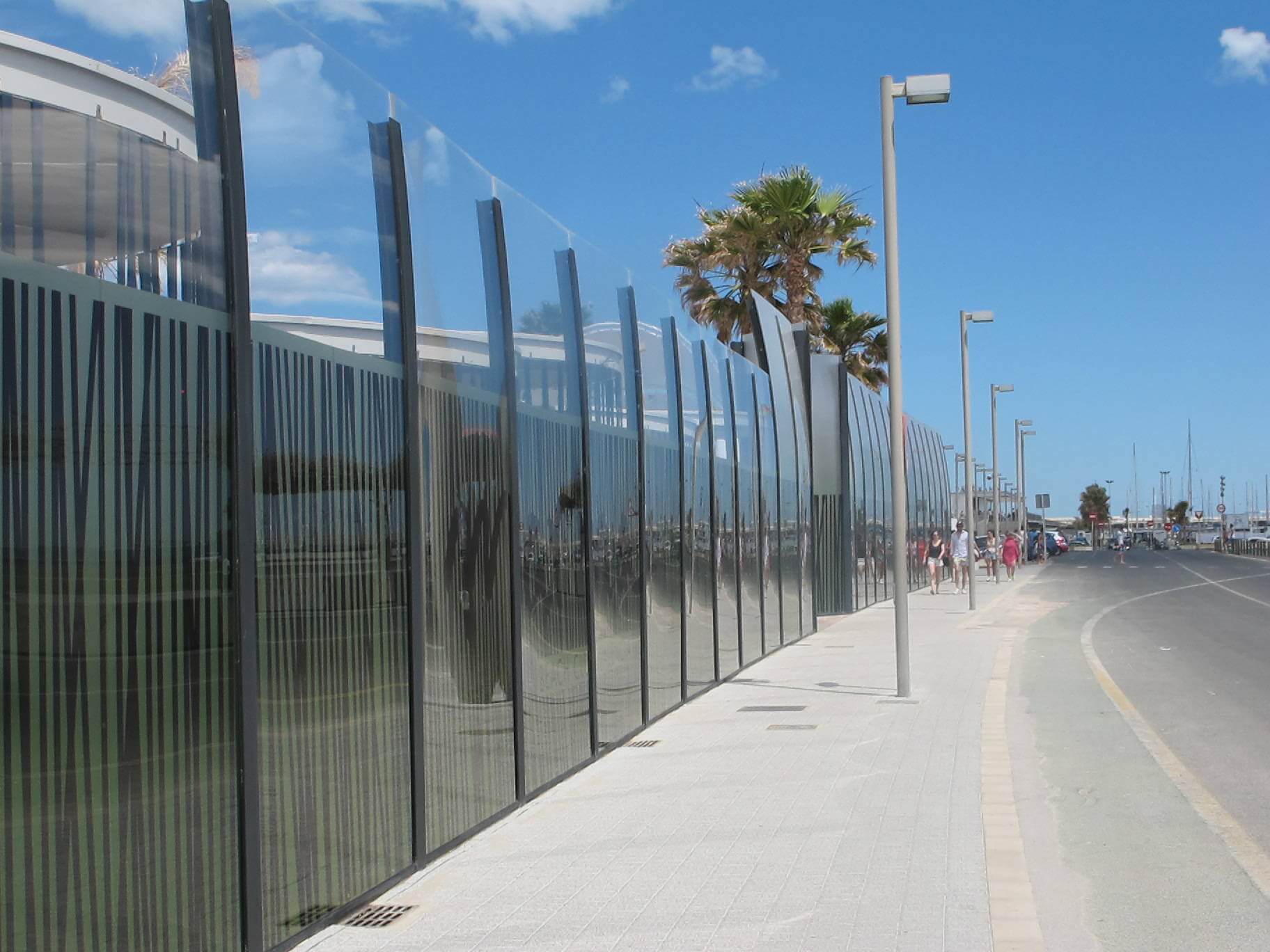
The urban screens that surround the exteriors of the terraces of the leisure venues fulfill a double function: environmental and aesthetic. They are made up of acoustic panels and a supporting structure that supports them.
They can be made of three types of materials: metal, methacrylate or wood. Each one has advantages that make them optimal for each type of location. For example, metal or wood, in addition to improving acoustic behavior, achieve a privacy effect; If your place is a more intimate place, these will be ideal.
On the other hand, within the urban screens, the transparent methacrylate acoustic screens manage to bounce the noise towards the interior of the premises without giving up the views. If your place has wonderful views of the sea, you can take advantage of the installation of methacrylate acoustic screens to isolate the noise without missing the view. Without a doubt, this type of panel is a very good option for leisure establishments, since it provides a lot of style and, above all, allows it to comply with regulations.
Metagreen Acoustic Screen
The metallic screen with vegetal mesh is not only a very effective acoustic solution, in leisure establishments it fulfills an aesthetic function that adapts to any type of design.
Inside, rock wool and other materials are placed, along with a green plastic mesh that facilitates the growth of vegetation on both sides. They are perfect for creating a vertical garden that, in addition to isolating noise, will help us decorate the walls of the premises.
Acoustic Design Screen
As mentioned above, at Metalesa we take care of offering a quality product that not only meets high expectations in relation to acoustic problems, but also at the level of design and adaptation to the space of our clients. In the case of leisure premises, it is evident that the acoustic screens, in addition to fulfilling their insulating function, must be visually attractive so that they do not clash in the decoration of the premises.
Our design acoustic screens guarantee maximum noise absorption and great durability, in addition, we offer various alternatives such as anti-corrosion, hot-dip galvanized, thermo-lacquered treatments and the combination of both treatments.
Is the acoustic insulation of the leisure venues compulsory?
In Spain, municipalities and autonomous communities are given the power to regulate noise in the areas where leisure venues are located. In this sense, if necessary, it is mandatory in order to comply with the regulations in force in each community and to ensure the well-being of the residents who live in the area.
In any case, in order to ensure that it complies with regulations, it is best to achieve the maximum possible insulation. In this way it will be able to adapt to any regulation, even when it becomes more restrictive, which can happen at any time.
Noise Penalties in entertainment venues
The truth is that in Spain there are numerous sanctions in cases where discotheques and party places exceed the acoustic limit established by law. The communities with the most penalties are Catalonia, the Balearic Islands, Madrid, Andalusia and Valencia.
The law acts and sanctions this excess noise, with different types of fines depending on the case:
- Minor: the fine to pay is 600 euros.
- Serious: the local must pay a fine of between 601 and 12,000 euros.
- Very serious: they must pay between 12,001 and 300,000 euros. In addition, the revocation of the validity of the municipal installation or activity license or the suspension thereof for a period of time between one year and one day and five years. In fact, the authorities could close the establishment for a certain period of time.
If you are the owner of a leisure venue, do not hesitate to contact us. It is not worth risking a possible fine, nor to earn the discontent of your neighborhood. Bet on the safety, health and aesthetics that our acoustic screens guarantee. To request a quote call us at 96 088 99 44 or send us an email to metalesa@metalesa.com

We are commited to sustainability: Thermal-lacquered Installation and Wastewater Treatment Plant
At Metalesa we have always opted for sustainable development when carrying out all our processes; it is part of our business philosophy and we are very proud of it. The truth is that sustainability is central to the objective of satisfying the current needs of society; it's about reaching that goal with a committed gaze. In this article we want to let you know how at Metalesa we take care of ensuring the well-being of our planet: we will talk about the thermo-lacquering installation and our zero-discharge treatment plant.
As a starting point, we would like to remind you that in our post on Smart Cities we explained our vision regarding the concept of 'Smart City'. One of the features that characterizes Smart Cities is sustainability. At Metalesa we take on the challenge of innovating in the field of urban infrastructure and equipment, performing good resource management and advocating for sustainable social, environmental and economic development.
Thermo-lacquer: sustainable powder coating
The thermo-lacquering process developed in our facilities consists of applying a powder coating to a metal part that has been previously prepared, to be subsequently cured in the polymerization oven. Powder coatings provide a wide range of advantages over conventional paints, offering greater resistance to corrosion, heat, shock, torsion, abrasion, deterioration due to exposure to sunlight and adverse weather conditions.
Phases of the thermo-lacquered process over surfaces:
Phase 1: Pre-treatment
It consists of applying a treatment prior to the powder painting process that prepares the metallic elements to facilitate the adhesion of the paint and ensure a higher quality and durability anti oxidation.
Phase 2: Drying
The metal pieces are placed in an oven (drying tunnel) at high temperatures to remove moisture and prepare them for later lacquering.
Phase 3: Painting Booth
For parts up to 7.500mm long, the process is performed using automated robots and touch-up guns for an excellent finish.
Phase 4: Polymerized oven
Once the powder layers have been applied to the pieces, a heat treatment is carried out by introducing them in the oven at temperatures up to 220 ºC
Advantages of Thermo-lacquering Treatment
As we have already mentioned, its resistance to corrosion is one of the great advantages of this type of painting process since it increases the durable life to the pieces. However, this is not the only advantage of thermo-lacquering that is worth highlighting:
- Panel coatings finishes are very attractive. Screens can be lacquered in any of the colours of the RAL range, a code that defines a colour using a set of digits.
- The thermo-lacquering process is very environmentally friendly since it is a clean coating: the powder paint does not contain solvents, and the powder that does not remain attached to the piece during the treatment can be recovered for reuse. In fact, the use of this excess dust can be up to 98%, so that the generation of waste is greatly minimized. At Metalesa we use thermo-lacquering in order to be respectful with the environment.
Applications of thermo-lacquering in Metalesa
The cladding of facades with thermo-lacquer panels is a growing trend because of the advantages it presents. Our steel or aluminium screens for noise pollution are treated in our thermo-lacquering facilities.
These types of anti-noise screens also serve our goal of facing a global concern of the planet, noise pollution. This problem affects both people and the environment, and that thanks to our acoustic screens it can be effectively reversed.
Zero Discharge Treatment Plant: towards optimization
Metalesa is committed to preserve the environment, controlling waste and using products with a low level of contamination. That’s why we have a treatment plant with Zero Dumping technology. Thus, current environmental legislation is complied and commitment to continuous improvement acquired.
Thanks to our zero discharge treatment plant, we achieve one of our environmental objectives: we contribute to the recovery of aquifers by reusing water in our industrial processes, minimizing the amount of water used and optimizing our resource consumption.
Within the theory of the circular economy model, the reuse of water is seen as a novel perspective for the implementation by companies. However, at in Metalesa we have always counted on a zero discharge facility to comply with our sustainable purpose. And such will we continue to implement the most cutting-edge measures at our reach!

If you believe in our way of doing things during our long history and need our services, do not hesitate to contact us.

World Environmental Education Day: noise pollution
Today is a very important day for our planet. January 26th celebrates World Environment Education Day with the aim of raise people’s awareness of protecting nature.
Environment education is oriented to develop strategical models that pivot around sustainability. That’s why the environmental goal must be considered in any business strategy, and in Metalesa, we are well aware of this.
Environment Education Goals
Awareness: promote society’s interest to the problems provoked by ignoring environmental care. Any little action counts.
Knowledge: Once this interest is developed, next step is to educate. ¿How can this be done? Something can always be done both at personal and collective point of view.
Actitudes: this means proactivity. Just saying is not enough, it’s time to take action!
Assesment capability: if we implement measures in environment’s favour, we need to measure its actual impact.
Take part: Encourage people to be part of the solution
In Metalesa, as experts in road safety, there is an environment problem against which we need to prioritize our actions: noise pollution. That’s why from our very beginning, we have worked to reduce this acoustic pollution coming from road and railway traffic.
What is noise pollution?
Noise pollution refers to noises or vibrations present in the environment that could eventually be harmful for people’s or any beings health.
Noise excess in a certain place can affect negatively, even if we don’t feel it.
What are noise consequences for health?
- Audition loss or listen to beeps.
- Psychological problems like anxiety, stress or aggressivity.
- Physical problems like increase of arterial pressure, heart rhythm or breathing alterations.
- Problems related with sleep and rest, that decrease attention and performance, both at work and school
How does noise pollution affect to animals and plants?
Noise pollution produces harmful effects to a number of species, affecting their health and behaviour of animal and plants, as well as their ecosystems
Some of these effects are:
- Birds that depend on their ear to hunt are seriously affected by industrial noise.
- Noise disturbs feeding and nursing patrons of some animals, which has been identified as a factor that contributes to certain species extinction.
- Airplane noise and their sound waves have been identified as cause of decrease of reproduction success with a number of animals.
- Military sonar and the “marine bubble” of petrol explorer boats have been responsible of the death of thousands of dolphins and whales.
In order to acoustically isolate infrastructures and machinery in industries, residential and commercial areas from people and environment, in Metalesa we manufacture and install a wide range of noise barriers.
Range of noise barriers for acoustic pollution
Metallic noise barrier – steel or aluminium
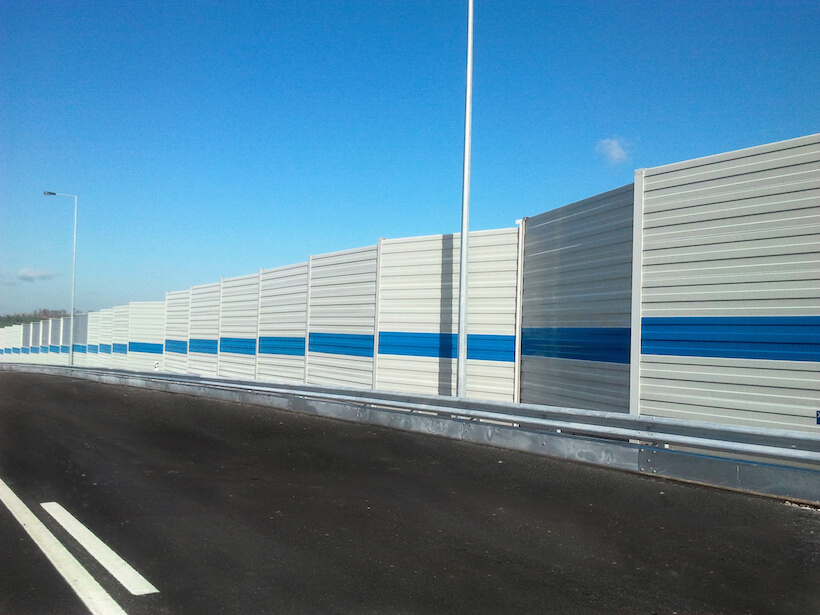
These noise barriers consist of vertical superposed panels that can be adapted to high and wide project requirements. Its absorbing face present holes that allow noise waves to be absorbed by the rock wool in the interior of the panel. The other side is plain and performs as reflecting face.
Both acoustic and mechanical performance of the panels have been tested in accredited laboratories.
The advantages of this type of noise barriers are as follows: optimum isolation, aesthetics oriented to environment integration, easy instalment, thermo-lacquered…
Methacrylate noise barrier
These transparent screens for noise pollution present a wide variety of designs optimized for road and railway infrastructures, for hotels or residential areas that require noise attenuation.
The screen is formed by a of 15-20mm methacrylate panel held by a beam structure. All components are very easy to install.
Metallic noise barrier with mesh / Green panel
Apart from it tested acoustic performance, it’s especially designed to be integrated into the nature environment.
It consists of rock wool supported by green plastic mesh on both sides that facilitates the growth of plants.
Wooden noise barrier
Wooden screen against noise pollution are perfect to satisfy aesthetic requirements in our roads. The absorbing face is formed by wild pine slats.
Wall covering
Manufactured from hot-dip galvanized panels, it is used to reduce noise effects in the interior and exterior of tunnels, as well as in inferior passes.
Its structure is very easy to install and repair in case of accident inside the tunnels.
Because the World Environment Education Day should not only be celebrated one day! Let’s become aware, our planet asks for it. Should you require our services around noise barriers, don’t hesitate to contact us.