




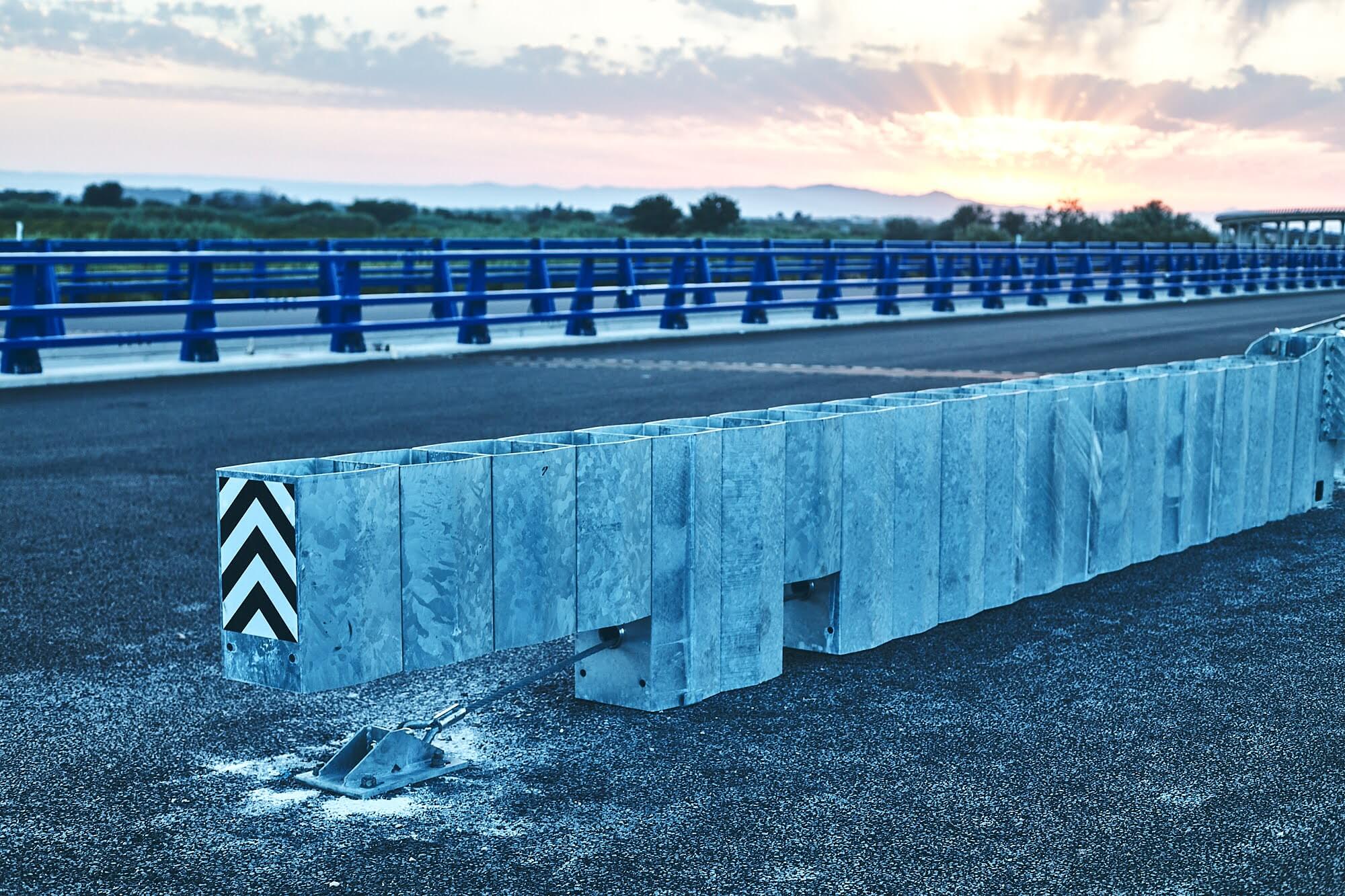
Connected Crash Cushions: The next step towards the Smart Road
The evolution towards connected mobility is transforming the landscape of our roads. Passive safety elements, traditionally static, are giving way to a new generation of ITS Equipment (Intelligent Transport Systems). In this context, connected crash cushions represent an exciting breakthrough: they convert a vital containment device into a real-time communication node.
This technology merges the mechanical performance of cushions with the potential of IoT, creating a system that not only protects lives during impact but also accelerates medical response and incident management.
The Foundation: Safe, effective, competitive, and easy-to-adapt equipment
For a crash cushions to be "intelligent", it must first prove its mechanical performance according to current regulations. Connectivity is meaningless if the device does not guarantee maximum kinetic energy absorption.
The Metalesa range of impact attenuators offers excellent physical performance. Entirely designed in galvanised steel to maximise durability and recyclability, they strictly comply with the UNE EN 1317-3 standard. Their modular design covers all the needs of modern roads:
-
Speed Versatility: Certified configurations for 50, 80, 100, and 110 km/h levels.
-
Redirective Typology: Unlike older systems, this range is redirective (R). This means that, in the event of a side-on collision, the attenuator not only absorbs the shock but also guides the vehicle back onto the carriageway in a controlled manner, preventing it from entering hazard zones or falling down embankments.
-
Geometric Adaptability: The range includes Parallel models (ideal for tunnels and constant central reserves) and Trapezoidal (Wide or Semi-Wide) models, designed to protect junctions and wide obstacles where the risk of impact is higher.
The latent problem: The "Golden Hour" and secondary accidents
Even with the safest cushions on the market, reaction time after an accident remains a critical factor. Data from bodies such as the FHWA reveal that for every minute a lane remains obstructed, the probability of a secondary accident increases by 2.8%. Furthermore, reducing medical response time by 1 minute increases the victim's survival chances by up to 6%.
This is where smart crash cushions technology makes the difference, eliminating dependence on manual or chance warnings.
Integrated Intelligence: PLUG&META® connectivity
The innovation lies in providing this robust steel structure with a "digital layer" that elevates this equipment to the advanced level of active road safety, accident prevention, and notification. Thanks to Plug&Meta® technology, Metalesa’s range of cushions is "connection-ready". Integrated sensors monitor the device without altering its mechanical properties or certification.
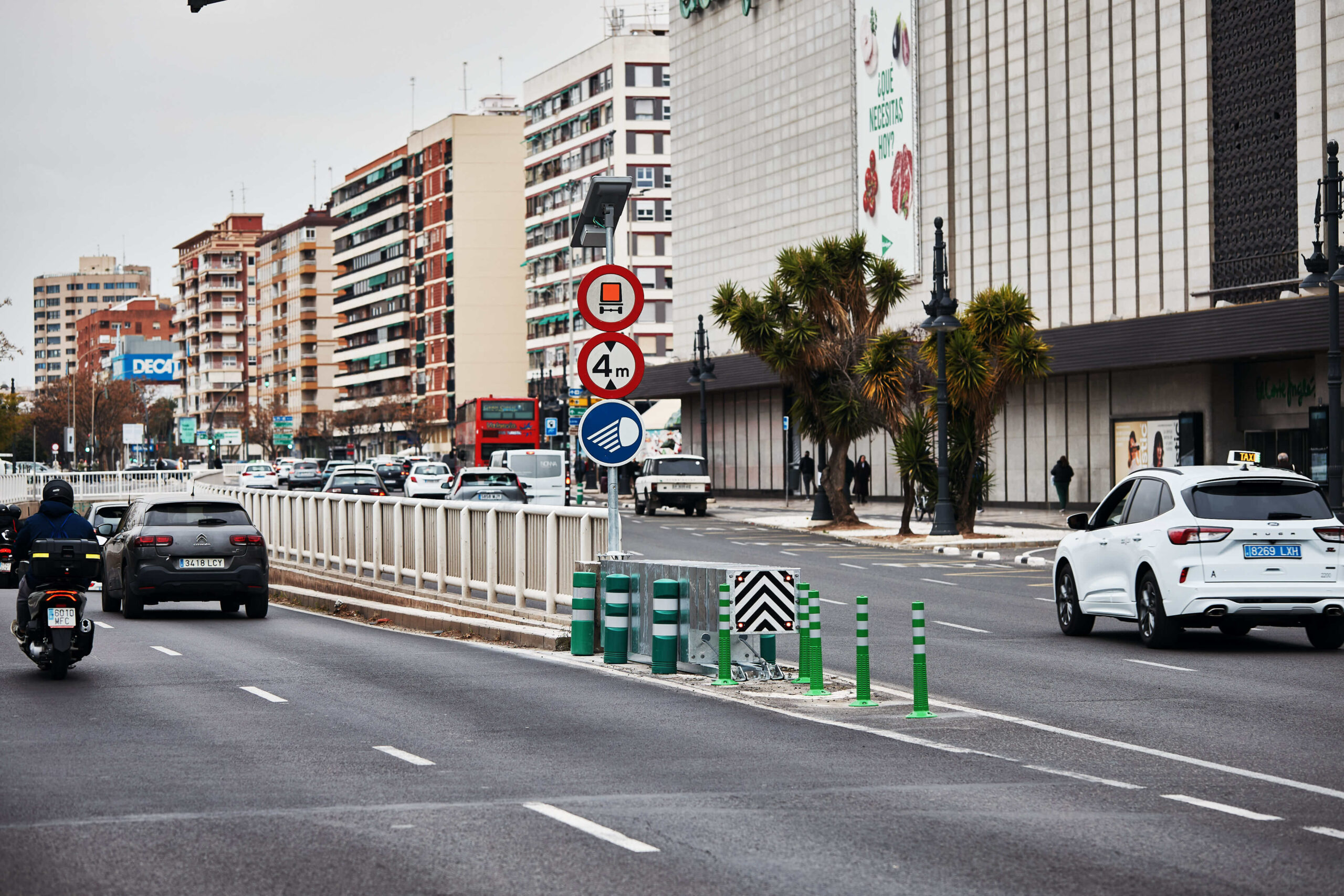
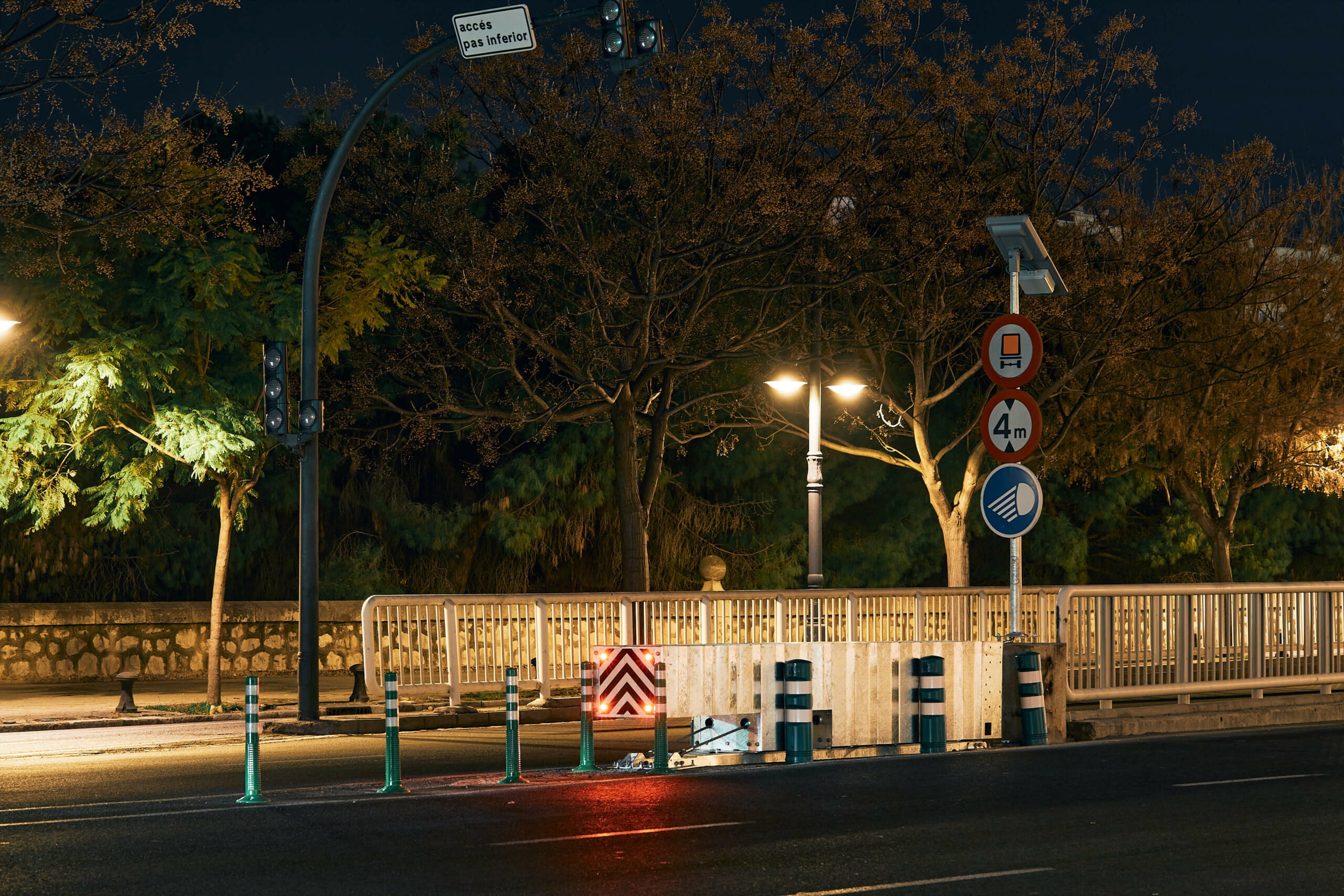
The system's operation closes the safety cycle in three phases:
-
Detection and Signalling: Sensors detect the impact and activate integrated light beacons to alert oncoming drivers. Remote vertical signs located before the impact point can also be triggered.
-
IoT Transmission: The system sends an immediate geolocated alert via NB-IoT or 4G/5G networks to the control centre, DGT 3.0, or other data platforms.
-
Management: Emergency services and road operators receive real-time notification of the incident with the precise location of the impacted cushions, allowing for immediate deployment of traffic assistance and medical care.
Operational efficiency and maintenance
Beyond emergencies, digitalisation offers tangible economic advantages. Remote management allows for preventive maintenance based on the actual condition of the equipment.
It is estimated that remote monitoring can reduce operational maintenance costs by up to 20%. Instead of sending patrols to visually check the state of cushions on distant motorways, the manager knows at all times whether the device is operational or if it has suffered a minor impact requiring repair, thus optimising conservation resources.
Physical and digital safety
Metalesa’s strategy demonstrates that modern road safety is an inseparable pairing. On one hand, a cutting-edge physical structure—impact cushions certified under the UNE EN 1317-3 standard—and on the other, an IoT intelligence layer connecting infrastructure with managers. This integral approach not only protects vehicle occupants during a crash but ensures immediate care afterwards, defining the new standard for active road safety in the era of Smart Roads.

Fall protection: Road and urban railing, fencing and enclosures for height safety in public spaces
When we talk about infrastructure safety, the focus is often exclusively on the road. However, pedestrian safety in public spaces, stadiums, transport stations, and industrial zones represents an equally critical challenge. In this context, passive fall protection stands as the first and most effective line of defence to guarantee the physical integrity of individuals.
Unlike active protection (such as harnesses or lifelines, which require training and action from the user), passive systems protect permanently and autonomously, eliminating the human error factor. This article analyses why safety railings and technical enclosures are a mandatory investment—not only ethically but regulatorily.
The Magnitude of the Risk: Data and Statistics
Falls from height are not isolated incidents. According to World Health Organization (WHO) data, falls are the second leading cause of accidental injury deaths worldwide.
In the field of infrastructure and public assembly spaces, statistics reinforce the need for robust systems:
-
The Human Factor: It is estimated that 85-90% of accidents at height are influenced by human error or distraction. This is the core advantage of passive fall protection: it works independently of the user's attention.
-
Accident Costs: A report by the European Agency for Safety and Health at Work indicates that costs resulting from accidents due to a lack of safety measures can amount to 4% of annual GDP in economic losses, including sick leave, compensation, and healthcare costs.
Regulatory framework: Space safety regulations and thrust loads
The installation of safety railings in public spaces is not an aesthetic matter, but one of regulated structural engineering. In many regions, rigorous requirements are established for public assembly spaces like sports stadiums, concerts, or train stations; railings must withstand much higher horizontal loads than in residential settings:
-
Crowded Areas: Regulations often require railings in stadiums or high-traffic areas to resist a horizontal force of 3.0 kN/m (kiloNewtons per metre).
-
Anti-climb Design: Regulations explicitly prohibit designs with horizontal rails that allow climbing in areas frequented by children, requiring the use of vertical bars or solid panels.
Technical solutions: Road and urban railing and road and urban fences
To mitigate these risks, solutions must adapt to the specific environment:
-
Road and Urban Railing (for Viaducts and Urban Use):
These are critical elements on pedestrian bridges, promenades, or urban gradients. They must combine extreme mechanical resistance with high-durability anti-corrosion treatments (such as hot-dip galvanising according to ISO 1461). Their function is twofold: to prevent accidental pedestrian falls and, in many cases, to contain the impact of cyclists or Personal Mobility Vehicles (PMVs).
-
Road and Urban Fences (Perimeter Safety):
Beyond falls, the risk in railway or industrial infrastructure is intrusion. Perimeter fences act as both a deterrent and a physical barrier. In Occupational Risk Prevention (ORP) environments, these systems are vital for segregating safe walkways from areas with moving machinery or electrical risks. Within this category, anti-suicide fences are particularly relevant, specifically designed to prevent scaling at critical high points.
An Integral approach to safety
The implementation of collective protection systems offers a direct return. Comparatively, although the initial investment in passive systems (fixed railings) may be higher than temporary solutions, their operating cost is near zero throughout their useful life.
Furthermore, in the field of infrastructure maintenance, these elements are key to Occupational Health and Safety (OHS). They ensure that cleaning, lighting maintenance, or gardening staff can carry out their tasks in elevated environments (such as technical roofs or embankments) without the need for complex Personal Protective Equipment (PPE), thereby speeding up work times and reducing workplace accidents.
Safety at height in public spaces leaves no room for improvisation. Passive fall protection through certified safety railings and robust perimeter fences is the only guarantee of regulatory compliance and real public protection. For architects, construction companies, and administrations, having manufacturers who understand the engineering behind every tube and anchor is the first step toward building safe and responsible urban environments.


The data generated by the road: Intelligence applied to road safety and maintenance
The road is no longer a passive and static infrastructure but has become a dynamic, information-generating environment. In the era of connected mobility, the efficient management of the Spanish road network no longer depends solely on construction machinery, but on the ability to capture, process, and act upon information in real-time.
This digital transformation is key to the optimisation of resources by public administrations. Moving from a reactive model to a data-driven one allows for maximum road availability and guarantees safety with unprecedented budgetary efficiency.
From physical to digital infrastructure: Capture technology
The first step in this revolution is sensorisation. However, the historical challenge has been how to integrate delicate technology into the harsh road environment without compromising the structure. The industry's answer has been to develop specific connection systems that transform passive equipment into intelligent digital supports.
A key example is PLUG&META® technology, a universal connection interface designed by Metalesa that integrates into containment systems or metal supports. This innovation allows electronic devices to be installed in a simple and modular way, turning a barrier or other road safety equipment into an intelligent connection point without altering its mechanical properties or its safety certification.

Thanks to this integration capability, it is possible to collect massive amounts of data using advanced solutions such as PlugSmart® Pro. This proactive road safety device is specifically designed to detect critical variables that directly affect accident rates, such as:
- Detection of accidents and obstacles on the carriageway.
- Identification of wrong-way vehicles and excessive speeds.
- Presence of wildlife or vulnerable users on the road.
- Monitoring of adverse weather conditions (ice, fog, reduced visibility).
The brains of management: Big Data applied to mobility
The collection of information on risks and events feeds what we know as road Big Data. Through advanced algorithms and integrated management platforms, infrastructure managers can cross-reference these heterogeneous variables to obtain a holistic view of the road.
The implementation of PlugSmart® Pro allows for the collection of risk and event data to improve mobility management and make signalling decisions that reduce accidents. This device not only "listens" to the road but interacts with it: thanks to its controlled LED lighting system, it issues automatic visual warnings to users based on detected risk events (for example, activating light alerts in the presence of an animal on the road or a drastic reduction in visibility due to fog).
Towards predictive and efficient road maintenance
Beyond immediate safety, the use of IoT technologies and Big Data allows for substantial progress in the daily operations of roads. By having a constant data network on what is happening in the infrastructure, maintenance strategies evolve towards efficiency:
- Data-driven planning: The analysis of flows and events allows for the detection of sections with greater wear or structural risk, enabling maintenance investments to be strategically directed to where they are most needed.
- Resource optimisation: Remote monitoring reveals the condition of the equipment without the need for constant dispatching of operators, which drastically reduces operational costs and budgetary waste.
It is important to clarify that, whilst devices such as PlugSmart® Pro focus on road safety and accident prevention, it is the overall digital infrastructure (enabled by interfaces like PLUG&META®) that sustains long-term predictive maintenance.
The integration of ITS solutions and Big Data into road safety equipment represents the present of infrastructures. By leveraging the data generated by the road, administrations can guarantee safer and more technologically advanced routes. The commitment to digitalisation not only saves lives through active prevention but also ensures much more efficient and sustainable management of public assets.

The Importance of Preventive Maintenance in Road Safety: Prolonging the lifespan of infrastructures
Transport infrastructure management has undergone a paradigm shift over the last decade. Faced with the need to optimise public budgets and guarantee high protection standards, preventive road maintenance is no longer an option but has become the most efficient strategy.
This methodology does not view conservation as an operating expense, but as a financial investment that maximises the return on the initial construction. The data is conclusive: waiting for the functional failure of the road is neither economically nor socially sustainable.
Economic efficiency: The 1:5 Rule
The strongest argument for public institutions is profitability. In infrastructure engineering, the so-called "Law of De Sitter" applies, which establishes a geometric progression in intervention costs.
According to this principle, every euro not invested in preventive maintenance (when the defect is incipient) turns into 5 euros of expenditure when the damage requires minor correction, and skyrockets to 25 euros when full rehabilitation is necessary. Applying preventive strategies—such as checking the tightening torque on barriers or the early sealing of cracks—allows this escalation of costs to be avoided, freeing up resources that would otherwise be absorbed by emergency repairs.
Operational impact: Cost reduction for the user
The condition of the road has a direct impact on citizens' pockets and the competitiveness of businesses. According to the latest Audit by the Spanish Road Association (AEC 2025), the maintenance deficit (estimated at over 13.4 billion euros) generates tangible inefficiencies:
- Additional fuel costs: A poorly maintained pavement and infrastructure increase rolling resistance, raising fuel consumption by up to 12%. It is estimated that this factor generates an annual extra cost of over 270 million euros in the months of highest mobility alone.
- Carbon Footprint: This increase in consumption implies a proportional increase in emissions. Sector studies calculate that poor maintenance has caused the extra emission of more than 25 million tonnes of CO2 over the last decade.
Road maintenance and containment systems
Within road equipment, containment systems (metal barriers and parapets) are critical elements whose degradation can be "silent". Unlike a pothole, which is obvious, a barrier with internal corrosion or weakened anchorages may appear functional until it fails upon impact.
Proper preventive road maintenance of these elements includes verifying the tension of the beams, the condition of the spacers, and the integrity of the galvanisation. Bearing in mind that network deterioration advances at a rate of 8% annually, implementing periodic inspection programmes is the only way to ensure that these systems comply with the containment levels (N2, H1, etc.) certified under the UNE EN 1317 standard throughout their useful life.
The key to infrastructure durability
The sustainability of public works depends on how long they can operate without being rebuilt. International studies (Kahn & Levinson) suggest that every dollar allocated to prevention saves between 4 and 10 dollars in future reconstruction costs.
In the case of metallic safety elements, preventive maintenance acts directly on the product's life cycle. Detecting and treating areas of premature oxidation in saline environments or repairing minor deformations prevents the complete replacement of barrier sections, drastically reducing raw material consumption and the energy associated with manufacturing new steel.
The role of advanced technical inspection
To execute this strategy, the fundamental tool is data-driven road inspection. With 52% of the Spanish network showing significant deterioration, the use of high-performance technologies allows the condition of thousands of kilometres to be audited in reduced times.
However, inspection is only the first step. The true value lies in how that information is integrated into an intelligent management cycle.
Technology: The engine of planning and control
Today, the modernisation of road maintenance necessarily requires digitalisation. Technology is not an accessory, but the axis that allows us to plan, execute, and control the condition of our roads with surgical precision:
- Digital Twins: Creating virtual replicas of the infrastructure makes it possible to simulate the ageing of materials and predict when a containment system will fail before it happens, optimising replacement cycles.
- Computer Vision and AI: Using high-resolution cameras combined with deep learning algorithms automatically identifies cracks, oxidation, or loose bolting through image processing, eliminating human error in inspections.
- IoT and Structural Monitoring: Connected sensors on critical bridges and barriers report impacts, anomalous vibrations, or structural tensions in real-time, allowing for an immediate response and comprehensive inventory control.
- Cloud Management Platforms: Centralising data gives public administrations total control over maintenance contracts, verifying that preventive tasks are carried out on time and as planned.
Opting for preventive road maintenance is a strategic decision that benefits both the manager and the user. Nevertheless, in the current scenario, this model is only viable through the adoption of cutting-edge technological solutions. The combination of accurate data and intelligent management tools is the only way to maximise public budgets, prolong the lifespan of infrastructures, and, above all, guarantee that the road is always a safe and efficient environment.
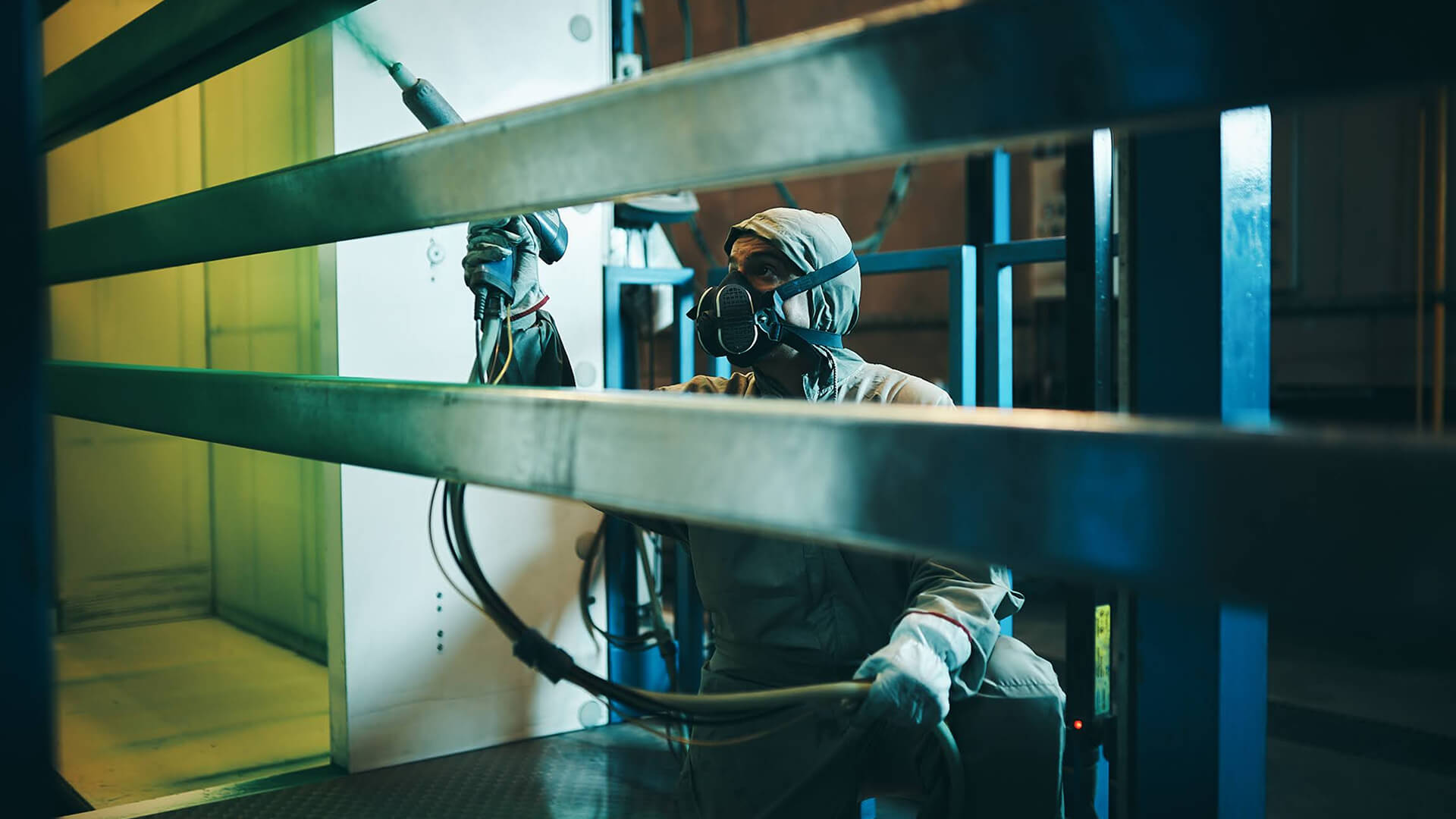
Hot-dip galvanizing: Durability of road safety equipment
Road safety depends on the structural integrity of its devices. From vehicle restraint systems (safety barriers, guardrails, impact attenuators, etc.) to sign gantries and road markings, most of these systems are made of steel. The greatest enemy of steel, especially in environments exposed to the elements and corrosive agents (salt, humidity, pollution), is corrosion. While other solutions such as weathering steel are beginning to be explored, hot-dip galvanizing is undoubtedly the leading solution that guarantees the longevity and consistent performance of the equipment, directly impacting the reduction of maintenance costs for public administrations.
1. Corrosion: The Hidden Cost on Roads
The oxidation of steel is not just an aesthetic problem; it compromises the functional capacity of road equipment. For example, a corroded guardrail can fail to absorb the energy of an impact, endangering the lives of vehicle occupants.
The costs associated with corrosion are divided into two categories:
- Direct maintenance costs: Repair or premature replacement of corroded components, including the cost of personnel, materials, and traffic management during the intervention.
- Indirect safety costs: The risk of equipment failure and the potential increase in accidents if the device does not perform its function.
2. The Hot-Dip Galvanizing Process
Discontinuous hot-dip galvanizing is a metallurgical process in which steel is immersed in a bath of molten zinc at a controlled temperature between 440°C and 500°C. This process not only coats the surface of the steel but also creates an iron-zinc intermetallic alloy metallurgically bonded to the base steel. For this reason, the final result is considered more of an alloy than a simple surface coating.
2.1 Process Phases for Durable Coating
To ensure proper adhesion of the alloy layers, the process follows a strict 10-step sequence before immersion in the zinc bath:

- Receiving and Shipping: Initial inspection of the parts and preparation for the process.
- Acid Degreasing: Removal of grease, oil, and surface dirt using degreasing solutions.
- Pickling: Immersion in acid (generally hydrochloric acid) to remove rust and mill scale, leaving the steel chemically clean.
- Washing: Rinsing to remove surface acid residue before the next phase.
- Fluxing: Immersion in a zinc ammonium chloride solution to prevent premature oxidation of the clean steel and facilitate the metallurgical reaction with the molten zinc.
- Oven Drying: Complete removal of moisture from the fluxed parts to prevent violent splashing upon contact with the molten zinc.
- Furnace Drying: Complete removal of moisture from the fluxed parts to prevent violent splashing upon contact with the molten zinc. Galvanizing: Immersion in a molten zinc bath, where the Fe-Zn alloying reaction occurs.
- Air Cooling: Controlled removal from the zinc bath to allow the coating to solidify and cool.
- Optional Passivation: Post-galvanizing chemical treatment to minimize the formation of "white spots" during storage.
- Refinishing and Shipping: Removal of excess zinc, final thickness inspection according to regulations, and preparation for shipment.
2.2 Protection Mechanisms
Unlike paints or surface coatings, hot-dip galvanizing offers a double layer of protection:
- Physical Barrier: The zinc coating isolates the steel from the corrosive environment (humidity, oxygen, salt).
- Cathodic Protection (Sacrificial): If the zinc layer is damaged (for example, by scratching or impact), the zinc, being more reactive than iron, is sacrificed and corrodes first. This protects the underlying steel from oxidation by healing small damaged areas (the so-called "galvanic cell").
This sacrificial protection is critical for road safety elements that are constantly exposed to abrasion and minor impacts.
3. Durability and Reduced Life Cycle Cost
The main advantage of hot-dip galvanizing is its exceptional durability, especially compared to other protection methods (paints or electrolytic zinc coatings).

Hot-dip galvanizing provides, with a single application, protection that can last for more than 50 years in most road environments, resulting in a lower Life Cycle Cost (LCC) for the administration.
3.1 Cost Comparison
The initial cost of a hot-dip galvanized element may be slightly higher than painting, but the need for maintenance is eliminated for decades. If projected over 50 years, the total cost of a painted component (requiring 5-10 repaintings) is up to four times higher than the single cost of the initial galvanizing investment.
4. Regulatory Compliance and Quality Assurance
The effectiveness and reliability of hot-dip galvanizing are regulated by international and European standards that guarantee the performance of products in road infrastructure.
- ISO 1461 / EN ISO 1461: This standard specifies the properties of hot-dip zinc coatings on finished products (including fasteners and road safety components). It establishes the minimum coating thickness requirements, measured in microns (µm), which depend on the thickness of the base steel.
- Visual Finishes and Quality: It is important to note that the final appearance of the galvanized coating may vary (high gloss, crystalline, matte gray). These different shades are characteristic of the process and depend on the chemical composition and reactivity of the steel, as well as the cooling rate. These color variations should not be considered defects, as corrosion resistance remains unchanged. Natural aging over time will homogenize the color.
- CE Marking: In the European Union, road safety devices (such as barriers) must bear the CE marking, which signifies that their manufacture, including anti-corrosion treatment, complies with European performance and durability standards.
By specifying hot-dip galvanizing, authorities not only purchase durability but also ensure compliance with strict safety regulations. Infrastructure protected with this method extends its lifespan, improves safety, and allows managing bodies to redirect resources from corrective maintenance to more strategic investments.

Energy Efficiency in Lighting: The strategy of the State Road Network (RCE)
The State Road Network (RCE), managed by the Directorate-General for Roads (DGC) of the Ministry of Transport and Sustainable Mobility (MITMA), faces an energy challenge of great magnitude. The energy efficiency strategy has become a priority to reduce high operating expenditure and align with the objectives of the ecological transition, based on technological modernization and advanced telemanagement.
1. Context and Magnitude of Energy Expenditure
The RCE's electricity consumption is one of the largest in public administration. Historically, consumption has remained close to 145,000,000 kWh/year, with an associated cost of tens of millions of euros, underscoring the urgency of intervention.
1.1 Critical Distribution of Consumption
The interurban infrastructure shows an unbalanced consumption distribution, primarily concentrated in the lighting and operation of enclosed structures.
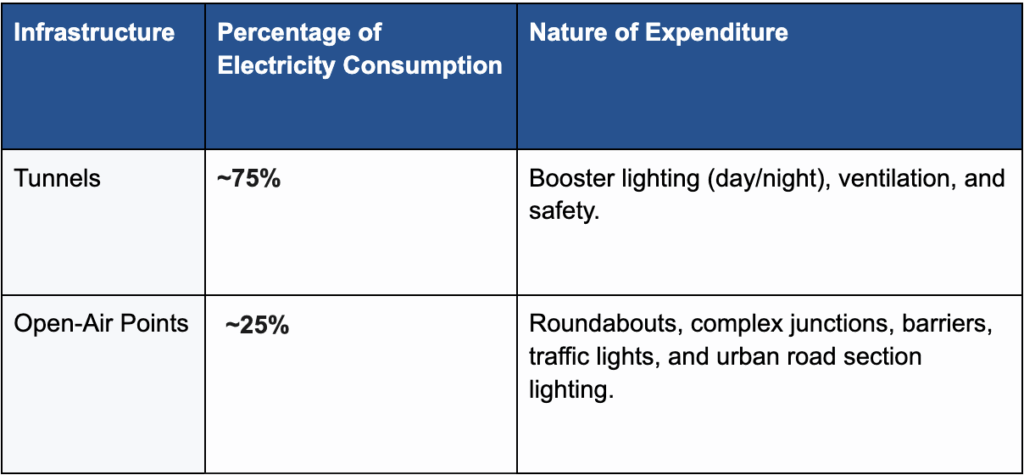
This dependence on consumption in tunnels (where lighting and ventilation are vital safety functions that cannot be interrupted) demands solutions of maximum efficiency that do not compromise visibility standards.
2. The Innovation Strategy (CPI) and the Three Lines of Action
The RCE's strategy is articulated around Public Procurement of Innovation (CPI), a mechanism used by MITMA to promote technological solutions addressing its specific needs.
The central goal of the DGC is to achieve savings of between 40% and 50% of the network's total consumption. This is achieved through coordinated action in three fundamental lines of action:
Axis 1: Luminaire Requirements (LED Migration)
The migration from obsolete technologies like high-pressure sodium lamps (VSAP) to LED technology is the first step, but it must meet advanced technical requirements to ensure long-term durability and efficiency in a demanding environment:
- Required Service Life: New luminaires are required to have a very high minimum service life, with certifications such as L90B10_100.000h. This means that only 10% of the units can have depreciated their luminous flux below 90% of their initial value after 100,000 hours of operation.
- Maintenance Reduction: High reliability is key to minimising interventions on the road, which are costly and dangerous.
Axis 2: Telemanagement and Dynamic Control (ITS)
The implementation of an Intelligent Management System (SGI) is essential to achieve savings targets through dynamic light adaptation.
- Standard Connectivity: The control nodes that allow remote monitoring and dynamic adaptation must be of an international standard, integrated using NEMA or Zhaga connectors.
- ITS Functionality: The SGI enables the dynamic adaptation of lighting in real-time to environmental and traffic conditions. During off-peak hours, intensity is reduced to pre-established levels, but the system must be capable of immediate re-activation when vehicles pass or in emergency situations (e.g., an accident warning or fog).
Descriptive Chart: RCE Saving Goal
- Baseline Consumption (Without CPI): 145.000.000 kWh/year
- Saving Target (40%): Reduction of 58.000.000 kWh/year
- Target Consumption: 87.000.000 kWh/year.
Axis 3: Road Safety and Strict Regulatory Compliance
On roads, lighting is a safety factor that must be managed with millimetre precision, especially at high speed. Therefore, regulatory compliance is non-negotiable and becomes the third strategic pillar:
- Luminance vs. Illuminance: Unlike urban roads (where illuminance is measured), on highways, average luminance (Lm) is prioritised, which is the light reflected from the pavement to the driver's eye.
- Requirement Levels: Lighting solutions must guarantee the average luminance levels required by regulations, which range between 0.30 and 2.00 cd/m², depending on the type of road (motorway, conventional) and traffic intensity (IMD).
- Mitigation of Accident Risk: Efficient and reliable management of lighting at singular points is an unavoidable road safety priority. Studies like the one by INTRAS on run-off-road accidents have shown that the lack of lighting is a factor that significantly increases the risk and percentage of night-time accidents, justifying investment in intelligent and reliable systems at points where lighting is legally mandated.
3. Vision 2030: Digital Transformation and Sustainability
Smart road lighting in the RCE is not just a saving measure but a strategic component of the road network's transformation:
- Sustainability: Energy saving contributes directly to the objectives of the RCE's 2030 Energy Efficiency Strategy, minimising energy dependence and reducing the infrastructure's carbon footprint.
- Big Data and ITS Integration: The lighting telemanagement nodes are transformed into a sensor network that can be integrated into the MITMA ITS ecosystem. This allows for the collection of environmental and traffic data at remote points, crucial for predictive infrastructure maintenance and informed decision-making in mobility planning.
In summary, the investment in adaptive lighting for the RCE represents a paradigm shift: from being merely an operating cost, lighting becomes an intelligent management asset that guarantees maximum safety and regulatory compliance with the minimum energy footprint.
Infrastructure management: The challenge of the maintenance backlog and the importance of asset inventory
Road maintenance is a fundamental pillar for ensuring mobility and user safety. However, the sector faces a structural challenge: managing assets that, due to an accumulated investment backlog, require immediate intervention.
Beyond theoretical debates, the operational reality shows that current management must focus on correcting incidents to ensure infrastructure quality. According to the recent Audit by the AEC (Spanish Road Association), the deterioration of functional elements forces a prioritisation of asset repair and replacement to guarantee functionality and extend the product lifecycle.
Below, we analyse the current state of the network and how technology and compliance with road safety regulations are key to recovery.
1. Situation analysis: Impact on road maintenance costs
Technical data reveals a complex scenario. The investment deficit has led to the accelerated ageing of deployed equipment. From a technical perspective, this implies that a large part of the infrastructure has exceeded its optimal service life and cannot be expected to operate with the foreseen performance levels.
Sector studies indicate that postponing corrective intervention multiplies future costs and affects road sustainability. A road without adequate asphalt is not only unsafe but also increases vehicle fuel consumption, raising the infrastructure's carbon footprint. A road with defective road markings and deteriorated vertical signage harms road safety. A road whose restraint systems are obsolete and in poor condition is less prepared to be a "forgiving road".
2. The foundation of efficient management: Inventory and road inspection
In an environment of limited resources, a comprehensive inventory is indispensable. It is not viable to plan without precise knowledge of the installed reality. The trend towards Smart Roads begins by digitising the basics:
-
Georeferencing: Exact location of each asset.
-
Diagnosis: Classifying elements according to their degree of deterioration.
-
Data: Utilising road Big Data to prioritise actions based on technical risk.
3. Critical areas for technical intervention
Safety depends on the correct interaction of all elements. The deficiencies detected require specific actions in four main blocks, always complying with road product certification:
3.1. Pavements and road surfacing The road surface is the element most exposed to wear. A degraded pavement reduces skid resistance and increases the risk of accidents. Its repair is a priority to restore safety and transport efficiency.
3.2. Vertical signage and active road safety Signage has a limited service life. Compliance with night-time visibility regulations is critical. Replacement must ensure the required levels of retroreflectivity, guaranteeing that signs are visible and legible in any condition, acting as true active infrastructure.
3.3. Road markings (horizontal signage) Road markings are fundamental for the human driver, especially on regional roads where there are often more bends and a lack of hard shoulders, vertical signage, or public lighting. Furthermore, even on high-intensity roads, they are fundamental for connected mobility. Driver assistance systems (ADAS) depend on well-painted and maintained lines to operate correctly.
3.4. Safety barriers and advanced restraint systems This is one of the most critical points. The current stock of metal barriers and guardrails presents significant challenges related to obsolescence, lack of performance, protection against corrosion, and damage from previous impacts. In this regard, and to guarantee safety, it is imperative that any replacement or new installation strictly complies with the EN 1317 standard. This implies using restraint devices that have passed the corresponding impact test, ensuring that their dynamic behaviour (working width and containment level) is appropriate for the type of road. Additionally, it is fundamental to consider the durability of metal structures through treatments such as galvanising to withstand weathering.
4. Technology and road sensorisation
The industry is advancing towards predictive maintenance solutions, such as the use of computer vision technologies (whether on-board a vehicle or from the air with drones) or LiDAR. These allow for road inspection at traffic speed, digitising the condition of equipment at very high speed, with maximum precision, and without risk to operatives.
These tools allow administrations to evolve towards more optimised asset and maintenance management, based on data and real-world diagnosis of deployed equipment, optimising every euro invested in road recovery.
Improving road safety requires facing the maintenance backlog with courage and new tools, ensuring that every euro invested is useful. Only in this way will it be possible to return the infrastructure to the quality standards that current mobility demands.

Adaptive lighting: Energy efficiency in Smart Cities and urban roads
Adaptive road lighting stands as a fundamental component for the development of Smart Cities, integrating sustainability and energy efficiency with pedestrian safety and comfort into a single intelligent system. In the urban context, street lighting adjusts its intensity and light pattern based on real-time data, prioritising the specific needs of the city's streets and squares.
This proactive approach responds to the critical need of administrations to reduce high municipal electricity consumption and improve the nocturnal liveability of their environments.
1. Energy efficiency and intelligent consumption management
Outdoor lighting represents one of the largest items of energy expenditure for municipalities, consuming between 40% and 60% of their total electricity. The implementation of adaptive lighting, based on high-efficiency LED luminaires and tele-management systems (LMS – Lighting Management Systems), allows for unprecedented optimisation.
-
Demand management and dynamic dimming: The key strategy is selective dimming. Instead of maintaining constant power throughout the night, light intensity is modulated automatically. During hours of low activity, especially in the early hours of the morning or on secondary streets, power can be reduced to minimum levels of 20-30% of total capacity. It only increases to 100% instantaneously and gradually upon the detection of a pedestrian, cyclist, or vehicle.
-
Sustainable savings and KPIs: This intelligent management can generate energy savings of between 50% and 75% compared to traditional lighting. This saving translates directly into a significant reduction in the municipal carbon footprint, contributing to the UN Sustainable Development Goals (SDGs) and energy transition commitments.
-
Predictive maintenance 4.0: The tele-management of each light point (node) facilitates remote monitoring. The system automatically detects and alerts regarding voltage failures, power variations, or imminent luminaire failures (detection of flickering or low performance). This transforms maintenance from corrective to predictive, optimising human resources and avoiding service interruptions.
2. Road safety and nocturnal risk mitigation
In the urban environment, lighting is a key factor in accident prevention, especially at critical interaction points between vehicles and pedestrians (junctions, zebra crossings, public transport stops). Insufficient lighting not only generates citizen insecurity but also increases the risk of accidents.
The link with risk in the dark: Specialised studies demonstrate the direct relationship between a lack of light and an increase in accident rates. The recent report on accidents caused by running off the road by INTRAS (Institute of Traffic and Road Safety) corroborates this need. Although the study focuses on interurban sections, its conclusions are fundamental: deficient visibility is directly linked to a higher percentage of accidents, with the risk increasing when the road lacks artificial light. Prolonged darkness reduces the driver's perception capacity, especially regarding static objects on the carriageway or stationary vehicles, increasing the probability of head-on collisions or running off the road.
Adaptive lighting in Smart Cities mitigates this risk through:
-
On-demand activation (tactical dimming): By increasing light only in the presence of a user, the system guarantees maximum visibility at the precise moment a potential risk arises.
-
Prioritisation of pedestrians at crossings: Through sensor detection, light intensity over zebra crossings can be increased in a focused manner, protecting the most vulnerable users and giving them visual priority.
-
Comfort and liveability: It generates a sense of safety and well-being, promoting the use of public space and active mobility (pedestrian and cycling) during night hours, a key factor for quality of life in Smart Cities.
3. Lighting as an IoT platform and source of urban Big Data
The true leap in adaptive lighting is its transformative role as an IoT (Internet of Things) platform within Intelligent Transport Systems (ITS). Smart City luminaires no longer just emit light; they act as a dense network of sensors connected to centralised management software.
-
Sensors for mobility management: Lighting nodes equipped with motion sensors, radar, or low-consumption cameras become urban data collection points.
-
Flow Control: They measure traffic density and pedestrian flow in real-time to optimise lighting and generate mobility heatmaps.
-
Integration with Emergency Platforms: The lighting system can connect with the traffic network. If an accident is detected or an emergency vehicle approaches, the lighting in that section automatically increases to improve visibility and clear the road.
-
-
Multi-Purpose Services and connectivity: The lighting infrastructure becomes an essential support for other Smart City services, offering value-added solutions:
-
Environmental monitoring (air quality, noise).
-
Charging points for electric vehicles or bicycles.
-
Hotspots for the deployment of public Wi-Fi or low-power 5G networks.
-
-
Informed planning (Big Data): Anonymous and aggregated data collected by luminaires (pedestrian flow, environmental data, usage patterns) are processed as Big Data for urban planning, helping authorities make precise decisions regarding the design of sustainable infrastructure (location of cycle lanes, changes in transport routes, or reorganisation of public spaces).
4. Environmental sustainability: Reduction of light pollution
A benefit often underestimated in adaptive lighting is its contribution to environmental sustainability, specifically through the reduction of light pollution.
-
Dark skies: By modulating intensity and directing the light beam (thanks to advanced LED optics), light projected towards the sky (upper hemisphere flux) is minimised. This protects nocturnal ecosystems, reduces the impact on fauna (especially birds and insects), and allows citizens to enjoy a less polluted night sky.
-
Spectral adjustment: The ability to select the colour temperature of LED light (generally below 3000K) reduces the emission of blue light, which is the most harmful to human sleep cycles (circadian rhythms) and generates the most light scattering in the atmosphere, contributing to a healthier urban environment.
Intelligent lighting transforms street lighting from a fixed and passive service into a dynamic, efficient, and central element in the digital and sustainable management of Smart Cities.

Road Safety Barriers: Types, Regulations and the Importance of Certification for Public Projects
Road safety barriers, technically called vehicle restraint systems (VRS), are an essential element of modern infrastructure, designed to protect drivers, pedestrians, and cyclists from traffic accidents. Their main function is to reduce the severity of collisions, preventing vehicles from leaving the road or impacting dangerous elements. In Spain and throughout Europe, the assemble of barriers is regulated by strict standards that guarantee their effectiveness and certification, which are key factors for public works projects.
The choice of the right barrier depends on key factors such as road type, traffic volume, the context (urban, interurban, tunnels, bridges), and the containment level required by regulations. The main categories are described below:
Metallic Barriers (Guardrail)
Metallic barriers, also known as guardrails, are usually made of galvanised steel, offering excellent corrosion resistance and extended durability. These flexible systems are engineered to deform on impact, absorbing and dissipating energy to lessen crash forces and reduce the risk of injury to vehicle occupants.
These systems are ideal for standard roads and motorways, especially in sections where a vehicle could leave the roadway towards slopes, embankments, or wooded areas. Their main benefits are their reduced cost, ease of installation and repair, and great versatility. However, a clear safety zone must be maintained behind the barrier to accommodate its deformation (working width).
Concrete Barriers
These barriers are built with reinforced or pre-stressed concrete, and often feature tongue-and-groove joints to improve their continuity. They are rigid systems that barely deform upon impact, as their main function is to contain and redirect the vehicle back onto the carriageway.
They are used on motorways and high-capacity roads, as well as on bridges, viaducts, and in tunnels, where there is no lateral margin for deformation. Their main advantages are their very high durability and the minimal repair needs after an impact. Their main limitation is that they transmit a higher impact severity to vehicle occupants compared to flexible barriers.
Mixed Barriers
Mixed barriers combine a concrete base with metal elements on the top. Their design seeks a balance between rigidity and flexibility, absorbing impact energy to reduce its severity for occupants without losing structural stability.
They are common in urban areas with mixed traffic (heavy and light vehicles) and on high-speed roads near urban centres, but they are falling into disuse because they are not certified systems according to current regulations since 2011. At the time, they addressed some of the shortcomings of concrete barriers, such as their height.
Motorcyclist Protection Systems
The design of conventional barriers, particularly the vertical posts that support them, creates a serious risk to motorcyclists. In a fall, the direct impact of the rider's body or motorcycle against these rigid elements can cause severe or fatal injuries. To mitigate this danger, motorcyclist protection systems (MPS) have been developed: a continuous lower panel installed beneath the guardrail to shield the posts and reduce under-ride and snagging.
These MPS, made from steel, high-resistance polymers or a steel-polymer hybrid, create a smooth and continuous surface that prevents riders from sliding under the barrier and colliding with the posts. In effect, they guide the rider along the barrier, reducing exposure to the most hazardous impact points. They are a priority safety measure on sections with high motorcycle crash rates, dangerous curves, and mountain roads, where the risk of falling is higher. Multiple studies report meaningful reductions in both the frequency and severity of motorcyclist injuries.
Guardrails and Pedestrian Systems
These systems are designed to protect the most vulnerable users—pedestrians and cyclists—and to guide traffic in urban settings. They are made of materials such as steel, aluminium, or methacrylate, and always comply with accessibility requirements and a minimum protection height.
They are installed on pavements alongside heavy traffic roads, on elevated pedestrian crossings, and in urban areas with high pedestrian volumes. Their main advantage is increased road safety for vulnerable users and better organisation of pedestrian flow.
Reference Standards
In the European Union, the EN 1317 standard is the key reference standard governing the characteristics, performance requirements, and tests methods for road safety barriers. It ensures consistent safety criteria across Member Countries, making validation and comparison easier throughout the European market.
The key parameters defined by the standard are:
- Containment level: indicates the barrier's ability to stop vehicles of different masses, at different speeds and impact angles. For example, an H2 level is capable of stopping a 13-tonne bus, while an N2 level applies to 1.5-tonne cars at intermediate speeds. Each country has mechanisms for selecting the containment level for each type of road and its AADT (Average Annual Daily Traffic) and vehicle type.
- Dynamic deflection (D): defines the maximum distance that the front face of the barrier displaces upon impact.
- Working width (W): defines the maximum distance the barrier displaces backwards during an impact. This is crucial to ensure that the vehicle does not hit obstacles, structures, or pedestrians behind the restraint system.
- Vehicle intrusion (Vi): defines where a hypothetical 4-metre truck box would end up after impacting the barrier. This is especially important in structures where this box could hit structural elements, for example, on a cable-stayed bridge.
- Impact severity (A,B,C): assesses occupant protection, measuring the forces acting on the occupant during the collision. A classification A represents the safest level, as it minimises physical damage to passengers.
Passing the EN 1317 tests enables CE marking—mandatory since 2011—for the marketing and installation of road safety barriers on public works. This certification not only confirms compliance with the European test regime, but also supports acceptance by public authorities in tendering and infrastructure approval processes.
Impact Testing and Technical Validation
Before deployment, barriers must undergo full-scale crash tests at accredited laboratories. These tests reproduce controlled crash conditions using vehicles of specified masses, dimensions and speeds, as required by EN 1317.
During the tests, three main aspects are evaluated:
- Containment and redirection capability: the barrier must prevent vehicle penetration or rollover and then redirect the vehicle back towards the carriageway in a controlled manner to minimise secondary risks.
- Dynamic deformation and energy absorption: Measures the barrier’s displacement/deformation and the energy absorbed on impact—critical for defining the safety space (working width) behind the installation.
- Occupant safety and structural integrity: Assesses in-vehicle acceleration/deceleration and the post-impact stability of the barrier. A certified system must protect in the initial crash and retain adequate performance for subsequent impacts until repaired.
Crash test reports are essential for obtaining CE marking and, consequently, for supplying barriers to public projects.
Certification as a Requirement in Public Projects
In public procurement, EN 1317-certified barriers are not optional but a mandatory requirement.
Beyond compliance, certification adds value for companies in the sector, instilling confidence in both public authorities and road users. It also safeguards competitiveness in an increasingly regulated and demanding market.
However, the CE marking granted by this standard is not the only valid tool for evaluating vehicle restraint systems; in fact, it’s not uncommon for uncertified systems to be installed, such as transitions between VRS or barrier terminals. EN 1317 is, above all, a framework to harmonise evaluation across Europe, a considerable challenge, and authorities have not always issued standards covering every type of restraint system. This doesn’t mean these solutions aren’t rigorously assessed; they may be installed when they’re the best fit for the site or when no suitable CE-marked option is available.
Road safety barriers are not merely equipment; they are a strategic element in reducing crashes and protecting lives. Proper selection, installation and certification ensure not only regulatory compliance but also the feasibility of public and private projects. Choosing certified systems is an investment in safety, sustainability and trust.


Metalesa wins the 21st ACEX National Award for Conservation Safety
Metalesa Road Safety has been awarded the 21st ACEX National Conservation Safety Award for its innovative project, "PlugSmart® Pro: Smart Equipment for Preventing and Reporting Road Accidents."
This important recognition, awarded by the Association of Infrastructure Conservation and Operation Companies (ACEX), recognizes initiatives that stand out for their contribution to improving safety in infrastructure maintenance and upkeep operations.
The PlugSmart® Pro project represents a significant advance in the field of road safety, as it combines smart technology with active signaling solutions to detect impacts, alert emergency services, and reduce response times to accidents. This technology, developed by Metalesa's R&D team, allows for rapid response in risky situations, minimizing the consequences for road users and maintenance personnel.
The ACEX National Award jury particularly valued the PlugSmart® Pro system's ability to integrate into current maintenance operations, its potential to reduce accidents, and its positive impact on the efficiency of interventions. It also highlighted its large-scale applicability in the context of road infrastructure modernization.


This recognition represents a significant boost for our innovation strategy aimed at improving safety and sustainability.
At Metalesa, we understand that the future of infrastructure maintenance lies in the incorporation of smart, connected, and efficient solutions, and this award encourages us to continue moving forward in that direction.
We thank ACEX for the distinction and congratulate the entire Metalesa team that made this milestone possible. This achievement reflects the collaborative work, long-term vision, and firm commitment to road safety that characterizes us.

