
Fall protection: Road and urban railing, fencing and enclosures for height safety in public spaces
When we talk about infrastructure safety, the focus is often exclusively on the road. However, pedestrian safety in public spaces, stadiums, transport stations, and industrial zones represents an equally critical challenge. In this context, passive fall protection stands as the first and most effective line of defence to guarantee the physical integrity of individuals.
Unlike active protection (such as harnesses or lifelines, which require training and action from the user), passive systems protect permanently and autonomously, eliminating the human error factor. This article analyses why safety railings and technical enclosures are a mandatory investment—not only ethically but regulatorily.
The Magnitude of the Risk: Data and Statistics
Falls from height are not isolated incidents. According to World Health Organization (WHO) data, falls are the second leading cause of accidental injury deaths worldwide.
In the field of infrastructure and public assembly spaces, statistics reinforce the need for robust systems:
-
The Human Factor: It is estimated that 85-90% of accidents at height are influenced by human error or distraction. This is the core advantage of passive fall protection: it works independently of the user's attention.
-
Accident Costs: A report by the European Agency for Safety and Health at Work indicates that costs resulting from accidents due to a lack of safety measures can amount to 4% of annual GDP in economic losses, including sick leave, compensation, and healthcare costs.
Regulatory framework: Space safety regulations and thrust loads
The installation of safety railings in public spaces is not an aesthetic matter, but one of regulated structural engineering. In many regions, rigorous requirements are established for public assembly spaces like sports stadiums, concerts, or train stations; railings must withstand much higher horizontal loads than in residential settings:
-
Crowded Areas: Regulations often require railings in stadiums or high-traffic areas to resist a horizontal force of 3.0 kN/m (kiloNewtons per metre).
-
Anti-climb Design: Regulations explicitly prohibit designs with horizontal rails that allow climbing in areas frequented by children, requiring the use of vertical bars or solid panels.
Technical solutions: Road and urban railing and road and urban fences
To mitigate these risks, solutions must adapt to the specific environment:
-
Road and Urban Railing (for Viaducts and Urban Use):
These are critical elements on pedestrian bridges, promenades, or urban gradients. They must combine extreme mechanical resistance with high-durability anti-corrosion treatments (such as hot-dip galvanising according to ISO 1461). Their function is twofold: to prevent accidental pedestrian falls and, in many cases, to contain the impact of cyclists or Personal Mobility Vehicles (PMVs).
-
Road and Urban Fences (Perimeter Safety):
Beyond falls, the risk in railway or industrial infrastructure is intrusion. Perimeter fences act as both a deterrent and a physical barrier. In Occupational Risk Prevention (ORP) environments, these systems are vital for segregating safe walkways from areas with moving machinery or electrical risks. Within this category, anti-suicide fences are particularly relevant, specifically designed to prevent scaling at critical high points.
An Integral approach to safety
The implementation of collective protection systems offers a direct return. Comparatively, although the initial investment in passive systems (fixed railings) may be higher than temporary solutions, their operating cost is near zero throughout their useful life.
Furthermore, in the field of infrastructure maintenance, these elements are key to Occupational Health and Safety (OHS). They ensure that cleaning, lighting maintenance, or gardening staff can carry out their tasks in elevated environments (such as technical roofs or embankments) without the need for complex Personal Protective Equipment (PPE), thereby speeding up work times and reducing workplace accidents.
Safety at height in public spaces leaves no room for improvisation. Passive fall protection through certified safety railings and robust perimeter fences is the only guarantee of regulatory compliance and real public protection. For architects, construction companies, and administrations, having manufacturers who understand the engineering behind every tube and anchor is the first step toward building safe and responsible urban environments.


The Importance of Preventive Maintenance in Road Safety: Prolonging the lifespan of infrastructures
Transport infrastructure management has undergone a paradigm shift over the last decade. Faced with the need to optimise public budgets and guarantee high protection standards, preventive road maintenance is no longer an option but has become the most efficient strategy.
This methodology does not view conservation as an operating expense, but as a financial investment that maximises the return on the initial construction. The data is conclusive: waiting for the functional failure of the road is neither economically nor socially sustainable.
Economic efficiency: The 1:5 Rule
The strongest argument for public institutions is profitability. In infrastructure engineering, the so-called "Law of De Sitter" applies, which establishes a geometric progression in intervention costs.
According to this principle, every euro not invested in preventive maintenance (when the defect is incipient) turns into 5 euros of expenditure when the damage requires minor correction, and skyrockets to 25 euros when full rehabilitation is necessary. Applying preventive strategies—such as checking the tightening torque on barriers or the early sealing of cracks—allows this escalation of costs to be avoided, freeing up resources that would otherwise be absorbed by emergency repairs.
Operational impact: Cost reduction for the user
The condition of the road has a direct impact on citizens' pockets and the competitiveness of businesses. According to the latest Audit by the Spanish Road Association (AEC 2025), the maintenance deficit (estimated at over 13.4 billion euros) generates tangible inefficiencies:
- Additional fuel costs: A poorly maintained pavement and infrastructure increase rolling resistance, raising fuel consumption by up to 12%. It is estimated that this factor generates an annual extra cost of over 270 million euros in the months of highest mobility alone.
- Carbon Footprint: This increase in consumption implies a proportional increase in emissions. Sector studies calculate that poor maintenance has caused the extra emission of more than 25 million tonnes of CO2 over the last decade.
Road maintenance and containment systems
Within road equipment, containment systems (metal barriers and parapets) are critical elements whose degradation can be "silent". Unlike a pothole, which is obvious, a barrier with internal corrosion or weakened anchorages may appear functional until it fails upon impact.
Proper preventive road maintenance of these elements includes verifying the tension of the beams, the condition of the spacers, and the integrity of the galvanisation. Bearing in mind that network deterioration advances at a rate of 8% annually, implementing periodic inspection programmes is the only way to ensure that these systems comply with the containment levels (N2, H1, etc.) certified under the UNE EN 1317 standard throughout their useful life.
The key to infrastructure durability
The sustainability of public works depends on how long they can operate without being rebuilt. International studies (Kahn & Levinson) suggest that every dollar allocated to prevention saves between 4 and 10 dollars in future reconstruction costs.
In the case of metallic safety elements, preventive maintenance acts directly on the product's life cycle. Detecting and treating areas of premature oxidation in saline environments or repairing minor deformations prevents the complete replacement of barrier sections, drastically reducing raw material consumption and the energy associated with manufacturing new steel.
The role of advanced technical inspection
To execute this strategy, the fundamental tool is data-driven road inspection. With 52% of the Spanish network showing significant deterioration, the use of high-performance technologies allows the condition of thousands of kilometres to be audited in reduced times.
However, inspection is only the first step. The true value lies in how that information is integrated into an intelligent management cycle.
Technology: The engine of planning and control
Today, the modernisation of road maintenance necessarily requires digitalisation. Technology is not an accessory, but the axis that allows us to plan, execute, and control the condition of our roads with surgical precision:
- Digital Twins: Creating virtual replicas of the infrastructure makes it possible to simulate the ageing of materials and predict when a containment system will fail before it happens, optimising replacement cycles.
- Computer Vision and AI: Using high-resolution cameras combined with deep learning algorithms automatically identifies cracks, oxidation, or loose bolting through image processing, eliminating human error in inspections.
- IoT and Structural Monitoring: Connected sensors on critical bridges and barriers report impacts, anomalous vibrations, or structural tensions in real-time, allowing for an immediate response and comprehensive inventory control.
- Cloud Management Platforms: Centralising data gives public administrations total control over maintenance contracts, verifying that preventive tasks are carried out on time and as planned.
Opting for preventive road maintenance is a strategic decision that benefits both the manager and the user. Nevertheless, in the current scenario, this model is only viable through the adoption of cutting-edge technological solutions. The combination of accurate data and intelligent management tools is the only way to maximise public budgets, prolong the lifespan of infrastructures, and, above all, guarantee that the road is always a safe and efficient environment.
Hot-dip galvanizing: Durability of road safety equipment
Road safety depends on the structural integrity of its devices. From vehicle restraint systems (safety barriers, guardrails, impact attenuators, etc.) to sign gantries and road markings, most of these systems are made of steel. The greatest enemy of steel, especially in environments exposed to the elements and corrosive agents (salt, humidity, pollution), is corrosion. While other solutions such as weathering steel are beginning to be explored, hot-dip galvanizing is undoubtedly the leading solution that guarantees the longevity and consistent performance of the equipment, directly impacting the reduction of maintenance costs for public administrations.
1. Corrosion: The Hidden Cost on Roads
The oxidation of steel is not just an aesthetic problem; it compromises the functional capacity of road equipment. For example, a corroded guardrail can fail to absorb the energy of an impact, endangering the lives of vehicle occupants.
The costs associated with corrosion are divided into two categories:
- Direct maintenance costs: Repair or premature replacement of corroded components, including the cost of personnel, materials, and traffic management during the intervention.
- Indirect safety costs: The risk of equipment failure and the potential increase in accidents if the device does not perform its function.
2. The Hot-Dip Galvanizing Process
Discontinuous hot-dip galvanizing is a metallurgical process in which steel is immersed in a bath of molten zinc at a controlled temperature between 440°C and 500°C. This process not only coats the surface of the steel but also creates an iron-zinc intermetallic alloy metallurgically bonded to the base steel. For this reason, the final result is considered more of an alloy than a simple surface coating.
2.1 Process Phases for Durable Coating
To ensure proper adhesion of the alloy layers, the process follows a strict 10-step sequence before immersion in the zinc bath:

- Receiving and Shipping: Initial inspection of the parts and preparation for the process.
- Acid Degreasing: Removal of grease, oil, and surface dirt using degreasing solutions.
- Pickling: Immersion in acid (generally hydrochloric acid) to remove rust and mill scale, leaving the steel chemically clean.
- Washing: Rinsing to remove surface acid residue before the next phase.
- Fluxing: Immersion in a zinc ammonium chloride solution to prevent premature oxidation of the clean steel and facilitate the metallurgical reaction with the molten zinc.
- Oven Drying: Complete removal of moisture from the fluxed parts to prevent violent splashing upon contact with the molten zinc.
- Furnace Drying: Complete removal of moisture from the fluxed parts to prevent violent splashing upon contact with the molten zinc. Galvanizing: Immersion in a molten zinc bath, where the Fe-Zn alloying reaction occurs.
- Air Cooling: Controlled removal from the zinc bath to allow the coating to solidify and cool.
- Optional Passivation: Post-galvanizing chemical treatment to minimize the formation of "white spots" during storage.
- Refinishing and Shipping: Removal of excess zinc, final thickness inspection according to regulations, and preparation for shipment.
2.2 Protection Mechanisms
Unlike paints or surface coatings, hot-dip galvanizing offers a double layer of protection:
- Physical Barrier: The zinc coating isolates the steel from the corrosive environment (humidity, oxygen, salt).
- Cathodic Protection (Sacrificial): If the zinc layer is damaged (for example, by scratching or impact), the zinc, being more reactive than iron, is sacrificed and corrodes first. This protects the underlying steel from oxidation by healing small damaged areas (the so-called "galvanic cell").
This sacrificial protection is critical for road safety elements that are constantly exposed to abrasion and minor impacts.
3. Durability and Reduced Life Cycle Cost
The main advantage of hot-dip galvanizing is its exceptional durability, especially compared to other protection methods (paints or electrolytic zinc coatings).

Hot-dip galvanizing provides, with a single application, protection that can last for more than 50 years in most road environments, resulting in a lower Life Cycle Cost (LCC) for the administration.
3.1 Cost Comparison
The initial cost of a hot-dip galvanized element may be slightly higher than painting, but the need for maintenance is eliminated for decades. If projected over 50 years, the total cost of a painted component (requiring 5-10 repaintings) is up to four times higher than the single cost of the initial galvanizing investment.
4. Regulatory Compliance and Quality Assurance
The effectiveness and reliability of hot-dip galvanizing are regulated by international and European standards that guarantee the performance of products in road infrastructure.
- ISO 1461 / EN ISO 1461: This standard specifies the properties of hot-dip zinc coatings on finished products (including fasteners and road safety components). It establishes the minimum coating thickness requirements, measured in microns (µm), which depend on the thickness of the base steel.
- Visual Finishes and Quality: It is important to note that the final appearance of the galvanized coating may vary (high gloss, crystalline, matte gray). These different shades are characteristic of the process and depend on the chemical composition and reactivity of the steel, as well as the cooling rate. These color variations should not be considered defects, as corrosion resistance remains unchanged. Natural aging over time will homogenize the color.
- CE Marking: In the European Union, road safety devices (such as barriers) must bear the CE marking, which signifies that their manufacture, including anti-corrosion treatment, complies with European performance and durability standards.
By specifying hot-dip galvanizing, authorities not only purchase durability but also ensure compliance with strict safety regulations. Infrastructure protected with this method extends its lifespan, improves safety, and allows managing bodies to redirect resources from corrective maintenance to more strategic investments.
Changes in the regulations on barrier transitions and terminals
When talking about vehicle containment systems, the first thing that comes to mind are safety barriers and parapets. These linear elements are installed on the edges of roads to prevent vehicles from leaving the road and causing serious accidents. Although these are the first that come to mind, there are also other types of vehicle containment systems, such as impact attenuators, transitions between systems, barrier terminals, removable barrier sections and protection systems. of motorcyclists.
All of these systems are regulated by different European regulations that establish the requirements that must be met to be classified in one of the categories contemplated by said regulations. In the case of transitions and barrier terminals, the reference standard is UNE-ENV 1317-4:2002 and in this article we want to talk to you in a little more detail about the changes that are to come.
This standard, which has been in force since April 30, 2002, has never been harmonized by UNE-EN 1317-5:2008+A2:2012. This means that any Transition or Terminal that meets the tests specified in said standard will be accepted, but will not have the CE marking. Therefore, this standard is voluntary and there is no clear impulse on the part of the administrations to require this type of products evaluated under the protection of this standard.
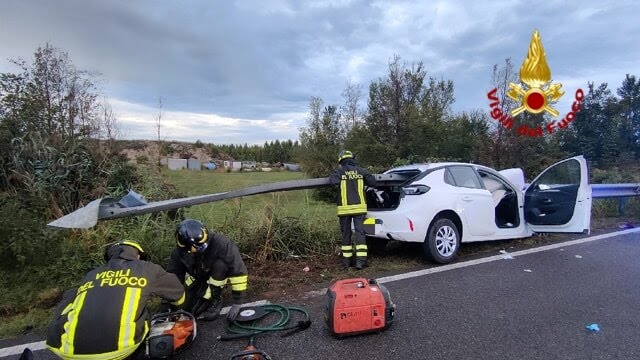
This situation gives rise to points on the State Highway Network that are not well resolved and that can cause serious accidents.
The need to modify this regulation
The European standardization committee “CEN/TC 226/WG 1 – Crash barriers, safety fences, guard rails and bridge parapets” is responsible for preparing regulations relating to the field of vehicle containment systems. The CTN 135 Road Signage Equipment Committee hangs directly from this committee. SC1 Safety Barriers, of which the Metalesa team is a member.
For years, work has been going on within TC226 to modify the UNE-ENV 1317-4:2002 regulations to somehow remove the vehicle containment systems it regulates from the regulatory block. However, to date this task had not been achieved successfully as it was a complex task.
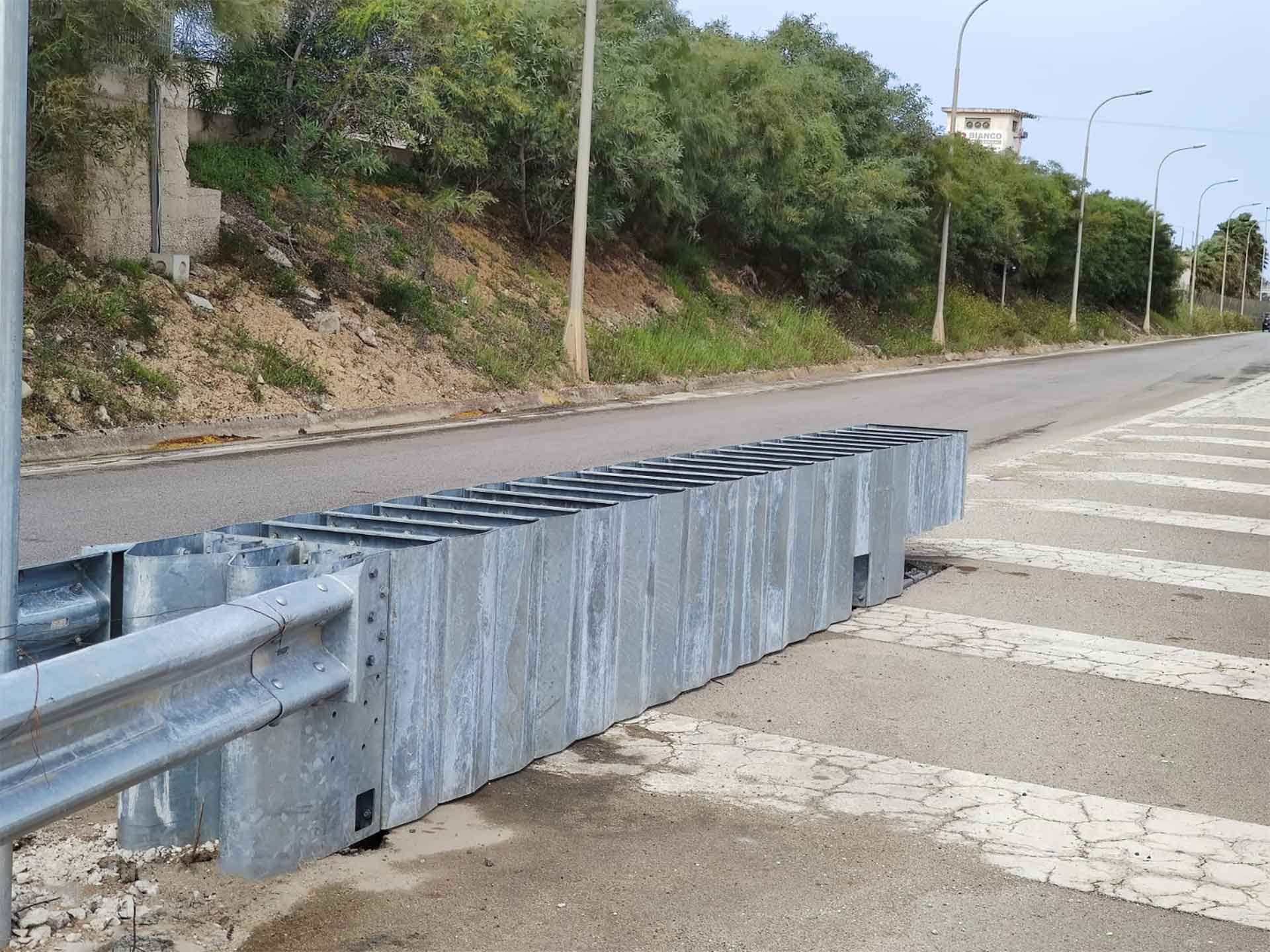
Transitions and terminals, by definition, connect to other systems. A transition is a longitudinal section that joins two systems, such as barriers or parapets, using special pieces that guarantee a logical transition of rigidities. A barrier terminal is a point system, such as an impact attenuator, that connects to a barrier or parapet. Therefore, the evaluation of a barrier terminal involves evaluating the connection between the barrier or parapet and the terminal, which is equivalent to evaluating a transition between systems, even if one of them is not a barrier or parapet.
When it comes to harmonizing these systems under the same standard, there is a big step that must be overcome: there are a multitude of barriers, parapets and terminals on the market that, as we have said before, comply with the regulations but do not have CE marking, which which makes it tremendously complex to establish clear rules to evaluate them and not limit free competition.
New regulations on transitions and barrier terminals on the way
Once the variability in this type of products is understood, it is understood how complex it is to regulate them, however, last June the deadline for voting in TC226 ended. This vote examined the publication of reports and technical specifications that establish the evaluation methods of each of these systems separately and facilitate administrations in establishing criteria to demand the different benefits of the systems, definitively separating them from the marking. EC.
The new regulations of these systems would be as follows:
- Barrier terminals are regulated by FprCEN/TS 1317-7. It is a technical specification, so every 3 years it is decided whether it becomes a standard to be harmonized and be able to have the CE marking.
- Transitions are regulated by FprCEN/TR 1317-10. In this case it is a Technical Report, that is, it does not have to be reviewed at any time, being a declaration of intentions regarding the fact that the transitions will not have CE marking.
With this change in the paradigm of the regulations of Barrier Terminals and Transitions, administrations no longer have to demand a CE marking that could not be obtained, since UNE-ENV 1317-4:2002 is repealed.
Finally, it should be noted that now it is the turn of the administrations to pick up the gauntlet and establish what tests or requirements are required for this type of products to be installed on the roads they regulate. Some administrations, such as the French one, have already championed this change and have requirements aligned with the new regulations.

Our International Projects: Ireland
At Metalesa we have always been very clear about our main objective: improving the quality of people’s lives through our protection systems. Our job is to collaborate in the development of infrastructures that allow this goal to be met.
Currently, our areas of activity are: Road Safety, Mobility & Smart City, and Acoustics. In all of them, we are specialized in the development, engineering, manufacture and marketing of products for road, urban and railway equipment.
In addition, our export vocation has allowed us to protect people in different countries. Through the commercialization of our solutions we have been able to carry out the quality of our products to international markets, exporting to more than 40 countries on 4 continents.
Precisely, in today's article we want to talk to you about two of our international projects, specifically some that we have recently concluded in Ireland.
META13 parapet, the most complete containment system in its range
We present two projects with two aspects in common: They are in Ireland and in both cases the infrastructures were equipped with the META13 Parapet, our H2 containment level model
Works were carried out on the N25 New Ross Bypass roads in 2019 (1,1775 meters from META13) and on the M11 Gorey to Enniscorthy in 2018 (220 m from META13). We are very proud that Metalesa has participated in these international projects and that our products are contributing to the improvement of road safety beyond our borders.
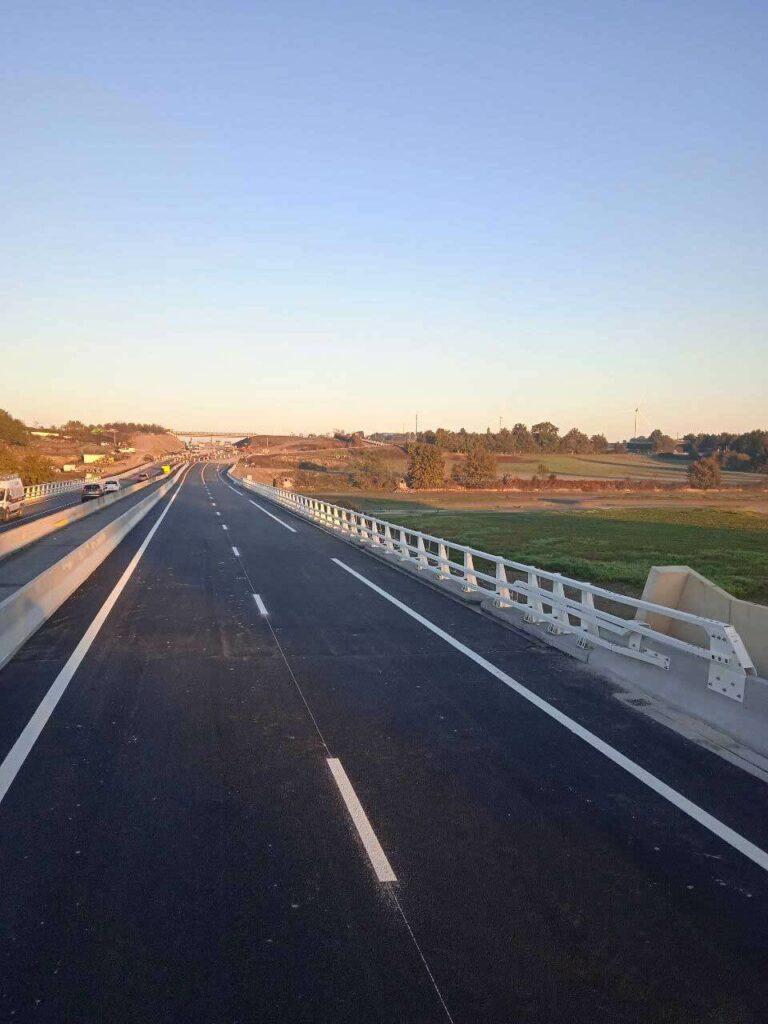
We leave you the spectacular images of both projects
N25 New Ross Bypass
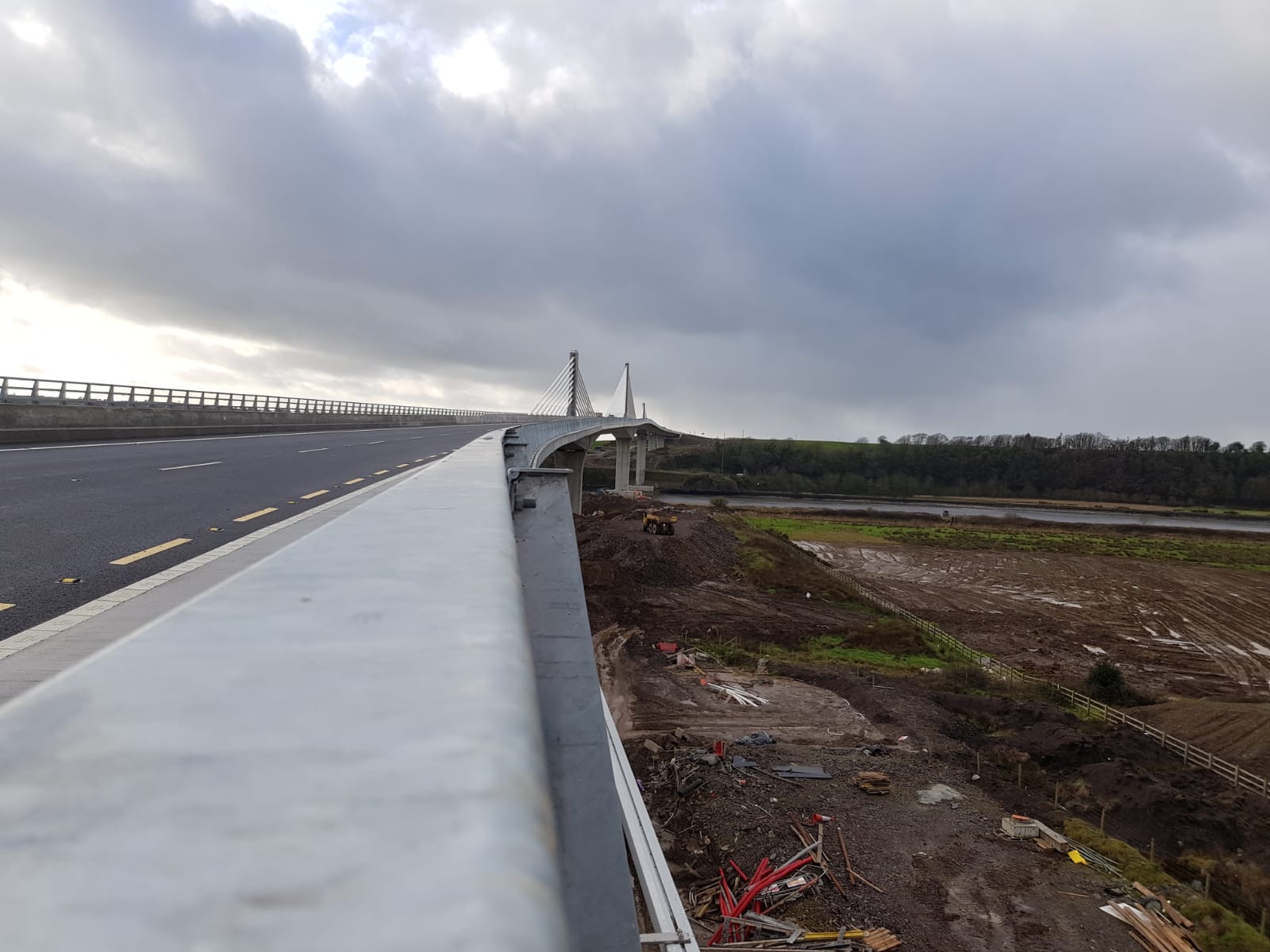
N25 New Ross Bypass
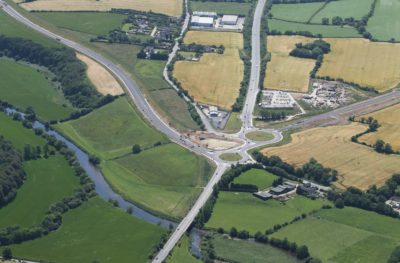
M11 Gorey to Enniscorthy
Features of the META13 parapet
The META13 steel parapet is a vehicle containment system designed for installation on the edges of bridge decks, grade-separated crossings, supporting wall crowns, and similar works.The device is approved according to Standard UNE EN 1317 Parts 1 and 2 that, together with compliance with Part 5 regarding production control, has obtained the CE marking.
Something that favors the possibility of installing our parapets in Ireland is precisely the creation of this regulation, since since 2011 it is mandatory that vehicle containment systems installed in the European Union be certified under the UNE EN 1317 standard. sense, the acceptance criteria after passing the rigorous tests to which the parapets are subjected, are the same for the entire European Union.
If you want to know more about the UNE EN 1317 Standard, we recommend you read this article.
Here are some of the advantages of the META13 steel parapet:
- Reliability of the containment system following testing in the worst possible scenario on a cantilevered bridge deck.
- The reduced dynamic deflection DN=0.6 m and the excellent working width WN=0.8 m (W2) of the system mean that it can be installed on supporting elements of optimised dimensions.
- These properties allow for the installation of acoustic screens and vandal-proof fences at very short distances from the parapet.
- System with shear anchor. In the event of a collision, it is rapid, simple and cheap to replace, with no structural alterations to the bridge deck.
- Simple assembly due to its small number of components.
- Can be transformed into an H3 system.
- System versatility, as it can act as both a vehicle and a pedestrian containment system by installing a grille.
- Alternative anchoring systems can be adapted for existing bridges.
- Hot-dip galvanising of all its components according to Standard EN 1461.
- Powder coating in the different standard colours of the RAL chart.
Our vision: an international future
Just as we have our mission clear, our vision too:
"We aspire to become a customer-oriented company with international recognition, anticipating the future of the sector."
And it is that our projects in Ireland are just one example of our commitment to society to get our products to the whole world. We believe that innovation is the key to being able to continue offering the market safer systems with higher performance, for this reason, we have our own R&D team that is responsible for researching and developing new products.
If you want to know more about our international projects, or need to ask us anything about our products, do not hesitate to contact us. We will be happy to help you in your project.
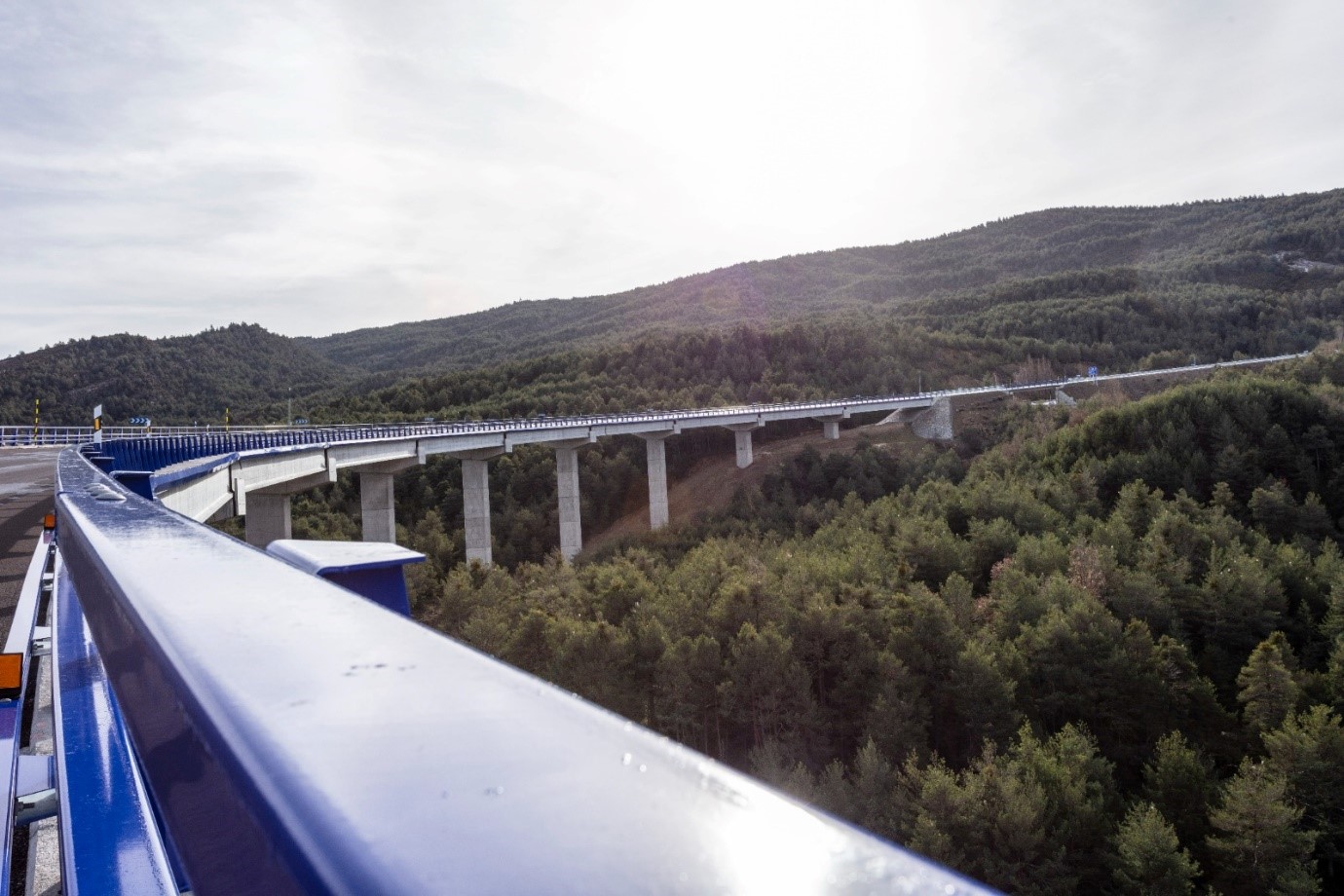
Know the regulations of containment systems
At Metalesa, whenever we talk to you about our products, we tell you what they are for, all their features, their advantages... That is why today we bring you a slightly different article in which we will talk about a topic that we usually touch on on our blog: regulation of vehicle containment systems UNE EN 1317.
If you need to review the existing vehicle containment systems, we recommend you read this article by clicking on this link.
A common regulation for the improvement of Road Safety
Since January 2011, it is mandatory for vehicle restraint systems installed in the European Union to be certified under the UNE EN 1317 standard. The creation of this standard implies the homogenization of the testing methodology for restraint systems and acceptance criteria, thus favoring Road Safety.
We understand that such technical standards can be difficult to understand and interpret, therefore, at Metalesa, as experts in the UNE EN 1317 Standard and as part of the UNE CTN135 standardization committee, we want to be your reference in Containment Systems Regulations . For this reason, in this article we will explain everything you need to know about the UNE 1317 Standard.
What is the UNE?
To explain the UNE EN 1317 regulation, it is first important to know where it comes from.
The UNE (Spanish Association for Standardization) is the only Standardization Organization in Spain. Its work lies in the creation of regulations for the different sectors, so that they conform to a series of standardized and accepted norms, which guarantee the quality and excellence of companies.
Specifically, at Metalesa we are part of the CTN-135 Standardization Committee (Equipment for Road Signalling), which is responsible for developing standards for the standardization of those elements or equipment intended for signalling, security, beaconing and traffic intended for information, planning and road safety. Therefore, the creation of standards related to vehicle restraint systems is included here.
Since its creation, the CTN-135 Normalizing Committee has elaborated 283 norms to favour Road Safety. In this article, we will focus specifically on the UNE EN 1317 standard.
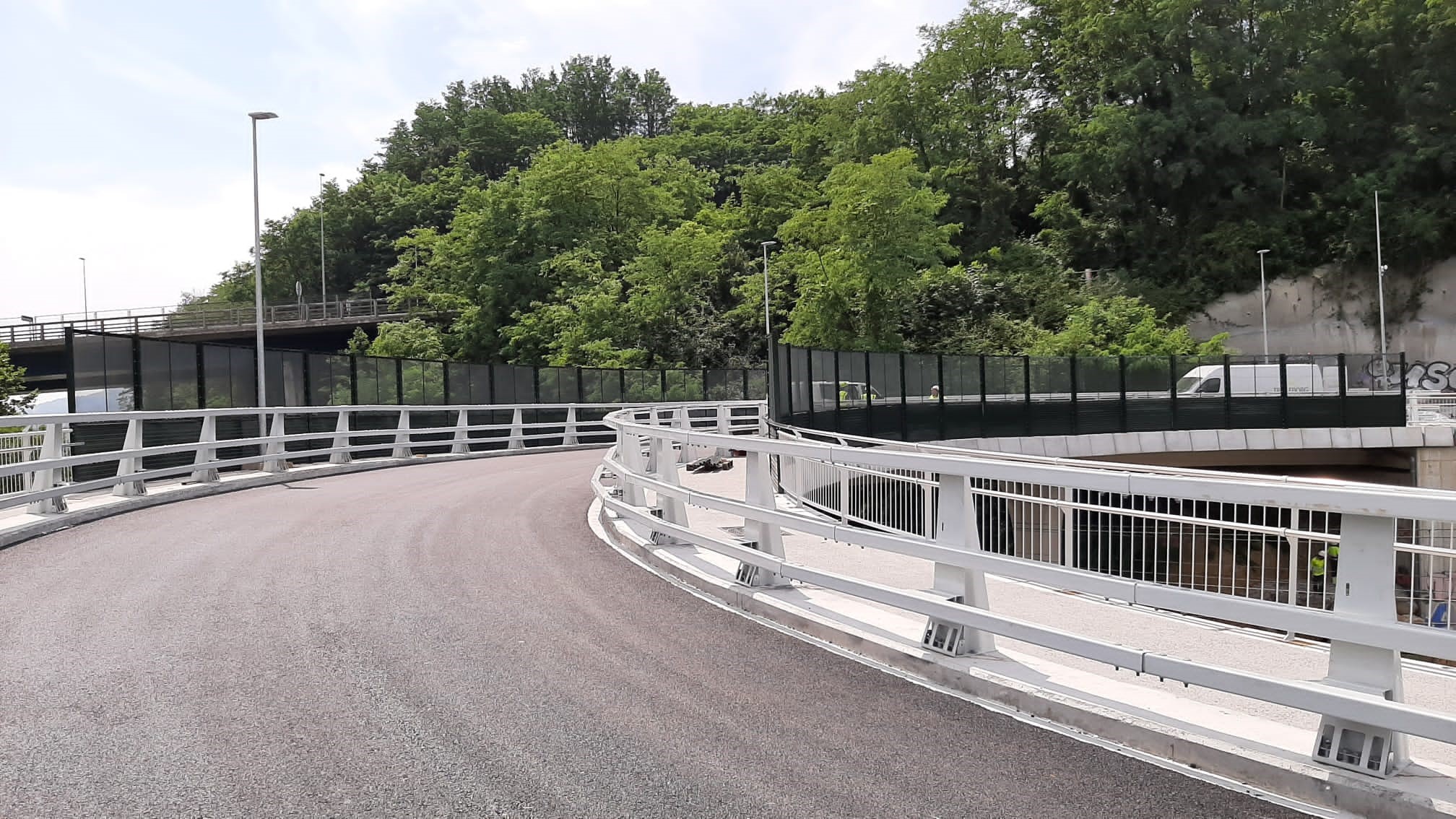
Everything you need to know about the UNE EN 1317 STANDARD, the regulations for Vehicle Containment Systems
Vehicle restraint systems are essential Road Safety equipment on roads to avoid the serious consequences of an accident, which is why it is so important that their operation is subject to the acceptance criteria imposed by the UNE EN 1317 standard.
These are the factors it takes into account:
- Containment level: Ensures that the containment system contains the vehicle in the event of a crash, without overturning the car or passing through the system.
- Impact Severity: Reduces decelerations to minimize damage to vehicle occupants.
- System deformation: Refers to the transverse displacement of the system during impact.
- Redirection: Ensures the return to the road in a controlled manner of the vehicle that hits the containment system, in such a way that it does not invade other lanes.
Taking into account the above variables, we can differentiate between different types of restraint systems that differ in the consequences and effects that the impact of the vehicle has on the vehicle, the occupants, and the restraint system itself.
All containment systems are subjected to full-scale tests in which the above criteria are taken into account and must be passed in order to comply with the UNE EN 1317 standard.
Next, we are going to explain in a more extensive way each of the parameters that characterize containment systems:
Containment Level
It refers to the capacity of a Restraint System to withstand the impact load of a vehicle.
The risk of accidents on a given road, the speed allowed and the average number of heavy vehicles in each direction at the time of commissioning, determine the choice of the level of containment that a vehicle containment barrier must have.
In this sense, the UNE EN 1317 standard defines several containment levels, which are accepted when they pass rigorous full-scale tests. The list of essays that accredit each level can be seen in this image:
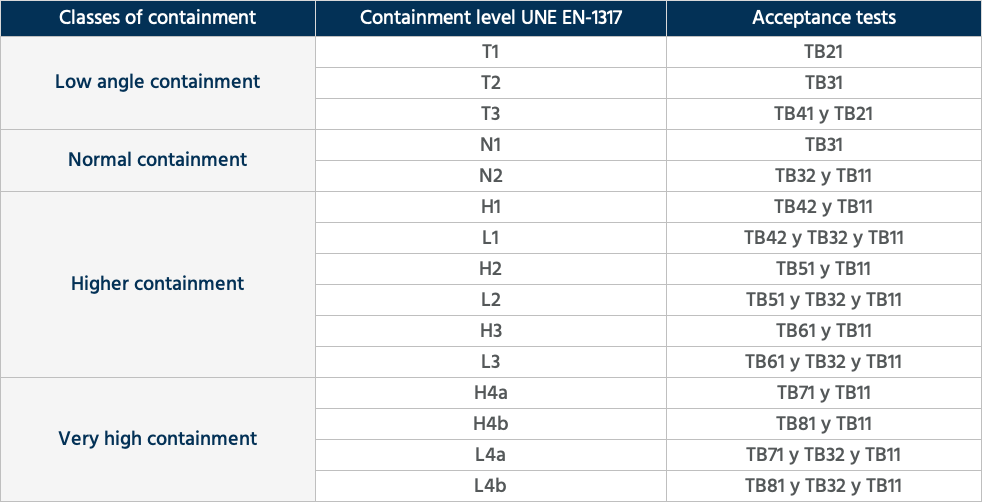
These full-scale tests are carried out in accredited laboratories, so that values are set for the speed at the moment of the crash, for the mass of the vehicle, and the angle at which it hits the vehicle restraint system.

Once the containment level has been established, a complex system of high-performance cameras and sensors calibrated in the laboratory allow the behaviour of a containment system to be defined by means of specific values of the following parameters.
Impact Severity Level
The collision of a vehicle against a restraint system entails risks for its occupants. The impact severity level is defined by the severity of the risks inside the vehicle.
The Impact Safety level is calculated from the combination of the following values: Head Impact (THIV) and Deceleration (ASI).
It is important to note that, in Europe, the installation of an impact severity C restraint system is not authorised, as this value may involve a fatal impact for the driver of the vehicle.

System Deformation
The behavior of a safety barrier is characterized by the transverse displacement of the system at the moment of impact. This is defined in the full-scale tests through the working width and dynamic deflection parameters.
- Dynamic Deflection: Refers to the maximum lateral dynamic displacement of the face of the Vehicle Restraint System closest to the traffic on the road. It is measured in meters.
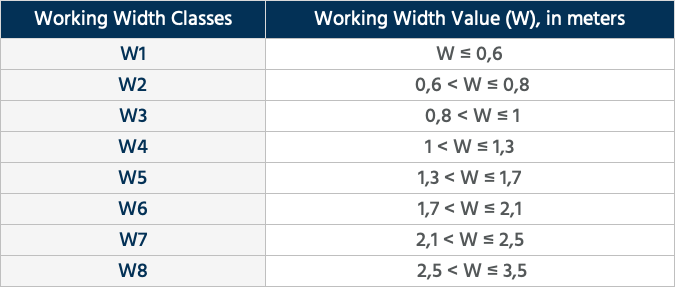
- Working Width: It is the distance between the face of the containment barrier closest to the flow of traffic before the impact occurs, and the farthest lateral position that during the impact reaches any essential part of the safety device. . The standard classifies this parameter from W1 to W8 depending on the meters of displacement.
- Vehicle intrusion: This is the maximum dynamic lateral displacement of the containment system facing traffic without deforming. This parameter is evaluated through high-speed photographic or video recordings, considering a hypothetical load of length and width equal to that of the vehicle platform, and a total height of 4m. The UNE EN 1317 standard classifies this parameter from VI5 to VI5, depending on the meters of displacement.
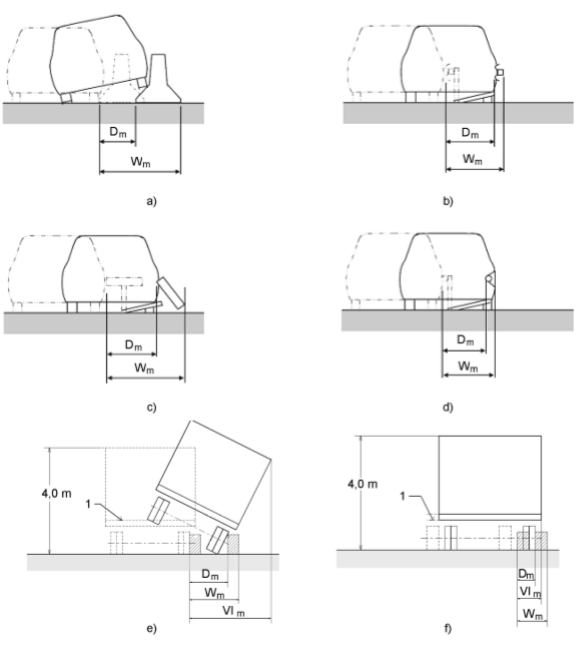
Taking into account the above variables, we can characterize the various types of restraint systems, which will differ in the consequences and effects that the impact of the vehicle has on the vehicle, the occupants, and the restraint system itself.
We remind you that all containment systems with CE marking have been subjected to full-scale tests in which these criteria have been taken into account.
At Metalesa we are in charge of designing, manufacturing and installing vehicle containment systems taking into account all the acceptance criteria dictated by the UNE EN 1317 standard. In this way, we can guarantee the protection of people, and for this reason we must understand the regulations to perfection.
If after reading this article you still have any questions to resolve regarding the UNE EN 1317 regulation, we recommend you take a look at our section of frequently asked questions about containment systems, or if you prefer, you can contact us directly, we will be happy to answer your query.
How does Metalesa support our commitment to sustainability?
Contributing to the improvement of people’s lives is our general objective, but in today’s article we aspire to be much more specific, explaining specific initiatives that we carry out.
As you know, at Metalesa we take care of designing, manufacturing and installing road safety systems, urban protection systems and anti-noise equipment. But we are also aware that, as a company, we must provide solutions and be innovative to satisfy one of the priority demands of our society: a commitment to the environment and sustainability.

More and more sustainable facilities
Little by little, our facilities are evolving adopting measures that favor sustainability and reduce environmental impact, reflecting our commitment to preserving the environment.
Photovoltaic installation
We have concluded the installation a photovoltaic solar plant on the roof of the factory with which to install up to 100KW of power and be able to provide service to the factory in a remarkable way, especially in the months with the highest light incidence.
The preliminary studies of the project allow to advance an average annual external energy consumption savings of 60% with green and clean energy that, in times of excess, could be poured into the grid through new technologies and business models of distributed generation.

Replacement of LED luminaires
We have replaced the entire lighting installation in the factory and the offices with LED luminaires, managing to reduce energy consumption on an annual average by up to 15%.
While many may not need this reminder, we do share some reasons why installing LED bulbs is a more environmentally friendly option:
- They are not made of mercury or any other toxic substance.
- They are recyclable.
- They have a longer life than traditional bulbs. They can last up to 20 times longer.
- It is a cold light, so the chances of a facility fire from overheating are reduced to a minimum.
Replacement of diesel trucks with electric trucks
In the Metalesa factory we are dispensing with the consumption of diesel for our trucks, which are now powered by electric batteries. Without a doubt, an ecofriendly alternative.
Electric forklifts are 100% environmentally friendly as they produce zero emissions, therefore, they do not emit CO2 while in use. Of course, the treatment that is applied to the batteries of any vehicle once its life cycle has concluded must be taken into account. This issue is not resolved and the disappearance of greenhouse gases should not hide the fact that this point should be one of the priorities when addressing electrification in the following years of the mobility industry.
We encourage the use of paper 0
We are carrying out an intensive digitization process that aims to minimize the use of paper in the company. In this sense, with the measures taken to date, we have managed to reduce paper consumption by up to 75%.
Installation of EV charging points
Alongside the electrification of our fleet of forklifts, it is planned that the new car park at our facilities will include the provision of various electric vehicle charging points to employees.
In this way, we hope to encourage the acquisition by our staff of electric cars, aiming to save around 10,000 liters of gasoline per year.
Compliance with environmental standards and guideliness
From a regulatory point of view, we have also decided to go one step further with a plan to introduce official accreditation for advanced standards related to the environment in the company:
- Energy Efficiency Management Systems Standard ISO 50001: This is a certificate that guarantees that the organization has a good system for the correct use of the energy consumed.
- Carbon Footprint ISO 14067: This standard establishes a series of requirements and guidelines to carry out the quantification of the carbon footprint of the products and services offered by a company. Through this standard and the calculation of the carbon footprint, companies can know what is the impact they generate on the environment, and thus take the necessary measures to reduce it.
Products that favor sustainability: Acoustic screens against noise pollution
One of our main products are acoustic screens, barriers specially designed to end a current problem as harmful to people as it is to animals: noise pollution.
The choice of a habitat by animals depends largely on the noises that are produced in it. If an animal cannot tolerate the noise of the environment, it will hardly be able to live in it with the conditions it needs, which will cause it to migrate. If the animals disappear, the balance of the food pyramid of the place is disturbed. Ultimately, excess noise affects fauna and alters ecosystems.
Thanks to acoustic screens we can alleviate this problem through the absorption of noise that is generated on roads, railways or industries. For this reason, we have spent many years developing different acoustic screen solutions that adapt to all types of spaces and requirements.
Since in this post we are talking about the environment, we are going to highlight 3 models that are especially beneficial for our environment:
Metagreen Acoustic Screen
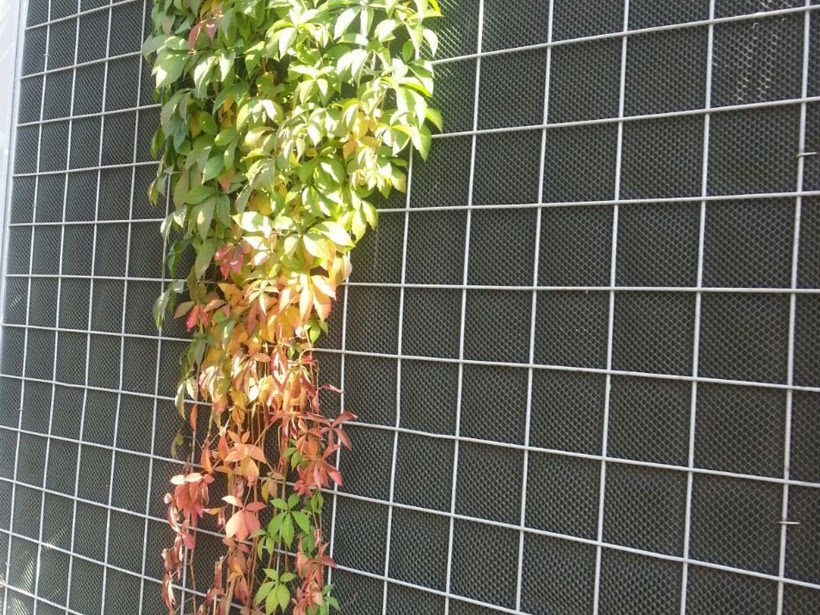
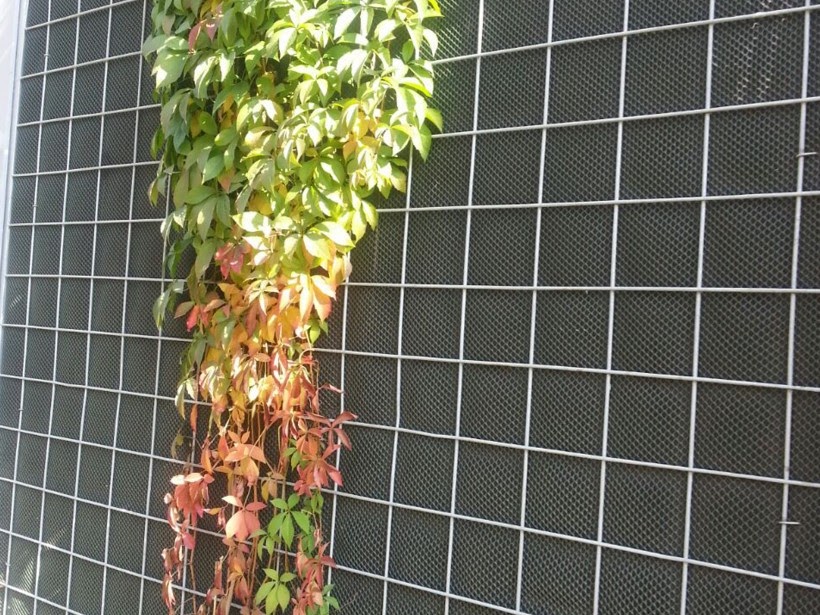
This type of screens, known as vegetable screens, consist of a hot galvanized steel frame, and inside it is placed rock wool or other materials, which together with a green plastic mesh facilitates the growth of vegetation on both sides of the the screen. These are panels made with sustainable and recyclable materials.
Bird Collision Screen
Bird Collision Screens are designed to prevent birds from colliding with vehicles or trains traveling on the tracks. Thanks to this type of screen, we can prevent flight areas and migratory flows from being interfered with by road or rail traffic.

Screen for wildlife passage
Screens for wildlife passage are installed in the overpasses conditioned to protect the passage of fauna and livestock that circulate along the tracks. These are wooden panels that are supplied provided with a chemical treatment that guarantees the preventive and curative action of insects and fungi as well as solar radiation. Further. The wood panels favor the respect for the environment.
As you can see, at Metalesa we work to promote a commitment to sustainability and the protection of the environment from all the areas in which we can cover. From internal initiatives such as the reduction of emissions and discharges, or the creation of training and development programs to improve the way we live, to the reduction of the environmental impact of the manufacture of our products.
One of the main pillars within Metalesa’s vision is the improvement of society and this happens through, among other things, reducing the impact generated on the environment. In addition to continuing to enhance everything that we have explained in this post, we will continue working to increase our effect on the preservation of the environment and the improvement of people’s quality of life.
What it is an acoustic study and why it is so necessary
Noise pollution is a current problem that we face every day. Its harmful effects impact both on the well-being of people and on the environment, so society as a whole is becoming more aware of it, and it is not surprising that the European legislative and regulatory framework is forcing public authorities to implement the necessary measures to guarantee our well-being. One of these measures is the performance of acoustic studies in projects through advanced noise mapping tools to measure the noise pollution of a specific area and adopt correct and optimized solutions. An environmental acoustic study is the tool that should be carried out on roads and urban infrastructures in order to determine if they comply with acoustic regulations.
Noise pollution and its effects on the population have been a generally ignored factor in urban planning in many cities, except for very obvious cases. In Spain many residential areas have problems of this type due to the settlement of urbanizations in areas close to transport infrastructure or industries. In response to this problem, it is common for residents to join neighbourhood associations that seek to exert pressure on the public administration to resolve their complaints.
Noise pollution in housing estates therefore affects people's health and the environment in general, fauna and flora. But not only that, it also has economic effects. The price of a home in a residential area with severe noise pollution can affect the price of the property up to 30%, since potential buyers associate noise with a lower quality of life, and therefore are willing to invest less . In case of the appearance of noise after the commissioning of the urbanization, it could be devalued and the investment of the residents very affected.
Our knowledge as manufacturers of acoustic solutions, together with the complementary capabilities of our collaborators, allows us to provide answers and solutions to all questions related to noise pollution.
From Metalesa, in order to offer our acoustic services, we subcontract these acoustic studies to the best companies in the sector.
Types of Acoustic Studies
To begin with, it is important to distinguish between two types of acoustic studies:
Acoustic building studies
They are intended for the technical improvement of the sound of a enclosed places as small businesses, leisure areas, discotheques, etc. This type of study is not part of our offer of services.
Environmental acoustic studies
These are the studies that we carry out in Metalesa, where the issue is to evaluate the sound propagated in an external environment, representing it through noise maps. Within this type of study we find two categories:
- Infrastructure or facility projects: Any new highway, railway or large industry project usually includes an acoustic study to measure the temporary or permanent noise impact that will provoke in the area, and determine if it will be necessary to adopt measures like acoustic screens.
- Urbanization projects: new urban developments must undergo an assessment of the noise level that they produce, as it can affect other buildings or homes in the area. In the event that the acoustic study determines that the legally established noise level is exceeded, the acoustic insulation of the facades should be carried out.
In addition, it also seems important to us to emphasize that there are two types of noise that can be analysed: on the one hand, airborne noise, transmitted by the air and coming from sound sources such as music equipment, smoke extractors or refrigeration equipment; this is the type of noise that we take care of at Metalesa. On the other hand, there is structural noise transmitted by vibrations of the structure.
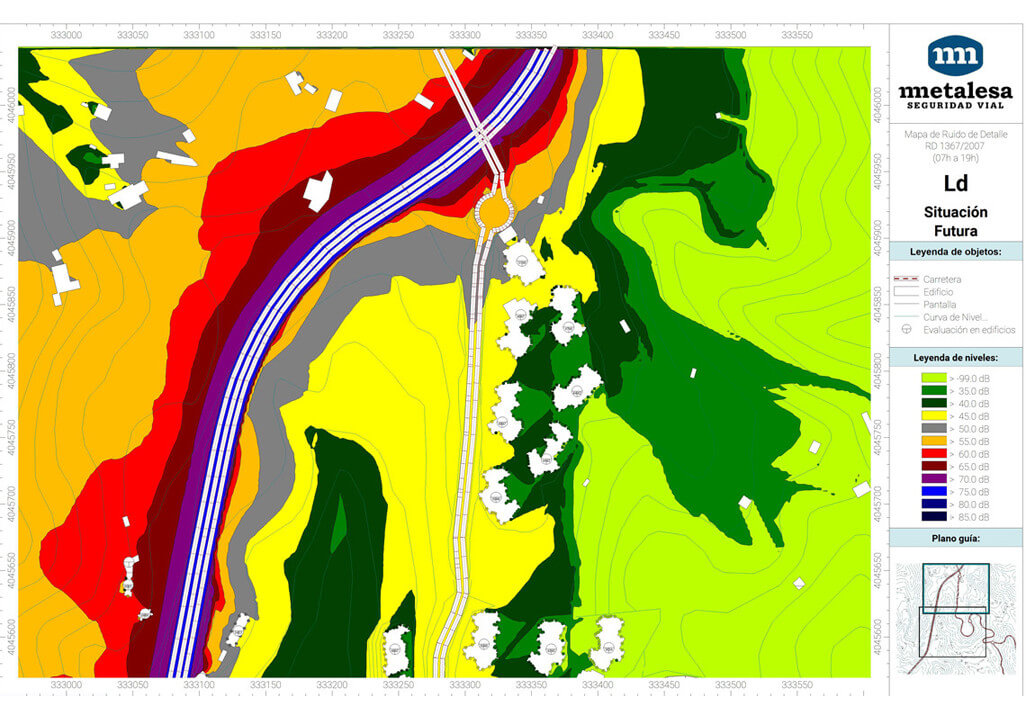
What is the process to follow in an acoustic study?
- First, it is necessary to determine if the area to be studied is subject to noise pollution.
- The experts install their measuring equipment to evaluate whether the sound level is inside or outside what the norm allows. The time required to carry out the study is highly variable, from one or two hours to even leaving the equipment connected for a day, thus being able to analyse the variability of noise levels over time. This acoustic study depends on many factors, and all of them are taken into account when measuring the sound impact and determining a result of the study. For example, if the area is a closed tunnel, or if it is a road area with homes nearby, if these homes are high or low... These variables and many others will be surely taken into account by the expert for the viability of the acoustic study and the assessment of the results.
- Noise maps are obtained through acoustic studies, which normally allow one or more solutions. Acoustic screens is the most commonly adopted to attenuate it. Once installed, experts will return to check the impact of the anti-noise screens and verify if the acoustic problem has been solved.
It should be noted that we can not only carry out these studies in highway or urban areas, acoustic studies can also be carried out in public places of concurrence.
Two types of acoustic screens
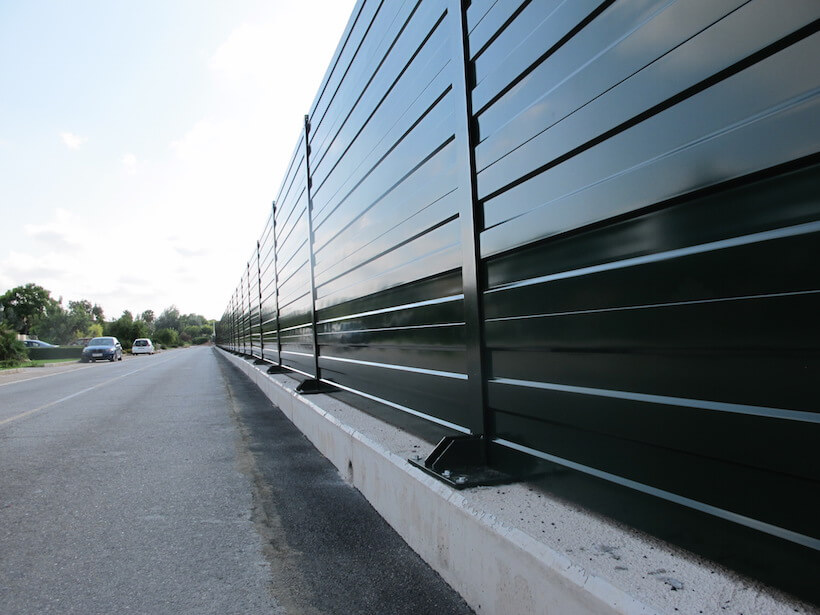
In the event that the acoustic study concludes that the noise levels are above what is established, at METALESA we take care of installing the acoustic screens so that the sound waves bounce or are absorbed. We can distinguish two types:
Reflective screens
They are used in areas where there is nothing on one side of the barrier, so what they do is bounce the sound to that side.
Absorbent screens
These screens are used when there are homes, buildings or any infrastructure on both sides. In this case the noise does not bounce, but is attenuated and dissipated by absorption. The sound that enters the barrier is converted into movement, which vibrates the material of which the screen is composed, which is usually rock wool. This material allows the attenuation of noise.
Is acoustic studies mandatory?
The execution of an acoustic study is mandatory for all situations where noises levels are usually higher than 70dBA. These places can be bars, gymnasiums, cinemas, game rooms, carpentry workshops, car workshops, discotheques... The specifications of each location are included in the municipal ordinances.
As for the road areas, as we have previously commented, the most usual thing is that acoustic studies are carried out in newly created projects.
Without a doubt, conducting an acoustic study is a way of ensuring legal requirements, and the first step to protect people’s quality of life and their the environment. With the installation of our acoustic screens we try to provide a solution to the noise pollution that affects certain areas. Do not hesitate to contact us if you want to carry out an acoustic study, together with our trusted supplier companies we will take care of carrying out the entire process from start to finish.

We are commited to sustainability: Thermal-lacquered Installation and Wastewater Treatment Plant
At Metalesa we have always opted for sustainable development when carrying out all our processes; it is part of our business philosophy and we are very proud of it. The truth is that sustainability is central to the objective of satisfying the current needs of society; it's about reaching that goal with a committed gaze. In this article we want to let you know how at Metalesa we take care of ensuring the well-being of our planet: we will talk about the thermo-lacquering installation and our zero-discharge treatment plant.
As a starting point, we would like to remind you that in our post on Smart Cities we explained our vision regarding the concept of 'Smart City'. One of the features that characterizes Smart Cities is sustainability. At Metalesa we take on the challenge of innovating in the field of urban infrastructure and equipment, performing good resource management and advocating for sustainable social, environmental and economic development.
Thermo-lacquer: sustainable powder coating
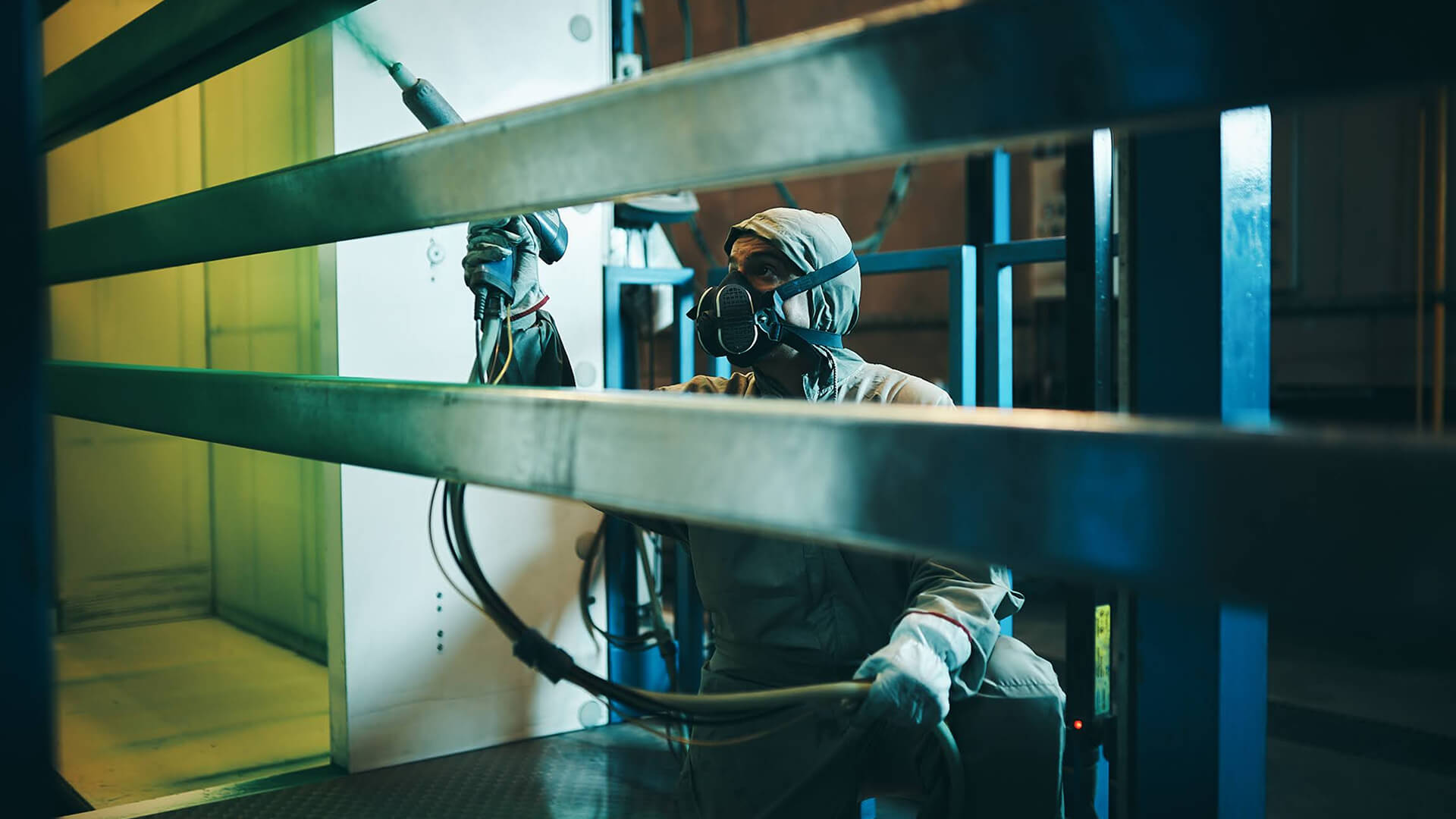
The thermo-lacquering process developed in our facilities consists of applying a powder coating to a metal part that has been previously prepared, to be subsequently cured in the polymerization oven. Powder coatings provide a wide range of advantages over conventional paints, offering greater resistance to corrosion, heat, shock, torsion, abrasion, deterioration due to exposure to sunlight and adverse weather conditions.
Phases of the thermo-lacquered process over surfaces:
Phase 1: Pre-treatment
It consists of applying a treatment prior to the powder painting process that prepares the metallic elements to facilitate the adhesion of the paint and ensure a higher quality and durability anti oxidation.
Phase 2: Drying
The metal pieces are placed in an oven (drying tunnel) at high temperatures to remove moisture and prepare them for later lacquering.
Phase 3: Painting Booth
For parts up to 7.500mm long, the process is performed using automated robots and touch-up guns for an excellent finish.
Phase 4: Polymerized oven
Once the powder layers have been applied to the pieces, a heat treatment is carried out by introducing them in the oven at temperatures up to 220 ºC
Advantages of Thermo-lacquering Treatment
As we have already mentioned, its resistance to corrosion is one of the great advantages of this type of painting process since it increases the durable life to the pieces. However, this is not the only advantage of thermo-lacquering that is worth highlighting:
- Panel coatings finishes are very attractive. Screens can be lacquered in any of the colours of the RAL range, a code that defines a colour using a set of digits.
- The thermo-lacquering process is very environmentally friendly since it is a clean coating: the powder paint does not contain solvents, and the powder that does not remain attached to the piece during the treatment can be recovered for reuse. In fact, the use of this excess dust can be up to 98%, so that the generation of waste is greatly minimized. At Metalesa we use thermo-lacquering in order to be respectful with the environment.
Applications of thermo-lacquering in Metalesa
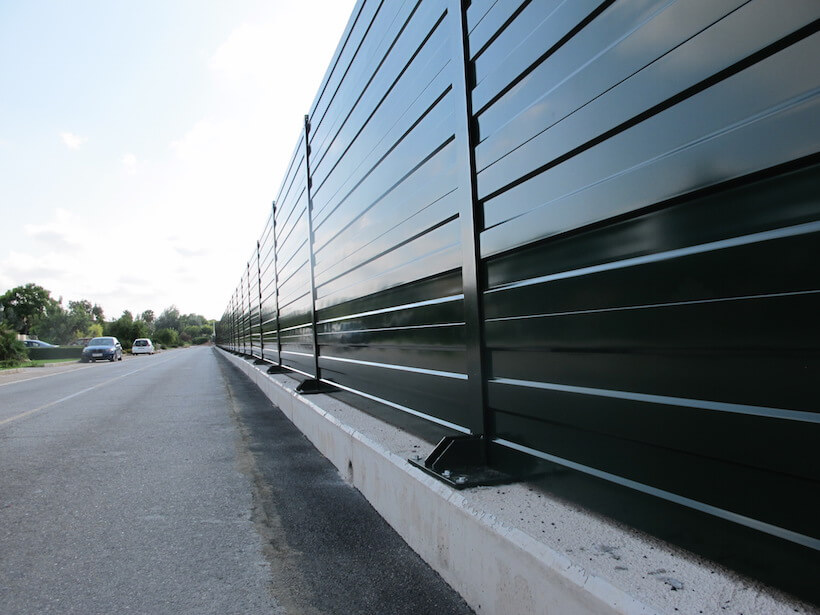
The cladding of facades with thermo-lacquer panels is a growing trend because of the advantages it presents. Our steel or aluminium screens for noise pollution are treated in our thermo-lacquering facilities.
These types of anti-noise screens also serve our goal of facing a global concern of the planet, noise pollution. This problem affects both people and the environment, and that thanks to our acoustic screens it can be effectively reversed.
Zero Discharge Treatment Plant: towards optimization
Metalesa is committed to preserve the environment, controlling waste and using products with a low level of contamination. That’s why we have a treatment plant with Zero Dumping technology. Thus, current environmental legislation is complied and commitment to continuous improvement acquired.
Thanks to our zero discharge treatment plant, we achieve one of our environmental objectives: we contribute to the recovery of aquifers by reusing water in our industrial processes, minimizing the amount of water used and optimizing our resource consumption.
Within the theory of the circular economy model, the reuse of water is seen as a novel perspective for the implementation by companies. However, at in Metalesa we have always counted on a zero discharge facility to comply with our sustainable purpose. And such will we continue to implement the most cutting-edge measures at our reach!

If you believe in our way of doing things during our long history and need our services, do not hesitate to contact us.
How to make a sports complex look new?
All cities, large or small, have one thing in common: their love for sports. Some of them are capable of hosting many facilities, while some others hardly have a sports hall which they know how to get the most out of. A football, basketball, handball or any other sport team can be something iconic for a city, which is partly due to the sports complex where they train and compete in regional, national and international championships. For this reason, it is becoming more important that sports complexes stand out for their structure and design, and thus generate pride and identification among the population.
As you know, since our very beginning, at Metalesa we have dedicated ourselves to ensure the safety and quality of life of what matters most to us: people. Our products are aimed at both road and urban safety and noise reduction. Therefore, we can get in charge that the sports complex of the clubs of a city have the space they deserve.
How do we help?
We reform and modernize sports complexes with the integration of acoustic screens on its façade. This includes:
- Previous acoustic studies to define parameters to be achieved
- Aesthetics are important. New screens will provide the facilities a facelift that will not go unnoticed: a quality material, striking colours... sports complexes cannot be left behind in our efforts to modernize cities according to our philosophy of creating Smart Cities.
- Noise pollution. Sports complexes are usually a big source of noise, usually generated by a passionate public. In addition, many facilities are also used as concert halls. To handle such challenges, our acoustic screens will be a success to guarantee the rest of the close neighbourhood and comply with the regulations on noise pollution in urban environments.
Acoustic Studies
Any project of such scope must be preceded by an acoustic study according to regulations in force. By using advance technologies, we will get as a result the parameters to be achieved, which will act as input requirements to the optimized constructive solution that must meet them. At Metalesa we have extensive experience in conducting these acoustic studies.
What characterize our acoustic screens to be integrated into sport complexes facades?
Minimizing the noise of sports complexes is possible thanks to the characteristics of our acoustic screens made with sound-absorbing panels:
- Absorbent face oriented to the noise focus: absorbent face is multi-perforated. These perforations make it possible for sound waves to penetrate the panel and dissipate in the absorbent material located inside, thus minimizing noise.
- Acoustic insulation: as an absorbent material, rock wool of different thicknesses and densities is used depending on the acoustic characteristics that must be met. The rock wool is integrated into the interior of the panels, so that a reduction in the sound level is achieved.
- Reflective face: The reflective face leaves a space with the rock wool, generating an acoustic chamber, so that the sound waves are reflected back into the absorbent material.
- Supporting structure: consisting of HEA / HEB type uprights with hot-galvanized welded base plate and thermo lacquered with polyester powder paint. In any case, the supporting structure solution will be adapted to address the particularities and limitations of each project.
Like all our products, metal acoustic screens have been tested under rigorous evaluations to guarantee their acoustic and mechanical behaviour. This evaluation is based on the EN 1793-1 standard, which allows us to obtain the maximum sound absorption and insulation values for the screens we install. Our team of expert engineers and calculators manage all the factors necessary to make the installation of the screens a complete success.
Sport complexes reformed by METALESA
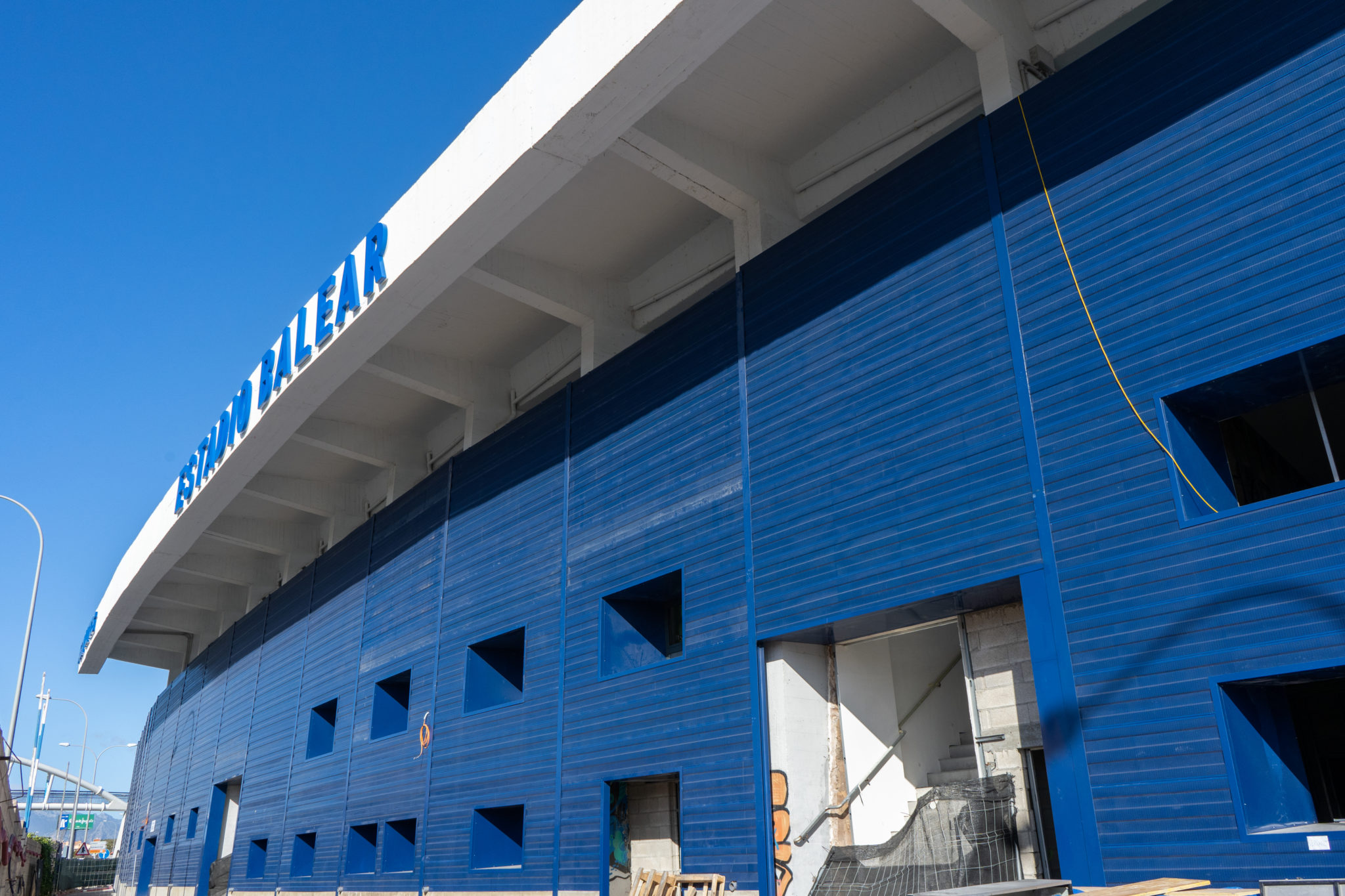
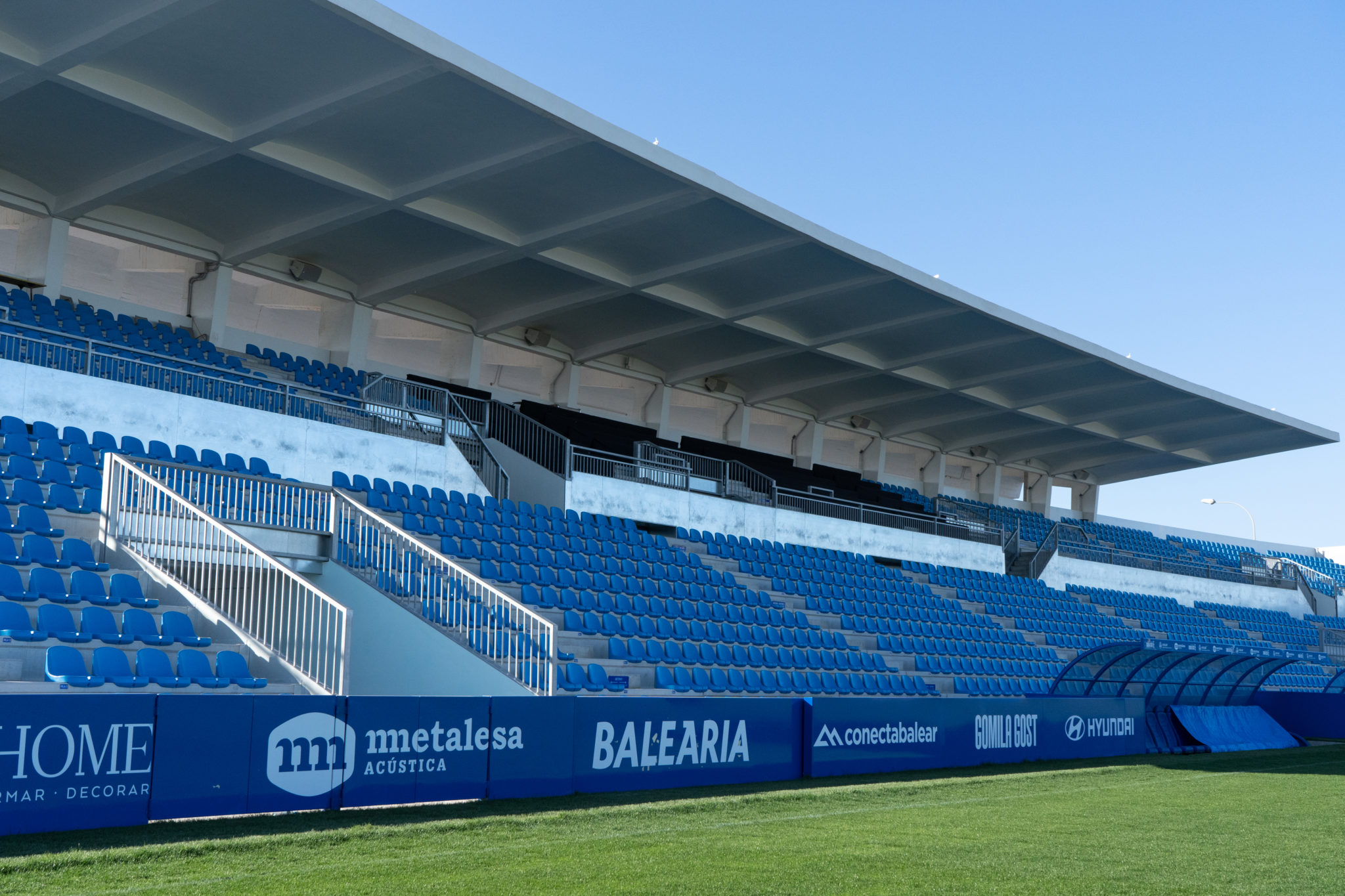
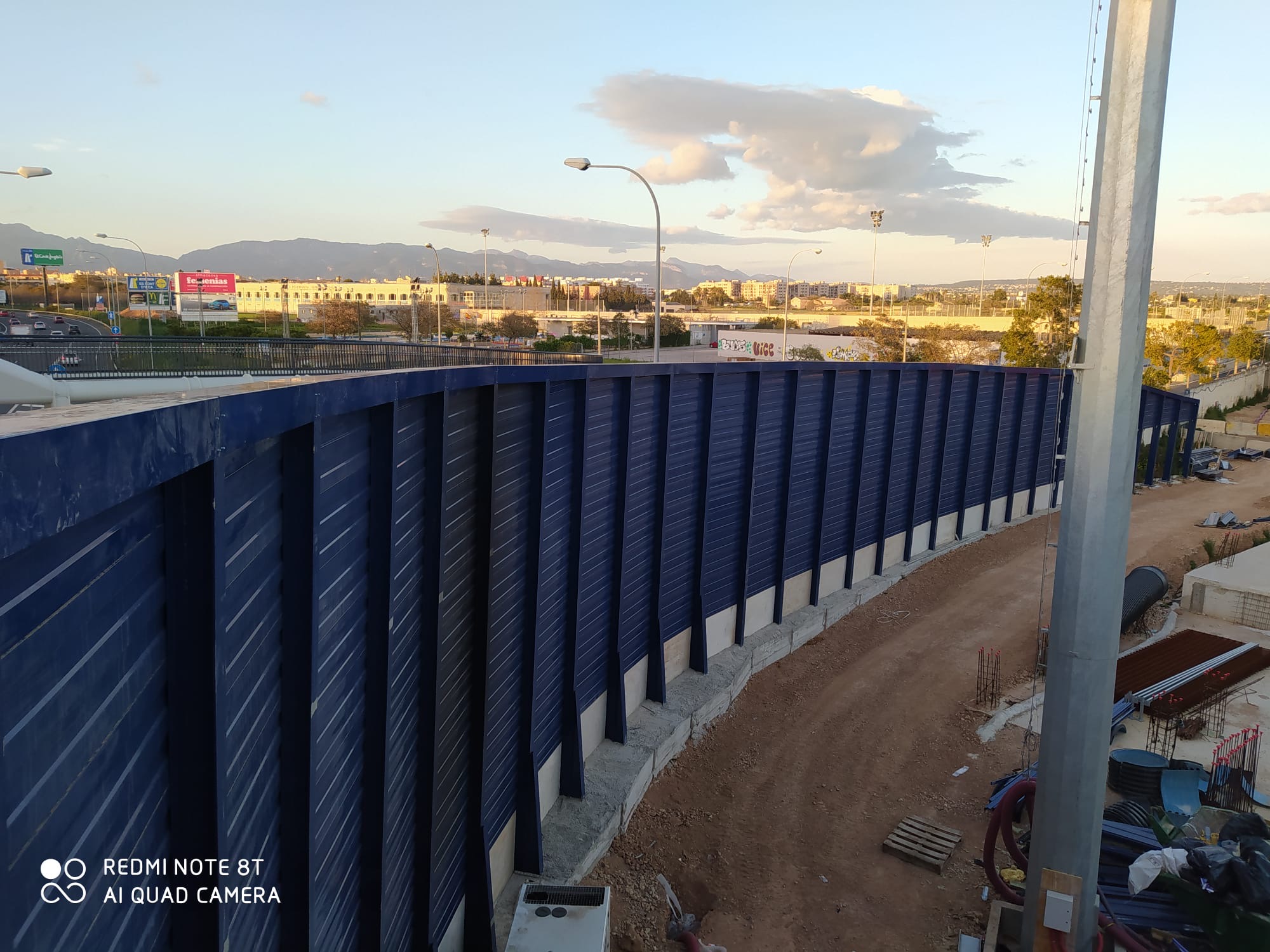
At Metalesa, our commitment to sport is latent. Did you know that we are official sponsors of Atlético Baleares? In addition, we have transformed their football stadium in Mallorca. Here we leave you some photos!