





Road Safety Barriers: Types, Regulations and the Importance of Certification for Public Projects
Road safety barriers, technically called vehicle restraint systems (VRS), are an essential element of modern infrastructure, designed to protect drivers, pedestrians, and cyclists from traffic accidents. Their main function is to reduce the severity of collisions, preventing vehicles from leaving the road or impacting dangerous elements. In Spain and throughout Europe, the assemble of barriers is regulated by strict standards that guarantee their effectiveness and certification, which are key factors for public works projects.
The choice of the right barrier depends on key factors such as road type, traffic volume, the context (urban, interurban, tunnels, bridges), and the containment level required by regulations. The main categories are described below:
Metallic Barriers (Guardrail)
Metallic barriers, also known as guardrails, are usually made of galvanised steel, offering excellent corrosion resistance and extended durability. These flexible systems are engineered to deform on impact, absorbing and dissipating energy to lessen crash forces and reduce the risk of injury to vehicle occupants.
These systems are ideal for standard roads and motorways, especially in sections where a vehicle could leave the roadway towards slopes, embankments, or wooded areas. Their main benefits are their reduced cost, ease of installation and repair, and great versatility. However, a clear safety zone must be maintained behind the barrier to accommodate its deformation (working width).
Concrete Barriers
These barriers are built with reinforced or pre-stressed concrete, and often feature tongue-and-groove joints to improve their continuity. They are rigid systems that barely deform upon impact, as their main function is to contain and redirect the vehicle back onto the carriageway.
They are used on motorways and high-capacity roads, as well as on bridges, viaducts, and in tunnels, where there is no lateral margin for deformation. Their main advantages are their very high durability and the minimal repair needs after an impact. Their main limitation is that they transmit a higher impact severity to vehicle occupants compared to flexible barriers.
Mixed Barriers
Mixed barriers combine a concrete base with metal elements on the top. Their design seeks a balance between rigidity and flexibility, absorbing impact energy to reduce its severity for occupants without losing structural stability.
They are common in urban areas with mixed traffic (heavy and light vehicles) and on high-speed roads near urban centres, but they are falling into disuse because they are not certified systems according to current regulations since 2011. At the time, they addressed some of the shortcomings of concrete barriers, such as their height.
Motorcyclist Protection Systems
The design of conventional barriers, particularly the vertical posts that support them, creates a serious risk to motorcyclists. In a fall, the direct impact of the rider's body or motorcycle against these rigid elements can cause severe or fatal injuries. To mitigate this danger, motorcyclist protection systems (MPS) have been developed: a continuous lower panel installed beneath the guardrail to shield the posts and reduce under-ride and snagging.
These MPS, made from steel, high-resistance polymers or a steel-polymer hybrid, create a smooth and continuous surface that prevents riders from sliding under the barrier and colliding with the posts. In effect, they guide the rider along the barrier, reducing exposure to the most hazardous impact points. They are a priority safety measure on sections with high motorcycle crash rates, dangerous curves, and mountain roads, where the risk of falling is higher. Multiple studies report meaningful reductions in both the frequency and severity of motorcyclist injuries.
Guardrails and Pedestrian Systems
These systems are designed to protect the most vulnerable users—pedestrians and cyclists—and to guide traffic in urban settings. They are made of materials such as steel, aluminium, or methacrylate, and always comply with accessibility requirements and a minimum protection height.
They are installed on pavements alongside heavy traffic roads, on elevated pedestrian crossings, and in urban areas with high pedestrian volumes. Their main advantage is increased road safety for vulnerable users and better organisation of pedestrian flow.
Reference Standards
In the European Union, the EN 1317 standard is the key reference standard governing the characteristics, performance requirements, and tests methods for road safety barriers. It ensures consistent safety criteria across Member Countries, making validation and comparison easier throughout the European market.
The key parameters defined by the standard are:
- Containment level: indicates the barrier's ability to stop vehicles of different masses, at different speeds and impact angles. For example, an H2 level is capable of stopping a 13-tonne bus, while an N2 level applies to 1.5-tonne cars at intermediate speeds. Each country has mechanisms for selecting the containment level for each type of road and its AADT (Average Annual Daily Traffic) and vehicle type.
- Dynamic deflection (D): defines the maximum distance that the front face of the barrier displaces upon impact.
- Working width (W): defines the maximum distance the barrier displaces backwards during an impact. This is crucial to ensure that the vehicle does not hit obstacles, structures, or pedestrians behind the restraint system.
- Vehicle intrusion (Vi): defines where a hypothetical 4-metre truck box would end up after impacting the barrier. This is especially important in structures where this box could hit structural elements, for example, on a cable-stayed bridge.
- Impact severity (A,B,C): assesses occupant protection, measuring the forces acting on the occupant during the collision. A classification A represents the safest level, as it minimises physical damage to passengers.
Passing the EN 1317 tests enables CE marking—mandatory since 2011—for the marketing and installation of road safety barriers on public works. This certification not only confirms compliance with the European test regime, but also supports acceptance by public authorities in tendering and infrastructure approval processes.
Impact Testing and Technical Validation
Before deployment, barriers must undergo full-scale crash tests at accredited laboratories. These tests reproduce controlled crash conditions using vehicles of specified masses, dimensions and speeds, as required by EN 1317.
During the tests, three main aspects are evaluated:
- Containment and redirection capability: the barrier must prevent vehicle penetration or rollover and then redirect the vehicle back towards the carriageway in a controlled manner to minimise secondary risks.
- Dynamic deformation and energy absorption: Measures the barrier’s displacement/deformation and the energy absorbed on impact—critical for defining the safety space (working width) behind the installation.
- Occupant safety and structural integrity: Assesses in-vehicle acceleration/deceleration and the post-impact stability of the barrier. A certified system must protect in the initial crash and retain adequate performance for subsequent impacts until repaired.
Crash test reports are essential for obtaining CE marking and, consequently, for supplying barriers to public projects.
Certification as a Requirement in Public Projects
In public procurement, EN 1317-certified barriers are not optional but a mandatory requirement.
Beyond compliance, certification adds value for companies in the sector, instilling confidence in both public authorities and road users. It also safeguards competitiveness in an increasingly regulated and demanding market.
However, the CE marking granted by this standard is not the only valid tool for evaluating vehicle restraint systems; in fact, it’s not uncommon for uncertified systems to be installed, such as transitions between VRS or barrier terminals. EN 1317 is, above all, a framework to harmonise evaluation across Europe, a considerable challenge, and authorities have not always issued standards covering every type of restraint system. This doesn’t mean these solutions aren’t rigorously assessed; they may be installed when they’re the best fit for the site or when no suitable CE-marked option is available.
Road safety barriers are not merely equipment; they are a strategic element in reducing crashes and protecting lives. Proper selection, installation and certification ensure not only regulatory compliance but also the feasibility of public and private projects. Choosing certified systems is an investment in safety, sustainability and trust.


Road Safety and Accident Prevention: 21st Century Infrastructure
Road Safety and Accident Prevention: The Need for Adaptation and Road Safety
For decades, our roads have been the pillars of mobility, connecting cities, towns, and communities. However, as we move towards an increasingly digital and sustainability-oriented future, it becomes evident that our road infrastructure urgently needs an update. While efforts have been made to maintain and repair existing roads, not enough has been done to adapt them to new mobility methods, Smart Cities, and the growing demands of an ever-increasing population.
The need for infrastructure adaptation to cities
The world is changing at a dizzying pace, and our cities must keep up. Cities are evolving into smarter environments where technology plays a fundamental role in traffic management, road safety, and energy efficiency. However, our urban roads remain largely analog in a digital world. An updated road infrastructure is needed that integrates technologies such as smart sensors, traffic management systems, and vehicular communications to improve traffic flow and reduce accidents. Administrations are aware of this issue and have been implementing data-driven strategies for years to improve citizens' lives.
Sustainable mobility
Sustainable mobility is another crucial aspect that our roads must address. With increasing environmental awareness and the need to reduce carbon emissions, it is imperative to promote the use of public transportation, bicycles, and electric vehicles. However, current roads are not designed to accommodate this diversity of mobility options. Safe bike lanes, charging stations for electric vehicles, and infrastructure that fosters efficient public transportation are needed.
Population growth and urbanization are global trends that are putting increasing pressure on our roads. Cities are more populated than ever, meaning more vehicles on the roads and greater infrastructure demands. However, many of our roads were not designed to handle this volume of traffic, resulting in congestion, longer travel times, and increased pollution. It is essential to adapt our roads to meet the needs of 21st-century cities and beyond.
Road safety and accident prevention
One of the most critical aspects when talking about road infrastructure is the safety of its users. Every year, thousands of lives are lost in traffic accidents, and many more people are seriously injured. It is crucial that our roads are designed with a focus on road safety to reduce these tragedies.
Technology plays a fundamental role in accident prevention. Advanced driver assistance systems, such as automatic emergency braking and blind-spot detection, can help avoid collisions before they occur. Additionally, adequate lighting, clear signage, and regular infrastructure maintenance can improve visibility and reduce risks for drivers.
Technologies like PLUG&META® are a clear example of innovation in the field of SMART ROADS and a clear trend that reaffirms the administration's commitment to the new era. The most appropriate decisions for urban mobility must always be based on real data to ensure the safety of all road users.
Road education also plays a crucial role in accident prevention. Awareness programs about the importance of wearing seat belts, respecting speed limits, and avoiding distractions while driving are fundamental to promoting a culture of safety on our roads.
At Metalesa, we firmly believe that accident prevention requires a holistic approach that addresses both technological and human aspects of road safety. By investing in safer infrastructures and promoting responsible behavior from road users, we can work towards drastically reducing the number of accidents and saving lives on our roads.

Collaboration between the private sector and the administration
Addressing these challenges requires close collaboration between the private sector and public administration. Technology companies can bring expertise in innovation and the development of smart solutions, while governments have the power to establish policies and regulations that encourage investment in road infrastructure. It is crucial for both parties to work together to ensure the safety, mobility, and well-being of everyone who depends on our roads.
In summary, our roads need an urgent renovation to adapt to the demands of the modern world. From integrating smart technologies to promoting sustainable mobility and managing urban growth, many aspects must be addressed. Only through effective collaboration between the private sector and public administration can we ensure that our roads are prepared to meet the needs of Smart Roads in the smart cities of the present and future.
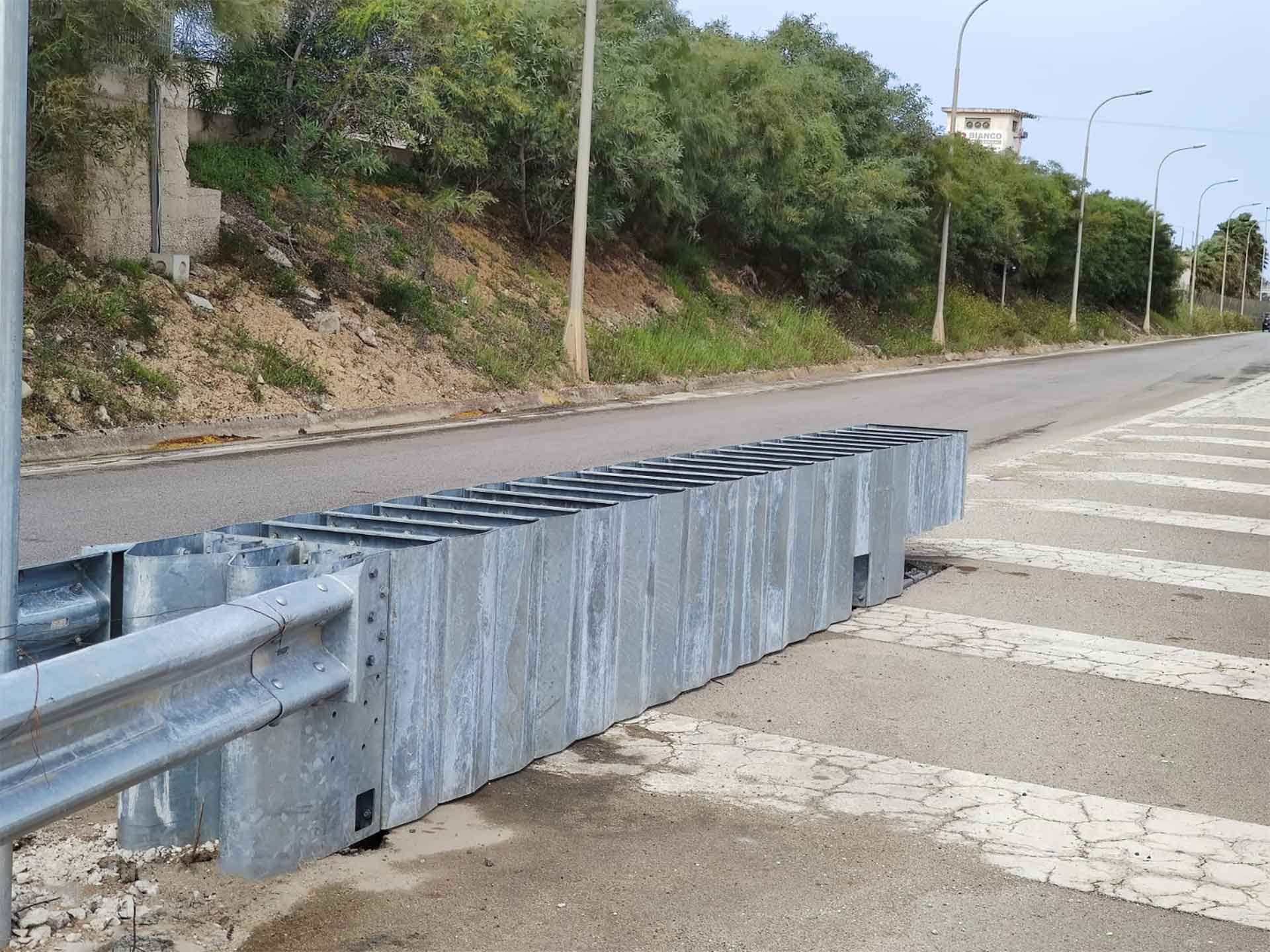
Crash Cushions and Barrier Terminals. Application criteria
Vehicle Containment Systems (VCS) are undoubtedly one of the key elements when it comes to measuring the level of road safety on our road network. These systems, if installed with the appropriate quality standards, significantly reduce the consequences of accidents, mainly off-road or frontal impacts.
There are many national and international regulations that allow the evaluation and certification of products, and that establish a guide of criteria to install them properly, always according to the characteristics of the road and the prescriptions of its manufacturer.
Regulations for vehicle containment systems
The applicable regulation in Europe is UNE EN 1317, which includes several parts with which to evaluate barriers, parapets, crash cushions, transitions between VCS, barrier terminals, removable barrier sections, as well as motorcyclist protection systems. Once established throughout the common European area, each administration must transpose these guidelines by adding its own local criteria. In the case of the Spanish administration, installation criteria for vehicle containment systems is defined in the 35/2014 Circular Order.
This regulation applies in the National Roads Network establishing installation criteria mainly for both barriers and bridge parapets. However, if you are looking for installation criteria for crash cushions or terminals, you will hardly find any reference in article 6.6 where terminals are mentioned as barrier ends, in articles 6.7.3 and 6.7.4 where their differences are mixed, and finally, in article 9, where they are once again mixed up without clarifying when to use one or the other.
Crash cushions have CE marking because part 3 of EN 1317 is harmonized by part 5. However, the terminals do not have CE marking as they are not harmonized by that part 5.
Terminal and Impact Attenuator Performance Levels
Additionally, these systems are classified according to their level of behaviour:
- The Crash Cushions can be of classified as Behaviour Level 50, 80, 100 and 110. This number refers to the speed at which they are tested. For each level, the standard provides for 5 full-scale tests with different directions and angles of approach.

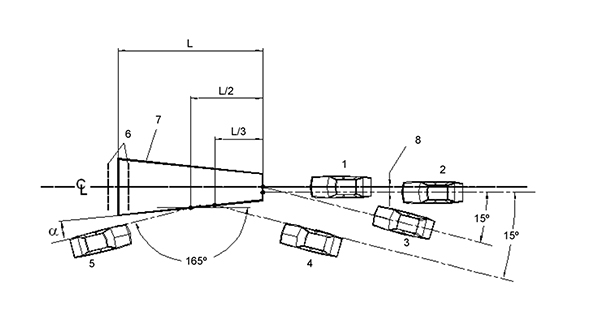
- The Barrier Terminals are currently classified by their Class of Behaviour P1, P2, P3 and P4 according to part 4 of the standard. This part 4 is valid, but it is expected to be imminently replaced by a new Technical Specification for Barrier Terminals recently approved by the Standardization Committee. In this TS, the Terminals are classified differently, as T50, T80, T100 and T110, which is a very similar classification to that of the crash cushions. As for the full-scale tests, up to 6 tests are contemplated to evaluate their behaviour.
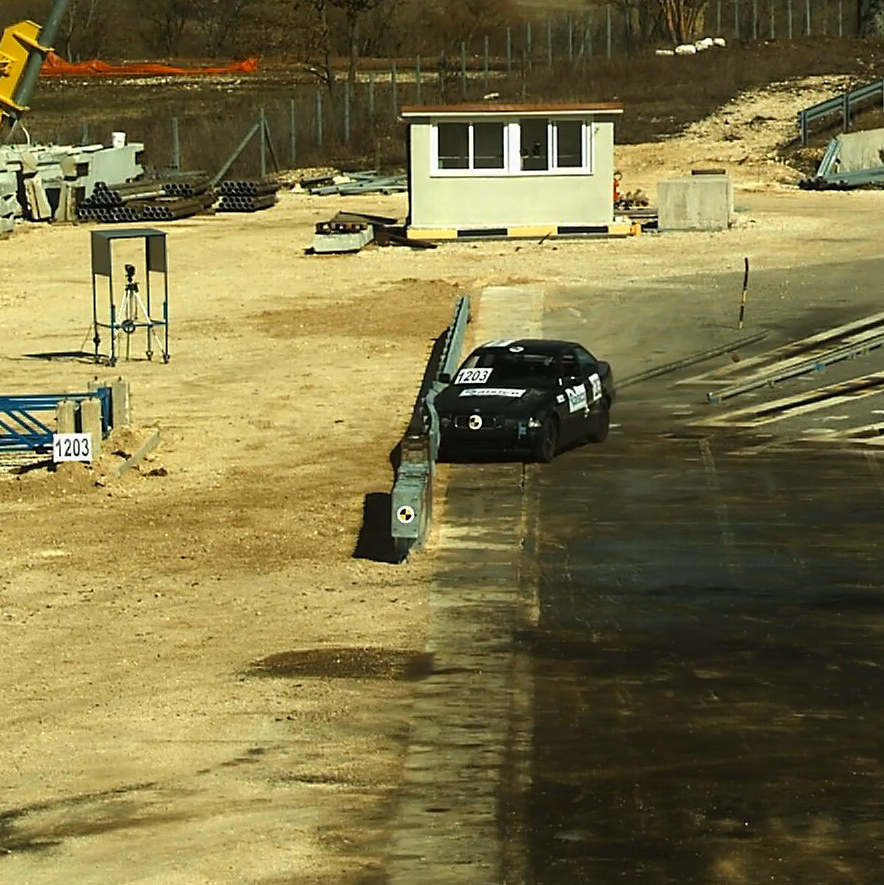
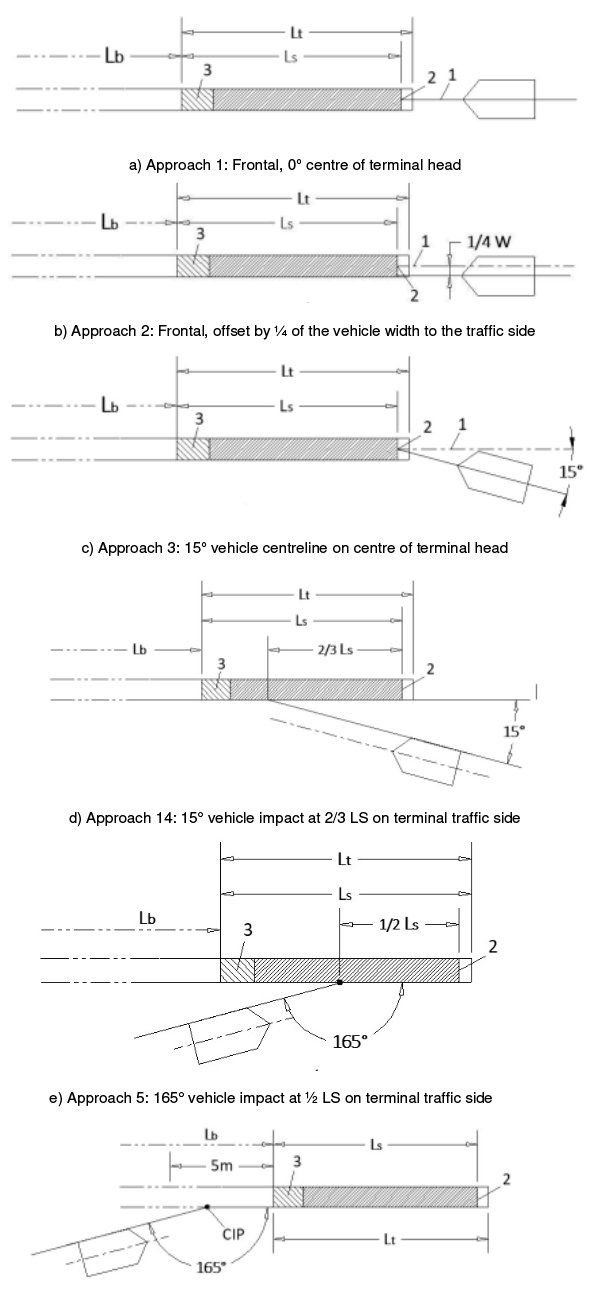
All these tests make it possible to characterize the crash cushions and barrier terminals, assigning them deformation parameters associated with the displacements that have occurred in the test itself, as well as severity values for the vehicle occupants.
Criteria for application of Crash Cushions and Barrier Terminals
As seen, the European regulations brings some light to these road safety systems, but when it comes to the actual project on site, where the variety of scenarios is very wide, OC 35/2014 lacks criteria about when using terminals and/or crash cushions, compared to the exhaustive detail of barriers and parapets. For example, in the case of barriers and bridge parapets we can define what level of behaviour is required depending on the severity of the accident and the characteristics of the road. However, in the case of terminals and crash cushions there is no common criteria that guides the choice of the system. One option is to choose the system based on the speed of the track and the speed at which the system was tested. Curiously, this criterion is not the one applied to barriers or bridge parapets, where it is common to install a parapet tested at 70 km/h on a road where driving at 120 km/h is allowed.
Another common point of installation of barrier terminals and crash cushions is in divergences. Once again, the OC lacks installation criteria in these locations, a problem that raises many questions. For example, which road branch to prioritize and whether or not the shoulders of both branches have to be respected, or, for example, the position of the system on the crossroads, more or less away from the vertex of the divergence. In this case, it will be necessary to assess how much barriers of both branches can converge.
This positioning variability affects the chosen solution, since the crash cushions and barrier terminals can be obtained in families where, for the same system, there are several solutions in terms of widths and even inclinations of the walls, from 300mm to 2300mm wide.
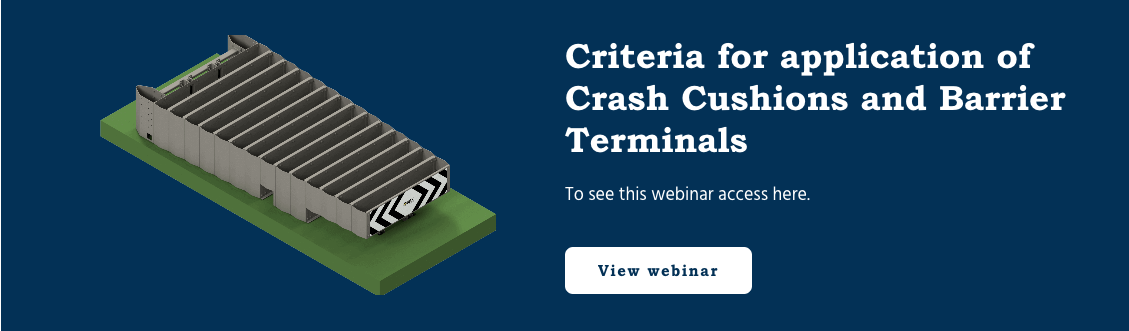
These very brief notes regarding application criteria barely cover a few of the many doubtful aspects that are dealt with in much greater detail in a 40-minute webinar where, with many examples, photos and videos, we try to shed some light on the criteria that we are currently applying, To see this webinar access here.
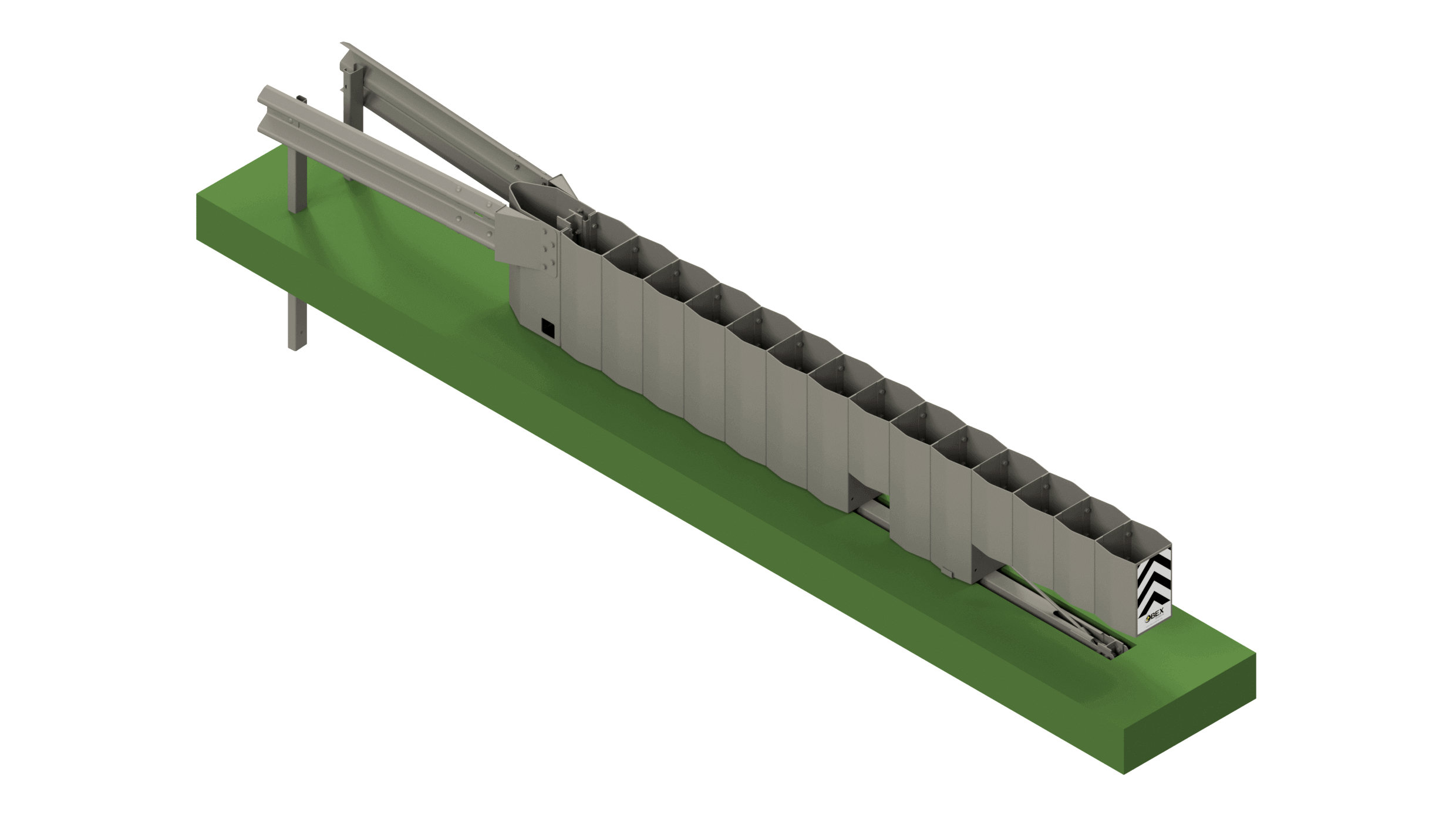
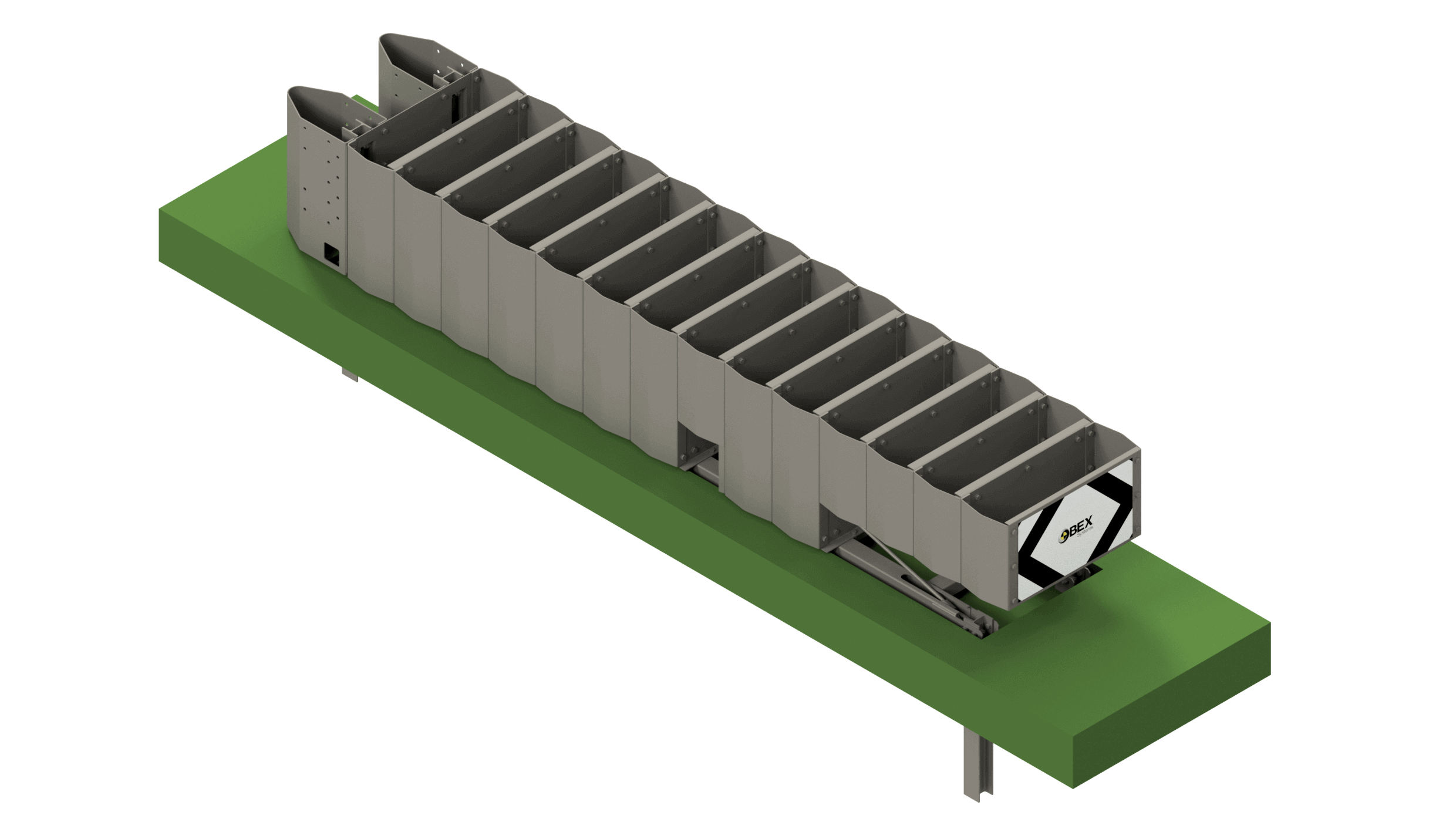
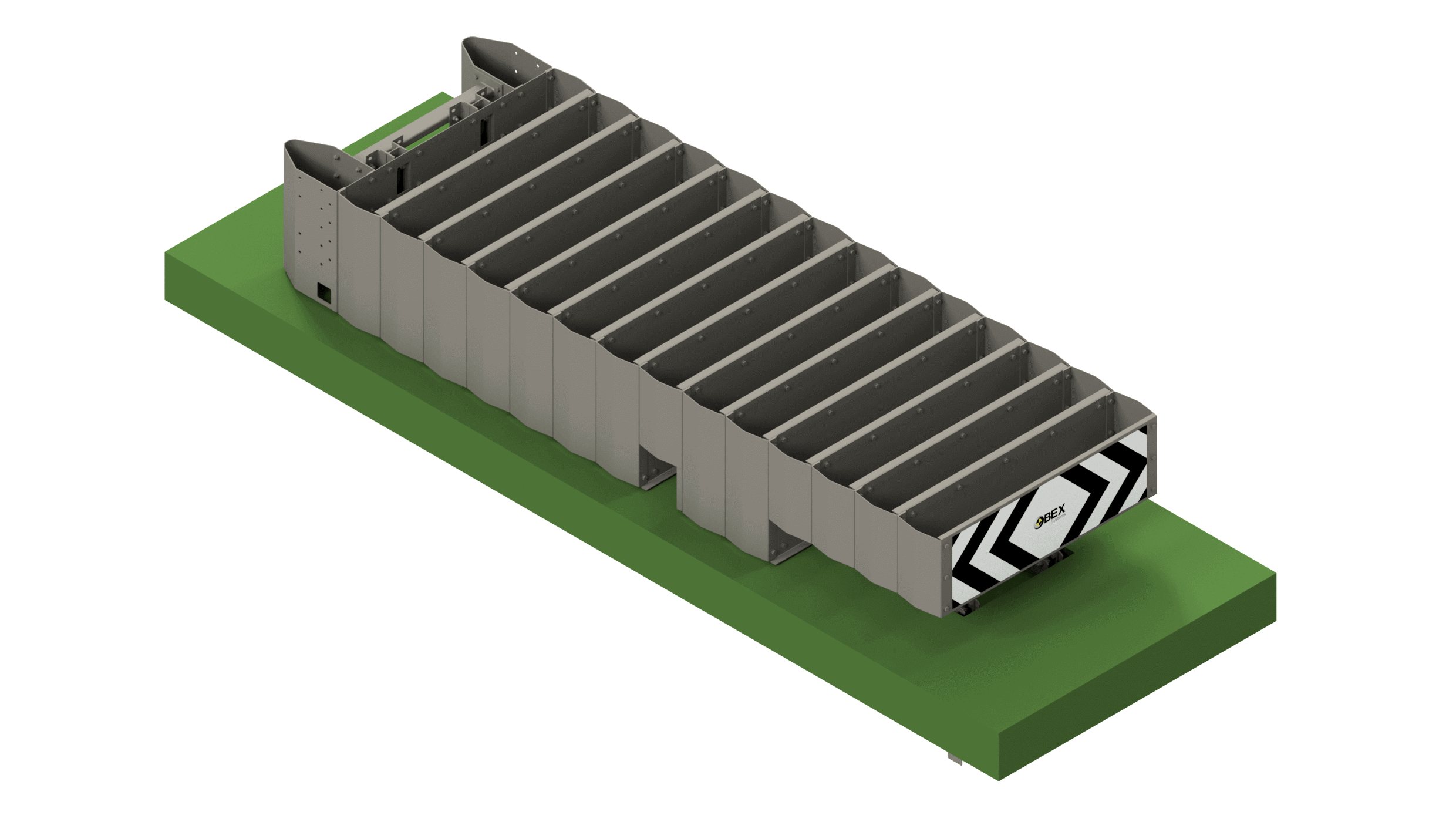
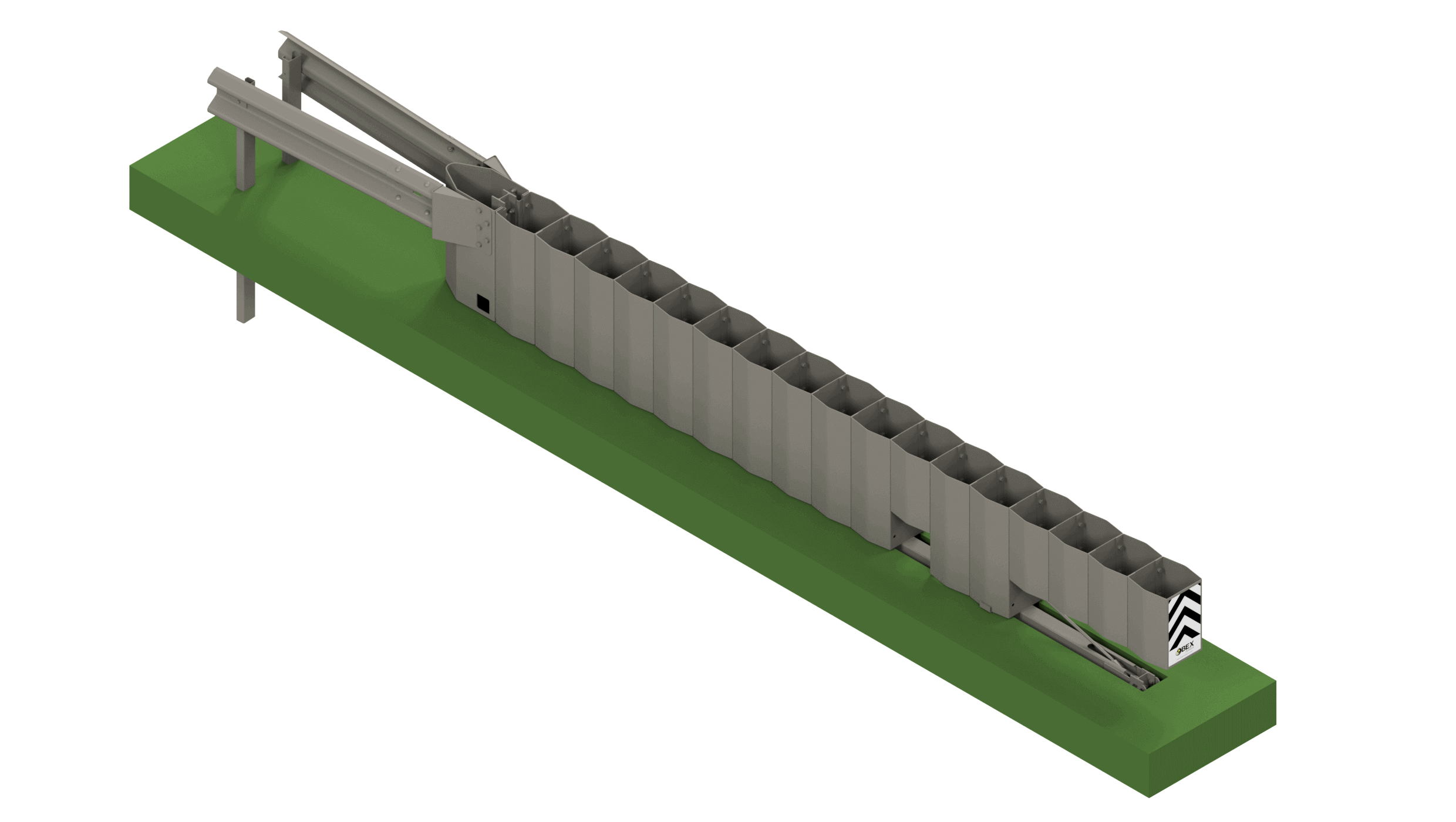
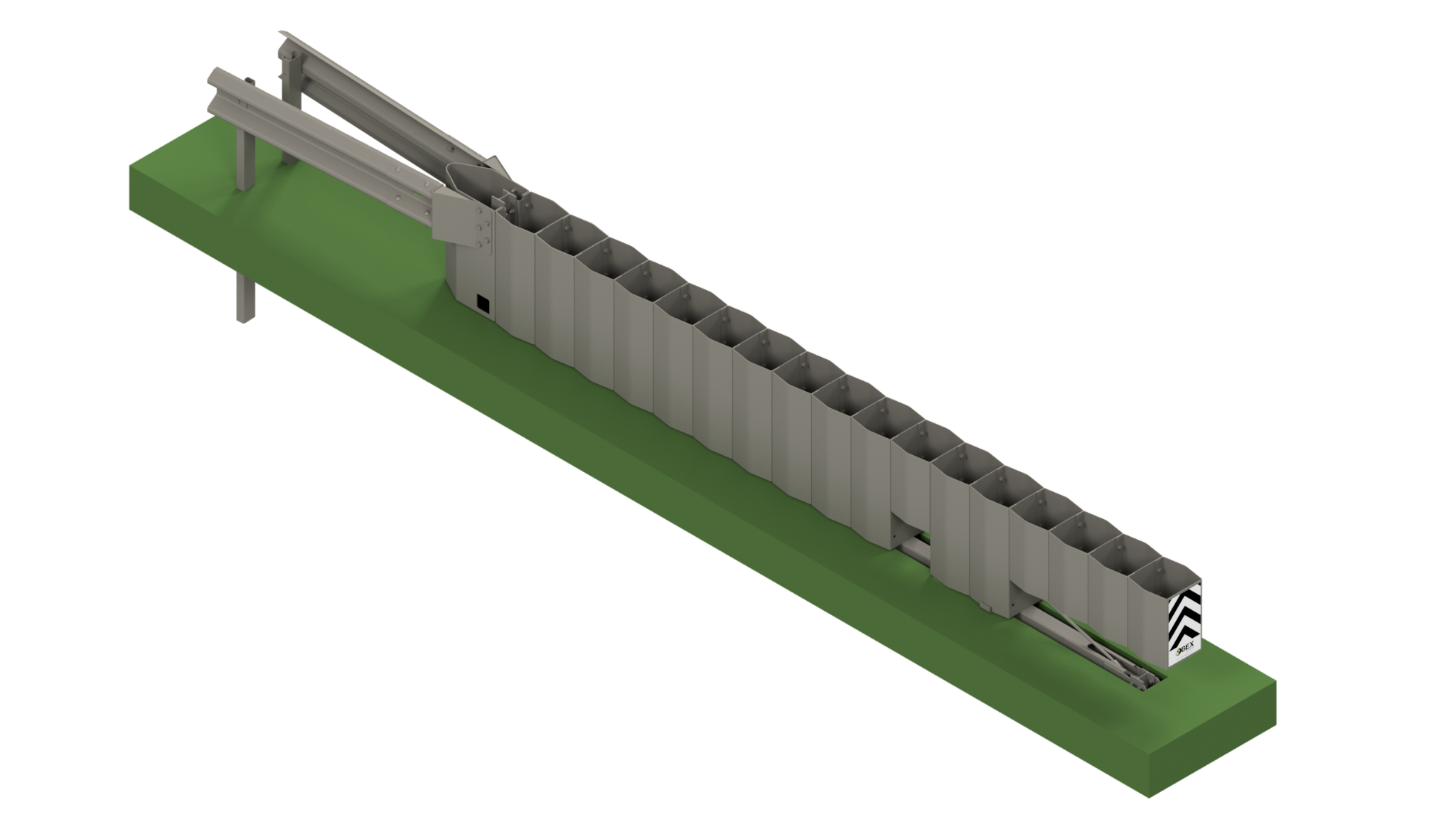
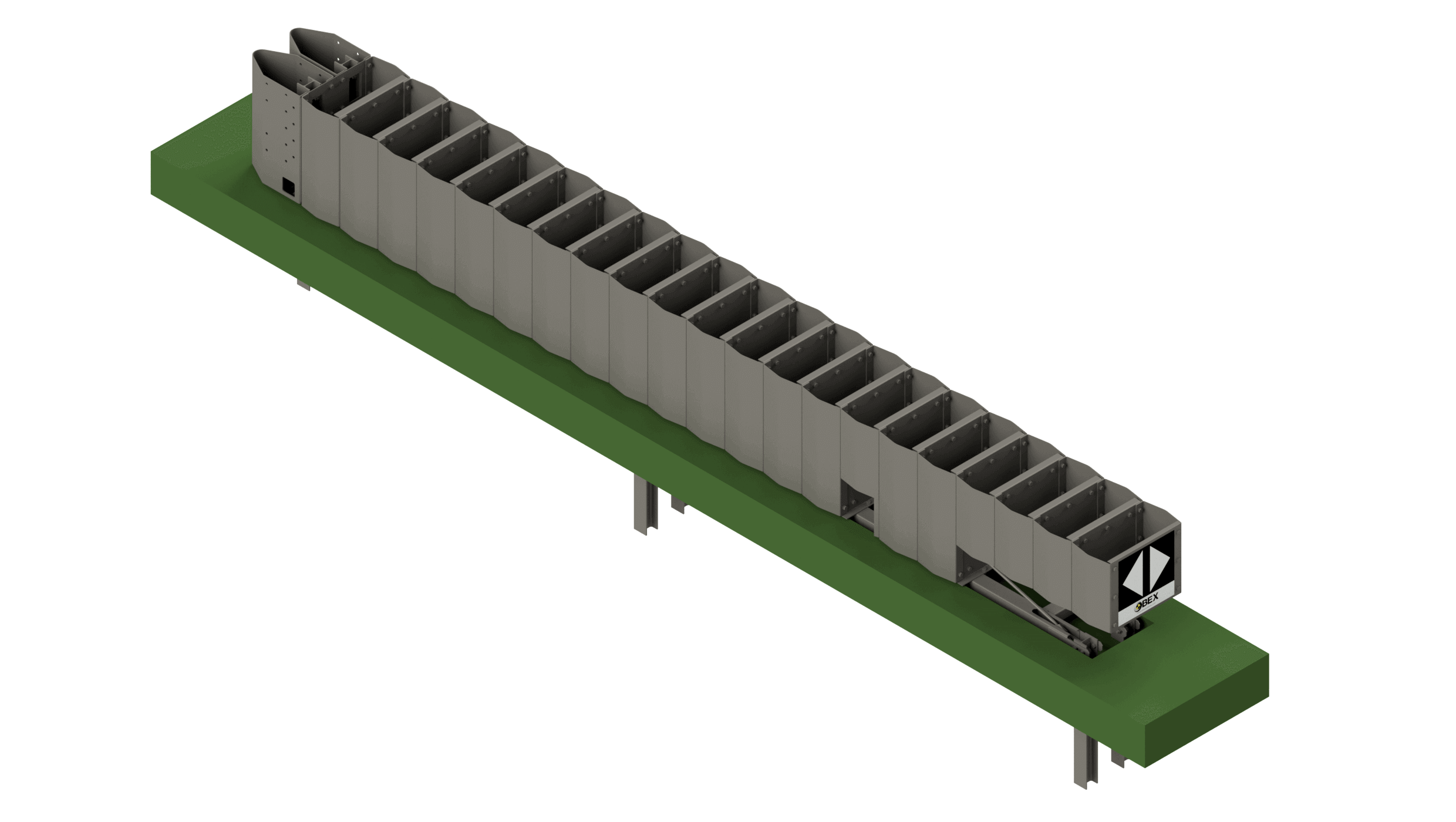
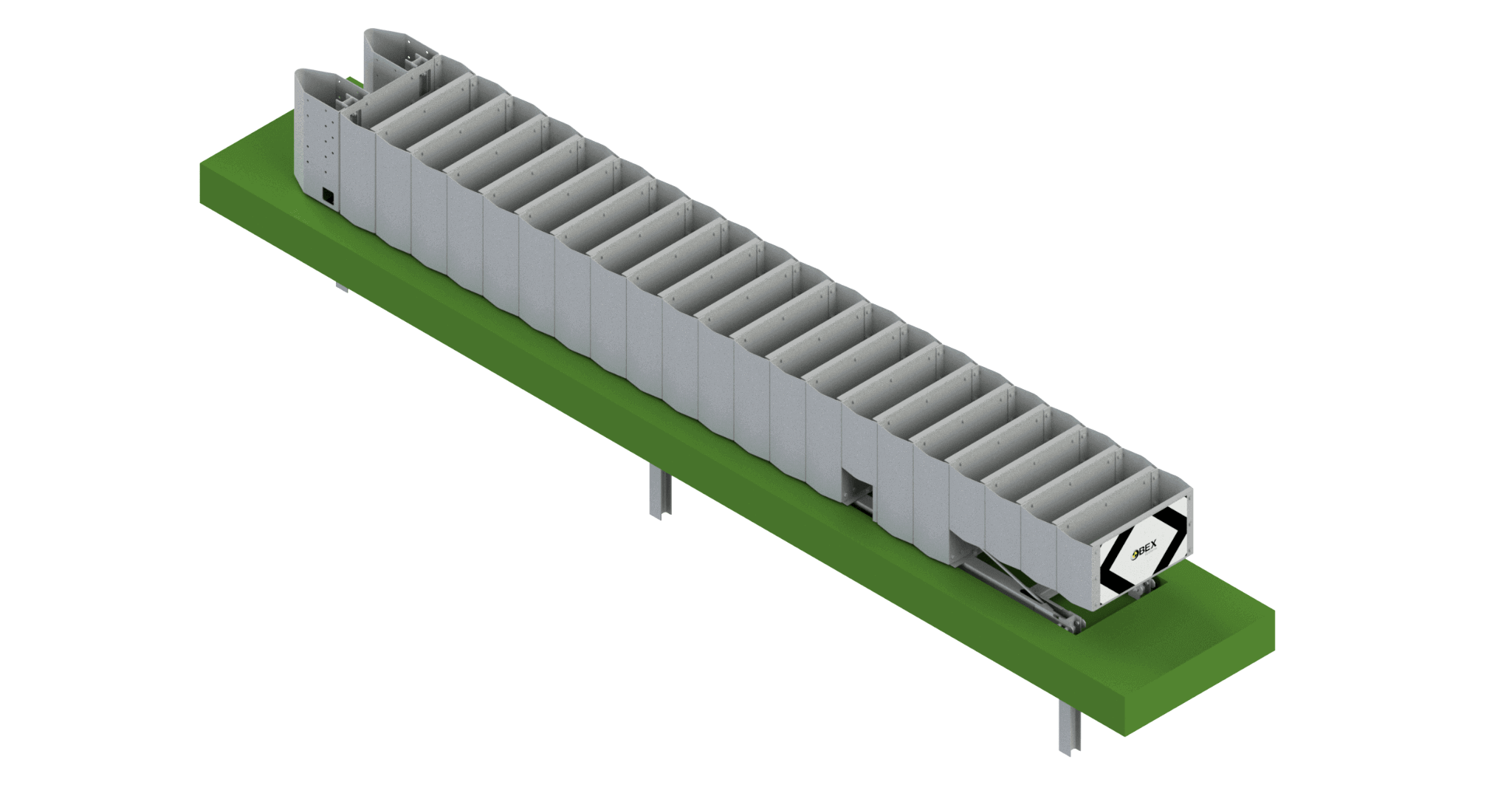
Range of Impact Attenuators with CE marking from METALESA
By way of conclusion, we would like to point out that private companies are systematically developing new and better systems that optimize road safety conditions on our roads. But none of these will not go very far if it is not led by legal and regulatory tools that define how to use VCS efficiently and homogeneously. At Metalesa we have extensive experience in application criteria for these systems after multiple projects, and in case of doubt, we will be happy to advise and guide any technician and professional to shed some light on this world of vehicle containment systems.



METAURBAN®, the containment system for today's cities
At Metalesa we firmly believe that the key lever to our growth as a family SME is Innovation, and that is the reason why we invest so much in R&D, with our own team of engineers and designers who continuously observe the environment and incorporate the best of other technologically cutting-edge sectors to our product catalogue. Hence, we can offer no only innovative road safety solutions, but also effective and competitive.
Today we want to focus on the METAURBAN®, a vehicle restraint system specially designed for installation on urban or peri-urban roads, and with CE marking.
Our latest flagship product, designed to promote safe sustainable mobility, is already being installed in numerous urban environments and cities due to its great proved performance and elegant aesthetics.
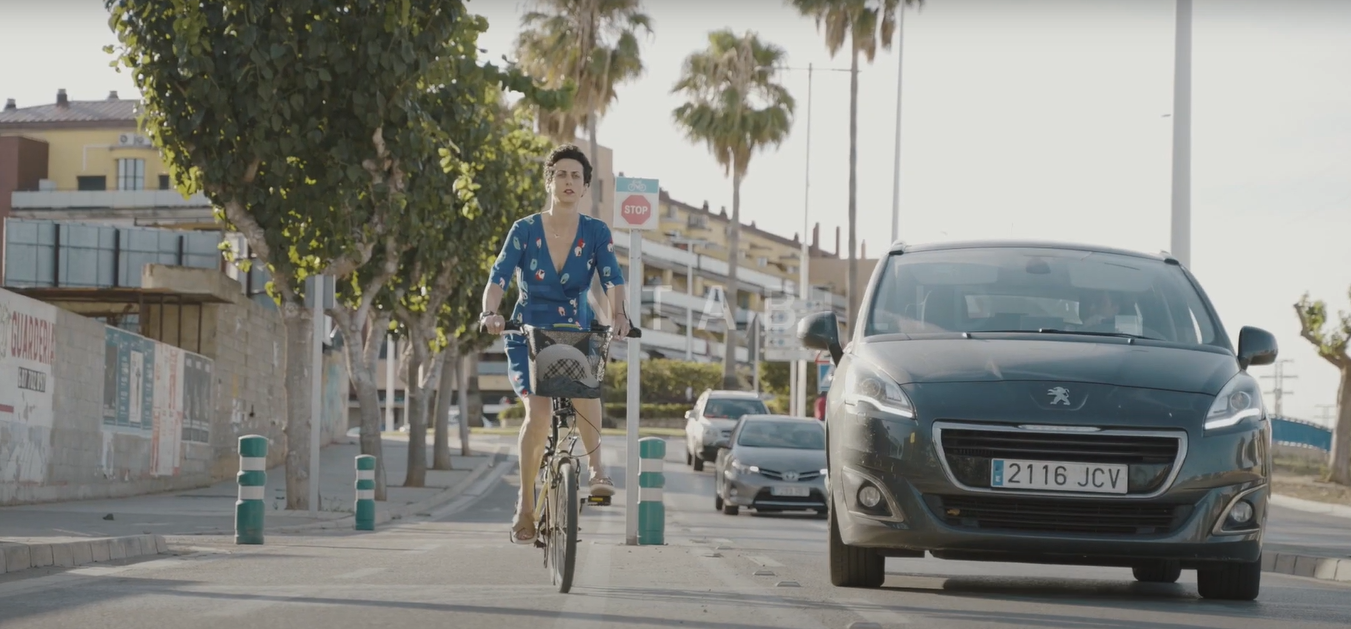
When we think of road safety, what first comes to our minds is cars at high speeds, but statistics go in a very different direction, and that is that urban and local roads are the areas with worse accident and mortality rates.
On the other hand, the massive proliferation of personal mobility vehicles, and the intensive deployment of bike lanes, represent a notable increase in risk and danger, especially for the most vulnerable groups such as children, old people and drivers of bicycles and electric scooters themselves.

Discover all its advantages
METAURBAN® metal parapet has been designed and tested to provide excellent security features in today's urban environments.
To guarantee its effectiveness in the event of an accident, the METAURBAN® containment system has been rigorously tested through a full-scale crash test, according to the European Standard EN 1317, having satisfactorily passed all the acceptance criteria for the containment level N1, the most suitable for urban environments.
The METAURBAN® metal parapet includes features that make it an essential product for the safety of the most vulnerable users in urban environments, such as pedestrians or cyclists.
- In addition, it can be perfectly adapted to curved paths.
- It features an easy assembly and disassembly process if components are damaged by impact; there is no need for weld joints or cuts.
- Regarding its installation, the parapet has been tested by means of a chemical-fuse anchoring system that protects the concrete band against an impact, allowing its easy replacement in the event of an accident.
- Great aesthetics, helps that today's cities maintain their charm
- The techniques used to guarantee its protection against corrosion like hot-dip galvanizing according to the EN 1461 standard, and thermo-lacquering in the different colors of the RAL chart respectively.
- Possibility of incorporating the motorcycle protection system (SPM) into the structure.
In summary, with the installation of the METAURBAN® containment system, urban and metropolitan roads with speed limits of 20.30, 50 and 80 km/h, become areas in which travelling is much safer, which will be key for users to lose their fear and adopt new urban sustainable mobility models.
Metaurban® has already reached our cities. Some projects
Metaurban is already a reality in many Spanish cities. Here are some projects that already have our METAURBAN® metal parapet.
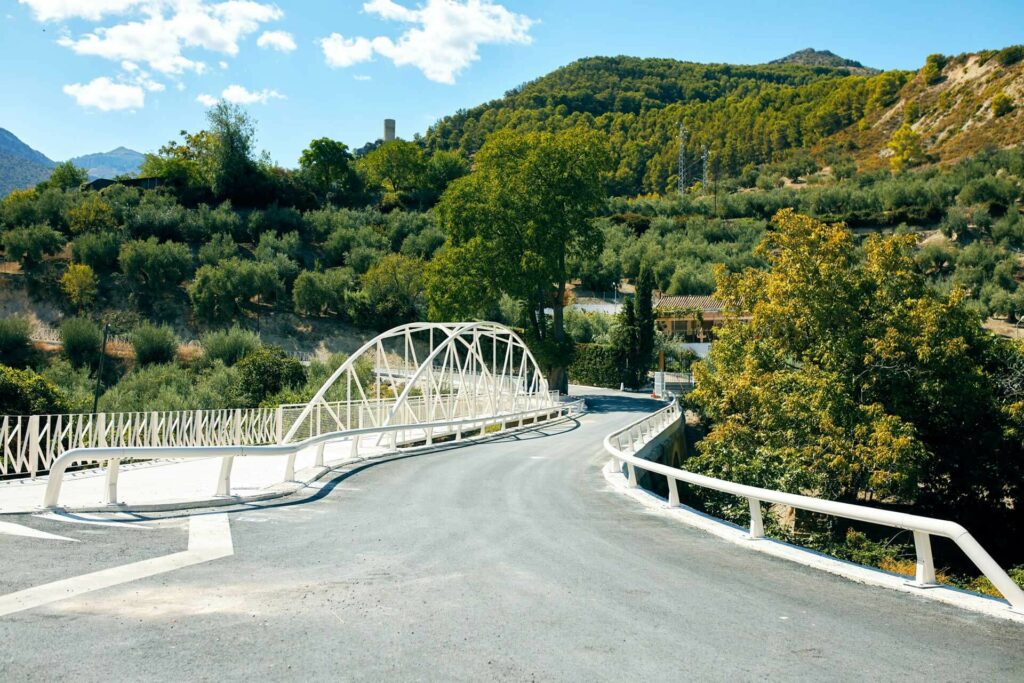
Road reconditioning in Bedmar (Jaén)

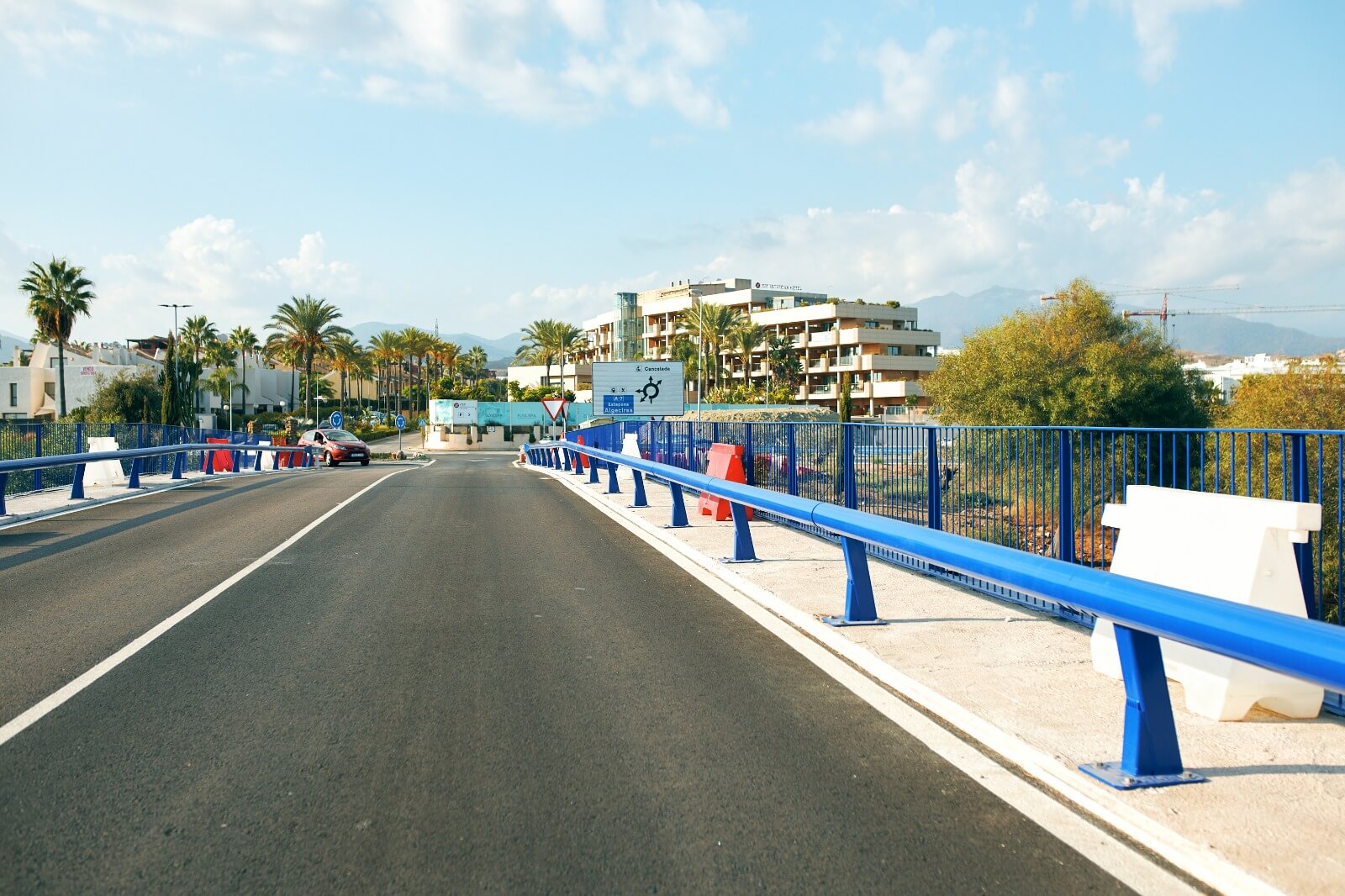
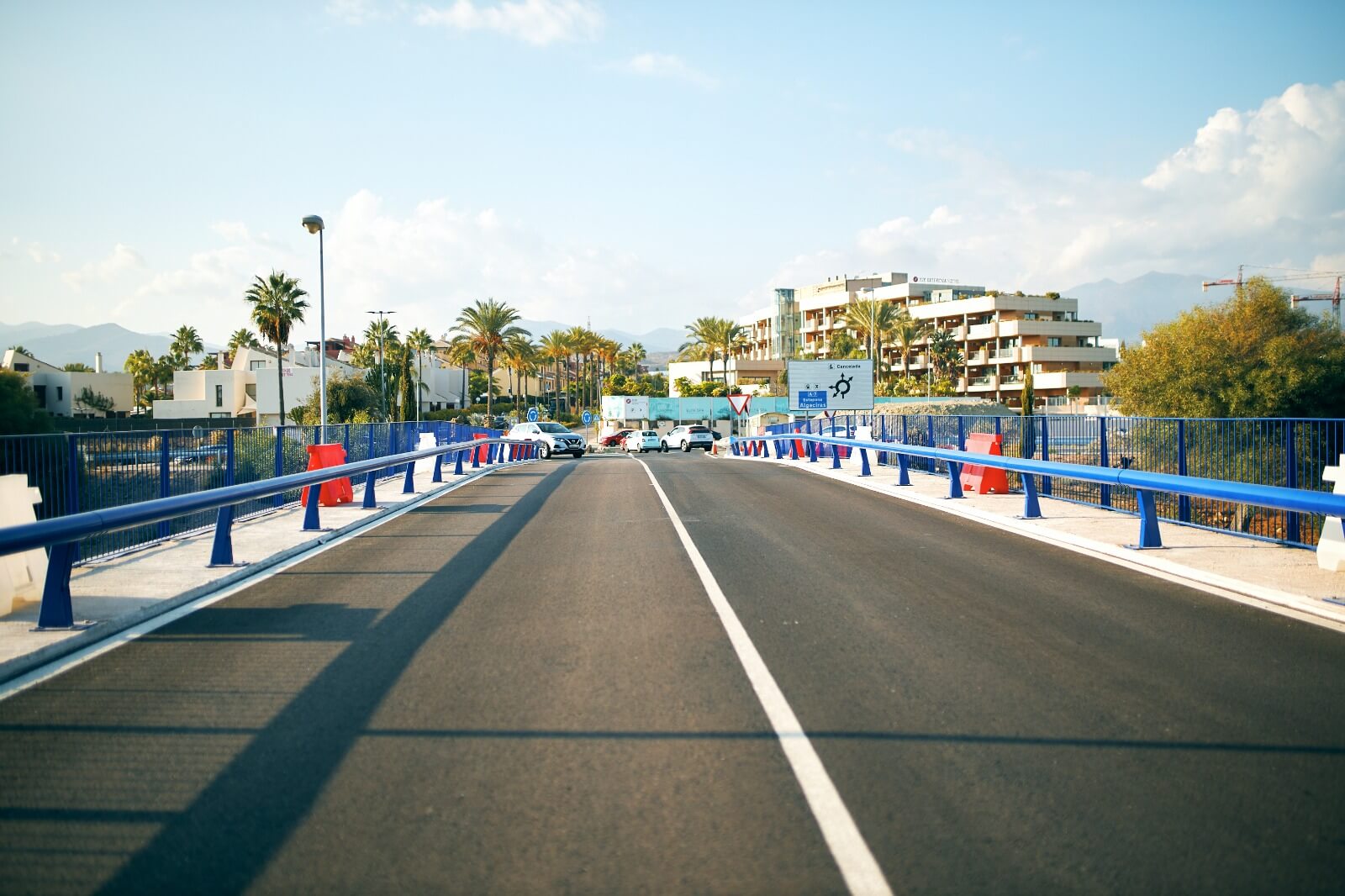
Pass over A-7 in Estepona (Málaga)
Zamora
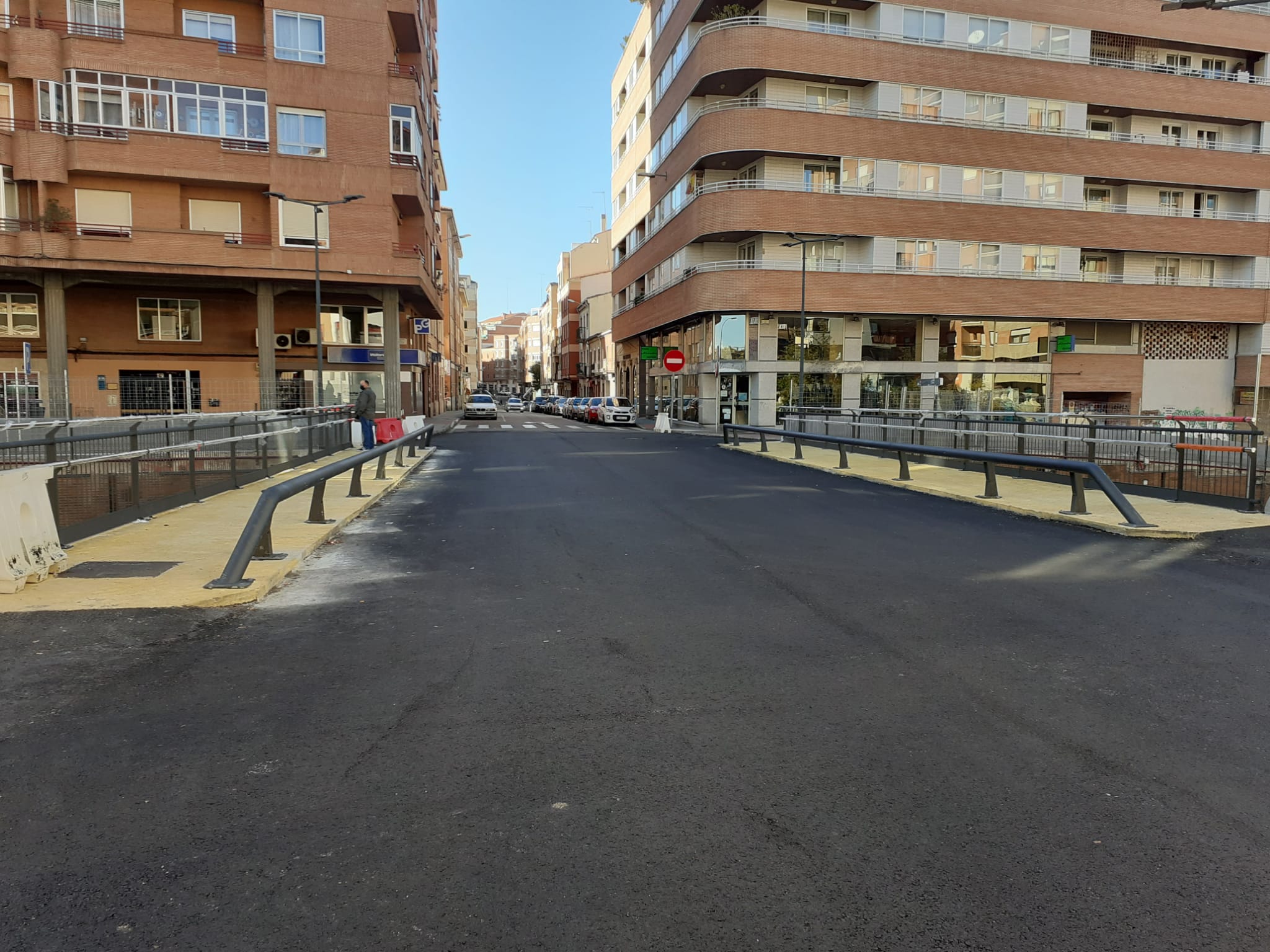
We are proud to think that, thanks to the installation of the METAURBAN® containment system, these urban roads are now much safer, and that with their installation we are increasingly closer to our goal: the protection of people.
If you are an installer, engineer, architect or an individual, and you need guidance about this product, do not hesitate to contact us. Together we will create the safe cities we all deserve to live in.
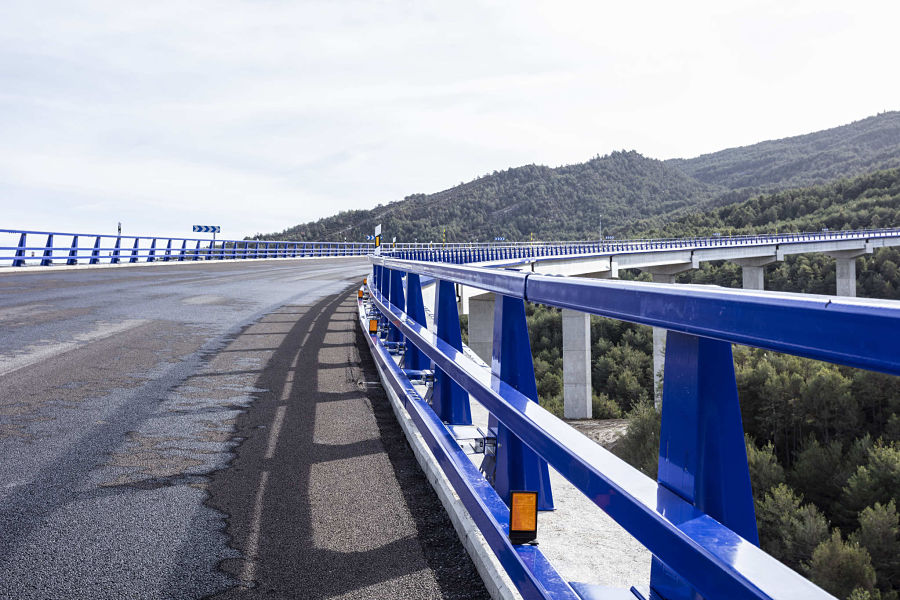
Discover our range of containment systems to improve Road Safety
Ensuring road safety is everyone's responsibility. Drivers should be aware that each journey by car can have serious consequences if they are not driven carefully, but it is also necessary that the public authorities that manage transport infrastructures guarantee safe roads to minimize the severity of accidents as much as possible. This is something that is already being done by both parties: drivers are increasingly responsible behind the wheel and the authorities are working to build safe roads. Proof of this are the results of the latest report from the European Transport Safety Council (ETSC), which indicates that between 2001 and 2020 the accident rate on Spanish roads fell from 5,517 victims to 1,370. That is, 75.2% less. These figures position Spain as the country in Europe in which deaths in traffic accidents have fallen the most during this century. In this sense, Road Safety studies and improvement of the most conflictive points are absolutely essential to progressively improve the road network. One of the most important elements of your safety equipment is containment systems.
Infrastructures for Road Safety: Vehicle containment systems
What is a containment system?
Vehicle restraint systems are safety barriers located on the roads to mitigate the consequences of accidents due to exits.
Road exits make up between 35% and 40% of road accidents. Given these high percentages, it is convenient to ask ourselves what type of containment systems it is necessary to install on those roads with a high risk of accidents. Said vehicle containment systems ‘act’ in various situations such as:
- When the vehicle leaves the road in an uncontrolled way.
- When there is a risk of falling down steep slopes.
- When the vehicle invades another lane.
- When there are obstacles on the road with which the vehicle can impact.
In these types of situations, the absence of containment systems is very likely to lead to a fatal outcome, which is why their installation is so important.
Factors to take into account for the installation of Vehicle Containment Systems
The following factors must be considered in deciding in which situations it will be necessary to install vehicle restraint systems:
- Type of road: If it is a conventional road, highway or highway.
- Characteristics of the section: If it is a curve or a straight section.
- Traffic intensity and composition: This factor refers to the number of each type of vehicle that circulates on the section in question.
- Existing risks on the road: Obstacles, steep slopes, that there are other roads that could be invaded ...
- Distance between road hazards.
After analyzing these factors, it will be decided whether a vehicle restraint system should be installed in the section to mitigate the consequences of accidents. If the study of these factors indicates the need for its installation, the next step is to decide what type of vehicle containment system is required, for which the following parameters are met:
- Containment level: Refers to the capacity of the containment system to retain the vehicle in the event of a collision, redirecting it to the road in stable conditions, that is, the vehicle does not overturn or the containment system does not penetrate inside.
- Impact severity: The risk of the occupants when the vehicle collides in front of the restraint system.
- System deformation: The measurement of the degree of deformation of the containment system when the impact occurs, serves to define the distance at which said infrastructure has to be installed with respect to the dangerous area or obstacle.
- Redirection capacity: Ability of the vehicle restraint system to change the trajectory of the passenger car when the crash occurs, allowing the exit to be as parallel as possible to the direction of traffic.
Types of Metal Vehicle Containment Systems
After carrying out the previous analysis, we will proceed to select the most suitable containment system. At Metalesa, we are experts in the design, manufacture and installation of vehicle restraint systems and we have a wide range that allows us to adapt to all existing situations in terms of Road Safety.
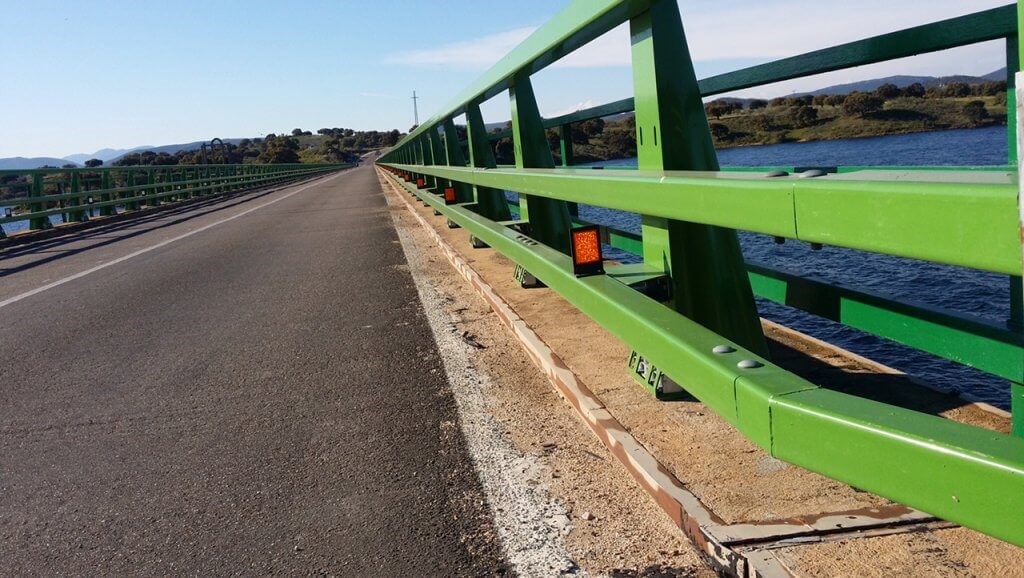
Steel Bridge Parapet META13
This type of vehicle containment system is installed on the edges of bridge decks, supporting wall crowns, passage works… It is a H2 level containment system.
Some of the main advantages of the Steel Bridge Parapet META13 are the flexibility of the containment system, its fusible anchoring system that allows a simple and quick replacement in the event of a crash, and its versatility, since it allows it to function as a vehicle containment system. and pedestrians installing a grid.
It is a device approved according to the UNE EN 1317 parts 1 and 2 standard, which together with compliance with part 5 in terms of production control, has obtained the CE marking.
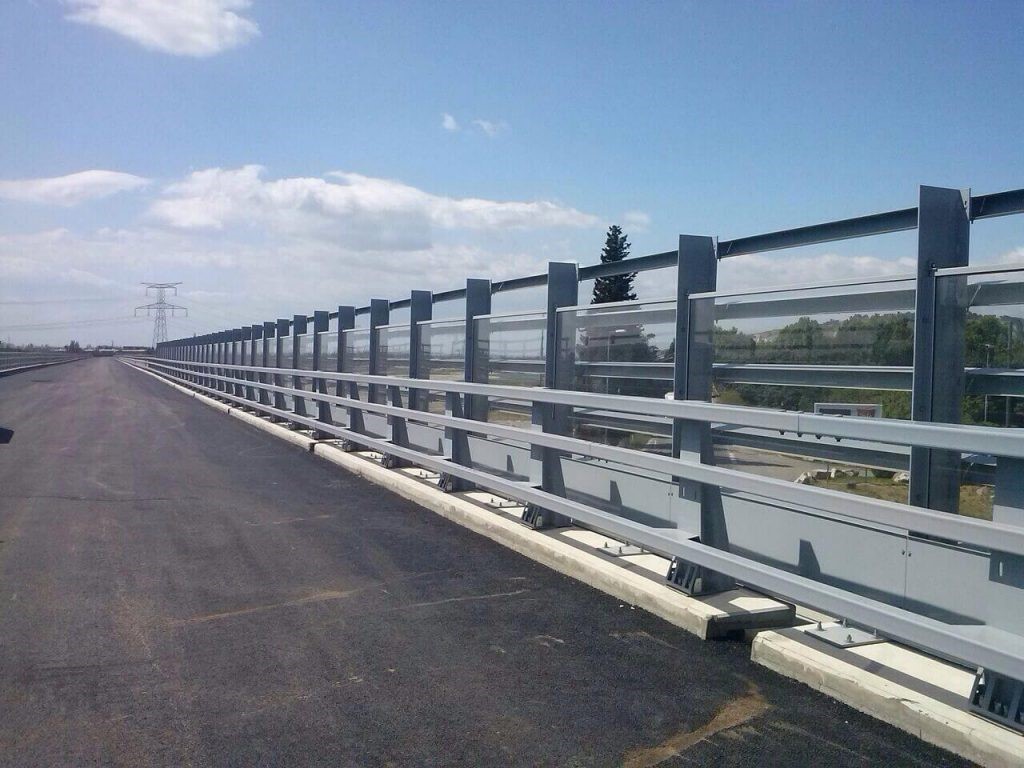
Steel Bridge Parapet META16
The Steel Bridge Parapet META16 is our H3 containment system, which also has the CE marking after passing rigorous full-scale laboratory tests.
Some of the advantages of this vehicle restraint system are the following: It is light and of small dimensions, it allows the installation of vandal-proof fences and the placement of acoustic screens at a very short distance from the parapet, and due to its reduced number of components the assembly it's simple.
Impact End Terminals
Impact End Terminals are equipment that is characterized in that they are always attached to the end of a vehicle restraint system. They cannot be installed autonomously.
We have several models tested in accordance with the European standard prEN 1317-7, all of which provide the flexibility of joining with double or triple wave bionds, or with normal or double bionds (on both sides).

Crash Cushions
A Crash cushion or shock absorber is a vehicle restraint system that absorbs frontal or side impacts without the risk of intrusion of components in the vehicle compartment, being its installation more and more frequent since it allows to significantly reduce the victims in accidents.
We have a wide variety of models that can be installed on concrete slab or directly on the ground. In case of impact, the infrastructure is easy to repair or replace.
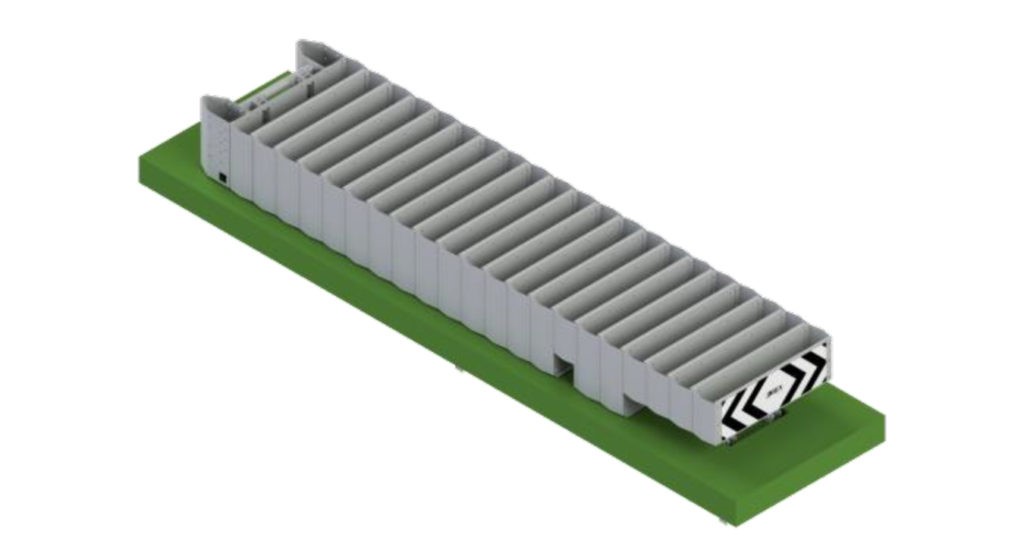
Mixed Parapet PXP
It is a mixed vehicle containment system, as it is made up of a concrete parapet and a metal railing. The latter is installed on the concrete parapet, which guarantees a better containment system against the collision of a heavy vehicle.
In addition, its aesthetics provide excellent integration on the tracks, it is easy to install and we have several models of handrails: With a through tube to a ring welded to each support, with a tube welded directly to each support, or other models according to installation conditions.

At Metalesa we are aware that our products save lives, and that is why we have a great responsibility. In this sense, it is not only important that the authorities worry about the installation of containment systems on the roads, but also to ensure that these infrastructures are of quality, there is a lot at stake. From Metalesa we can guarantee that quality in our products to ensure safe roads.
If you want to obtain a quote for the installation of our vehicle containment systems, call us at +34 96 088 99 44 or send us an email to metalesa@metalesa.com
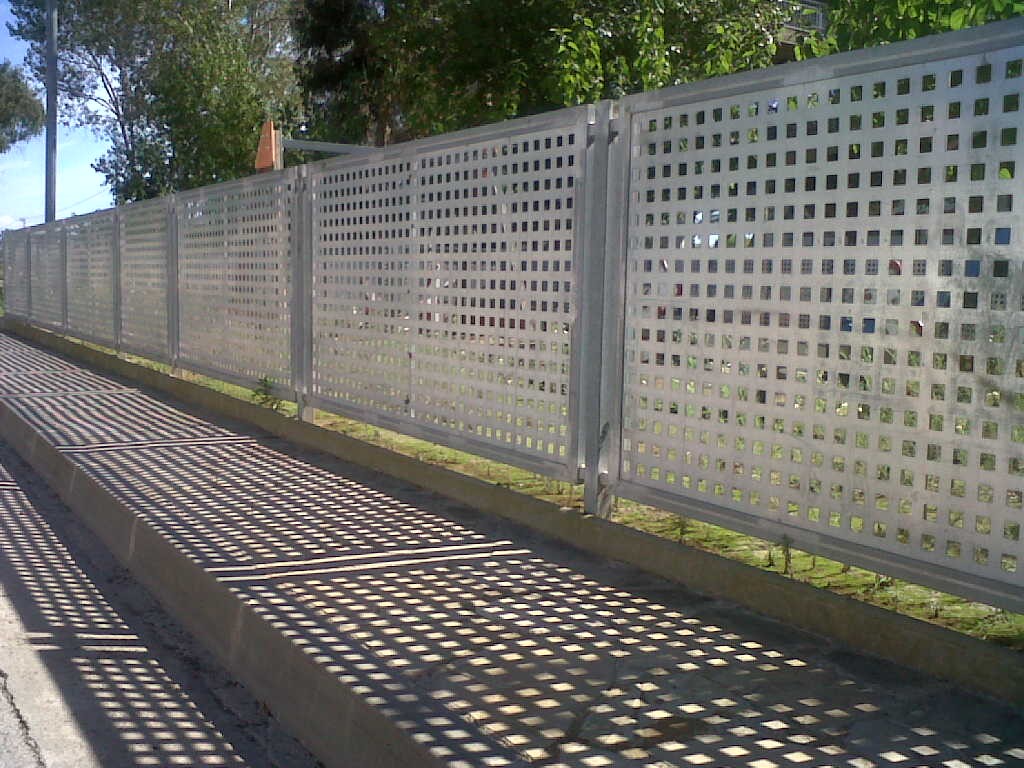
Security fences for parks and schools
Raising awareness about road safety is an issue that should interest everyone: drivers, pedestrians, cyclists and of course, older people and children, who in many occasions are not aware of the danger of certain situations. In this sense, it is important to educate our little ones in Road Safety, not to forget that places such as schools and playgrounds must adopt safety measures to avoid accidents.
As you well know, protection is our goal, and today's article will refer to minimize the risks for children thanks to our security fences and handrails.
Safety fences for playgrounds
It is common for playgrounds to be located near roads, so it is necessary to extreme caution to protect children while they enjoy themselves, and at the same time, to increase the easiness of their parents.
When children playgrounds are sorrounded by road traffic areas, some solution based on fences should be adopted. In addition, these security fences prevent dogs or cats from entering the children's enclosure, which if not supervised, can be dangerous for the little ones.
The correct installation of the safety fence for playgrounds is essential, otherwise it could become another element of risk.
Safety requirements for fences for playgrounds
Security fences are an active security element, hence they must meet certain requirements to be 100% effective:
- Recommended minimum height of the fence 80 cm from ground level.
- Make sure it does not have sharp or protruding elements.
- Avoid shapes that can cause entrapment.
- Any edge must be smooth, never sharp.
- Fences must be installed at a minimum distance of 2 meters from the playground.
In addition to this, it is also important to ensure that the installation of the park fence is executed correctly. If the security fence is installed on sand or earth, it is recommended to anchor it on a concrete foundation, using anchor plates with holes.
Here there are some examples, but from Metalesa we take care of adjusting the needs and requirements of the project in a personalized way.
Security fences for schools
Unlike playgrounds, in schools parents are not present to watch over their children. Teachers are responsible for ensuring the safety of hundreds of children, but personalized surveillance is impossible, therefore, it is necessary to install security fences for schools.
The entire school should be sorrounded with fences, either short ones if little children or much higher for older. Each case must be studied personalized taking into account potential risks and students profile.
Now is the perfect time to remodel security fences in schools to face new school year in September.
Types of security fences for schools and playgrounds
At Metalesa we have a wide range of fences for schools and playgrounds. They all guarantee great durability, low maintenance and most importantly, they comply with all the safety guarantees for the little ones.
Metal fences
Our metal fences for schools can be of various kinds and shapes, and are specially designed to guarantee protection or close any type of enclosure, in this case school zones.
They delimit the space in an effective way, preventing children from leaving the premises during school hours.
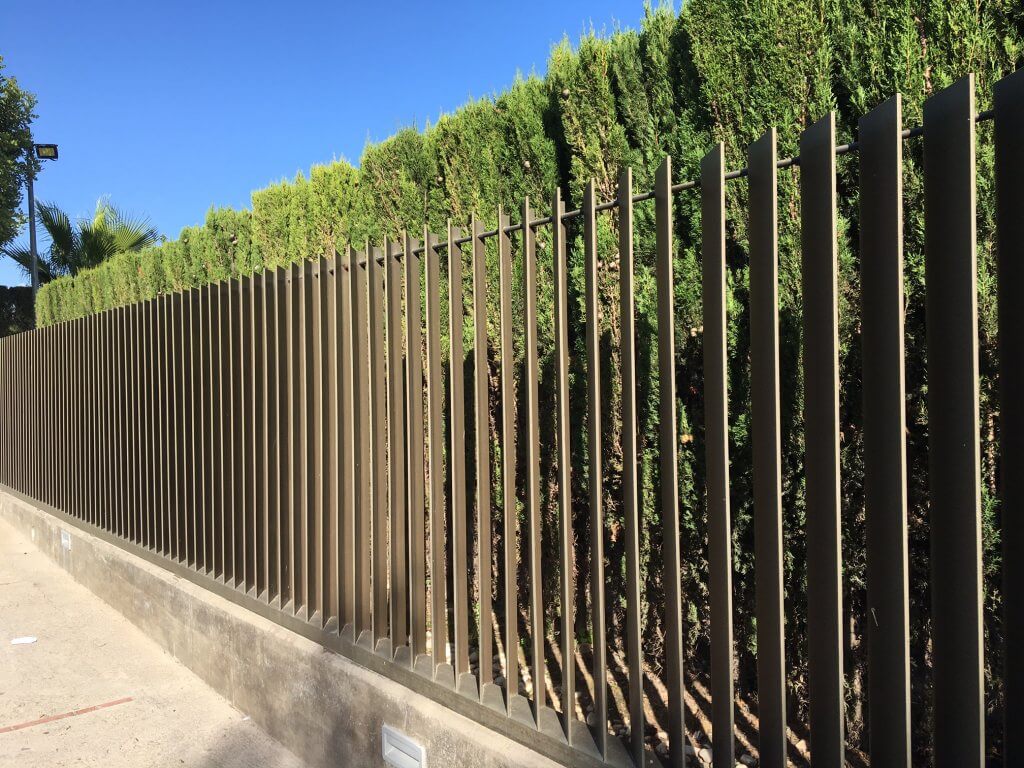
Fences and enclosures
These types of fences are used to close those areas in which some type of security breach may occur. In this sense, they are not only used to prevent children from leaving school areas, but also to limit access to people outside the school, especially at night, guaranteeing both the protection of people and the facilities of the campus.
We have several models, but we can manufacture custom designs requested by our clients.
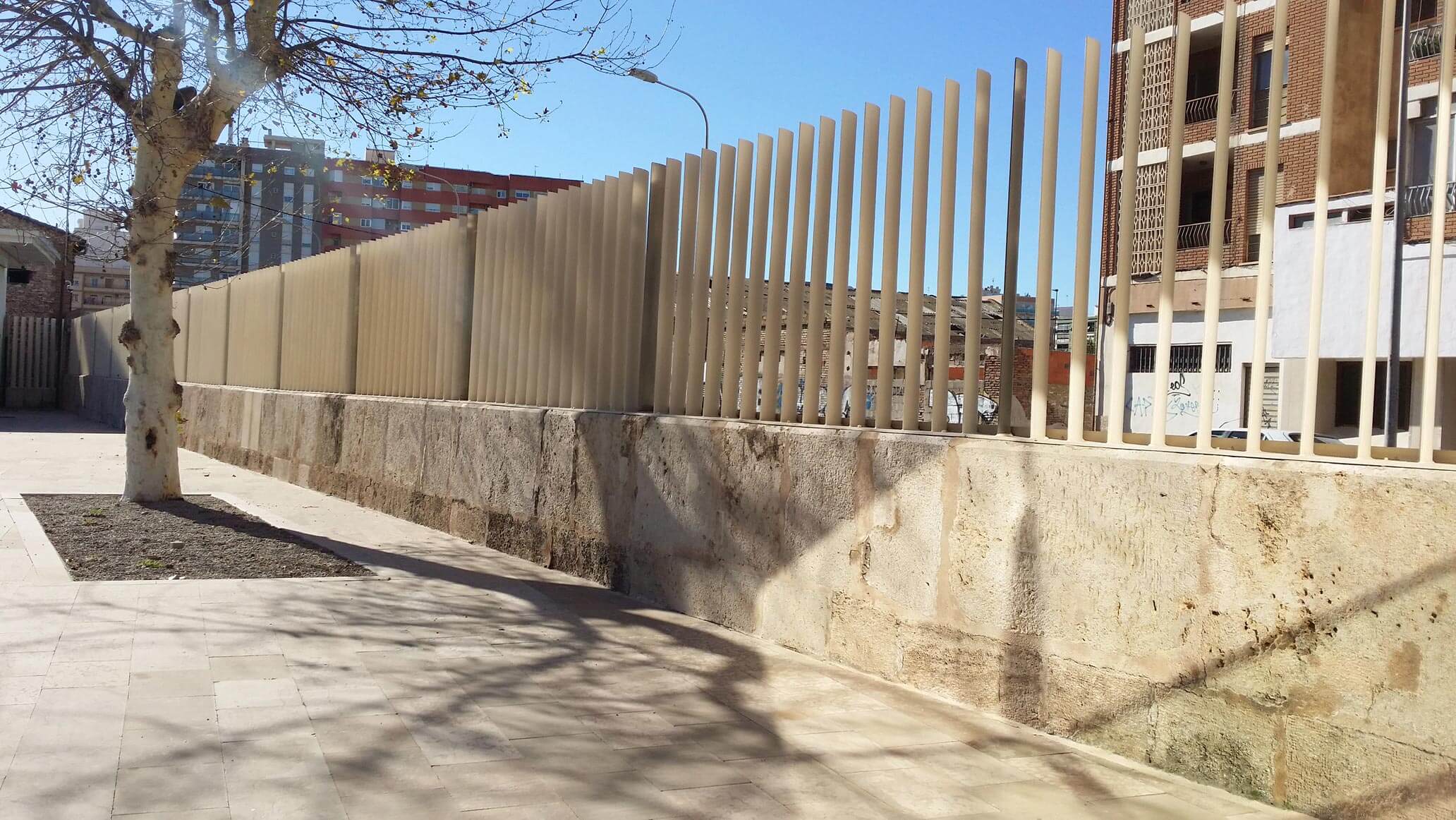
Steel railings
Steel fences for schools and playgrounds are other ideal containment system to ensure the safety of the little ones. They are easily installed and can be customized them in the color that is needed in order to integrate with the aesthetics of the area.
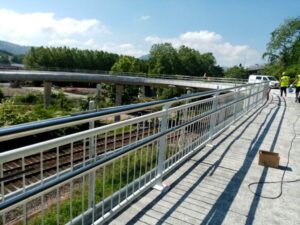
Stainless steel railings
The aesthetic finish of the stainless steel railings makes them ideal for any type of urban area, such as playgrounds. In our catalog we have available to our clients a wide variety of unique and attractive designs that adapt to all types of environment.
At Metalesa, we care about guaranteeing Road Safety in all senses, and without a doubt, children are one of the groups we pay the most attention to. In addition to designing, manufacturing and installing safety fences for playgrounds and schools, we also consider that it is essential to promote Road Safety education for the little ones, because in this way we will reduce the risk of serious events occurring in this type of enclosure.
If you want to ask us for a quote for the installation of security fences for schools and playgrounds, do not hesitate to contact us. Call us at 96 088 99 44 or send us an email to metalesa@metalesa.com.

Safety in urban areas and on the cycling lanes
As experts in Road Safety, one of our tasks should be to promote greater awareness about the safety of people, both in urban areas and on roads. In this sense, although our products are intended to make people’s lives safer, at Metalesa we intend to go further and we want to do our bit in this ongoing process of awareness.
In today’s post we talk about the safety of cyclists when they circulate through urban areas or roads. Undoubtedly, it is one of the most vulnerable groups that suffer too many accidents, which is a problem that must be solved.
To start with, here there are some figures. In 2014, 75 cyclists died on Spanish roads, in 2015 there were 55 and in 2016 it was reduced to 33. Having said that, although the trend of cyclist accidents seemed to be decreasing in the last five years, the truth is that in May 2017, these figures were already doubled, and in 2020, 36 cyclists lost their lives, a surprising number after long months of confinement.
At the beginning of the article we mentioned that our products are intended to ensure safety. However, people must also do their part to achieve this goal. Here there are some useful tips for both cyclists and drivers to ensure the safety of those both in urban areas and on roads.

Everything a cyclist needs to know to ensure their safety
Although there may be external factors that endanger their safety, it is important that the riders know how to protect themselves:
- To know traffic regulations, and therefore, what you can do and what it is forbidden on the road will allow them to be more aware of the dangers.
- If there is no bike lane on the road, it is preferable to travel on roads with a wide shoulder, much better if they are little traveled.
- The use of conspicuous clothing is recommended to make themselves more visible. Here we also include the helmet color, which is mandatory.
- Check wheels, brakes and lights from time to time. Something as fast as a simple check-up can save a rider’s life. Regarding the lights, it is important to note that they should be used both at the front and at the rear in low light hours. In addition, it is mandatory to turn on the lights when driving through the interior of a tunnel, whatever time it is.
- Use of the rear-view mirror. This device is less common than it should be. Rather few cyclists decide to attach a rear-view mirror to their bicycle, but it is undoubtedly a very useful component to increase safety, and cheap indeed.
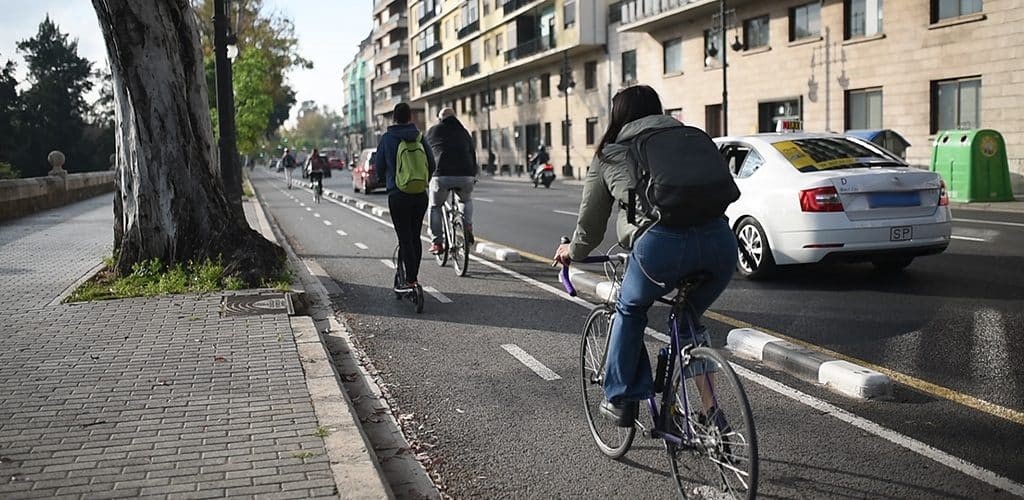
What must a vehicle driver take into account to ensure the safety of cyclist?
- It is important to bear in mind that, when passing a cyclist, the air displaced by the vehicle can throw him off balance. Therefore, when overtaking, at least 1.5m of lateral space must be left as a safety distance.
- If cyclists are observed, slow down and be extremely cautious.
- The horn should not be used to warn the cyclist of the presence of the vehicle because it can scare, distract and cause them a fall.
- It is very important to know when cyclists have priority. For example, a group of cyclists has priority when they have started a crossing or entered a roundabout.
- Only with greater respect for the priority of passage and the safety distance could the number of cyclist victims be significantly reduced.
We are aware that these are quite obvious pieces of advice, but it is not a bad thing to remember them considering that, statistically, most accidents occur precisely because of not complying with these simple tips.
Road Safety Improvements for cyclists through urban planning
Not only are people becoming more and more aware, so are cities, orienting their planning towards more efficient models, both in terms of safety and sustainability. In this sense, the promotion of urban mobility through the use of bicycles entails an ambitious urban reorganization that involves the implementation of cycle lanes. In fact, we are seeing that the cities deploy every day more kilometers of bike lanes.
How do we guarantee the safety of cyclists from Metalesa?
Protection is our goal. That is why we design and manufacture road safety products specially designed for this.
Our M009 cyclopedestrian railing is a restraint system for cyclists that cannot be absent in urban areas or on roads to reduce the accident rate of cyclists.
It is located at the ends of bridges or crowning walls to prevent pedestrians and cyclists from falling into the void. It differs from a normal railing in its height, between 1.3 – 1.5 meters, which prevents cyclists from exceeding it, which is perfectly possible with traditional railings for pedestrians up to 1 meter high.
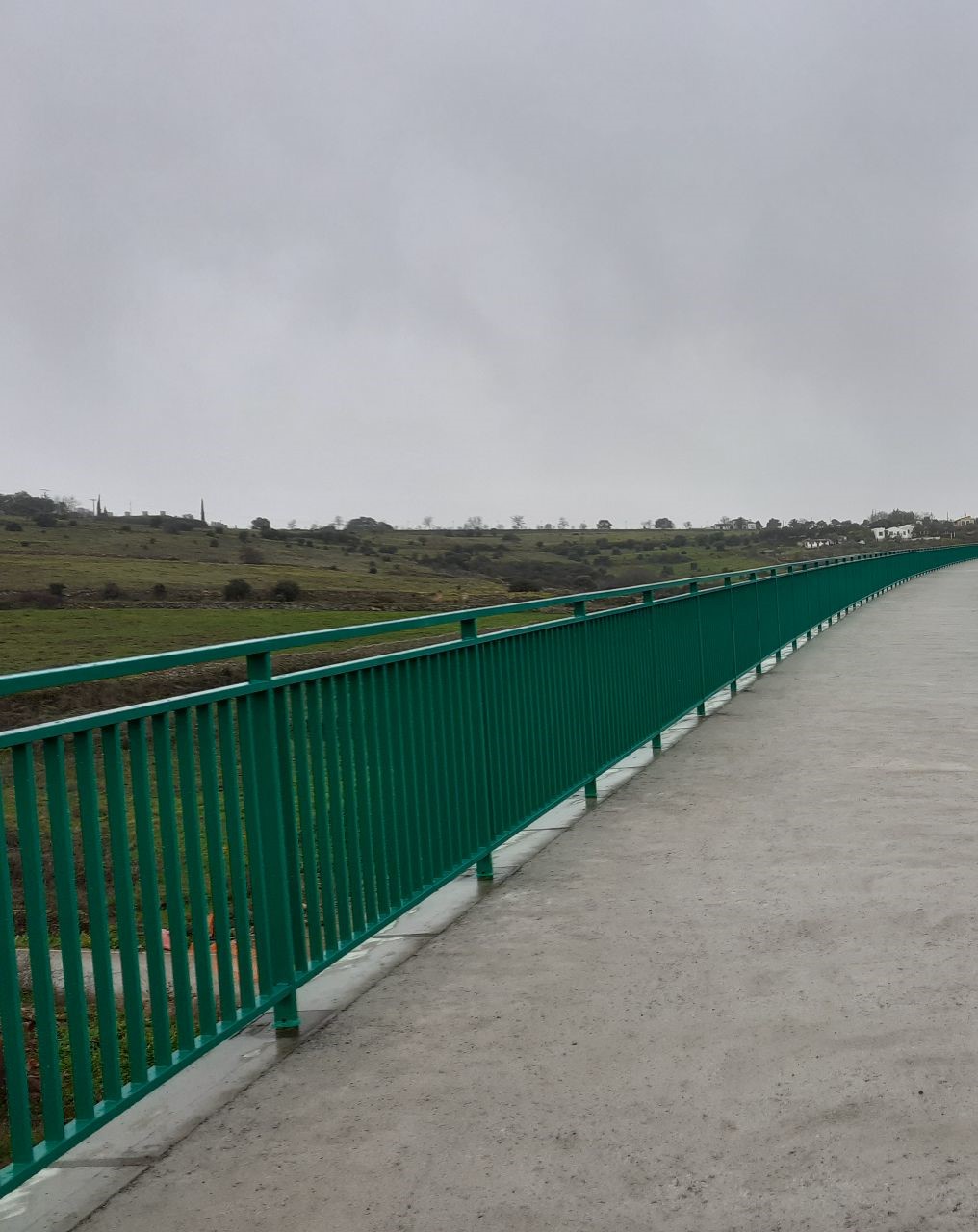
In addition, all the components of the railing are protected against corrosion at the customer’s discretion: hot galvanized, thermo-lacquered or both treatments at the same time.
The thermo-lacquering allows to facilitate the aesthetic integration of the cyclopedestrian railings with the environment, since we can paint them in any color from the RAL chart.
In a previous post we made reference to how 5G technology in cities can help ensure maximum safety. Perhaps a day will come when cyclists will cease to be a vulnerable group thanks to the development of tools based on wireless connectivity. However, at Metalesa, we obviously support technological progress and the great advances that it can bring to road safety, but we also want to take advantage of it to call for the responsibility of each one. Safety is everyone’s business!
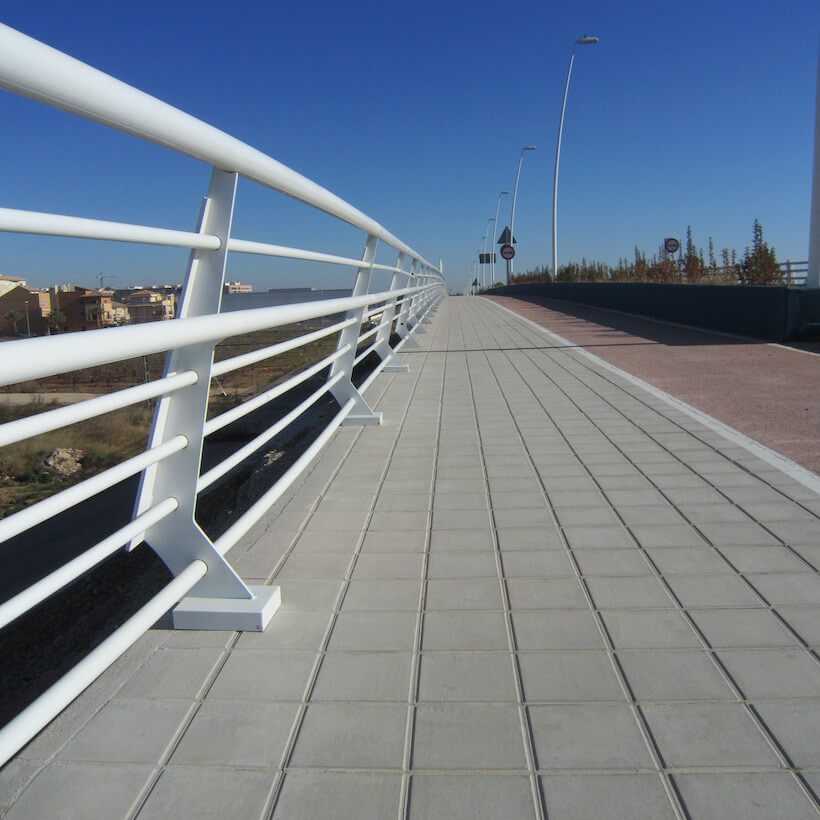
Discover our solutions in Railings
Protection is our goal, that has always been our motto and the purpose for which we work. This translates into offering the best protection systems to society, whether in our immediate environment, or in the countries where we market our products.
In today's post we will specifically talk about our range of handrails, intended for various functions, from pedestrian protection, limiting passage areas in railway infrastructures, to install on bridges and viaducts acting as a barrier to avoid unwanted falls, supports in stairs, and many others.
Guardrail types
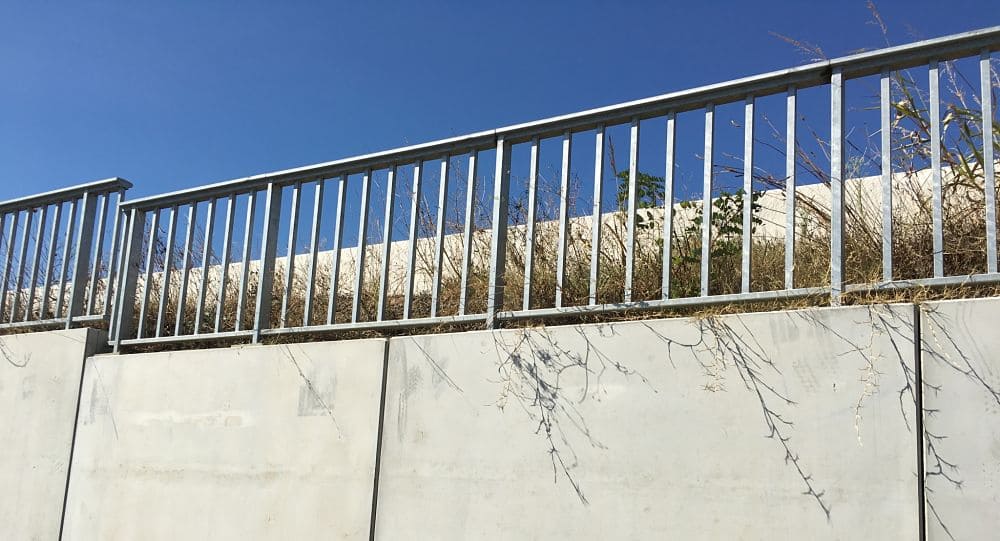
Barandillas de acero Steel railings
Steel railings are pedestrian restraint systems, which are installed in urban areas, railways, or on highway bridges. It is important to note that they are not designed or tested to contain vehicles, for that are the META13 and META16 metal parapets.
The steel railings are easy to install and, if the client so requires, they can be integrated with the landscape thanks to the wide variety of models, finishes and thermo-lacquered colours that we offer in our catalogue.
In our catalogue, you can find a wide variety of models that we manufacture as standard and of which we usually have stock.
Stainless steel railings
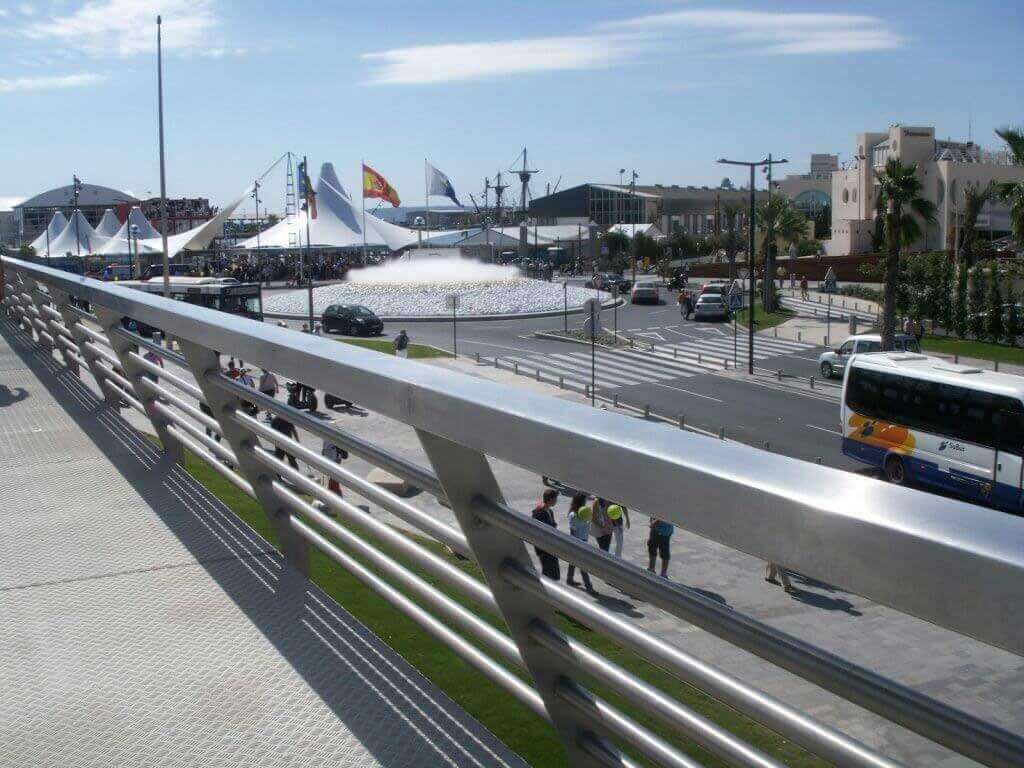
Stainless steel railings are also used to ensure safety in areas where people pass by in infrastructures, for example, in train or metro stations. But their aesthetic appearance makes them very appropriate for any type of urban area or for private facilities such as industries or shopping centers.
Although the most common railings consist of handrails, cross bars and vertical posts, we have at our customers' disposal a wide variety of models with very attractive unique designs for all types of environments. In any case, we are always open to making custom designs to order if the client so requires.
Stainless steel railings stand out for providing a modern look in any environment and, furthermore, one of their great advantages is their durability and the almost absence of maintenance and cleaning.
Railings with steel cable
Without a doubt, the railing with steel cable is an elegant option. The steel cables give a modern touch to the environment, increase visibility through the railing itself and facilitate its integration in any place given its minimalist profile.

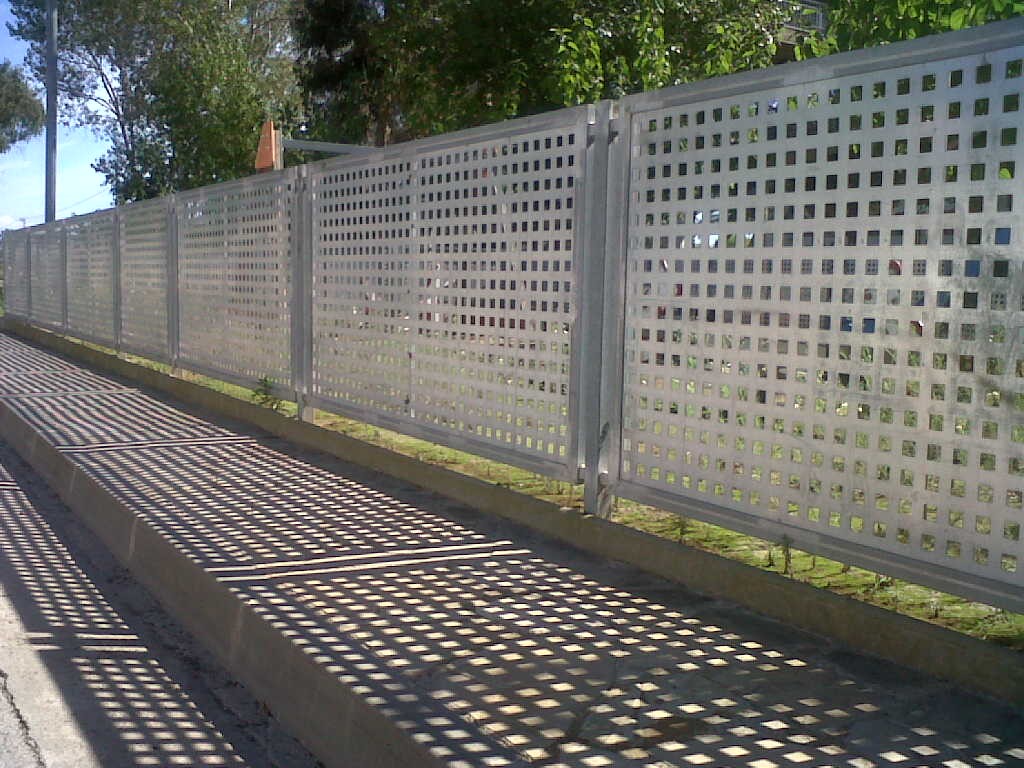
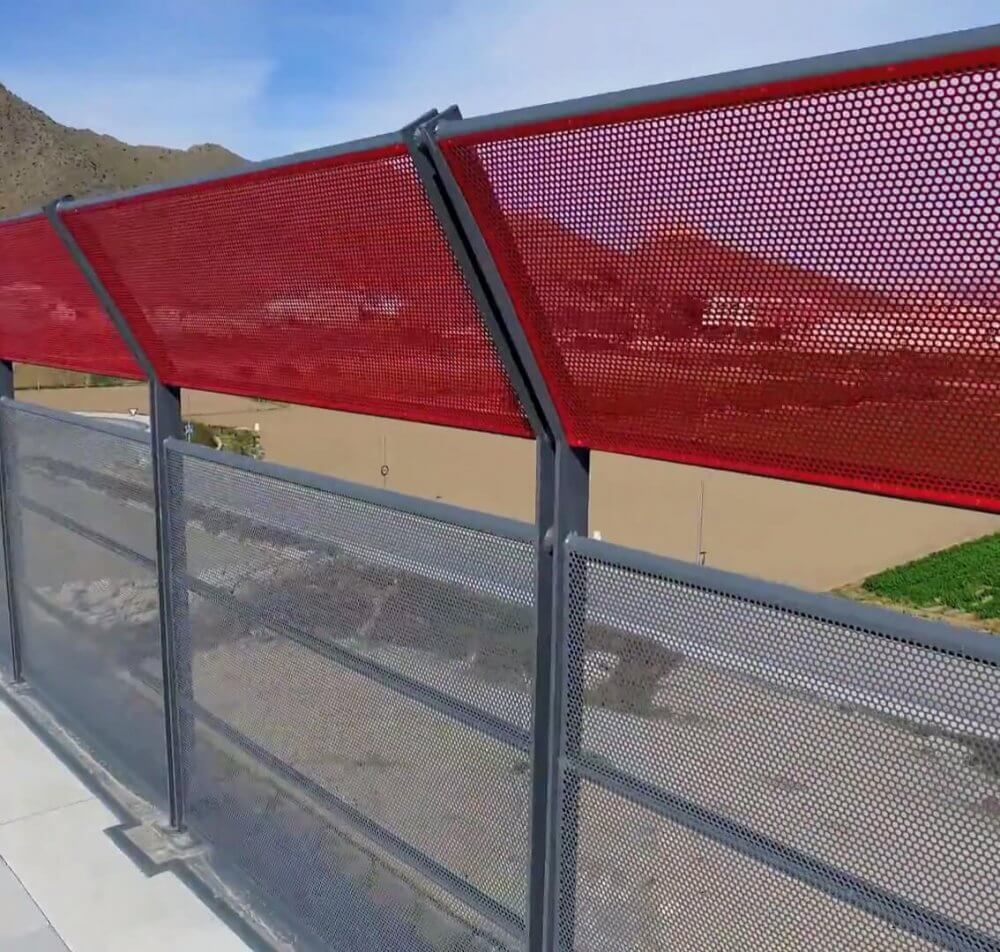
Railings with perforated sheet
In the same way as metal railings with steel cable, railings with perforated sheet metal also present a very attractive appearance for installation in cities, since they can be manufactured with any perforated design in the material. Depending on the type of perforation, you can create a design that provides safety to the pedestrian without sacrificing aesthetics in streets and railway areas.
Anti-Corrosion treatment in our Railings
At Metalesa, all the railings that we design and manufacture follow current regulations and the highest quality standards. Since they are products destined to remain mainly in the open, being victims of the adversities of the climate and the passage of time, all our railings are subjected to anti-corrosion treatments that make them very resistant to all types of environmental aggressions. All our railings can be finished in thermo-lacquered, galvanized, or both procedures combined to offer greater resistance to weather conditions.
Thermo-lacquered in Railings
The thermo-lacquered finish is especially suitable for railings that are outdoors. A powder paint coating is applied to the pieces that make up the railing and they are placed in the oven at 220º to seal all the pieces. With this procedure, finishes with a plasticized look are achieved and with the possibility of providing the railings with finishes with different colors.
Hot dip galvanized in Railings according to ISO 1461
Galvanizing is a finishing technique which applies extreme heat to iron or steel pieces to immerse them in molten zinc at 450º. When immersed, this coating is applied both inside and outside the piece, thus offering a complete coating on the entire set. Thanks to this procedure, the railing is sealed and more difficult to rust, being resistant to environmental humidity, extending the useful life of the product in coastal environments.
Galvanized and Thermo-lacquered on Railings
If you want a complete coating, we can apply both finishes. First, zinc galvanizing is applied to the pieces to cover them both indoors and outdoors and then thermo-lacquering is applied to offer a second powder paint coating to give the piece a touch of color. In this way we can manufacture parts that are resistant in the most aggressive environments.
En el caso que estés buscando soluciones de barandillas de acero para ciudades, puedes contactar con nosotros y nuestro equipo comercial podrá darte una solución que se adapte a tus necesidades. Además, también fabricamos barandillas de acero a medida que se adaptan a las necesidades del entorno. ¿Hablamos?
In the event that you are looking for steel railing solutions for cities, you can contact us and our commercial team will be able to give you a solution that adapts to your needs. In addition, we also manufacture custom steel railings to suit the needs of the environment. We speak?
Protect your facilities with our enclosures and fences
At Metalesa we want to be present in people's lives to make it much easier and guarantee their protection, but we will never do it in an intrusive way. Our products are integrated into roads, railways or urban areas in such a way that, although we do not make direct use of them, they are latently around us, guaranteeing our safety.
Acoustic screens, parapets, railway equipment... We have told you a lot about them on our blog; In today's article we will talk about enclosures and fences, and their applications to protect people in different areas.
Types of fences
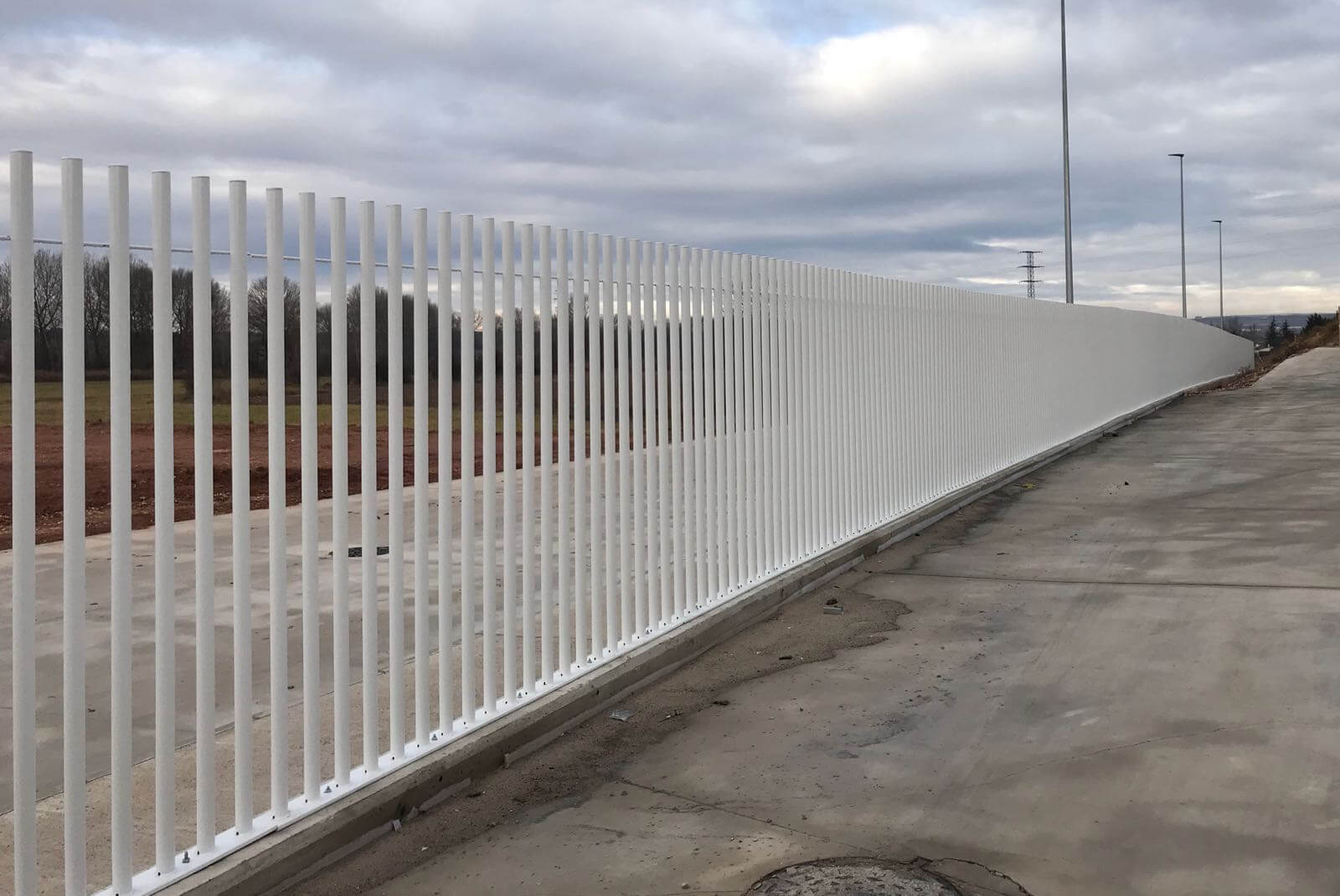
Metal fence
At Metalesa we design, manufacture and install metal fences that serve to close any type of space. In addition, all metal enclosures undergo an anti-corrosion treatment either hot galvanized or thermo-lacquered, processes that ensure the good condition of the product over time and against inclement weather.
Vandal Fence
As its name indicates, these types of fences are used to close areas where there may be some type of conflict or security breach, and access must be limited, especially at night, guaranteeing the protection of both people and the premises.
Vandal-proof fences are normally made up of a metal module of the electrowelded or deployed type in its upper part, and of profiled sheet in its lower part. Any other design provided by the customer can also be manufactured. Our team of engineers will be in charge of carrying out the necessary structural calculations to guarantee its functionality and robustness.
Electrowelded fence
We manufacture a wide range of mesh models: smooth, folded, square, rectangular, galvanized, thermo-lacquered ... It is a product that has so many options that it is easily adaptable to any environment.
It consists of the following elements:
- Electrowelded mesh in superimposed wire panels and welded together.
- Round, square or rectangular tube metal posts.
- Fixing elements: tamper-proof screws, union clamps, self-adjusting covers, and other fastening parts depending on the model.
Applications of our enclosures and fences
The installation of enclosures and fences is an element to take into account in some areas that we will now detail. In all of them we benefit from the security and orderly qualities of the different separation spaces.
Fences for the industrial field
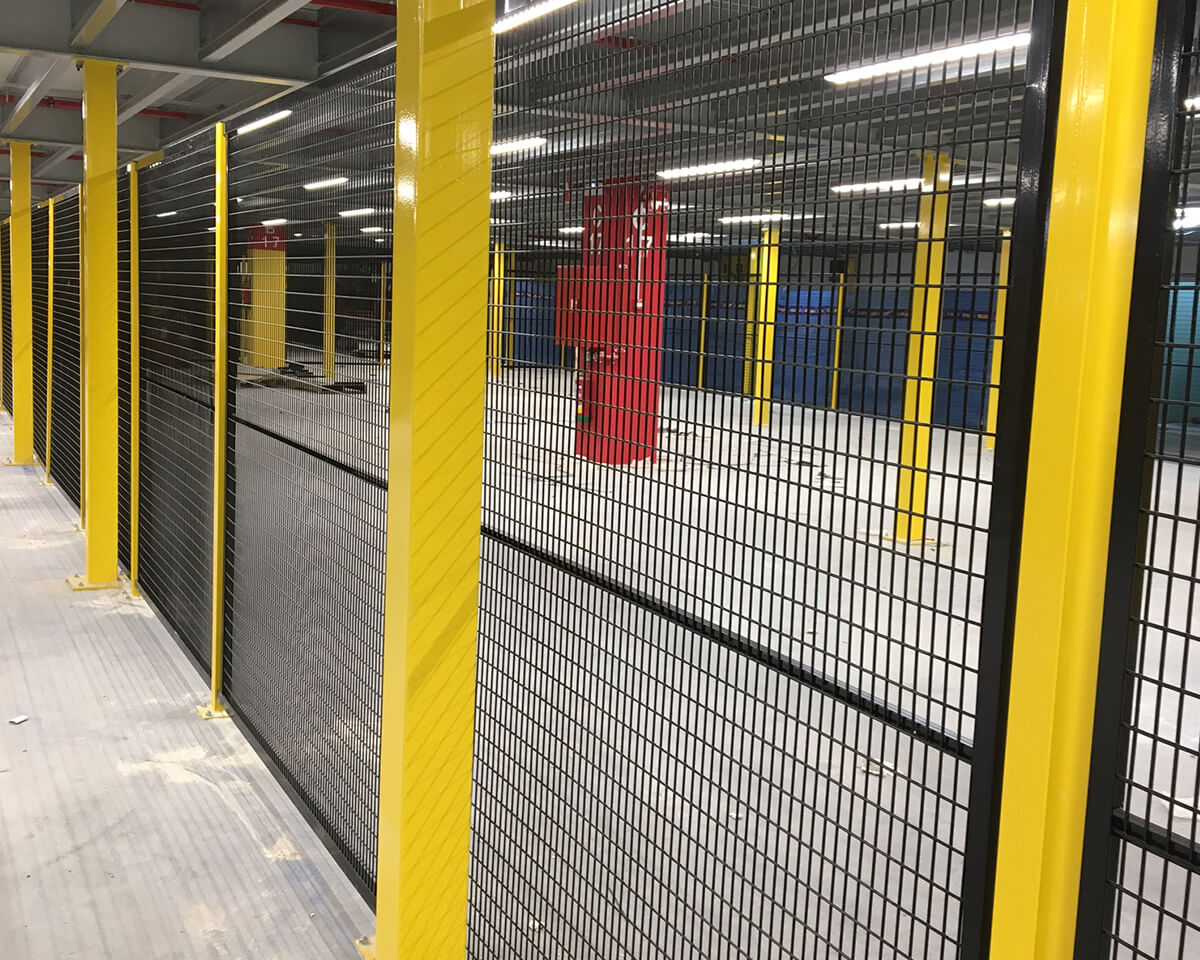
In industries we find areas that are especially dangerous for people, or that require special protection for the goods they keep. Therefore, it is necessary to exercise extreme caution with fences that delimit its perimeter and channel its access through the points defined at the scheduled times.
We have many types of fencing for the industrial field, as an example, we list the following:
- Perimeter security fencing
- Pedestrian Fence
- Column protection fence
Enclosures and fences for the educational field
More and more university campuses decide to install an enclosure that surrounds the entire perimeter in order to delimit the accesses to the campus, guaranteeing the safety of students and teachers. In addition, it is also useful as an anti-vandalism fence, since it makes it impossible to enter the enclosure at night.

Enclosures and fences for urbanizations
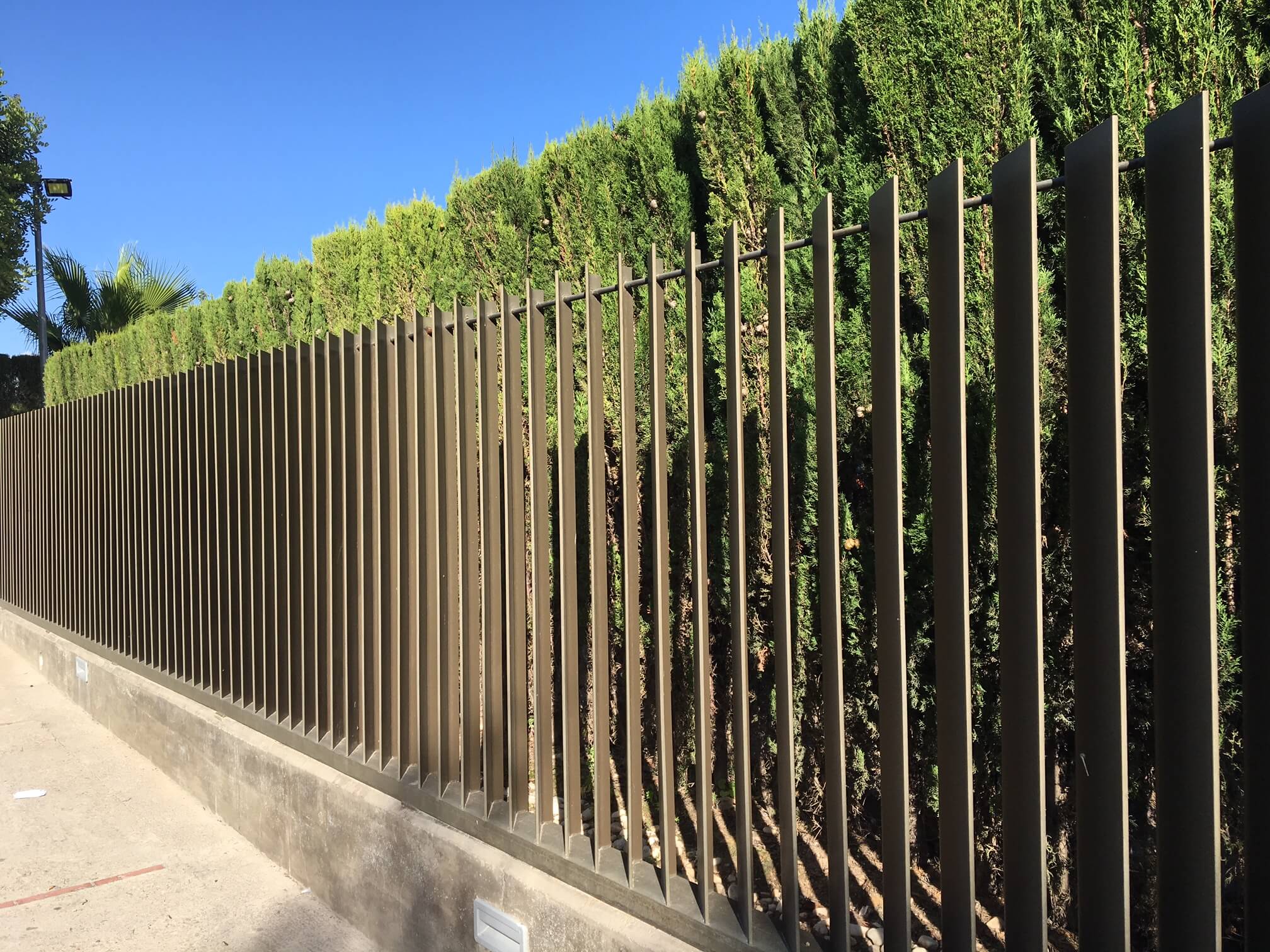
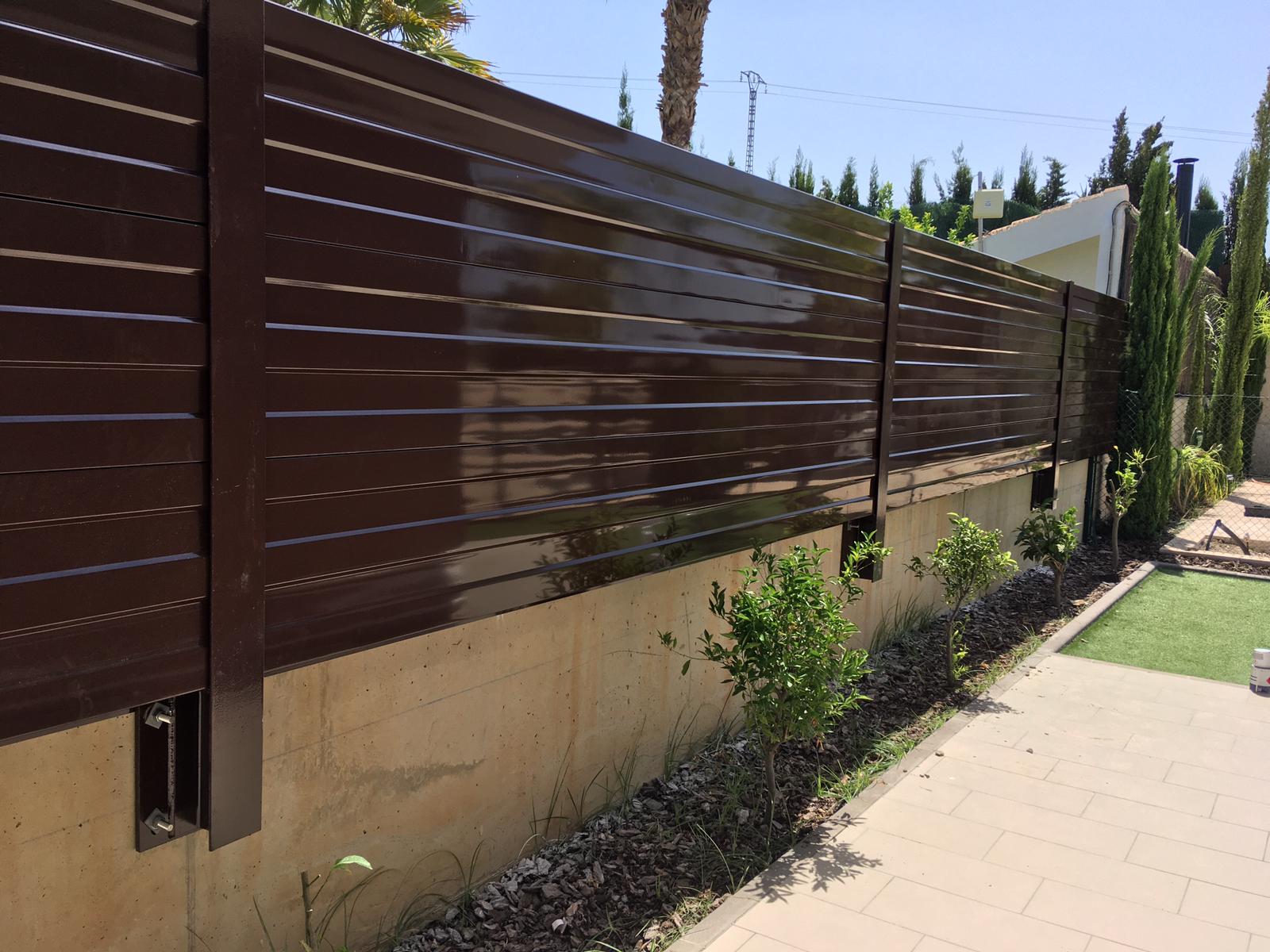
Installing fences in some urban environments is essential, either to guarantee the privacy and security of the tenants, or to address the acoustic problems in the area. In this case, the fencing can be made up of acoustic screens.
In this sense, acoustic barriers, in addition to serving to absorb noise from cars, the bustle of people ... They also guarantee privacy and offer an aesthetic image to the urbanization.
At Metalesa we have a wide variety of acoustic screens also designed to be installed as fences in urbanizations. Methacrylate screens, wooden or metallic acoustic panels are the most demanded for their functionality and their adaptability to the environment.
Enclosures and fences for the railway sector
We have a wide range of railway equipment, and in this post we highlight the fences and enclosures for railway areas:
ADIF type fences
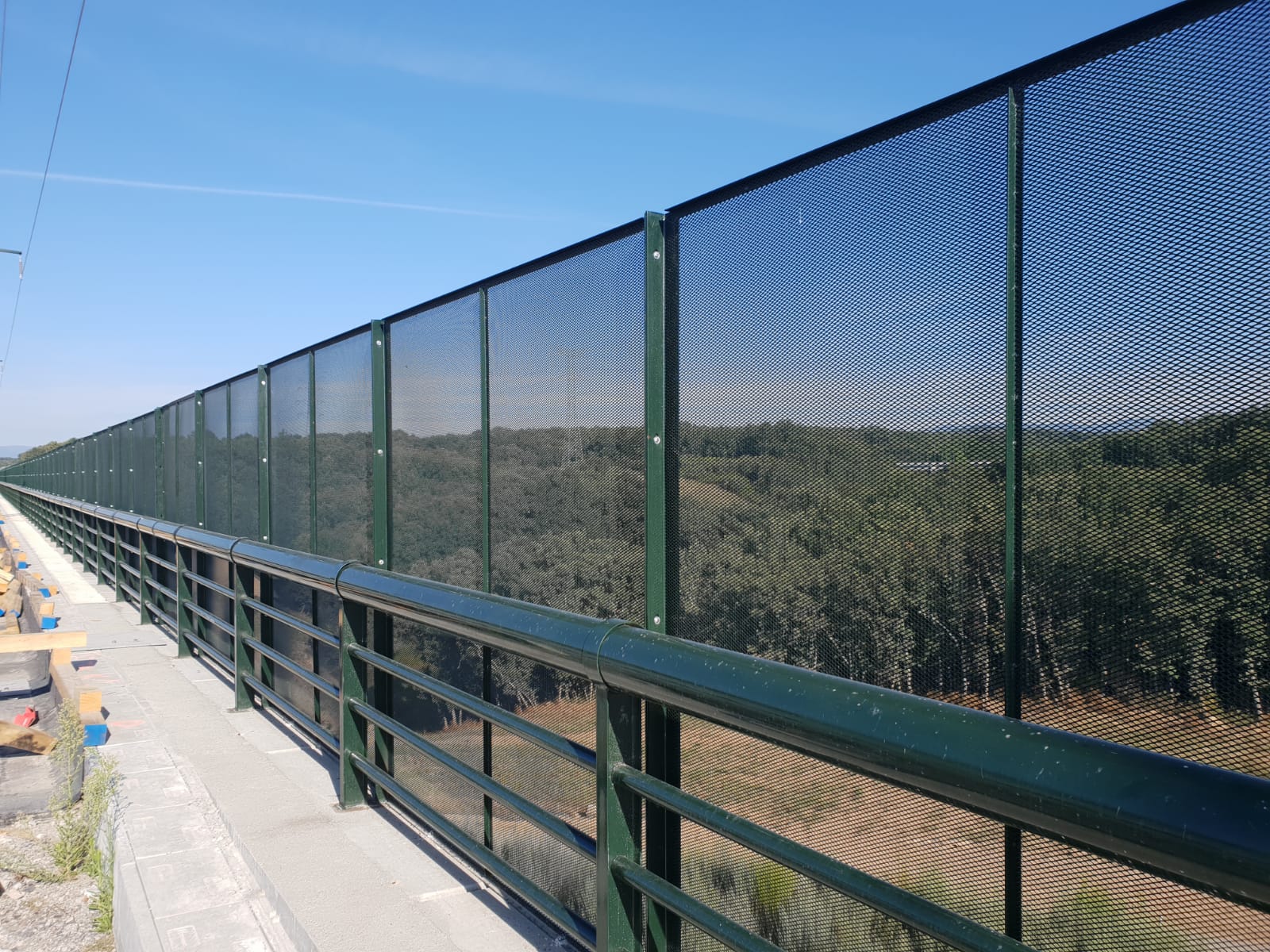
In order to guarantee safety at the crossing points in railway infrastructures operated by ADIF, at Metalesa we have a complete range of specialized security systems that comply with the quality standards set by the network administrator.
With our range of ADIF-type railings and fences we can create a complete protection system within railway infrastructures. When a project of these characteristics is presented to us, we carry out a study of the needs of the layout and manufacture any element that may be required to order.
Different anticorrosive treatments can be applied to our entire range of railings and fences type ADIF, each of which offers a different type of protection.
Depending on the characteristics of the project, we can apply a hot galvanized finish, a thermo-lacquered finish or a mixed application for more aggressive environments.
Fences and enclosures for stations
Train, metro or tram stations need robust enclosure systems that are resistant to the high volume of traffic, and at the same time comply with the current regulations on rail matters set by the network operator.
Regarding train stations, whether long-distance or regional, high-speed or not, we have a wide variety of enclosures that we can manufacture on request with standard models that we have supplied in many works, or adapt to the requirements of draft.
In any case, any design can be subjected to a wide variety of anti-corrosion treatments to provide it with the appropriate layer of protection against humidity and oxidation according to the environment in which it is installed.
Do you need fences and enclosures for any of these areas or other applications? We at Metalesa know how to help you. Contact us by calling 96 088 99 44 or sending an email to metalesa@metalesa.com
Transitions and Terminals: Innovative solutions for black spots
Roads shorten distances and bring people closer together. That’s why it is so important to ensure their safety as much as possible, so that they reach their destination safely, be it their work, their family or their friends. The different national, regional and local administrations keep the main black points of our roads identified and updated, and from Metalesa, we have been participating in a number of projects that aim at providing safe solutions to these specific locations for many years. A clear commitment to remodel our roads includes equipping them with new infrastructures that fulfil the purpose of ensuring road safety. In this scenario is where we act.
Cullera-Favara Section: One of our latest Road Safety projects
During the last two years, work has been done in Cullera on the construction of a section that will undoubtedly represent a milestone for the improvement of the communication routes in the area.
As José Luis Ábalos, Minister of Transport, Mobility and Urban Agenda points out, "this action will translate into an improvement in road safety by creating an alternative route to that of the current national highway as it passes through both towns."
The truth is that residents have been demanding the completion of this infrastructure for a long time, and finally, they will be able to count on the Cullera and Favara bypass, a section included in the A-38 corridor, which represents the largest investment in this matter of infrastructures that the central government has never carried out in the Valencian region of Ribera Baixa.
Metalesa in the project: installation of transitions and terminals
At Metalesa we have been in charge of installing more than 15,000 meters of META16 metal parapet with containment level H3. We invite you to sit down to enjoy this impressive video where you can see the result of so much work.
https://www.youtube.com/watch?v=zd_MFsbvDIk
But the objective of this article is to present the transitions and terminals, other road safety products that are very unusual in Spain, but undoubtedly essential on the roads, and which will become more widespread as soon as our leaders and public administration technicians acquire greater sensitivity for the situations they avoid.
Blackhead removal with transitions and terminals
The black points or accident concentration sections (TCA) are sections of the road network in which a large number of traffic accidents occur each year.
From the Cullera City Council, they affirm that this work "was of vital importance to prevent more people from losing their lives." In addition, Oro Azorín, mayor of Favara, also believes that it will offer the town a great increase in road safety.
Municipal sources in Cullera also assure that it is good news for the entire Valencian Community because the black spots on the roads that have suffered, especially the populations of the coast, are being eliminated.
Transitions for roads
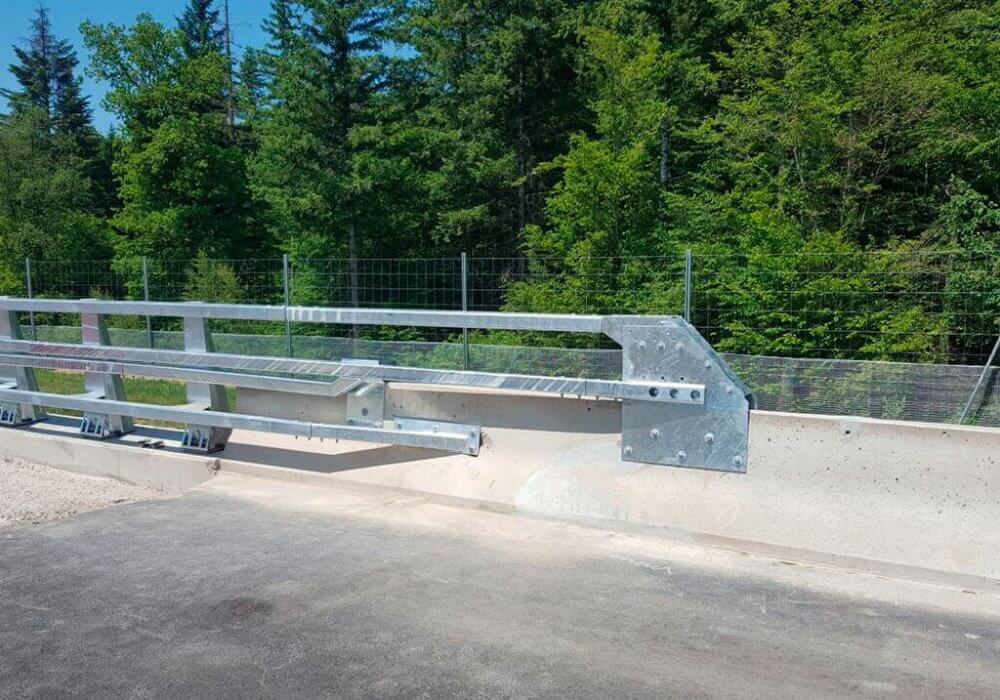
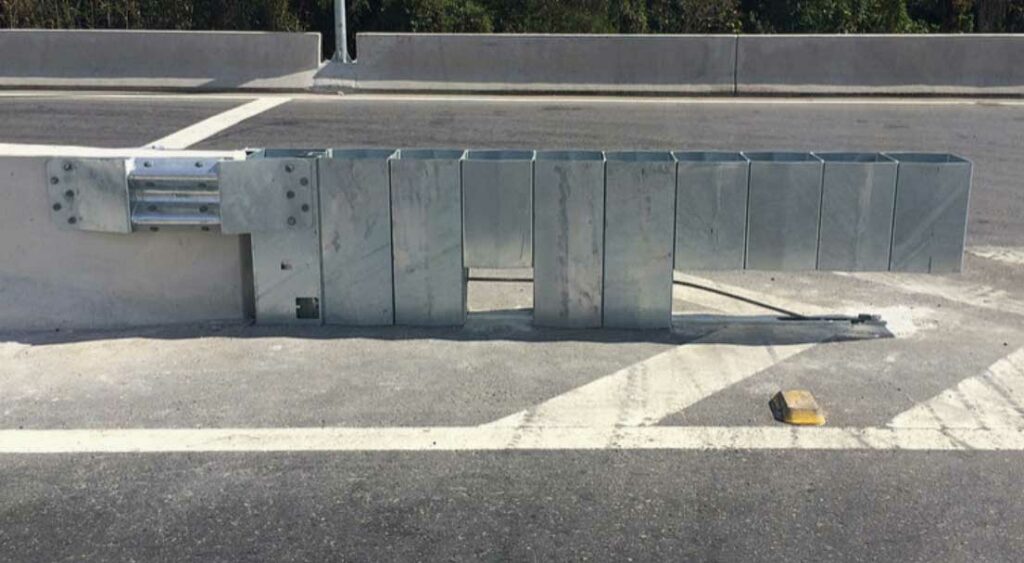
The installation of transitions for roads allows the union between containment systems of different nature, that is, it connects two safety barriers of different cross section or different level of containment, such as a metal parapet and a New Jersey-type concrete barrier.
At Metalesa we have an approved Transition designed in a versatile way, that is, it allows us to connect both our META13, containment level H2, and our META16, containment level H3, to a contiguous concrete barrier.
It is a device designed and manufactured entirely by Metalesa, and approved according to the French standard NF-058, which implies that the transitions that we install have been shock tested on a full scale according to said standard. We are the only Spanish company that has tested transitions between different containment systems on a full scale because we have decided to be ahead of our competition. We believe that the French standard represents the future of what the European standard will establish, which is currently being drafted by the standardizing technical committees to which Metalesa belongs.
What are the advantages of installing a highway transition?
- System reliability: In the event of a side impact of the vehicle, it behaves like a conventional metallic barrier, thus guaranteeing the containment and adequate redirection of the vehicle.
- Easy to repair and repair parts available from stock.
- Anti-corrosion treatment: We offer various finishing options for road transitions, both hot-dip galvanized and thermo-lacquered, as a treatment that combines both processes.
Road Terminals
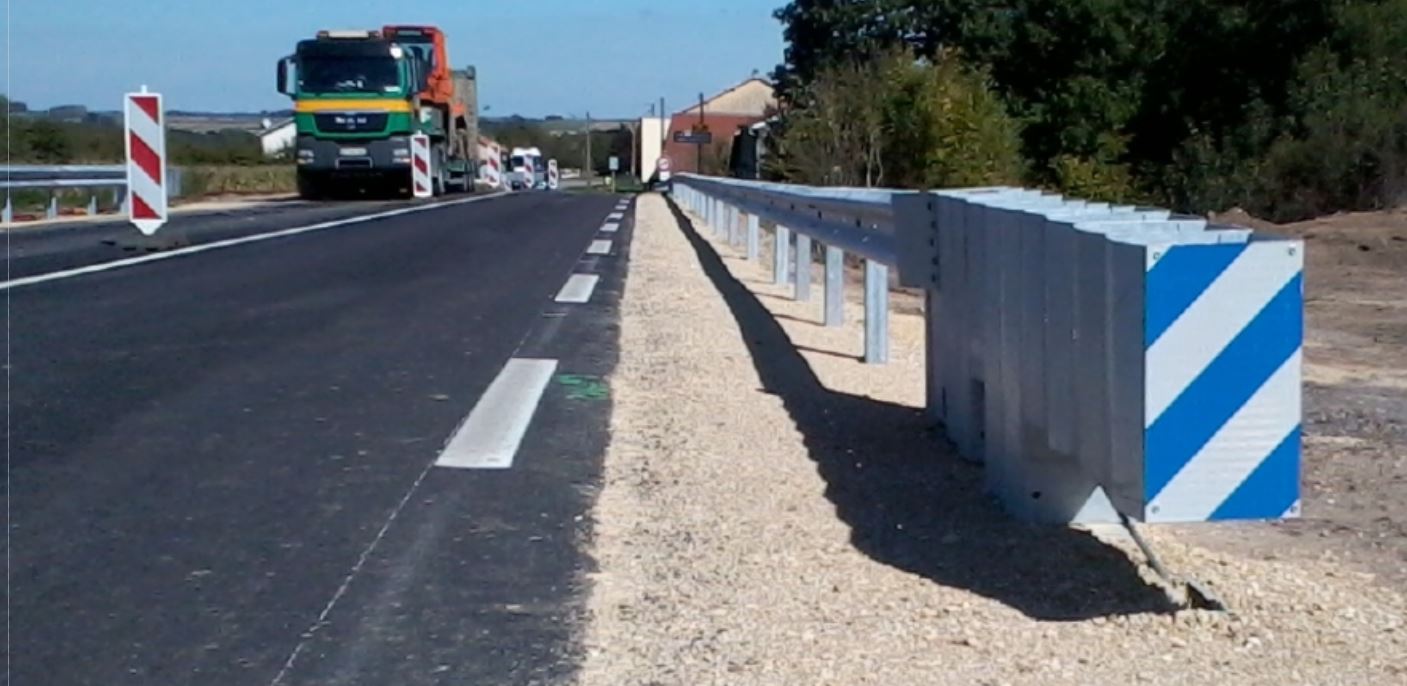
Highway terminals are placed at the ends of containment systems such as parapets or metal barriers, to ensure greater safety against a frontal impact with said completion. We have a wide range of models with different characteristics and certificates, all of which have been tested by means of tests in an accredited laboratory according to the EN 1317 standard.
We offer supply and installation of three models:
Model T50 - 50KM/H
This terminal is ideal for urban environments, in areas whose maximum permitted speed does not exceed 50 km / h.
Model P2 - 80KM/H
Terminal P2, unlike Model T50, is used on highways, where the permitted speed is not higher than 80Km / H. We have several designs of road terminals.
Model P4 - 110KM/H
This terminal is also designed to be installed on highways, but on high-speed roads. We have several homologated models of anchoring to the ground, both for concrete and earth ground.
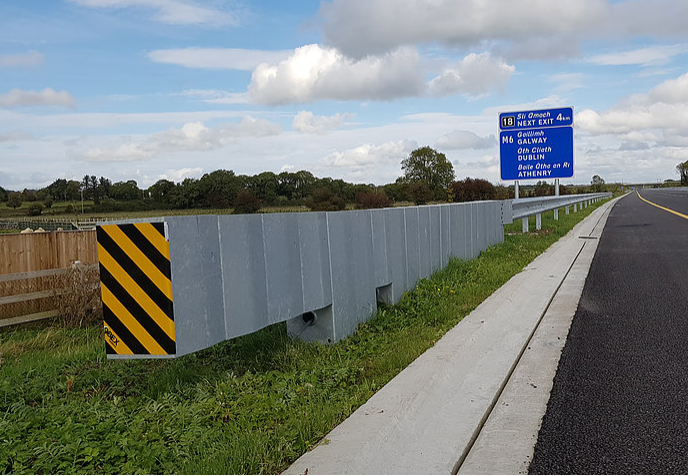
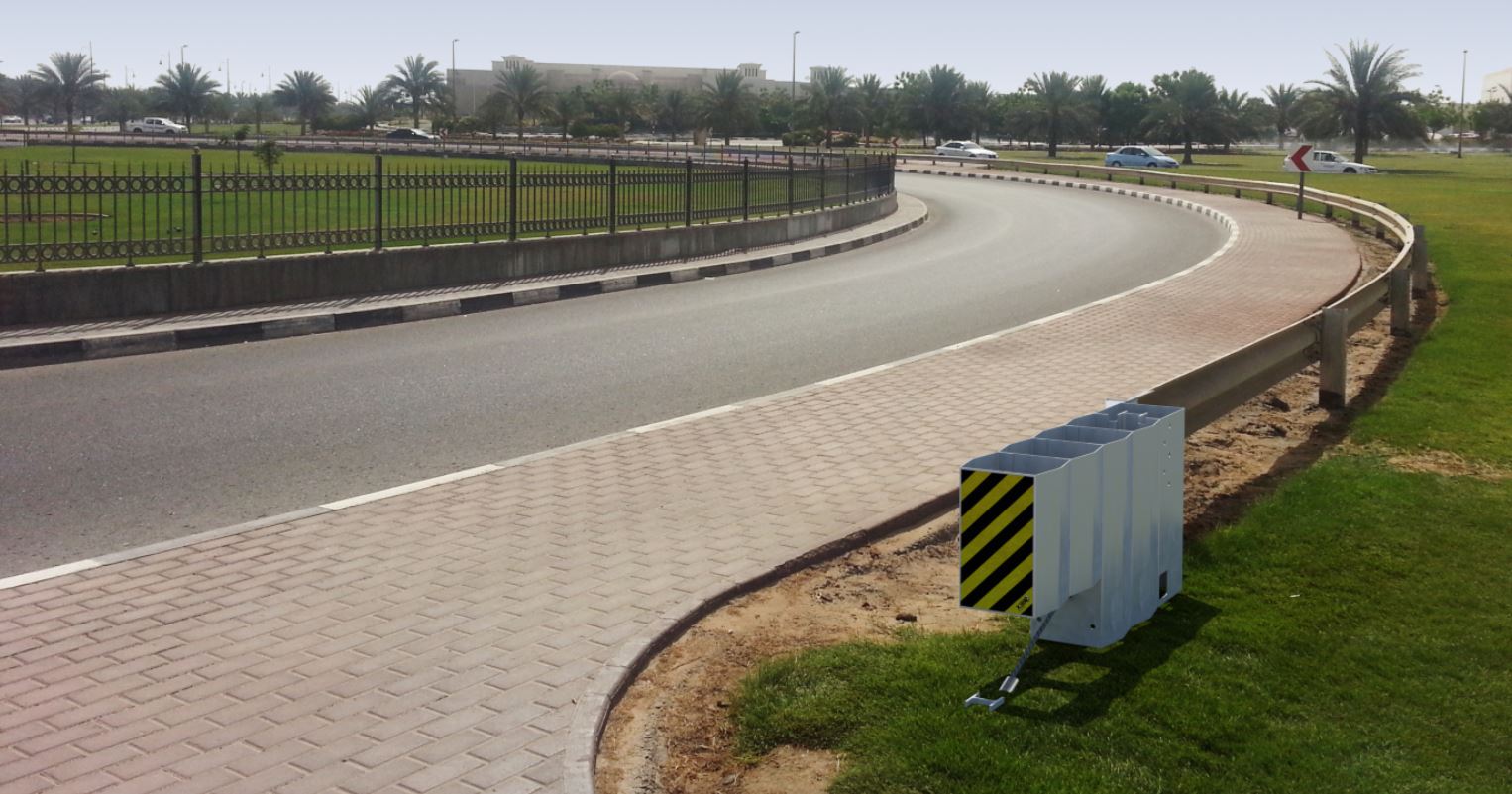
Undoubtedly, projects such as the construction of the Cullera-Favara Section, which include infrastructures for road safety such as our transitions and terminals, show that there really is a commitment to make the roads safe roads that serve what we commented at the beginning of this article: bring people closer. For more information call us at 96 088 99 44 or send us an email to metalesa@metalesa.com