





Connected Crash Cushions: The next step towards the Smart Road
The evolution towards connected mobility is transforming the landscape of our roads. Passive safety elements, traditionally static, are giving way to a new generation of ITS Equipment (Intelligent Transport Systems). In this context, connected crash cushions represent an exciting breakthrough: they convert a vital containment device into a real-time communication node.
This technology merges the mechanical performance of cushions with the potential of IoT, creating a system that not only protects lives during impact but also accelerates medical response and incident management.
The Foundation: Safe, effective, competitive, and easy-to-adapt equipment
For a crash cushions to be "intelligent", it must first prove its mechanical performance according to current regulations. Connectivity is meaningless if the device does not guarantee maximum kinetic energy absorption.
The Metalesa range of impact attenuators offers excellent physical performance. Entirely designed in galvanised steel to maximise durability and recyclability, they strictly comply with the UNE EN 1317-3 standard. Their modular design covers all the needs of modern roads:
-
Speed Versatility: Certified configurations for 50, 80, 100, and 110 km/h levels.
-
Redirective Typology: Unlike older systems, this range is redirective (R). This means that, in the event of a side-on collision, the attenuator not only absorbs the shock but also guides the vehicle back onto the carriageway in a controlled manner, preventing it from entering hazard zones or falling down embankments.
-
Geometric Adaptability: The range includes Parallel models (ideal for tunnels and constant central reserves) and Trapezoidal (Wide or Semi-Wide) models, designed to protect junctions and wide obstacles where the risk of impact is higher.
The latent problem: The "Golden Hour" and secondary accidents
Even with the safest cushions on the market, reaction time after an accident remains a critical factor. Data from bodies such as the FHWA reveal that for every minute a lane remains obstructed, the probability of a secondary accident increases by 2.8%. Furthermore, reducing medical response time by 1 minute increases the victim's survival chances by up to 6%.
This is where smart crash cushions technology makes the difference, eliminating dependence on manual or chance warnings.
Integrated Intelligence: PLUG&META® connectivity
The innovation lies in providing this robust steel structure with a "digital layer" that elevates this equipment to the advanced level of active road safety, accident prevention, and notification. Thanks to Plug&Meta® technology, Metalesa’s range of cushions is "connection-ready". Integrated sensors monitor the device without altering its mechanical properties or certification.
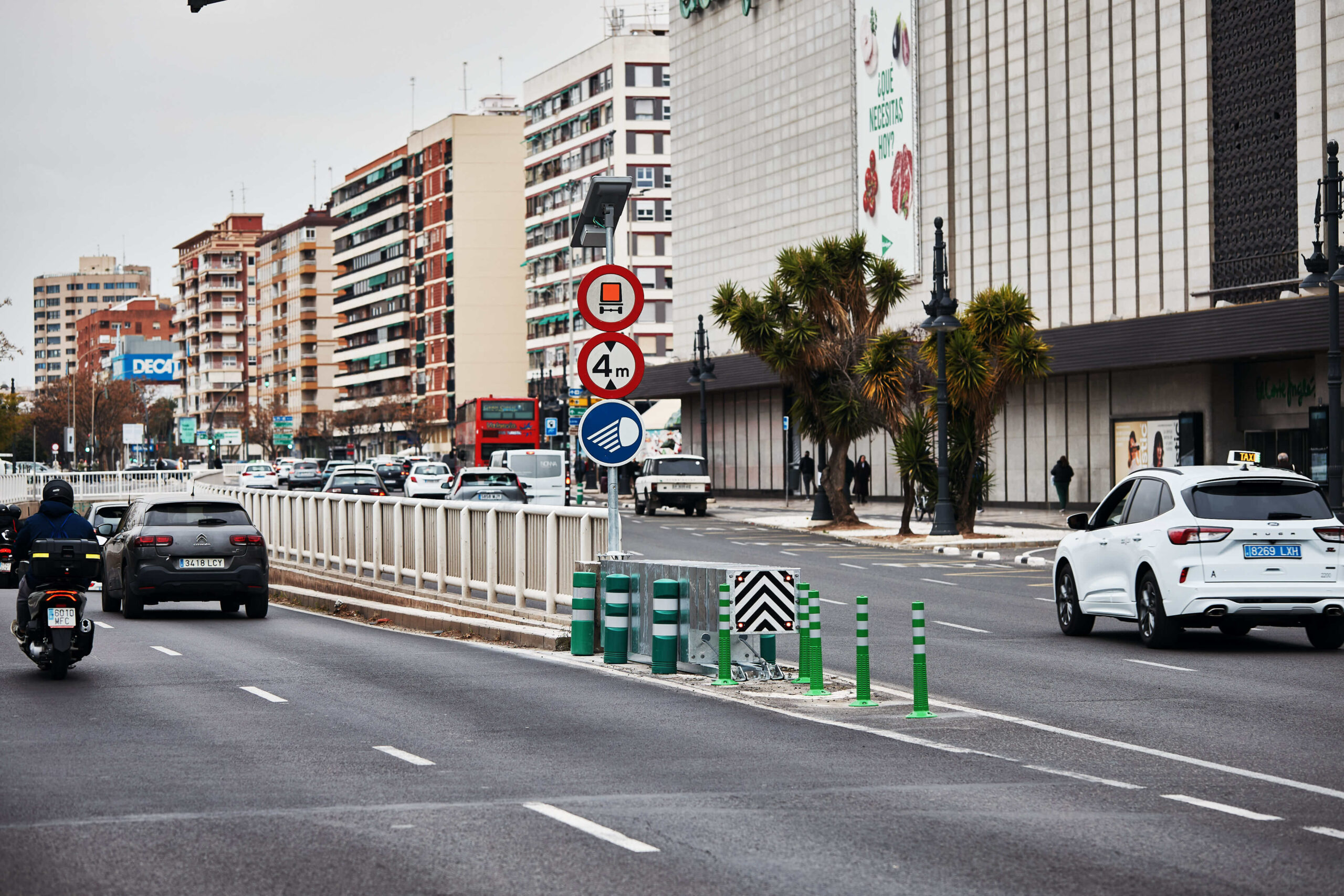
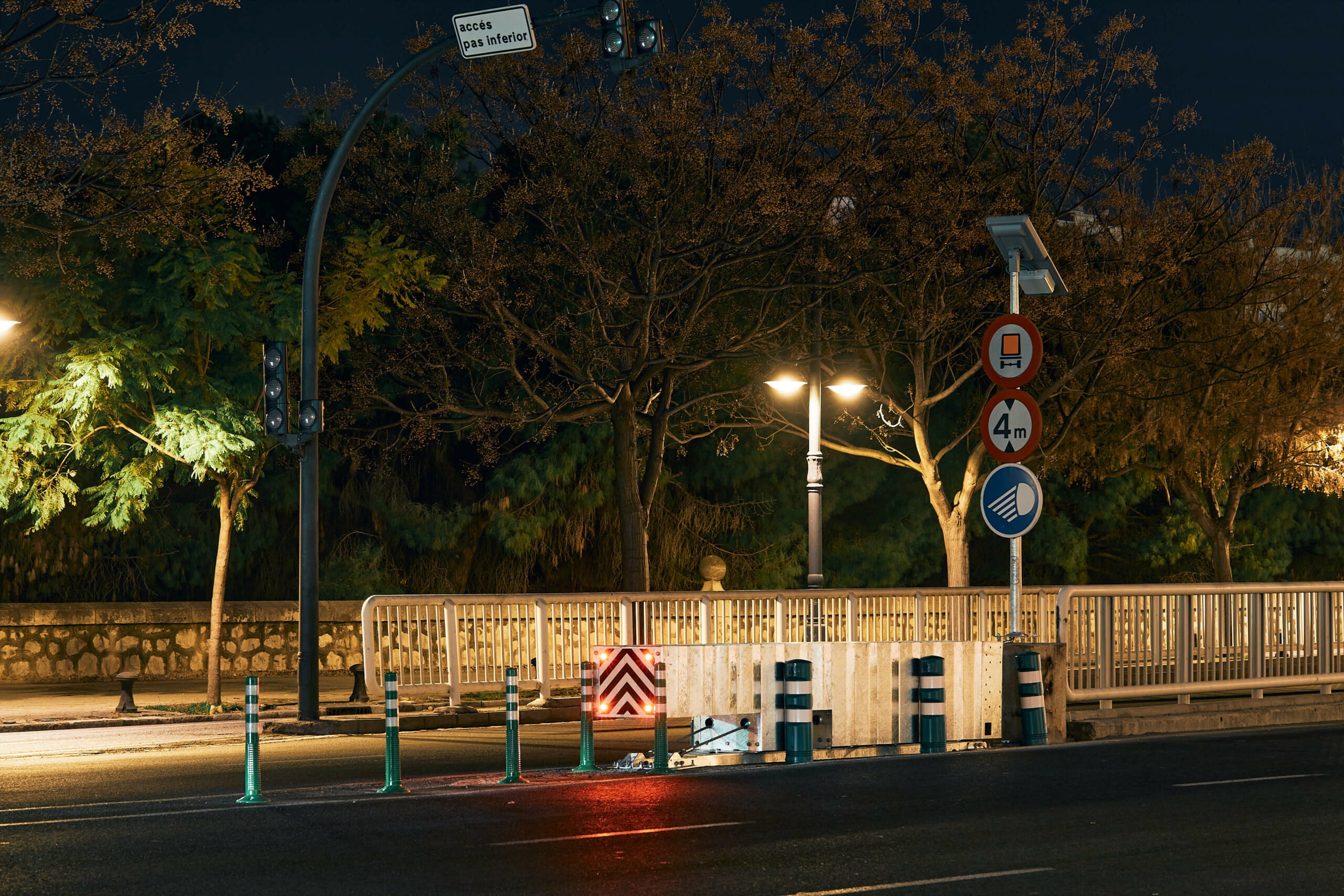
The system's operation closes the safety cycle in three phases:
-
Detection and Signalling: Sensors detect the impact and activate integrated light beacons to alert oncoming drivers. Remote vertical signs located before the impact point can also be triggered.
-
IoT Transmission: The system sends an immediate geolocated alert via NB-IoT or 4G/5G networks to the control centre, DGT 3.0, or other data platforms.
-
Management: Emergency services and road operators receive real-time notification of the incident with the precise location of the impacted cushions, allowing for immediate deployment of traffic assistance and medical care.
Operational efficiency and maintenance
Beyond emergencies, digitalisation offers tangible economic advantages. Remote management allows for preventive maintenance based on the actual condition of the equipment.
It is estimated that remote monitoring can reduce operational maintenance costs by up to 20%. Instead of sending patrols to visually check the state of cushions on distant motorways, the manager knows at all times whether the device is operational or if it has suffered a minor impact requiring repair, thus optimising conservation resources.
Physical and digital safety
Metalesa’s strategy demonstrates that modern road safety is an inseparable pairing. On one hand, a cutting-edge physical structure—impact cushions certified under the UNE EN 1317-3 standard—and on the other, an IoT intelligence layer connecting infrastructure with managers. This integral approach not only protects vehicle occupants during a crash but ensures immediate care afterwards, defining the new standard for active road safety in the era of Smart Roads.

The data generated by the road: Intelligence applied to road safety and maintenance
The road is no longer a passive and static infrastructure but has become a dynamic, information-generating environment. In the era of connected mobility, the efficient management of the Spanish road network no longer depends solely on construction machinery, but on the ability to capture, process, and act upon information in real-time.
This digital transformation is key to the optimisation of resources by public administrations. Moving from a reactive model to a data-driven one allows for maximum road availability and guarantees safety with unprecedented budgetary efficiency.
From physical to digital infrastructure: Capture technology
The first step in this revolution is sensorisation. However, the historical challenge has been how to integrate delicate technology into the harsh road environment without compromising the structure. The industry's answer has been to develop specific connection systems that transform passive equipment into intelligent digital supports.
A key example is PLUG&META® technology, a universal connection interface designed by Metalesa that integrates into containment systems or metal supports. This innovation allows electronic devices to be installed in a simple and modular way, turning a barrier or other road safety equipment into an intelligent connection point without altering its mechanical properties or its safety certification.

Thanks to this integration capability, it is possible to collect massive amounts of data using advanced solutions such as PlugSmart® Pro. This proactive road safety device is specifically designed to detect critical variables that directly affect accident rates, such as:
- Detection of accidents and obstacles on the carriageway.
- Identification of wrong-way vehicles and excessive speeds.
- Presence of wildlife or vulnerable users on the road.
- Monitoring of adverse weather conditions (ice, fog, reduced visibility).
The brains of management: Big Data applied to mobility
The collection of information on risks and events feeds what we know as road Big Data. Through advanced algorithms and integrated management platforms, infrastructure managers can cross-reference these heterogeneous variables to obtain a holistic view of the road.
The implementation of PlugSmart® Pro allows for the collection of risk and event data to improve mobility management and make signalling decisions that reduce accidents. This device not only "listens" to the road but interacts with it: thanks to its controlled LED lighting system, it issues automatic visual warnings to users based on detected risk events (for example, activating light alerts in the presence of an animal on the road or a drastic reduction in visibility due to fog).
Towards predictive and efficient road maintenance
Beyond immediate safety, the use of IoT technologies and Big Data allows for substantial progress in the daily operations of roads. By having a constant data network on what is happening in the infrastructure, maintenance strategies evolve towards efficiency:
- Data-driven planning: The analysis of flows and events allows for the detection of sections with greater wear or structural risk, enabling maintenance investments to be strategically directed to where they are most needed.
- Resource optimisation: Remote monitoring reveals the condition of the equipment without the need for constant dispatching of operators, which drastically reduces operational costs and budgetary waste.
It is important to clarify that, whilst devices such as PlugSmart® Pro focus on road safety and accident prevention, it is the overall digital infrastructure (enabled by interfaces like PLUG&META®) that sustains long-term predictive maintenance.
The integration of ITS solutions and Big Data into road safety equipment represents the present of infrastructures. By leveraging the data generated by the road, administrations can guarantee safer and more technologically advanced routes. The commitment to digitalisation not only saves lives through active prevention but also ensures much more efficient and sustainable management of public assets.

Energy Efficiency in Lighting: The strategy of the State Road Network (RCE)
The State Road Network (RCE), managed by the Directorate-General for Roads (DGC) of the Ministry of Transport and Sustainable Mobility (MITMA), faces an energy challenge of great magnitude. The energy efficiency strategy has become a priority to reduce high operating expenditure and align with the objectives of the ecological transition, based on technological modernization and advanced telemanagement.
1. Context and Magnitude of Energy Expenditure
The RCE's electricity consumption is one of the largest in public administration. Historically, consumption has remained close to 145,000,000 kWh/year, with an associated cost of tens of millions of euros, underscoring the urgency of intervention.
1.1 Critical Distribution of Consumption
The interurban infrastructure shows an unbalanced consumption distribution, primarily concentrated in the lighting and operation of enclosed structures.
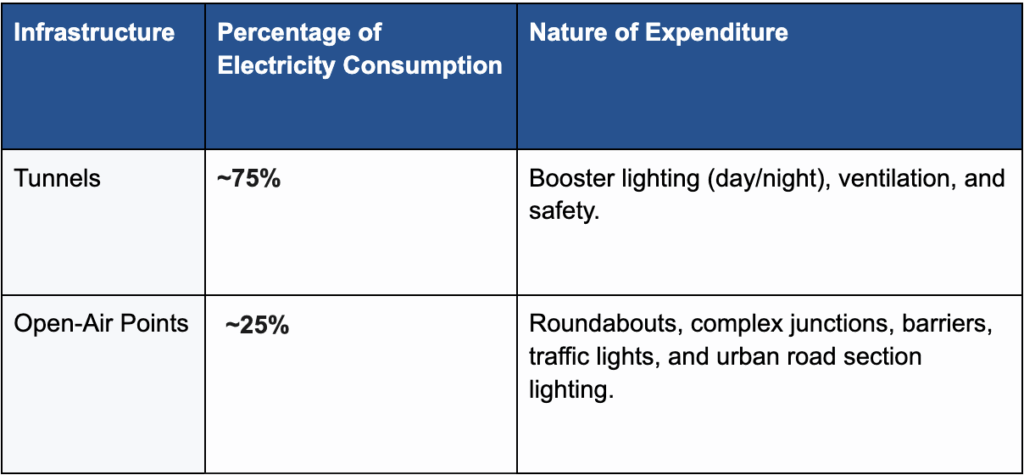
This dependence on consumption in tunnels (where lighting and ventilation are vital safety functions that cannot be interrupted) demands solutions of maximum efficiency that do not compromise visibility standards.
2. The Innovation Strategy (CPI) and the Three Lines of Action
The RCE's strategy is articulated around Public Procurement of Innovation (CPI), a mechanism used by MITMA to promote technological solutions addressing its specific needs.
The central goal of the DGC is to achieve savings of between 40% and 50% of the network's total consumption. This is achieved through coordinated action in three fundamental lines of action:
Axis 1: Luminaire Requirements (LED Migration)
The migration from obsolete technologies like high-pressure sodium lamps (VSAP) to LED technology is the first step, but it must meet advanced technical requirements to ensure long-term durability and efficiency in a demanding environment:
- Required Service Life: New luminaires are required to have a very high minimum service life, with certifications such as L90B10_100.000h. This means that only 10% of the units can have depreciated their luminous flux below 90% of their initial value after 100,000 hours of operation.
- Maintenance Reduction: High reliability is key to minimising interventions on the road, which are costly and dangerous.
Axis 2: Telemanagement and Dynamic Control (ITS)
The implementation of an Intelligent Management System (SGI) is essential to achieve savings targets through dynamic light adaptation.
- Standard Connectivity: The control nodes that allow remote monitoring and dynamic adaptation must be of an international standard, integrated using NEMA or Zhaga connectors.
- ITS Functionality: The SGI enables the dynamic adaptation of lighting in real-time to environmental and traffic conditions. During off-peak hours, intensity is reduced to pre-established levels, but the system must be capable of immediate re-activation when vehicles pass or in emergency situations (e.g., an accident warning or fog).
Descriptive Chart: RCE Saving Goal
- Baseline Consumption (Without CPI): 145.000.000 kWh/year
- Saving Target (40%): Reduction of 58.000.000 kWh/year
- Target Consumption: 87.000.000 kWh/year.
Axis 3: Road Safety and Strict Regulatory Compliance
On roads, lighting is a safety factor that must be managed with millimetre precision, especially at high speed. Therefore, regulatory compliance is non-negotiable and becomes the third strategic pillar:
- Luminance vs. Illuminance: Unlike urban roads (where illuminance is measured), on highways, average luminance (Lm) is prioritised, which is the light reflected from the pavement to the driver's eye.
- Requirement Levels: Lighting solutions must guarantee the average luminance levels required by regulations, which range between 0.30 and 2.00 cd/m², depending on the type of road (motorway, conventional) and traffic intensity (IMD).
- Mitigation of Accident Risk: Efficient and reliable management of lighting at singular points is an unavoidable road safety priority. Studies like the one by INTRAS on run-off-road accidents have shown that the lack of lighting is a factor that significantly increases the risk and percentage of night-time accidents, justifying investment in intelligent and reliable systems at points where lighting is legally mandated.
3. Vision 2030: Digital Transformation and Sustainability
Smart road lighting in the RCE is not just a saving measure but a strategic component of the road network's transformation:
- Sustainability: Energy saving contributes directly to the objectives of the RCE's 2030 Energy Efficiency Strategy, minimising energy dependence and reducing the infrastructure's carbon footprint.
- Big Data and ITS Integration: The lighting telemanagement nodes are transformed into a sensor network that can be integrated into the MITMA ITS ecosystem. This allows for the collection of environmental and traffic data at remote points, crucial for predictive infrastructure maintenance and informed decision-making in mobility planning.
In summary, the investment in adaptive lighting for the RCE represents a paradigm shift: from being merely an operating cost, lighting becomes an intelligent management asset that guarantees maximum safety and regulatory compliance with the minimum energy footprint.
Infrastructure management: The challenge of the maintenance backlog and the importance of asset inventory
Road maintenance is a fundamental pillar for ensuring mobility and user safety. However, the sector faces a structural challenge: managing assets that, due to an accumulated investment backlog, require immediate intervention.
Beyond theoretical debates, the operational reality shows that current management must focus on correcting incidents to ensure infrastructure quality. According to the recent Audit by the AEC (Spanish Road Association), the deterioration of functional elements forces a prioritisation of asset repair and replacement to guarantee functionality and extend the product lifecycle.
Below, we analyse the current state of the network and how technology and compliance with road safety regulations are key to recovery.
1. Situation analysis: Impact on road maintenance costs
Technical data reveals a complex scenario. The investment deficit has led to the accelerated ageing of deployed equipment. From a technical perspective, this implies that a large part of the infrastructure has exceeded its optimal service life and cannot be expected to operate with the foreseen performance levels.
Sector studies indicate that postponing corrective intervention multiplies future costs and affects road sustainability. A road without adequate asphalt is not only unsafe but also increases vehicle fuel consumption, raising the infrastructure's carbon footprint. A road with defective road markings and deteriorated vertical signage harms road safety. A road whose restraint systems are obsolete and in poor condition is less prepared to be a "forgiving road".
2. The foundation of efficient management: Inventory and road inspection
In an environment of limited resources, a comprehensive inventory is indispensable. It is not viable to plan without precise knowledge of the installed reality. The trend towards Smart Roads begins by digitising the basics:
-
Georeferencing: Exact location of each asset.
-
Diagnosis: Classifying elements according to their degree of deterioration.
-
Data: Utilising road Big Data to prioritise actions based on technical risk.
3. Critical areas for technical intervention
Safety depends on the correct interaction of all elements. The deficiencies detected require specific actions in four main blocks, always complying with road product certification:
3.1. Pavements and road surfacing The road surface is the element most exposed to wear. A degraded pavement reduces skid resistance and increases the risk of accidents. Its repair is a priority to restore safety and transport efficiency.
3.2. Vertical signage and active road safety Signage has a limited service life. Compliance with night-time visibility regulations is critical. Replacement must ensure the required levels of retroreflectivity, guaranteeing that signs are visible and legible in any condition, acting as true active infrastructure.
3.3. Road markings (horizontal signage) Road markings are fundamental for the human driver, especially on regional roads where there are often more bends and a lack of hard shoulders, vertical signage, or public lighting. Furthermore, even on high-intensity roads, they are fundamental for connected mobility. Driver assistance systems (ADAS) depend on well-painted and maintained lines to operate correctly.
3.4. Safety barriers and advanced restraint systems This is one of the most critical points. The current stock of metal barriers and guardrails presents significant challenges related to obsolescence, lack of performance, protection against corrosion, and damage from previous impacts. In this regard, and to guarantee safety, it is imperative that any replacement or new installation strictly complies with the EN 1317 standard. This implies using restraint devices that have passed the corresponding impact test, ensuring that their dynamic behaviour (working width and containment level) is appropriate for the type of road. Additionally, it is fundamental to consider the durability of metal structures through treatments such as galvanising to withstand weathering.
4. Technology and road sensorisation
The industry is advancing towards predictive maintenance solutions, such as the use of computer vision technologies (whether on-board a vehicle or from the air with drones) or LiDAR. These allow for road inspection at traffic speed, digitising the condition of equipment at very high speed, with maximum precision, and without risk to operatives.
These tools allow administrations to evolve towards more optimised asset and maintenance management, based on data and real-world diagnosis of deployed equipment, optimising every euro invested in road recovery.
Improving road safety requires facing the maintenance backlog with courage and new tools, ensuring that every euro invested is useful. Only in this way will it be possible to return the infrastructure to the quality standards that current mobility demands.

Adaptive lighting: Energy efficiency in Smart Cities and urban roads
Adaptive road lighting stands as a fundamental component for the development of Smart Cities, integrating sustainability and energy efficiency with pedestrian safety and comfort into a single intelligent system. In the urban context, street lighting adjusts its intensity and light pattern based on real-time data, prioritising the specific needs of the city's streets and squares.
This proactive approach responds to the critical need of administrations to reduce high municipal electricity consumption and improve the nocturnal liveability of their environments.
1. Energy efficiency and intelligent consumption management
Outdoor lighting represents one of the largest items of energy expenditure for municipalities, consuming between 40% and 60% of their total electricity. The implementation of adaptive lighting, based on high-efficiency LED luminaires and tele-management systems (LMS – Lighting Management Systems), allows for unprecedented optimisation.
-
Demand management and dynamic dimming: The key strategy is selective dimming. Instead of maintaining constant power throughout the night, light intensity is modulated automatically. During hours of low activity, especially in the early hours of the morning or on secondary streets, power can be reduced to minimum levels of 20-30% of total capacity. It only increases to 100% instantaneously and gradually upon the detection of a pedestrian, cyclist, or vehicle.
-
Sustainable savings and KPIs: This intelligent management can generate energy savings of between 50% and 75% compared to traditional lighting. This saving translates directly into a significant reduction in the municipal carbon footprint, contributing to the UN Sustainable Development Goals (SDGs) and energy transition commitments.
-
Predictive maintenance 4.0: The tele-management of each light point (node) facilitates remote monitoring. The system automatically detects and alerts regarding voltage failures, power variations, or imminent luminaire failures (detection of flickering or low performance). This transforms maintenance from corrective to predictive, optimising human resources and avoiding service interruptions.
2. Road safety and nocturnal risk mitigation
In the urban environment, lighting is a key factor in accident prevention, especially at critical interaction points between vehicles and pedestrians (junctions, zebra crossings, public transport stops). Insufficient lighting not only generates citizen insecurity but also increases the risk of accidents.
The link with risk in the dark: Specialised studies demonstrate the direct relationship between a lack of light and an increase in accident rates. The recent report on accidents caused by running off the road by INTRAS (Institute of Traffic and Road Safety) corroborates this need. Although the study focuses on interurban sections, its conclusions are fundamental: deficient visibility is directly linked to a higher percentage of accidents, with the risk increasing when the road lacks artificial light. Prolonged darkness reduces the driver's perception capacity, especially regarding static objects on the carriageway or stationary vehicles, increasing the probability of head-on collisions or running off the road.
Adaptive lighting in Smart Cities mitigates this risk through:
-
On-demand activation (tactical dimming): By increasing light only in the presence of a user, the system guarantees maximum visibility at the precise moment a potential risk arises.
-
Prioritisation of pedestrians at crossings: Through sensor detection, light intensity over zebra crossings can be increased in a focused manner, protecting the most vulnerable users and giving them visual priority.
-
Comfort and liveability: It generates a sense of safety and well-being, promoting the use of public space and active mobility (pedestrian and cycling) during night hours, a key factor for quality of life in Smart Cities.
3. Lighting as an IoT platform and source of urban Big Data
The true leap in adaptive lighting is its transformative role as an IoT (Internet of Things) platform within Intelligent Transport Systems (ITS). Smart City luminaires no longer just emit light; they act as a dense network of sensors connected to centralised management software.
-
Sensors for mobility management: Lighting nodes equipped with motion sensors, radar, or low-consumption cameras become urban data collection points.
-
Flow Control: They measure traffic density and pedestrian flow in real-time to optimise lighting and generate mobility heatmaps.
-
Integration with Emergency Platforms: The lighting system can connect with the traffic network. If an accident is detected or an emergency vehicle approaches, the lighting in that section automatically increases to improve visibility and clear the road.
-
-
Multi-Purpose Services and connectivity: The lighting infrastructure becomes an essential support for other Smart City services, offering value-added solutions:
-
Environmental monitoring (air quality, noise).
-
Charging points for electric vehicles or bicycles.
-
Hotspots for the deployment of public Wi-Fi or low-power 5G networks.
-
-
Informed planning (Big Data): Anonymous and aggregated data collected by luminaires (pedestrian flow, environmental data, usage patterns) are processed as Big Data for urban planning, helping authorities make precise decisions regarding the design of sustainable infrastructure (location of cycle lanes, changes in transport routes, or reorganisation of public spaces).
4. Environmental sustainability: Reduction of light pollution
A benefit often underestimated in adaptive lighting is its contribution to environmental sustainability, specifically through the reduction of light pollution.
-
Dark skies: By modulating intensity and directing the light beam (thanks to advanced LED optics), light projected towards the sky (upper hemisphere flux) is minimised. This protects nocturnal ecosystems, reduces the impact on fauna (especially birds and insects), and allows citizens to enjoy a less polluted night sky.
-
Spectral adjustment: The ability to select the colour temperature of LED light (generally below 3000K) reduces the emission of blue light, which is the most harmful to human sleep cycles (circadian rhythms) and generates the most light scattering in the atmosphere, contributing to a healthier urban environment.
Intelligent lighting transforms street lighting from a fixed and passive service into a dynamic, efficient, and central element in the digital and sustainable management of Smart Cities.

How intelligent transport systems are transforming Smart Cities.
Technology is reshaping how we move, manage urban infrastructure, and keep our roads safe. In this context, Intelligent Transport Systems (ITS) are emerging as the backbone of smart roads and, ultimately, smart cities. Bringing together sensors, advanced software, and real-time communication, they make traffic management smarter, more efficient, and safer—while driving sustainability.
In Spain, the push for ITS is being driven by initiatives such as the Recovery, Transformation and Resilience Plan, the DGT’s ITS plan, the MOVES programme, and the Next Generation EU Funds—all of which prioritise the digital transformation of urban mobility. For local governments and public authorities, grasping the potential of these technologies is key to investing wisely and driving urban modernisation.
What Are ITS?
Intelligent Transport Systems (ITS) are a group of technologies built into transport infrastructure to improve mobility, reduce accidents, and boost energy efficiency. They bring together sensors, control devices, digital platforms, predictive algorithms, and vehicle-to-infrastructure (V2I) communication to automate and coordinate mobility in real time.
These systems range from adaptive traffic lights to large-scale networks of ITS equipment, including Variable Message Signs (VMS), cameras, radars, weather stations, and control centres. Thanks to their connectivity, each element acts as a node in a network that learns, adapts, and evolves.
ITS as the Core of Smart Roads
Smart roads are a new generation of infrastructure designed to anticipate problems and communicate with vehicles and users. On these roads, ITS make it possible to:
- Detect traffic in real time and adjust flow automatically.
- Deliver personalised alerts on roadworks, accidents, or adverse weather.
- Coordinate traffic lights based on current conditions, cutting waiting times and emissions.
- Support autonomous driving through digital signals and 5G connectivity.
- Provide data to platforms such as DGT 3.0 or Smart City Madrid to inform urban decision-making.
This approach not only improves mobility but also strengthens Intelligent Road Safety, as the systems act proactively and preventively to reduce human risk.
Real-World Applications of ITS in Spain
Spain already showcases a wide range of ITS solutions in both urban and interurban settings:
- Madrid has rolled out intelligent traffic lights that adjust in real time to the flow of vehicles, pedestrians, and cyclists. These systems prioritise emergency vehicles such as ambulances and city buses, cutting response times and improving overall mobility.
- Barcelona has integrated advanced ITS platforms with a dense network of sensors across the city. This system optimises both private traffic and public transport, enabling automated real-time decisions that enhance the user experience.
- On the A-8 motorway in the Basque Country, a dynamic speed management system has been deployed, especially effective in adverse weather conditions. The infrastructure combines VMS, weather stations, and connected surveillance cameras to adjust speed limits and send automatic alerts to drivers.
- Málaga stands out for its Traffic Management Centre, which uses artificial intelligence to analyse mobility patterns. Based on this data, road signage is dynamically adjusted to reduce congestion and improve safety in real time.
- In Valencia, the city’s first SMART impact attenuator has been installed at one of its most problematic intersections. This device, equipped with PLUG&META® technology, absorbs impacts at speeds of up to 80 km/h. Its integrated light signals improve the visibility of frontal impact warnings, and in the event of an accident, it instantly notifies the City Council’s Traffic Management Centre, ensuring a rapid response. This innovation transforms traditional road equipment into an intelligent system that prevents accidents, optimises signage, and improves user safety.
- Smaller municipalities are also investing in basic ITS solutions with support from European funds. Typical examples include smart pedestrian crossings, number plate recognition cameras, and dynamic information panels—all helping to improve local mobility, reduce accidents, and modernise urban environments cost-effectively.
Benefits for Citizens and Public Administration
ITS offer clear and tangible benefits for both citizens and public authorities:
For citizens:
- Improved road safety through dynamic alerts and signals adapted to real-world conditions.
- Faster journeys across the city.
- Lower fuel consumption and reduced driving stress.
- Clear, up-to-date, and easily accessible information via apps, VMS, or digital platforms.
For public authorities:
- Smarter traffic management with no major physical infrastructure required.
- Lower operating costs thanks to automation.
- Access to valuable data for evidence-based policymaking.
- Supporting European goals for decarbonisation and sustainable urban development.
According to the Metropolitan Mobility Observatory (OMM), ITS has helped cities cut average journey times by up to 15% and CO₂ emissions by 20% in high-density areas.
A Catalyst for Public Investment and Urban Transformation
ITS are essential to the modernisation of cities, particularly for municipalities applying for European funds for sustainable mobility, digital transformation, and climate action. Thanks to their scalability, ITS solutions for cities can be rolled out in large capitals as well as small and medium-sized towns, with targeted investments and tangible short-term results.
By integrating with smart city platforms, ITS give city leaders a complete picture of urban life and empower smarter decisions on traffic management, urban planning, and public safety.
ITS are more than a technological upgrade: they form the backbone of smart cities, reshaping the way we move, connect, and live. For city councils, transport authorities, and regional governments, adopting these systems unlocks greater efficiency, safety, and sustainability.
Backed by public funding and expert partners, ITS solutions are easier than ever to deploy. The future of urban mobility is already here—and it runs on intelligence.

Accident prevention: AI as a tool for preventing road tragedies
Current problems and the need for innovative solutions
The increase in traffic and the complexity of interactions on the road have led to an accident-prone scenario on our roads. Traditional solutions are not sufficient to address road safety in a comprehensive manner. A significant transformation is required that not only addresses the consequences of accidents, but also prevents their occurrence.
Innovations in in-vehicle AI and V2I technology
Driver assistance systems, collision detection and autonomous driving have emerged as essential elements to improve road safety. The integration of AI in vehicles benefits drivers as well as pedestrians and cyclists. These technologies work proactively to prevent accidents and reduce the risk of collisions and collisions.
Technological advances in vehicles are not only limited to autonomous or driver assistance capabilities. Vehicle-to-Infrastructure (V2I) communication systems are also being developed to enable more seamless interaction between vehicles and road infrastructure.
V2I systems allow vehicles to communicate with the surrounding road infrastructure, such as traffic lights, traffic signs and traffic management systems. This means that drivers can receive real-time information about road conditions, such as road works in progress, accidents or congestion, allowing them to make more informed and safer decisions.
In addition, V2I systems can facilitate the implementation of more efficient traffic management technologies, such as traffic light coordination to reduce congestion and improve vehicle flow. They can also help improve road safety by alerting drivers to risky situations, such as construction zones or dangerous intersections. Thanks to AI, car companies can manage road data, improvements in manufacturing and maintenance processes, and useful statistics for both their devices and administrations.

The need for AI data for administrators and policy makers
AI provides valuable information on traffic patterns, critical risk points and driving behaviour. Real-time data is essential for developing strategies and policies to improve road safety and reduce the number of accidents. Collaboration between AI and traffic authorities is essential to implement effective measures to prevent accidents and save lives.
In road safety management, data is essential and artificial intelligence (AI) plays a crucial role in its analysis. Here we explain how this data can help administrations and authorities:
- Risk point prediction:AI analyses historical accident data and traffic patterns to identify areas with a high probability of accidents in the future. This information allows preventive measures, such as changes in signage or improvements to road infrastructure, to be implemented to reduce the risk of accidents at these hotspots.
- Traffic optimisation:Data collected through traffic sensors and monitoring systems feed AI algorithms that can predict congestion patterns and traffic flow. This helps adjust traffic light timing and divert traffic to alternative routes, minimising congestion and improving transport efficiency.
- Identification of high-risk drivers:AI analyses driving behaviour data to identify drivers with risky driving habits, such as speeding or inadequate following distance. This information allows authorities to target enforcement to those drivers who pose the greatest threat to road safety.
- Evaluation of safety measures:Collecting data on the implementation of road safety measures, such as changes in signage or new speed regulations, allows authorities to evaluate their effectiveness. By analysing how accident and traffic patterns change before and after the implementation of these measures, authorities can make informed decisions on where and how to allocate resources to improve road safety.
Example of the digitisation of road safety systems using IoT technology - Metaurban® SMART
https://www.youtube.com/watch?v=12oqSvuo2e4
Today's digital and communications technology is sufficiently mature and has a sufficient economy of scale to design specific solutions that provide added value to road and urban equipment. Its potential is very large and varied, from the detection of risk situations on the road and their real-time warning to users, to the detection of events and useful data for the administration in order to make better decisions in mobility management. The Metaurban® SMART parapet, developed and patented by Metalesa, combines the classic benefits of a restraint system approved according to UNE EN1317 (which provides passive road safety), with PLUG&META® technology that provides added value in several areas:
- Accident and run-over prevention.
- Automatic notification in case they happen.
- Capture of data and events as useful information.
- Remote management of signalling.
Installation in urban and metropolitan areas ensures the protection of pedestrians and cyclists. Metaurban® SMART acts as an active road safety measure, making it an essential component of a safer road environment.
The future of road safety: Protecting and engaging with citizens
Reducing road crashes leads to fewer injuries, less congestion on the roads and a quieter, more efficient road environment. It improves the safety of pedestrians and cyclists, promoting a safer and more sustainable environment for all road users.
The future of road safety depends on a collective commitment to further progress in the development and implementation of innovative solutions. The continued integration of AI on our roads, together with solutions such as Metaurban® SMART, brings us closer to a scenario where traffic accidents are a concern of the past.

Active Road Safety, how this new concept is transforming roads
Technology is progress, and progress makes us evolve as a society. Thanks to technological advances, new forms of communication and mobility have been created that have devised new concepts. For example, in the case of vehicles, new technologies such as electric propulsion have become popular, giving birth to personal mobility vehicles (PMV).
PMVs are becoming more common within cities and have generated a new mobility ecosystem that is presenting new challenges. The current road network has to adapt to these new habits. This means that there are new elements at stake, raising possible accidents that make it necessary to take another step-in accident prevention.
Active Road Safety, a new way of understanding accident prevention
At Metalesa, our commitment has always been to improve people's quality of life. One of our goals is to act by offering protection solutions in any of its fields. Whether it is acoustic or road protection, we always try to offer the best solutions. As our claim says: Protection, our goal.
This is why, due to the evolution of society, technology, and connection networks that already allow us to achieve 5G transfer speeds, we wanted to go one step further in our objective and consider an assumption: how can we mitigate the severity of the accidents? Could we prevent them? How can the authorities act at the time of an accident without the need for them to receive a phone call? This is what we have coined under the concept of Active Road Safety.
What is Active Road Safety?
Active Road Safety is a new concept that raises road safety to a new level. With the use of connected equipment, it is capable of collecting traffic and environment data, analyzing it in real time and notifying all road users if there is a risk of an accident due to poor visibility, traffic jams, among many other cases without intervention. from third parties.
In addition, connectivity means that in the event of an impact or risk detected on the road, the equipment may be able to notify the authorities autonomously and, on the spot, so that they can quickly manage the necessary assistance.
Differences between Road Safety and Active Road Safety
Until now, road safety equipment had a passive role in accident prevention. In the event of a vehicle impact, its task was to mitigate the severity of the accident, absorbing part of the energy and preventing the vehicle from leaving the road.
With Active Road Safety, road safety equipment starts to take an active role on the road, being able to collect data with the integrated sensors, analyze it and adapt its characteristics autonomously to communicate with road users through lights or being able to coordinate with other information elements such as variable signaling panels.
In this way, in addition to being able to communicate with road users, it is also capable of communicating with the authorities and traffic management centers. You can notify an accident in real time, collect traffic or air quality data and notify according to pre-established parameters.
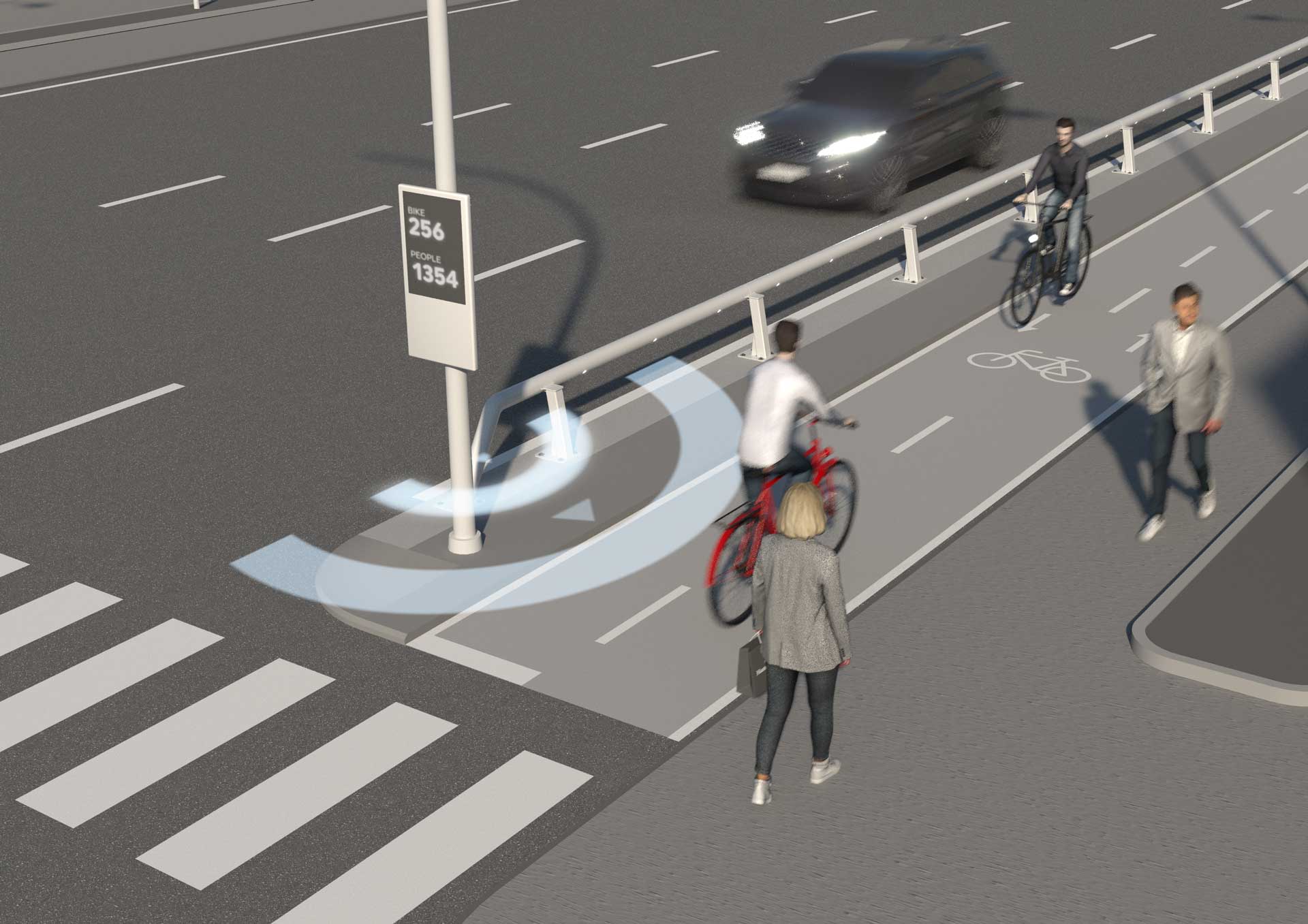
Environments of action of Active Road Safety for infrastructures
Roads are a space shared by different types of vehicles and users, from cars or trucks to smaller ones such as VMP, bicycles or even pedestrians. This means that there are a series of factors that can put the safety of users at risk, such as speeding, non-segregation of lanes, dangerous curves or sections with reduced visibility.
If we make a list of all these factors, the following would be the most important:
- Weather conditions with reduced visibility, such as fog. The reduction of visibility in the wagon is a key factor in the event of an accident, since the driver does not have a good area of visibility.
- Dangerous curves or uneven road sections. These situations can lead to accidents due to loss of control of the vehicle.
- Traffic funnels and retentions. Heavy traffic and congestion can increase the risk of accidents and decrease the efficiency of circulation. Users in a state of stress may disobey road safety precautions.
- Accidents in interurban areas. The lack of signaling and indication in certain urban areas can cause serious accidents that directly affect our citizens.
How does Active Road Safety solve problems on the road?
One of the advantages of Active Road Safety is that it can be adapted to road conditions. For example, in heavy rain, adaptive lighting systems can be adjusted to improve driver visibility and reduce the risk of accidents. Similarly, in low visibility situations due to fog or ice, sensors can detect these conditions and alert the driver to exercise caution.
Another advantage of Active Road Safety is that the risk of accidents and injuries can be reduced. Implementing specific road safety measures can help prevent accidents and minimize the impact should one occur. For example, the installation of safety barriers and warning signs on dangerous curves or uneven sections of road can prevent vehicles from running off the road in the event of driver error.
In addition, Active Road Safety can also improve traffic efficiency. For example, real-time traffic information systems can help drivers avoid traffic jams and congestion, reducing travel time and improving the efficiency of driving on the road.
If you want to find out more about this new concept and find out how Metalesa is working to make it a reality, you can consult our microsite on Active Road Safety, where we talk in more detail.

Smart Cities, an ecosystem full of opportunities
At this point we will not spend much time defining a Smart City. If you want to dive into the concept of the Smart City, we invite you to review the article on what a Smart City is that we already shared on this topic.
To complement this information, today we will explore some real examples of Smart City, as well as trends that, over time, are proving to have bigger impact on services to citizenship.
Some examples of Smart City
The United Arab Emirates have created a city whose objective is not only sustainability, but also to be self-sufficient in natural resources. It is the City of Masdar, in Abu Dhabi. It hosts intelligent buildings that self-regulate the interior temperature, and systems to minimize the effects of the sun. Public transport is autonomous and the electricity grid is supplied 100% by solar panels.
New York is one of the most populous cities in the world, and one of the benchmarks in Smart City in the United States. In 2015, the so-called 'BigBelly' were introduced, rubbish bins equipped with wireless sensors to control their capacity, allowing the waste collection service to program routes more intelligently. This system includes a solar-powered trash compactor that helps increase the container's capacity by five.
In Amsterdam, 67% of journeys through the city center are made by bicycle. Although surprising, bike traffic jams happen usually at rush hour. In recent years, the city has deployed a network of sensors and a traffic management system for bicycle users, in such a way that, during those hours of greatest occupation, alternative routes can be defined and proposed to users to speed up travel .
The case of Barcelona
We can also find many examples of Smart City projects in Spain, for example, in Barcelona.
Urban transport systems have introduced hybrid buses, solar panels on bus shelters and the routes of the bus network have been optimized to be able to make 95% of trips with a maximum of one transfer between two destinations in any city . All this thanks to big data and the analysis of the influx of users and their routes.
Waste management has also incorporated digital technology in a similar way to New York. A container system with the capacity to generate a vacuum system allows the elimination of bad odours, at the same time, it incorporates available capacity sensors in real time that communicate to a centralized system that allows optimal routes to be optimized every day.
A smart street lighting system with low-energy bulbs and sensors that can measure humidity, temperature, air pollution, and the presence of people or noise is used throughout the city. In this way, the lighting intensity is adapted autonomously, reducing energy consumption. This is usually one of the first measures deployed in any Smart City as it offers direct savings on energy bills at a very reasonable cost and with technology that has already been widely tested in a real environment.

Trends for Smart Cities
Smart Cities are not a thing of the future, they are very much of the present. We refer to the previous examples on how a public service can be optimized with the application of technological projects. But not everything goes. Disruptive solutions can be invented and ingenious projects deployed, but in the medium term, which ones will actually have real success colonizing the majority of cities? What ideas or technologies or services will be the ones that will capture the attention and budgets of municipal administrations?
The first reflection is that this will depend on each city. Depending on your location, population, culture, idiosyncrasy or even the political profile of your rulers at a given time, you will define your priority challenges. Some will advocate for traffic management and sustainable mobility, others for water management and others for citizen security among many possible lines of work.
Identifying those motivations to submit the most suitable proposals will increase the probability that an opportunity will become a real project.
That said, if we statistically analyze the most common projects, we see common trends.
Technological infrastructure Data interoperability
A Smart City would not be such if it does not have sensors that collect a flow of data on which decisions can be made to improve or manage the resources available. This information already demonstrates a large volume and will be exponentially growing in the future. For this reason, it is necessary to work on sufficient storage capacity, on robust communication networks and on management software that is as centralized and open as possible to guarantee the correct processing of data in real time and interoperability between services and administrations. Without investing in these technological infrastructure capacities, it is almost impossible to advance in the deployment of the Smart City.
Cybersecurity
All data collected and stored is highly valuable information that must be protected to prevent cybercrime. Let us remember that many of them may refer to personal data or behavioral habits of citizens, who expect maximum privacy in exchange for providing them.
For this reason, cybersecurity is one of the critical aspects that administrations must work on. Citizens will only join the wave of the Smart City if they feel to a certain degree confidence that their data is protected, and that there is no fraudulent, partisan or economic use of it.
Smart traffic management
In large cities, traffic is usually a major problem that generates major headaches for managers and citizens. In addition, its consequences in terms of air pollution and noise are very negative.
The implementation of technology (cameras, sensors...) that allows obtaining real-time data on traffic in order to optimize routes is an obvious line of work. For this, the use of classic urban equipment as a platform in which to integrate digital technology should be considered. For example, intelligent containment systems can contain impacts when there are road exits, but also prevent accidents and provide statistical information in real time.

Public lighting service or waste management
Public lighting represents a very high expense for the city's bill. For many years now it has been confirmed that an investment in autonomously controlled LED technology for lighting regulation is a technically robust and profitable project in the medium term.
The digitization of the waste collection service has started later but, as we have explained, there are already numerous pilot projects in this line.
Useful projects for Smart Cities
Smart Cities cannot be the new excuse to place technological services without value. Each proposal must quantitatively demonstrate resource efficiency, sustainability, useful information, or a better experience for people. And ideally several of these benefits combined.
At Metalesa we have been working for many years to provide optimal solutions for Smart Cities, thinking of the ultimate benefit that citizens will obtain, for example, our Metaurban® SMART, the world's first smart urban parapet with active road safety, which not only contains, but also prevents and informs. An innovation that invites the private sector to transform urban equipment and take it to a new dimension by integrating it into the Smart City ecosystem.
Whether you are from a public administration and are looking for ideas, or a company interested in developing new products and looking for alliances, do not hesitate and contact us. We will be happy to help you and explore ways of collaboration.

World Pedestrian Day, for safe cities
"World Days" generally refer to an event from the past that we recall to celebrate. But the truth is that these days do not always represent something to be celebrated, but instead occasions of awareness.
Today is Pedestrian World Day, and it is not exactly a day to celebrate. It is a day that has its origin in memory of the first recorded pedestrian victim: Bridget Driscoll was run over on August 17, 1897 in London, dying on the spot. We don't usually start our articles on Road Safety with this crudeness. But that is the reality. Since that day, the list of registered deaths by car accidents has unfortunately continued to increase.
The importance of 'celebrating' Pedestrian World Day every day
The objective of Pedestrian World Day is to join efforts to guarantee a much safer traffic for pedestrians, promoting adequate spaces to move around in cities, and remembering the obligations that both drivers and pedestrians have.
Some figures to consider
In the Spanish DGT report for 2019, the number of deaths on the roads was 1,755 people, of which a large part, specifically 53%, were considered vulnerable, that is, pedestrians, cyclists and motorists. In addition, the report also reported a 6% increase in deaths in cities, with the vast majority of deaths being over 65 years of age. That said, we insist on the importance of being responsible, whether we are in the 'role' of pedestrian or driver, both for our own safety and that of others.

What to do to be a good pedestrian?
They may seem obvious, but believe us, it never hurts to remember these tips.
- Always cross at the pedestrian crossing.
- Respect traffic lights.
- Always look both ways before crossing, even if the road you are going to cross is one-way.
- Reduce the use of technology on the go. It is advisable to avoid using the mobile phone as it is undoubtedly a great distraction, not only when we are driving but also when we are walking around the city. In addition, the use of headphones is not recommended since the ideal is to have all our senses on the road.
What to do to be a good driver on urban roads?
- Respect the signs and speed limits.
- Respect the cyclists who circulate on the road if there is no bike lane, since they have the same right to circulate on public roads.
- Maintain a safe distance between vehicles.
- Avoid distractions such as mobile phone use.
Urban Road Safety. What is it?
At Metalesa, we have always been concerned about raising awareness about the dangers on the roads, whether on the road or in urban areas, for this reason, we consider ourselves to be the standard bearers of the Road Safety concept.
And it is that our company philosophy goes beyond designing, manufacturing and installing products for road safety, since we also carry out this work of social awareness. However, it must be admitted that when the word of ‘Road Safety’ is heard, the majority of road safety education comes to mind, focused on safety at the wheel. However, Road Safety encompasses all areas in which any type of urban or inter-urban displacement occurs. In this sense, 'Urban Road Safety' takes on special relevance, which focuses in much greater detail on the particular cases of road safety in the urban environment.
Given that in today's article we are talking about World Pedestrian Day, it is an ideal occasion to discuss the concept of Urban Road Safety, since, although it is not exclusively linked to pedestrian safety, both pursue common objectives.
Urban Road Safety is the set of actions aimed at preventing, controlling and reducing the risk of accidents in the movement of people, whether on foot or by vehicle, within urban centers.
To put Urban Road Safety into practice, more and more cities have chosen to apply urban measures that include the reorganization of urban space and the promotion of the adaptation of user behavior to this new space.
A bit of urban history: The Car Cities
If we look at it, most cities are designed under an urbanization model that generalizes the mobility of private vehicles, and this situation began to occur approximately from the first half of the 20th century.
This fact gave rise to the ‘Car Cities’, cities in which the infrastructures at the service of the circulation of vehicles occupy most of the urban centers, so the chances of suffering accidents while traveling are considerably increased.
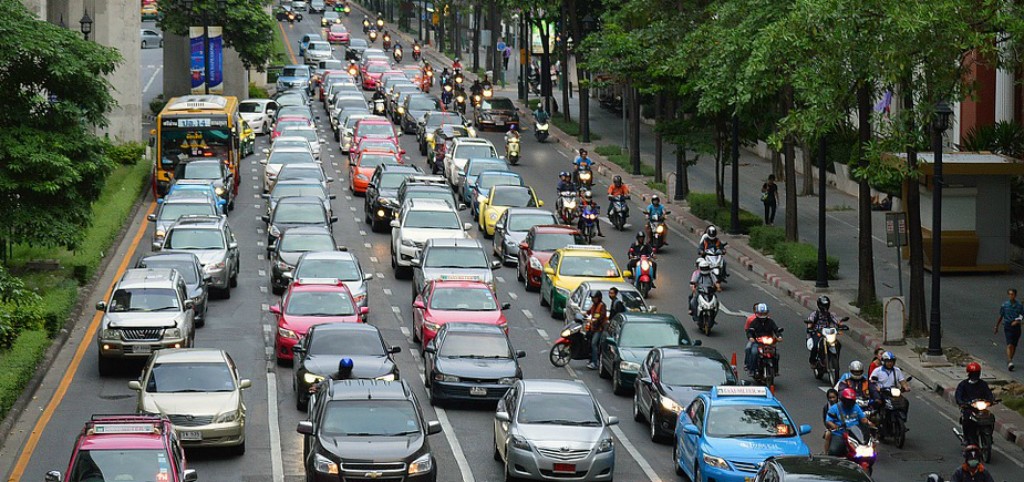
However, more and more cities are choosing to reorganize their urban designs and convert urban centers into more pedestrian spaces, and therefore safer in order to ensure Urban Road Safety. For example, the Plaza del Ayuntamiento de Valencia is now 100% pedestrian after the urban reorganization works that were carried out a few months ago.

Decisions and initiatives of city councils to promote Urban Road Safety
In addition to converting urban centers into pedestrian spaces, municipalities also carry out other measures to guarantee Urban Road Safety:
- Improve the design of the streets and the signage to guarantee the coexistence of all the displacement systems.
- Control and sanction road indiscipline more effectively.
- Consider Urban Road Safety as a public health issue.
- Act in the field of citizen training in Road Safety values.
- Implement monitoring systems to improve the analysis of information on mobility and urban accidents.
Our products to guarantee Urban Road Safety
At Metalesa we like to say that "protection is our goal," and in order to achieve this goal, we take care of designing, manufacturing and installing products that guarantee safety in various fields. In the case of urban Road Safety, our railings are designed to protect pedestrians and to delimit spaces between pedestrian and road areas, among many other applications.
Cyclopedestrian railings
The cyclopeatonal railing is a restraint system for both pedestrians and cyclists who circulate on urban roads, so that it helps to reduce the accident rate on pedestrian or cycling routes. In addition, they adapt perfectly to the aesthetics of the urban area.
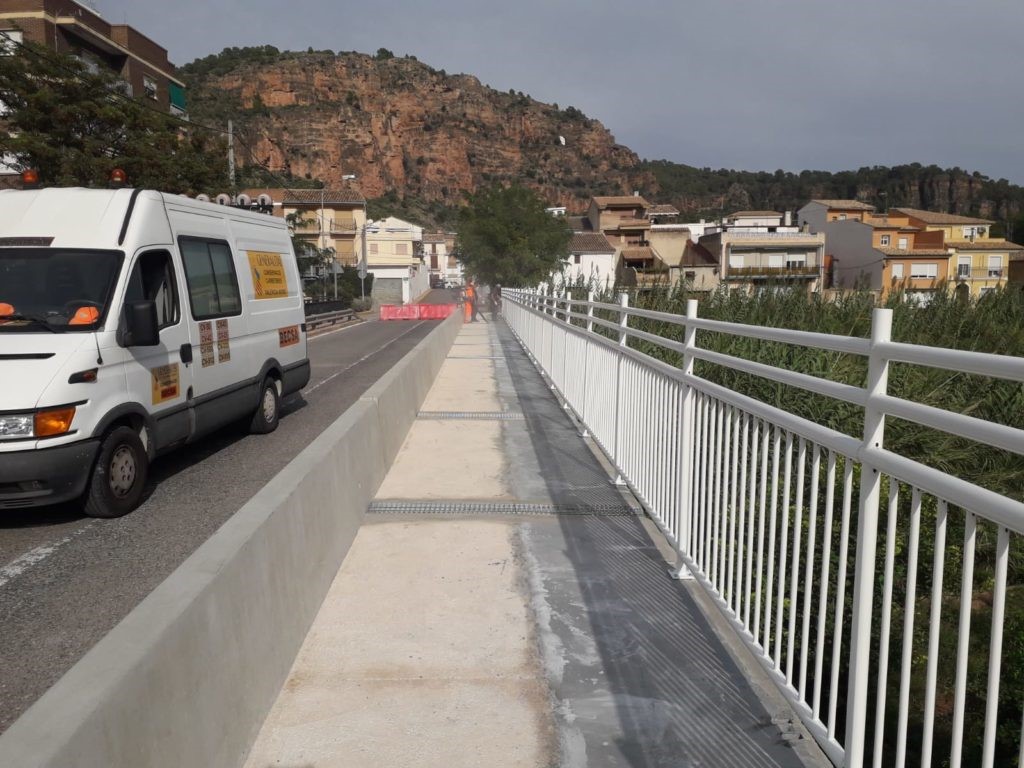
Steel railings
Steel railings are also pedestrian restraint systems. At Metalesa we have a wide variety of models capable of integrating perfectly with the landscape, since we have many thermo-lacquered finishes and colors.

Stainless steel railings
Their aesthetic appearance makes them very appropriate to be installed in any type of urban area, guaranteeing the safety of pedestrians. We have a wide catalogue with unique and modern designs, in addition, we can manufacture stainless steel railings with custom designs if the client requires it.
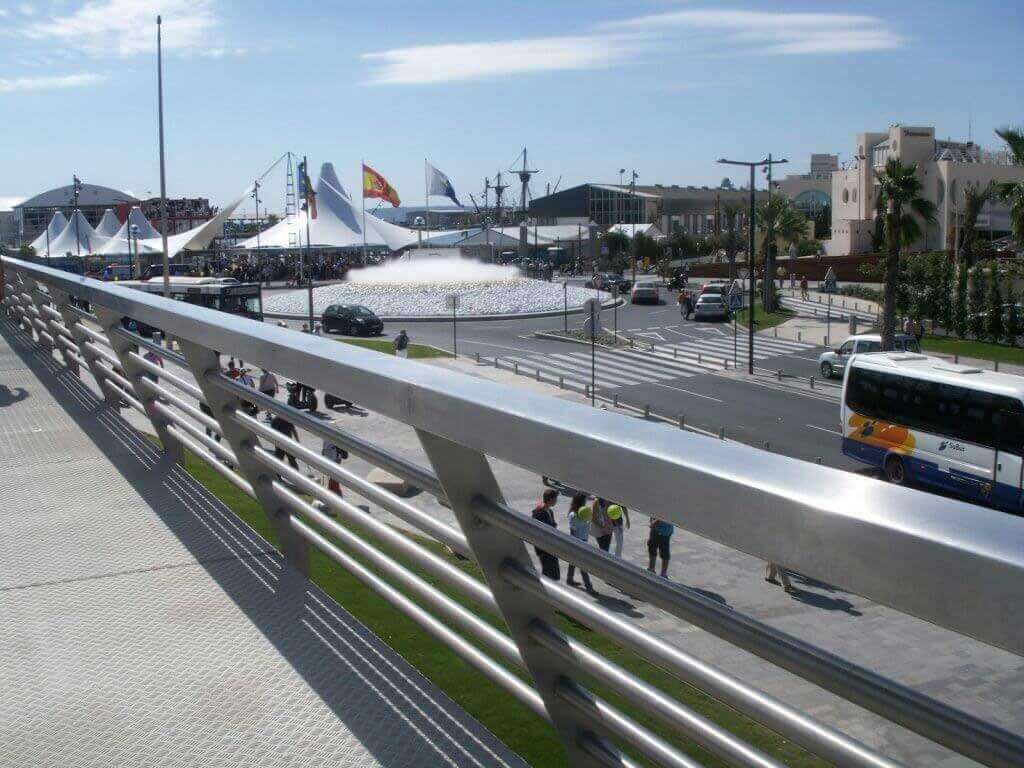
Railings with steel cable
Steel cable railings are one of the most elegant, and of course, safe options to ensure the safety of pedestrians.

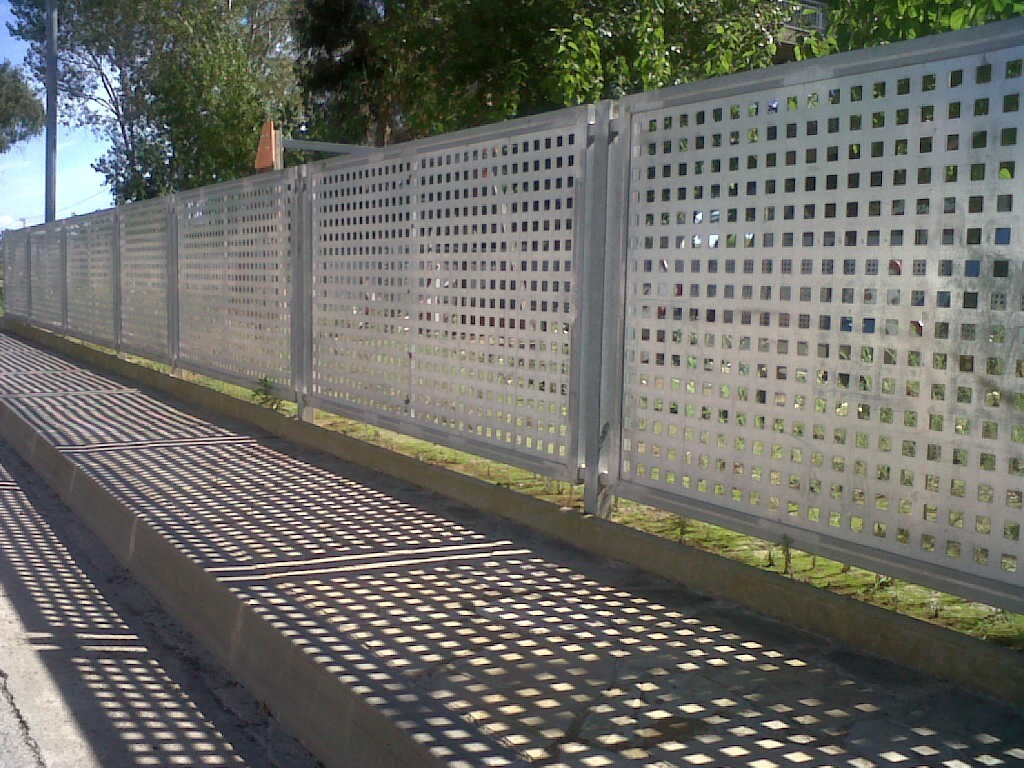
Railings with perforated sheet
In the same way as the metal railings with steel cable, the railings with perforated sheet also present a very attractive appearance for installation in cities, since they can be manufactured with any perforated design in the material. Depending on the type of perforation, you can create a design that provides safety to the pedestrian without sacrificing aesthetics on the streets. Because ensuring safety does not mean giving up good taste!
The truth is that it is in everyone's hands to be able to reach the goal of achieving a 0% accident rate in cities. Little by little we are taking steps that bring us closer to achieving it, but there is still much to do. From Metalesa, information and awareness articles like the one you just read or through the installation of our products, we try to do our bit. And you, what are you willing to do for your safety and that of those you care about?
If you need a quote for the installation of our products for Urban Road Safety, do not hesitate to contact us. Call 96 088 99 44 or send us an email to metalesa@metalesa.com