




The evolution towards connected mobility is transforming the landscape of our roads. Passive safety elements, traditionally static, are giving way to a new generation of ITS Equipment (Intelligent Transport Systems). In this context, connected crash cushions represent an exciting breakthrough: they convert a vital containment device into a real-time communication node.
This technology merges the mechanical performance of cushions with the potential of IoT, creating a system that not only protects lives during impact but also accelerates medical response and incident management.
The Foundation: Safe, effective, competitive, and easy-to-adapt equipment
For a crash cushions to be “intelligent”, it must first prove its mechanical performance according to current regulations. Connectivity is meaningless if the device does not guarantee maximum kinetic energy absorption.
The Metalesa range of impact attenuators offers excellent physical performance. Entirely designed in galvanised steel to maximise durability and recyclability, they strictly comply with the UNE EN 1317-3 standard. Their modular design covers all the needs of modern roads:
-
Speed Versatility: Certified configurations for 50, 80, 100, and 110 km/h levels.
-
Redirective Typology: Unlike older systems, this range is redirective (R). This means that, in the event of a side-on collision, the attenuator not only absorbs the shock but also guides the vehicle back onto the carriageway in a controlled manner, preventing it from entering hazard zones or falling down embankments.
-
Geometric Adaptability: The range includes Parallel models (ideal for tunnels and constant central reserves) and Trapezoidal (Wide or Semi-Wide) models, designed to protect junctions and wide obstacles where the risk of impact is higher.
The latent problem: The “Golden Hour” and secondary accidents
Even with the safest cushions on the market, reaction time after an accident remains a critical factor. Data from bodies such as the FHWA reveal that for every minute a lane remains obstructed, the probability of a secondary accident increases by 2.8%. Furthermore, reducing medical response time by 1 minute increases the victim’s survival chances by up to 6%.
This is where smart crash cushions technology makes the difference, eliminating dependence on manual or chance warnings.
Integrated Intelligence: PLUG&META® connectivity
The innovation lies in providing this robust steel structure with a “digital layer” that elevates this equipment to the advanced level of active road safety, accident prevention, and notification. Thanks to Plug&Meta® technology, Metalesa’s range of cushions is “connection-ready”. Integrated sensors monitor the device without altering its mechanical properties or certification.
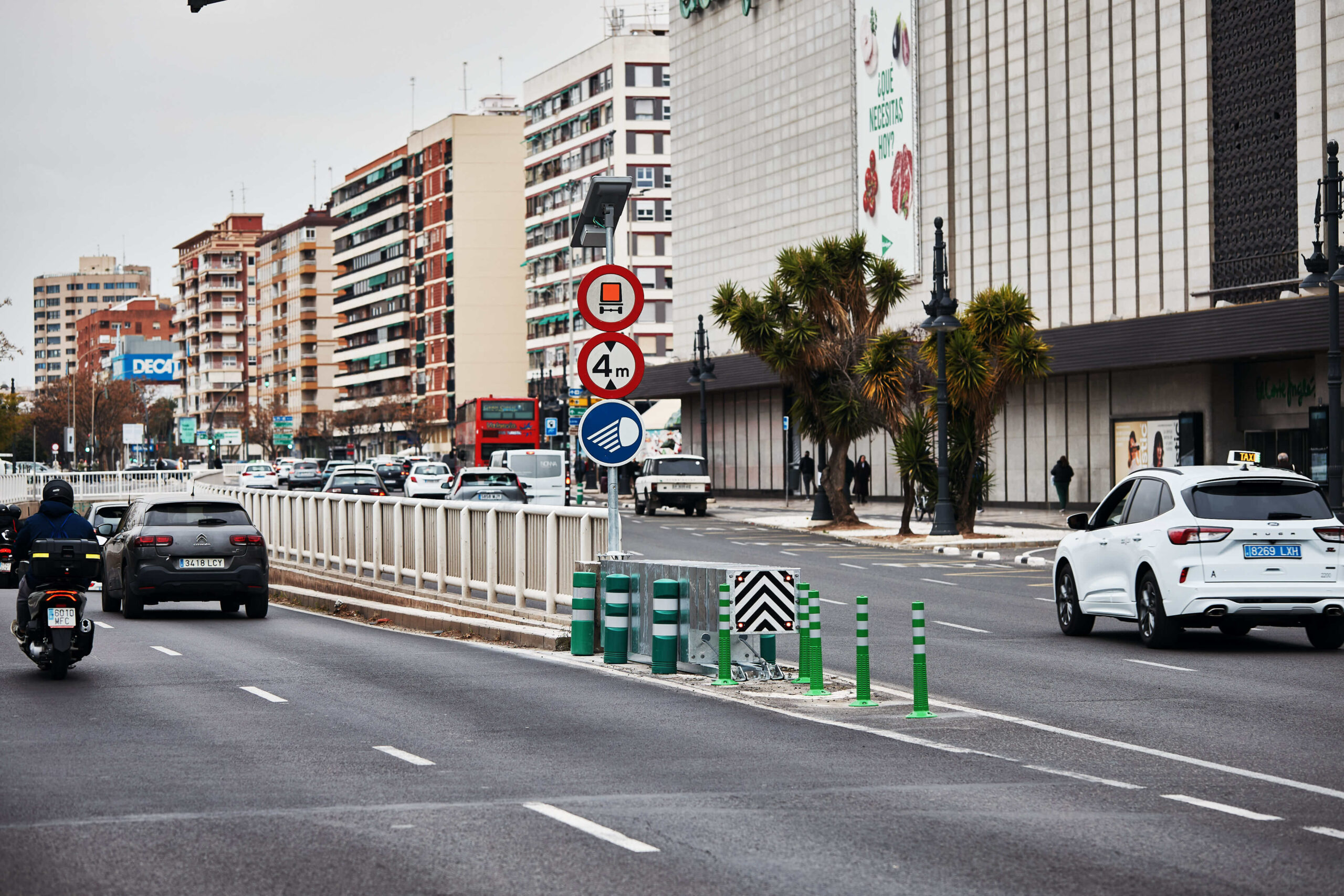
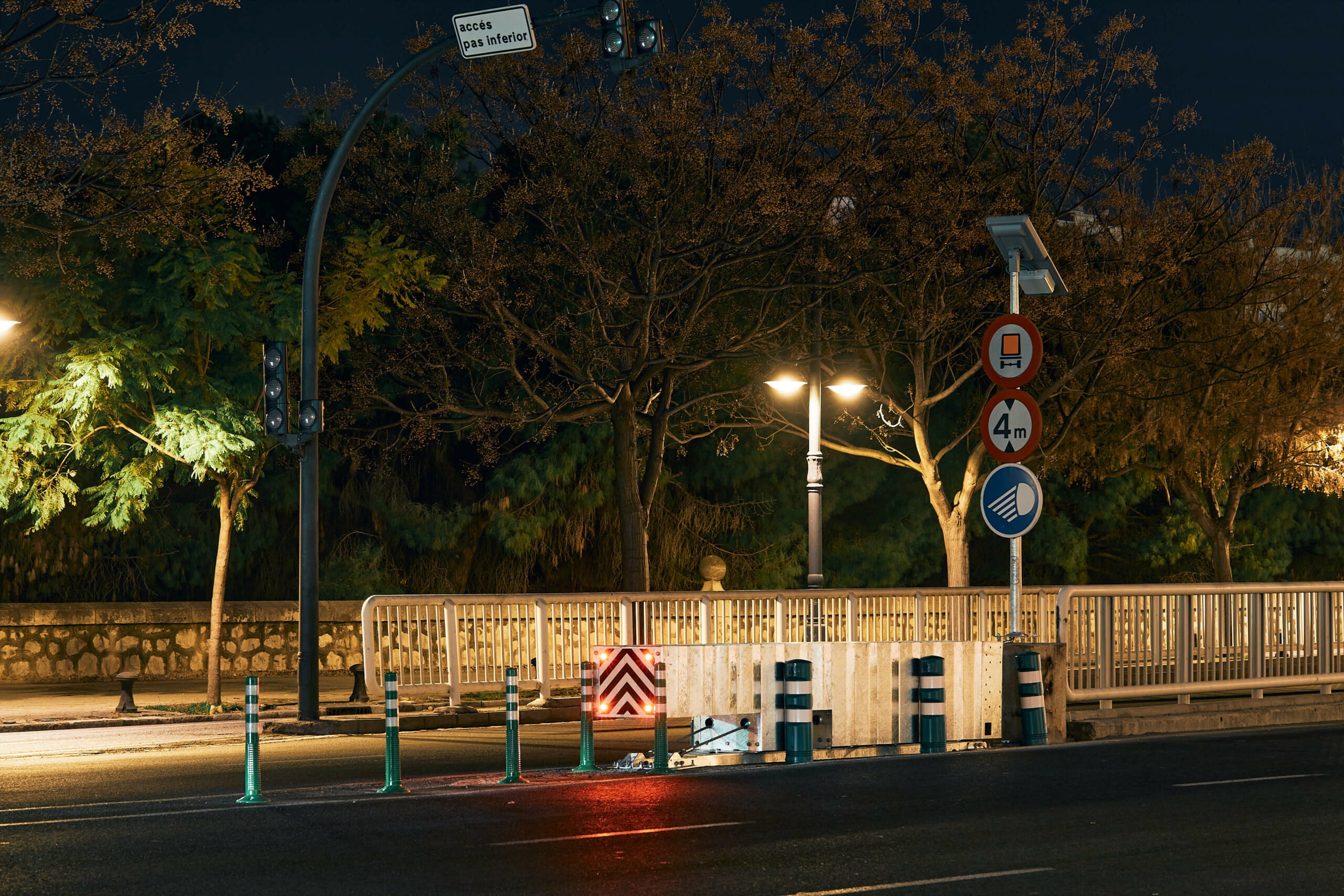
The system’s operation closes the safety cycle in three phases:
-
Detection and Signalling: Sensors detect the impact and activate integrated light beacons to alert oncoming drivers. Remote vertical signs located before the impact point can also be triggered.
-
IoT Transmission: The system sends an immediate geolocated alert via NB-IoT or 4G/5G networks to the control centre, DGT 3.0, or other data platforms.
-
Management: Emergency services and road operators receive real-time notification of the incident with the precise location of the impacted cushions, allowing for immediate deployment of traffic assistance and medical care.
Operational efficiency and maintenance
Beyond emergencies, digitalisation offers tangible economic advantages. Remote management allows for preventive maintenance based on the actual condition of the equipment.
It is estimated that remote monitoring can reduce operational maintenance costs by up to 20%. Instead of sending patrols to visually check the state of cushions on distant motorways, the manager knows at all times whether the device is operational or if it has suffered a minor impact requiring repair, thus optimising conservation resources.
Physical and digital safety
Metalesa’s strategy demonstrates that modern road safety is an inseparable pairing. On one hand, a cutting-edge physical structure—impact cushions certified under the UNE EN 1317-3 standard—and on the other, an IoT intelligence layer connecting infrastructure with managers. This integral approach not only protects vehicle occupants during a crash but ensures immediate care afterwards, defining the new standard for active road safety in the era of Smart Roads.

Related articles
The data generated by the road: Intelligence applied to road safety and maintenance
The road is no longer a passive and static infrastructure but has become a dynamic, information-generating environment. In the era of connected…
The Importance of Preventive Maintenance in Road Safety: Prolonging the lifespan of infrastructures
Transport infrastructure management has undergone a paradigm shift over the last decade. Faced with the need to optimise public budgets and guarantee…
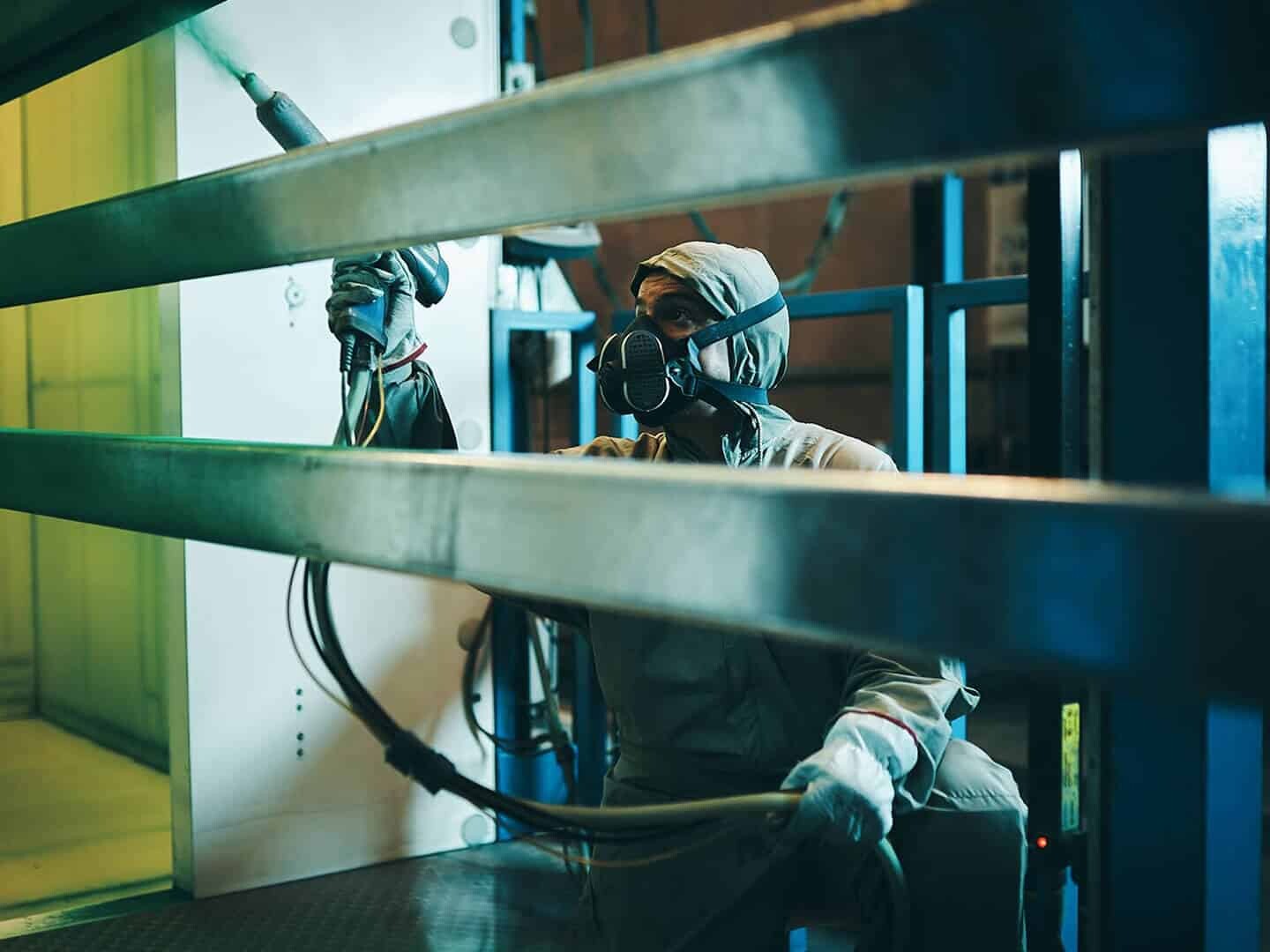
Hot-dip galvanizing: Durability of road safety equipment
Road safety depends on the structural integrity of its devices. From vehicle restraint systems (safety barriers, guardrails, impact attenuators,…