
What is UNE EN 1317 Standard?
At Metalesa we are very clear about our mission: to ensure the safety of what matters most to us; people. For this reason, we guarantee that our products comply with the established standards and regulations. Seriousness and professionalism is what defines us. Our parapets have been subjected to real tests in accredited laboratories based on the UNE EN 1317 standard.
¿What is UNE EN 1317 standard?
This standard was established on January 1, 2011 by the European Union, and certifies the quality and safety of vehicle containment systems. It is based on subjecting these systems, such as parapets or guardrails, to a test methodology following specific criteria valid for all Europe. Among many other things, the UNE EN 1317 standard harmonizes impact tests simulating real accidents involving vehicles, mannequins as drivers and the containment system itself. In this way, both the behaviour of the system and its impact for the drivers themselves are evaluated.
The configuration of each essay varies completely depending on the level of containment being tested. The type of vehicle involved, the impact speed or the angle of incidence are defined for each essay specifically. After the impact, the damages of the containment system, as well as the deck on which it has been anchored, and the impacto on the mannequins are evaluated. From this analysis the laboratory concludes a set of technical parameters that characterize the behaviour of the system. Main ones are dynamic deflection, working width, severity index and intrusion index.
What is it exactly a containment system?
A vehicle restraint system is a barrier that made of various materials and used to lessen the consequences of an accident on the road. Metallic ones have the advantage of absorbing a large part of the kinetic energy of the crash and facilitate the redirection of the vehicle's trajectory. For this reason, the severity of the impact is lower, thus demonstrating a great contribution to road safety. However, sometimes, the circumstances of the road require a concrete system with less absorption capacity and less deformation. In general, the occupants of the vehicle tend to be more affected. Based on the danger of the sections and on a history of accidents, it is the responsibility of national, regional or municipal public administrations to study and decide where to install or substitute vehicle containment systems.
Parameters to analyze looking at UNE EN 1317 standard
During real tests in an accredited laboratory the following set of parameters are analyzed.
Containment level
It indicates the ability of a SCV to withstand the impact load of a vehicle. The selection of the level of containment that a safety barrier must have proved to be installed on the margins of a road will depend on the risk of accidents, which in turn is defined by the speed of the road and the average intensity of heavy vehicles in each sense at the time of commissioning.
Impact severity
The impact of a vehicle against a SCV carries obvious risks for its occupants. The severity of these risks inside the passenger compartment is determined by the level of impact severity. This is calculated from the combination of the deceleration (ASI) and head impact (THIV) values.
Deformation of the system
The behaviour of a SCV is characterized by the transverse displacement of the device during impact. This is defined in the tests through the parameters of dynamic deflection (D), working width (W) and intrusion index (VI).
On our website we dedicate specific spaces to clarify any questions that may exist about the UNE 1317 standard.
In addition, in our frequently asked questions section on metal parapets we anticipate the queries that we typically receive from engineering or construction companies regarding the interpretation of the standard.
UNE EN 1317 standard applied to our products
Bridge Parapet
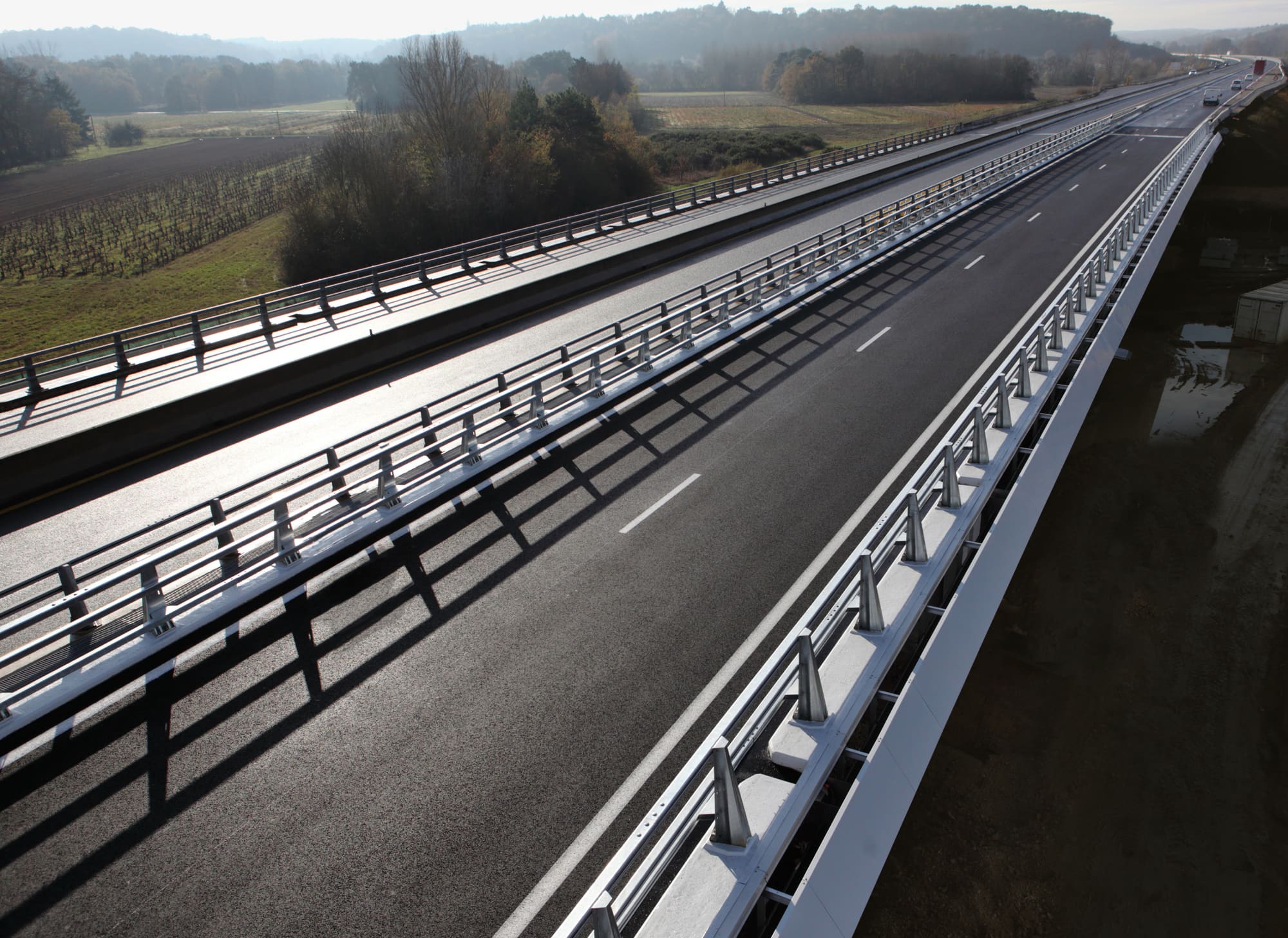
Our bridge parapets are metal security barriers that are installed in order to serve as vehicle restraint systems. We market many different models that have success under the appropriate tests to be able to certify the UNE EN 1317 standard, and therefore accredit the CE marking.
On our website you can see the videos of the tests carried out, for example, that of the META16 metal parapet of containment level H3.
We also design, develop and commercialize transitions between containment systems with NF marking after having successfully passed laboratory tests in accordance with the French standard NF 058. It must be taken into account that UNE EN 1317 lacks specificity to evaluate and accredit with CE marking transitions between parapets between each other, or between parapets and other types of barriers.
H2 and H3 parapets, urban and mixed parapets, guardrails ... Those are some of our products in our portfolio whose main purpose is to guarantee road safety.
Handrails and Fences
The handrails and fences that we manufacture and install accomplish high quality standards in order to offer the maximum possible protection both on the road and on urban areas. In addition, they are all subjected to a corrosion protection treatment.
As in the case of bridge parapets, railings and fences are also containment systems that are designed and calculated by our R & D and Structural Calculation departments following parameters set by European regulations. We have a wide variety of these products to accomplish customer demands:
Railings: Steel, stainless steel, with cable and with perforated sheet metal.
Fences: Metallic, anti-vandal and electro-welded.
Thus, it is evident that neither vehicle containment systems can be absent on our roads, nor a norm such as UNE EN 1317, in charge of regulating and guaranteeing their correct compliance. At Metalesa we take road safety very seriously from an efficient and innovative perspective, which leads us to continue growing and betting on the best.
Would you like more information about the UNE EN 1317 Standard and our road safety products? Do not hesitate to contact us.


Industry 4.0 and road safety
At Metalesa we are well aware of our great responsibility since looking after people security is our goal. Thus we keep a close eye to all technological updates and breakthroughs that may bring benefits to our sector. Industry 4.0 is a wave that need to be taken.
What is industry 4.0?
This concept is not new, and indeed it is becoming global social phenomenon. It refers to the addition of digital technology to all manufacturing processes to an extend that it is considered the fourth industry revolution. Now, a little bit of history.

FIRST INDUSTRIAL REVOLUTION
By the end of XVIIIth century, steam machine burst meant the beginning of the First Industrial Revolution. No doubt road safety sector faced new challenges with railway mechanization. But lot was lacking yet until today’s situation, this was only the launch of the industrialization.
SECOND INDUSTRIAL REVOLUTION
Second Industrial Revolution started around 1870. New energy sources like gas, petrol and electricity drove a great acceleration in all senses. Furthermore, it opened doors to internationalization.
THIRD INDUSTRIAL REVOLUTION
2006 is commonly considered as the beginning of the third phase of industrial growth. At that time, industry was pushed to the need of more renewable energy sources, which led to the will of directing all efforts to more sustainable objectives. TICs and automation played a key role.
FOURTH INDUSTRIAL REVOLUTION
No matter third revolution as starting to be protagonist, it was with fourth revolution when all capabilities started to bring together synergies. It is considered to be started around 2011 and the truth is that since then, technology has been pushing forward industry operations to a new level.
How does Industry 4.0 impacts on road safety?
The technology transformation power is unquestionable. It allows to simplify, accelerate and optimize all industrial processes, that’s why any road safety company that has not embraced yet this digital transformation will be left behind. This is not Metalesa’s case.
Our infrastructures
We have strategically adopted Industry 4.0 in all areas of our business: from employee security to communications or manufacturing digital software .
Bridge barriers and cornices
Contention systems that have been tested with real crash essays. Furthermore, its materials are exposed to anticorrosive treatments.
Regarding cornices, in Metalesa we innovate each day with designs that allow to host either canalizations with water, gas, electricity or telecommunication supplies.
Noise barriers and panels
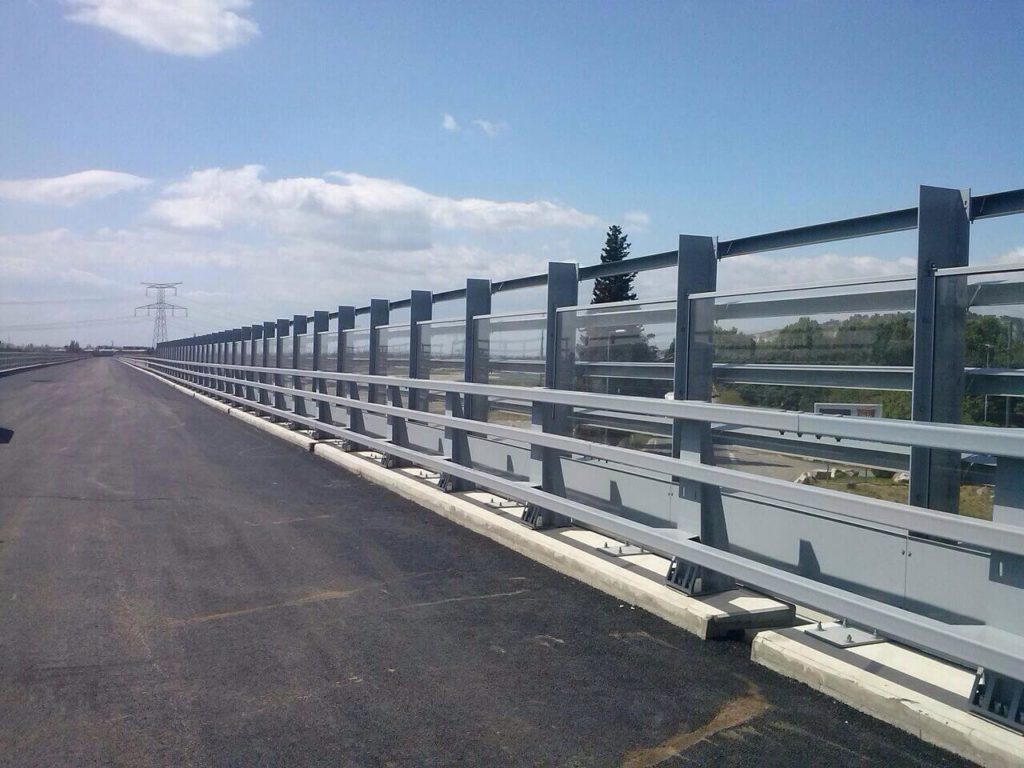
We manufacture noise barriers of a number of different materials, from steel, aluminium or methacrylate to fight noise pollution to bird anti-collision, to even some “vegetable” that can be integrated in an environmental friendly way. In Metalesa we provide the most suitable option for any project or need; security, noise isolation and aesthetics can go hand-in-hand.
Handrails and Fences
These handrails can be installed either in railway infrastructures or over bridges and viaducts. Hence, we adapt to any type of structure and with a wide variety of materials. Following high quality standards, our handrails are exposed to anticorrosive treatments with three possible finishes: hot-dip galvanized, thermo-lacquered or both combined at the same time.
Our engineers optimize anchoring systems with breaking-edge calculation technology so that best results are achieved in handrail installation and performance.
Of course, looking after the people in charge of our processes and equipment is one of our priorities. We have always extrapolated our concern for road safety to our people’s security,
Equipment for railway and tunnel infrastructures
Spanish railway network has been counting on Metalesa’s products and experience for a lot of years. We provide wide experience in manufacturing, supplying and installing metallic equipment for overpasses like ADIF and SNCF fences or handrails, fences for train stations or stopping places, protection for electric cables, or combined systems.
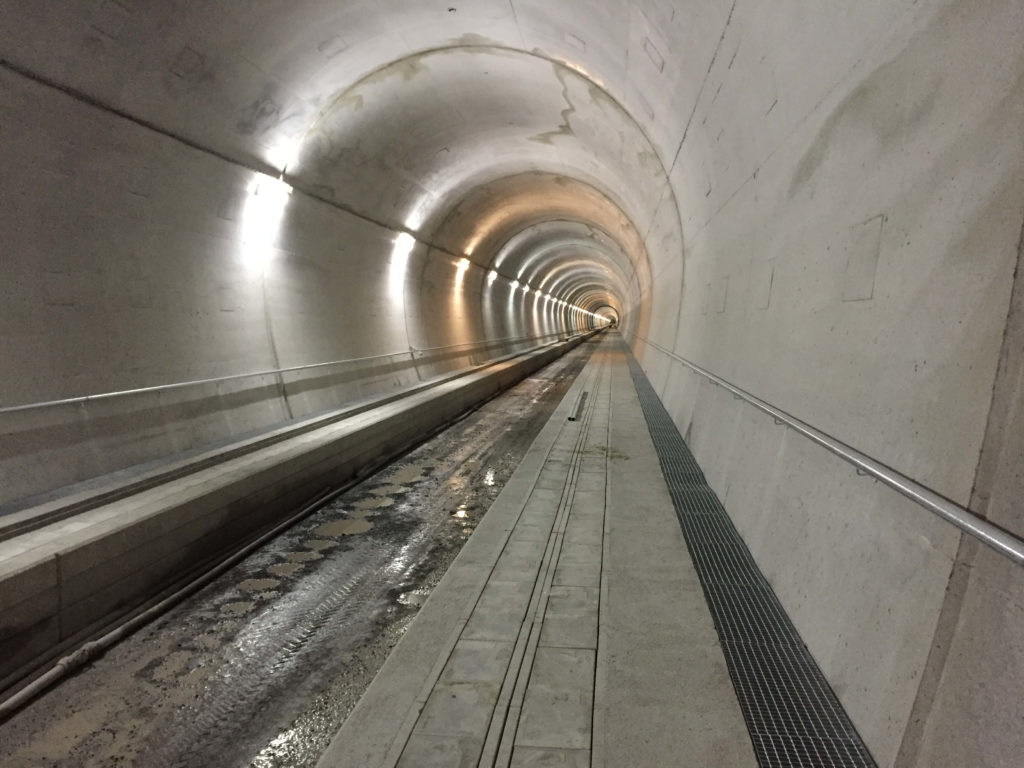
Technology is all around our manufacturing and installing processes, and believe in its advantages. Our vision inspires us to keep on implementing our technological capabilities to be at the front line of industry 4.0. Staying behind is not an option for Metalesa when it comes to innovation.
Should you require our services, don’t hesitate to contact us, all road and urban infrastructures are possible with Metalesa.
METALESA is an INNOVATIVE SME
METALESA has received recognition from the Ministry of Science, Innovation and Universities for its continuous effort in R&D with the INNOVATIVE SME stamp.
Our company has a long history of innovation, evidenced in a modern and dynamic catalogue of products and services. Every year, our team develops new ideas and brings them to the market in line with our mission to provide society with safe and high quality products.
This effort is being rewarded annually with the attainment of Reasoned Reports issued by the Ministry of Economy and Competitiveness, which shows real investment in technologically advanced and challenging projects that position us as a leading company in Europe.
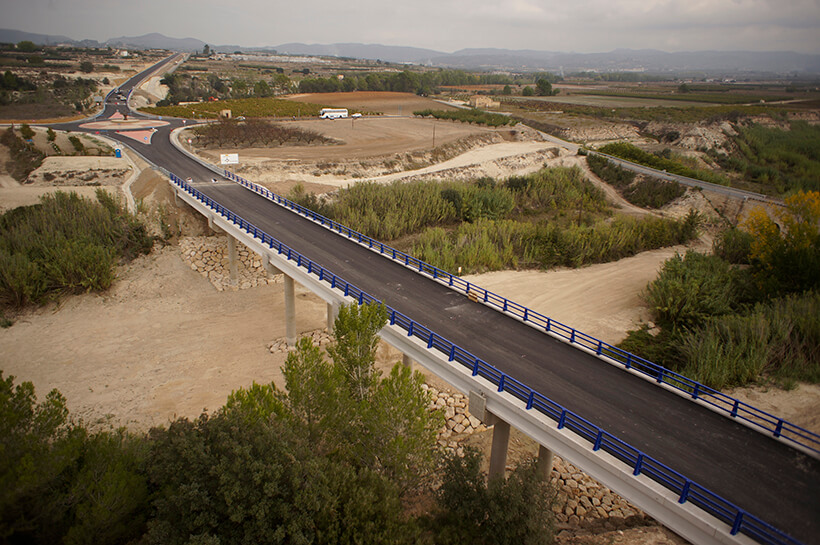
The opening of the Pobla del Duc relief road avoids dangerous routes
METALESA has contributed to improving the safety of the new road that runs parallel to the current CV-611 through the municipal areas of Benigànim, Quatretonda and La Pobla del Duc.
The company took part in this project reconciling one of its main objectives: improving road traffic safety by installing 420m of META13 metal parapets (H2 containment level, a great option among metal parapets), on two bridges of similar characteristics on the Torrella and Forcall ravines with total lengths of 110 and 100 metres respectively. This solved the problem of accessibility and functionality and at the same time provided a greater level of comfort, avoiding dangerous bends for drivers, improving plan and elevation, and reducing travel time.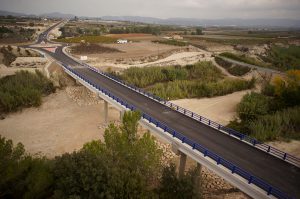
Another goal was to increase the cross section of the road bed, which facilitates vehicle traffic, and improves the bearing capacity of the road, to achieve a more comfortable journey. It also sought to improve signalling and beacons, longitudinal and transverse drainage infrastructure and its integration into the landscape of the environment.
The work covered the section of 3,179 metres from the existing roundabout on the outskirts of the centre of Benigànim, at PK 4+250, to the roundabout that intersects the CV-611 of the railway station road.
The road has two lanes, one for each direction, a width of 3.5 metres, 1.5 metre hard shoulders on both sides, berms of 0.5 metres and traditional or safety ditches on the side of the clearing.
Keep an eye on our blog to keep up to date with all METALESA’s projects and breakthroughs.
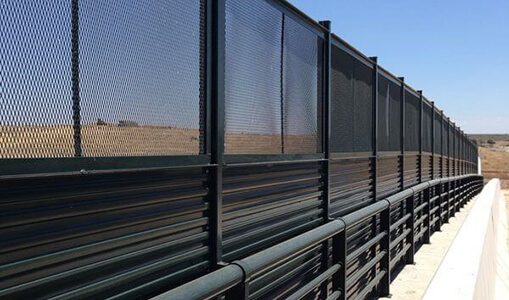
METALESA installs 3km of META16 parapet on viaducts on the A-23
In June 2018, METALESA completed the installation of its META16 parapet with H3 containment level on all the viaducts of the Caldearena-Lanave section of the A-23 between Huesca and Sabiñánigo. In this section, the parapet is concentrated on several overpasses and some landmark viaducts such as Fontanal and the river Guarga.
This project considerable improves road safety as it is a split before the fork of the motorway to bypass the port of Monrepós. Its design also preserves a space of great ecological value in line with the Ministry of Development’s environmental study.
Read more about this news in Heraldo (in Spanish).
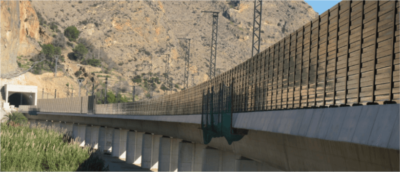
Completion of work on the high-speed track line for the San Isidro-Orihuela section (Alicante)
In March 2016 METALESA completed the supply and assembly work on the San Isidro-Orihuela section (Alicante) of the High-Speed Line (AVE). Once again, METALESA successfully completes its work on a landmark project to roll out railway infrastructure in Spain, guaranteeing the use of the best safety equipment.
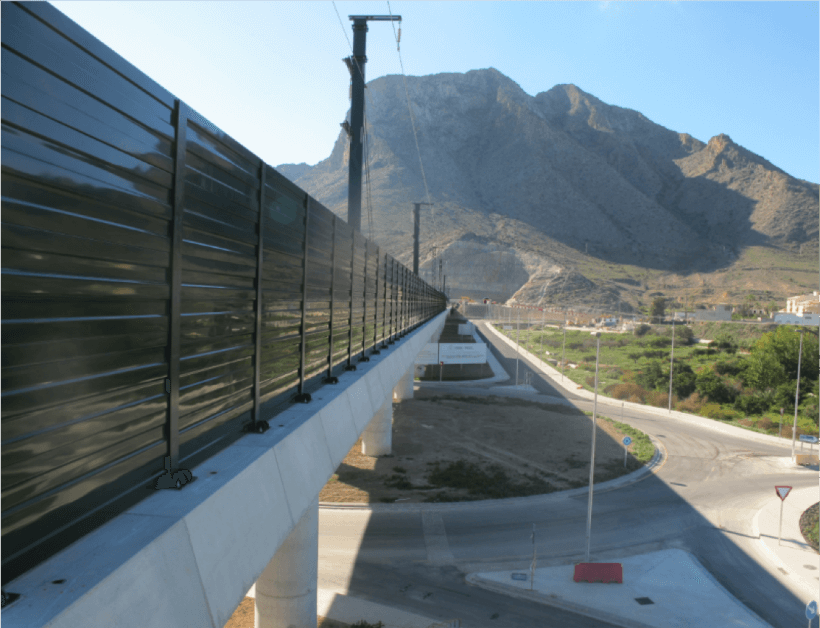
The elements and distances covered were:
7,200m2 of acoustic screens in viaducts
6,000m of handrails in tunnels
500m of guardrails
300m of vandal-proof fencing
500m of enclosures in the new Callosa de Segura station
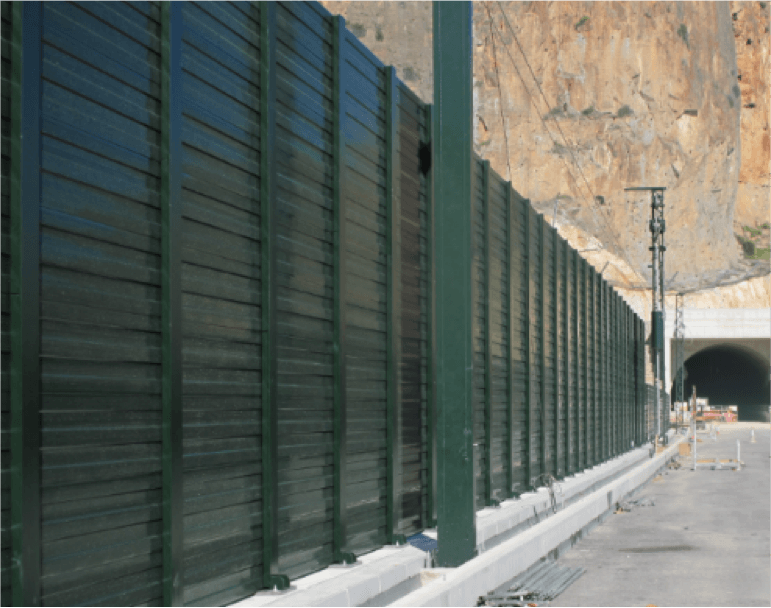
This section, 9.6 kilometres in length, is part of the High Speed Line Madrid - Castilla La Mancha - Valencian Community - Region of Murcia, and runs through the municipal areas of San Isidro, Granja de Rocamora, Cox, Callosa de Segura, Redován and Orihuela.
This stretch is part of the route between Monforte del Cid (Alicante) and Murcia, 64.7 kilometres long, and whose contract has already been awarded and is in the execution phase.
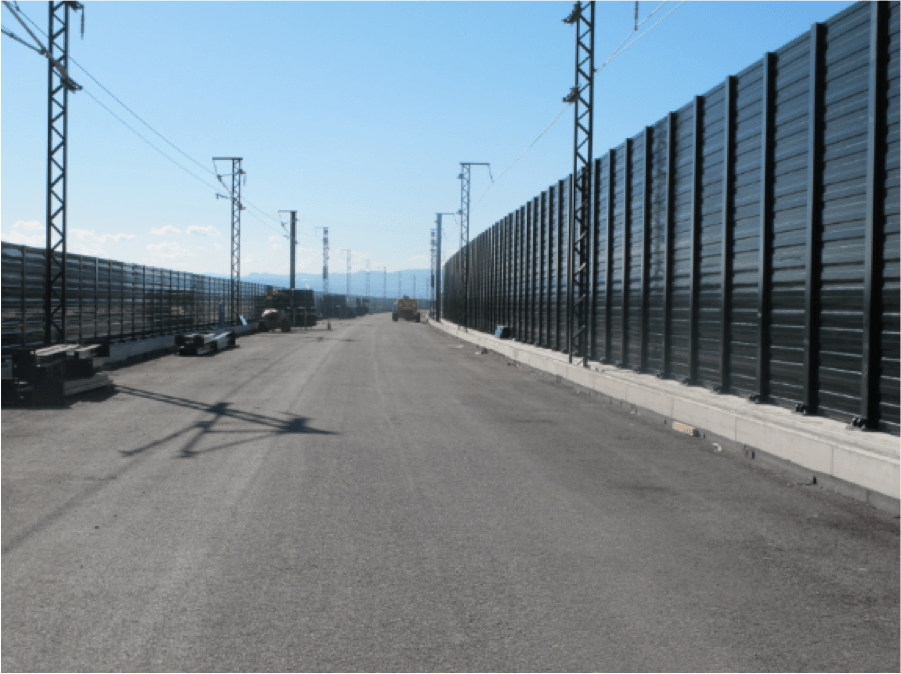
From the point of view of efficiency and maximum use of new infrastructure, it is important to note that the new service from Monforte del Cid - Murcia will consist of double standard-gauge track, which will allow commuter services to connect with Alicante, Elche, Orihuela and Murcia.
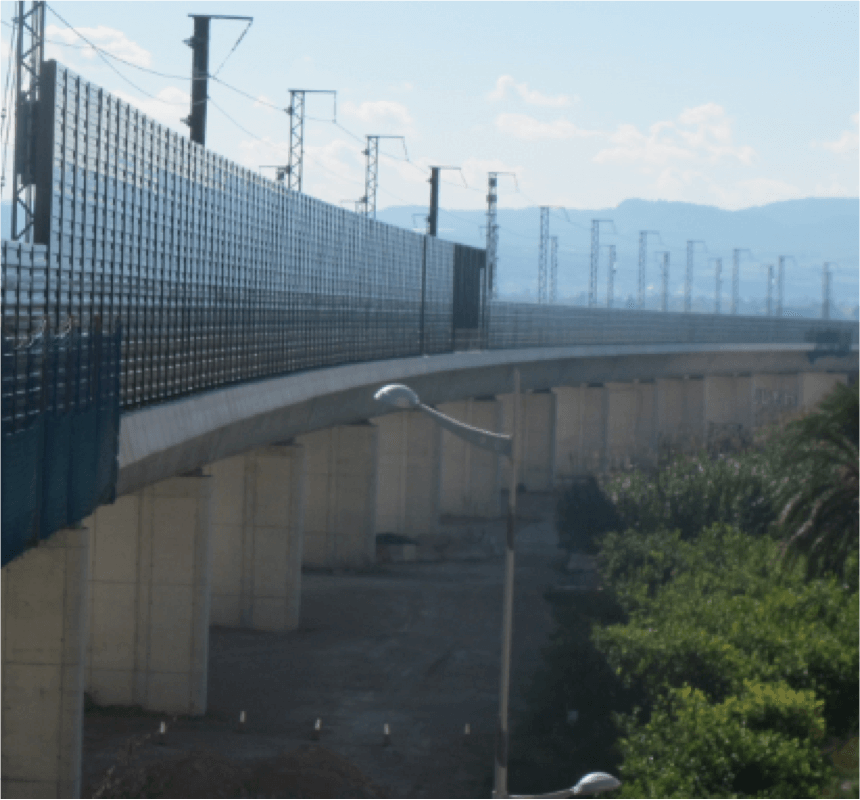
When all these sections are finished, the hourney times by train between Madrid and Elche, and between Madrid and Murcia, will reduce to 2 hours and 10 minutes, and to 2 hours and 25 minutes, about 30% of the time of going by road.
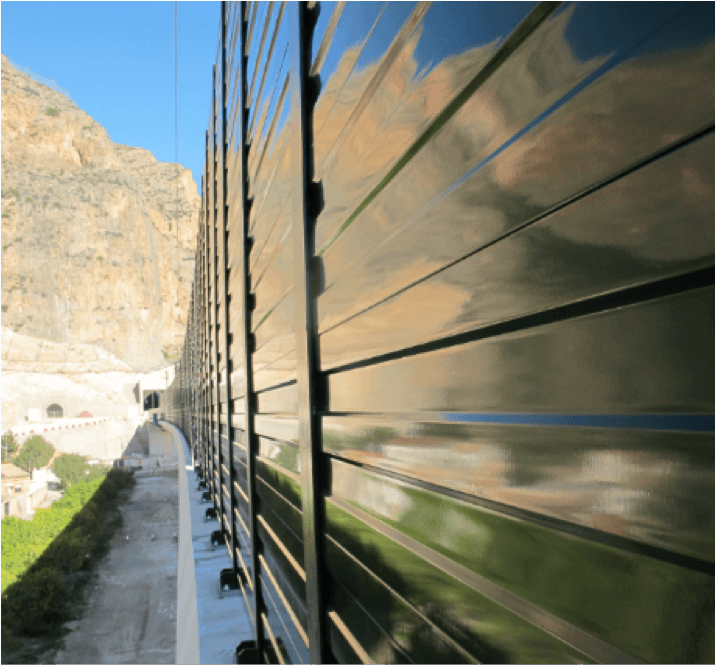
METALESA continues to offer a quality product in the general interest of Spanish and European citizens, as well as the talent of its team of professionals. Metalesa makes the best road safety equipment available and is firmly committed to continue developing the Spanish and European railway infrastructure network to reduce journey times

METALESA installs its urban parapet in one of the underpasses with a high accident rate in Valencia
In December 2018, METALESA concluded the installation of 800 metres of urban parapet for the Bulevar Sur underpass in front of La Fe. Its objective is to prevent cars crossing the median strip and ending up in the opposite direction, which causes many of the serious accidents that occur at that point.
This median strip is part of the short-term actions to improve road traffic safety, part of 'Improving the urban road network and calming city traffic' strategic approach of the City's Road Safety Master Plan. The Road Safety Master Plan for 2018-2023 is the first prepared by the Valencia City Council and in line with the European Commission’s objective to cut the total number of fatalities on European Union roads in half by 2020 and following the principles of 'Vision Zero', a multinational road safety project that seeks traffic systems without deaths or serious injuries.
Learn more about the project in this news article published in Las Provincias (in Spanish).
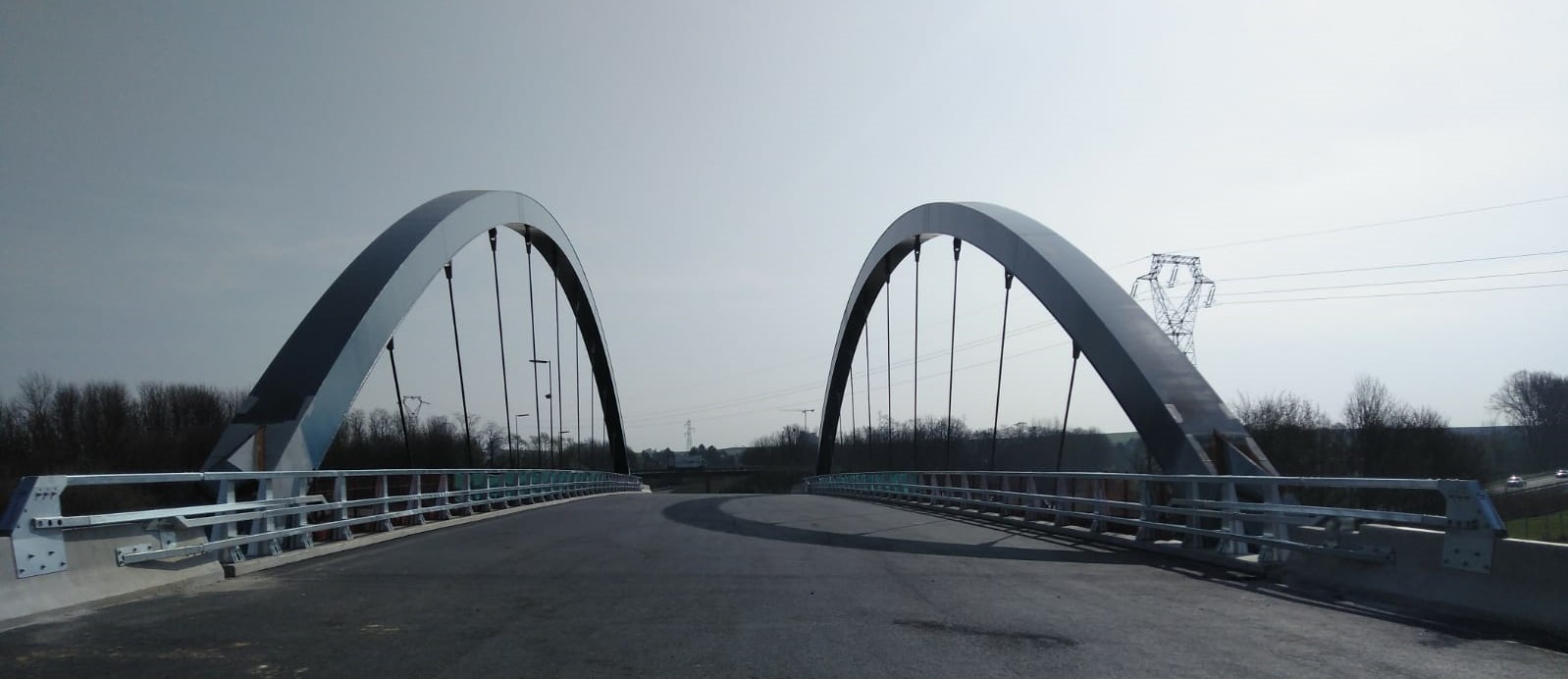
The demand for Transitions between META13/16 parapets and concrete barriers continues to grow
METALESA has completed the work to manufacture and assemble vehicle containment systems designed for the viaduct on the Aix-Noulette route in France. In addition to the 170 metres of META13 metal parapet with an H3 containment level, four transition units from META16 to concrete barrier were installed, a product unique in that it underwent full-scale testing done by a Spanish road safety company.
This product is the result of METALESA’s commitment over many years to solve one of the main black spots of European roads, the connections between systems with different containment levels. The company has been working on other solutions for years to cover the widest possible range of transitions.
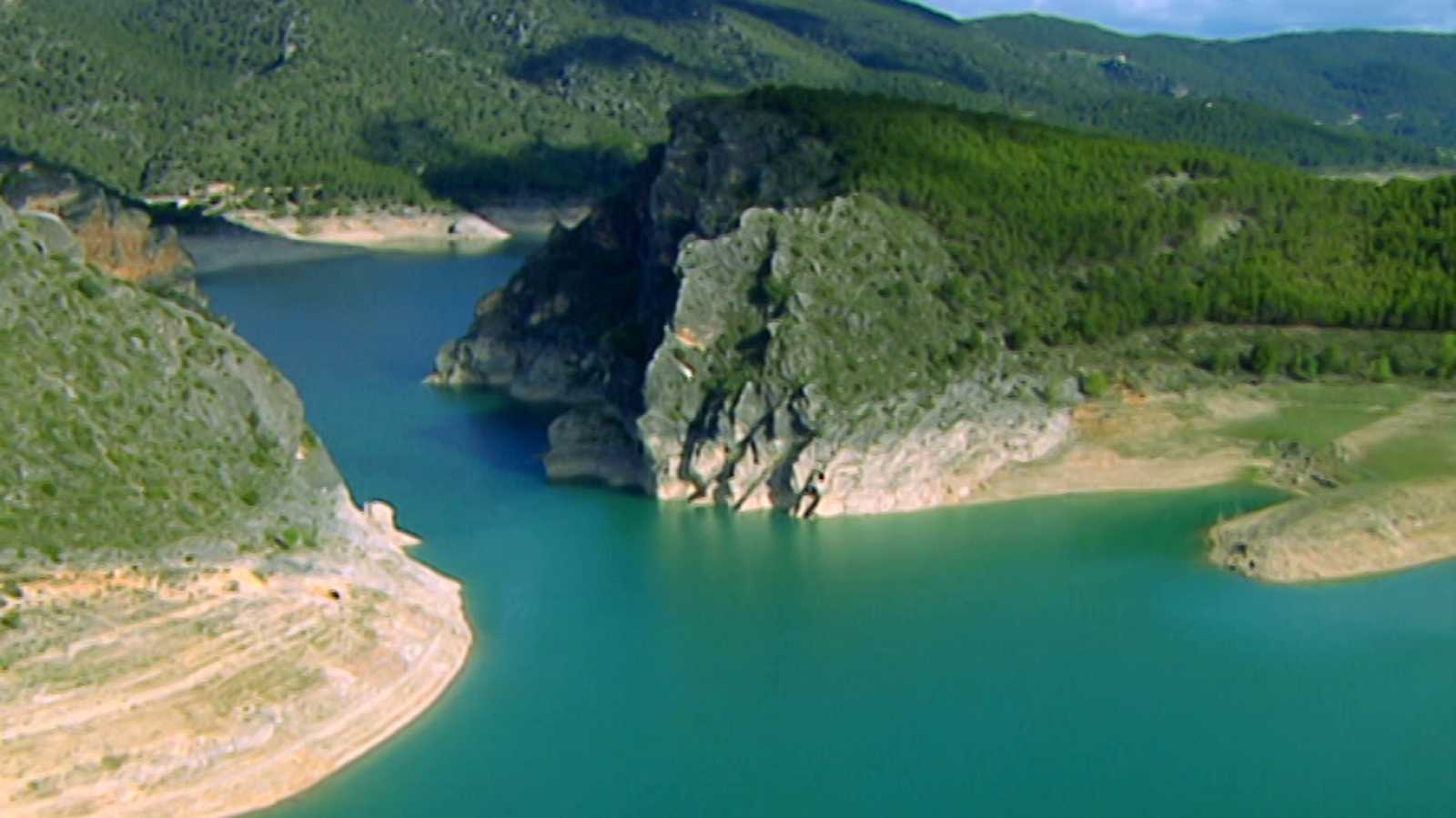
METALESA completes the viaduct over the Tajo river of the Madrid-Extremadura high-speed line
In April 2019, METALESA completed work on the Cañaveral-Alcántara Reservoir section of the construction project of the Madrid-Extremadura high-speed line between Tayuela and Cáceres.
This section includes a 1,488 metre long viaduct on the river Tagus, with a signature 324 metre central arch span. At the same time, two bridges have been projected, 162 metres on the Regato de Cuervo and on the 114 metres on the Roman road Vía de la Plata.
https://www.youtube.com/watch?v=pi-UzgrTcfA
METALESA has been responsible for manufacturing and installing all the metal equipment for this section, specifically more than 3,000 metres of bird protection screens, 636 metres of ADIF railings, 226 metres of ADIF vandal-proof fencing and 180 metres of our META16 parapet with H3 containment level for overpasses.
With this project, METALESA further consolidates its position as a leading company in the roll out of the national high-speed network, in which it has been actively involved for many years, through many recent projects in the Basque Y and the Madrid-Galicia line.
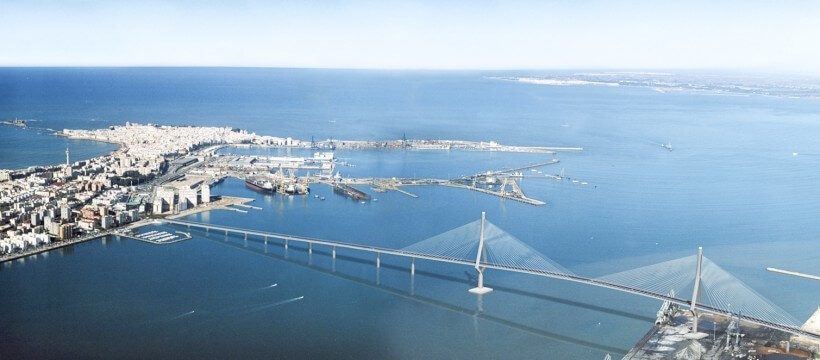
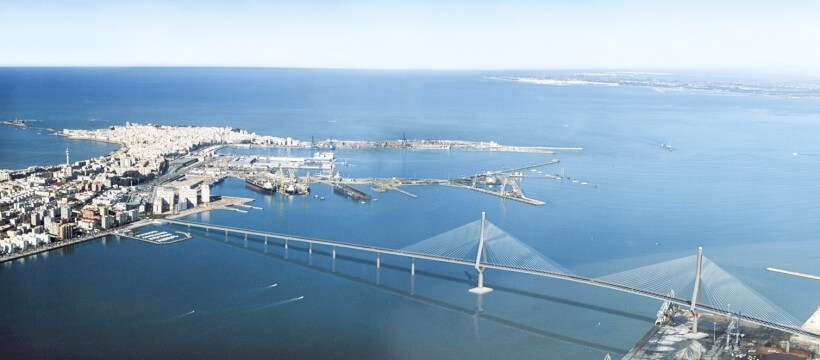
Metalesa will be present in flagship project over Cadiz bay
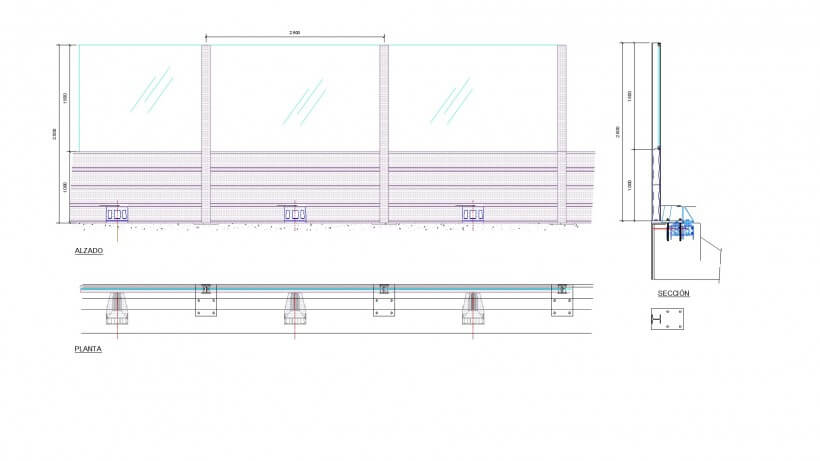
METALESA SV has been awarded 1.250 m2 of noise walls 2.5 m high, of which the first meters is metallic sheet and the rest is methacrylate. This panels will be placed in the section of River San Pedro Industrial Park, reducing the noise from car traffic crossing the new bridge.
Following this awarding, METALESA SV becomes a part of the companies participating in this emblematic project, aimed at improving the access to the city center and improving road communication of the Bay area, contributing to the economic and social development of the city of Cadiz and its port.
The Second Bridge is the most important infrastructure currently under construction in the whole of the European continent. It is the cable-stayed bridge with longest span in the world, overpassing Tianxingzhou Bridge in China (504 meters) and Oresund Bridge that unites Sweden and Denmark (409 meters).