Every summer the same picture repeats itself: motorways to the coast fill up while the streets of big cities empty. The school year ends, many residents go on holiday and daily travel falls.

For public authorities, this shift opens a window that does not come round again for the rest of the year. July is the month when they can carry out heavy maintenance, reconfigure access routes and replace obsolete equipment without bringing the city to a standstill.

What happens to urban traffic in July

Madrid’s data shows it clearly. According to the City Council’s monthly traffic report, in July 2024 average weekday traffic at its permanent counting stations was 8.3% lower than in June. Between the second ring road and the M-30, the fall reached almost 11%.

The drop is not limited to the city itself. According to Madrid Regional Transport Consortium figures reported in the press, daily journeys into the capital fall by 15% to 20% in summer.

Fewer vehicles means something very specific for anyone managing a road: a lane can be closed, traffic diverted or night work carried out with far less disruption than in any other month.

Authorities are already making use of it

Spain’s big cities concentrate a large share of their street works in the summer:

  • Madrid. The 2025 Operación Asfalto resurfaced 256 streets across all 21 districts between June and August, with an investment of €12.2 million. The City Council schedules it in the months with the least traffic and school activity.
  • Valencia. In 2026, the resurfacing of Gran Vía Marqués del Túria, more than 22,000 m² of carriageway, began as soon as the school year ended “to minimise disruption”. Milling and surfacing take place at night from late July, with completion planned for late August.
  • Barcelona. In summer 2024, the city scheduled seven paving projects to renew up to 100,000 m² before the return to the usual routine.
  • Access roads. In summer 2026, pavement rehabilitation works on the M-50, A-4, A-5 and A-6 began on 6 July and run until late August to take advantage of lower traffic levels.

Why July is the decisive month

The examples follow the same pattern: works start when the school year ends, in late June or July, and must be finished before September, when traffic returns to its usual level. July is the month when most of the work is carried out.

That makes the schedule critical. A project that does not start on time in July is unlikely to make up the delay in August and risks running into the start of the school year, precisely when a road closure causes the most disruption.

Which works fit the July window

It is not only about resurfacing. The summer window is the time for work that requires closures and would be unworkable in a normal season:

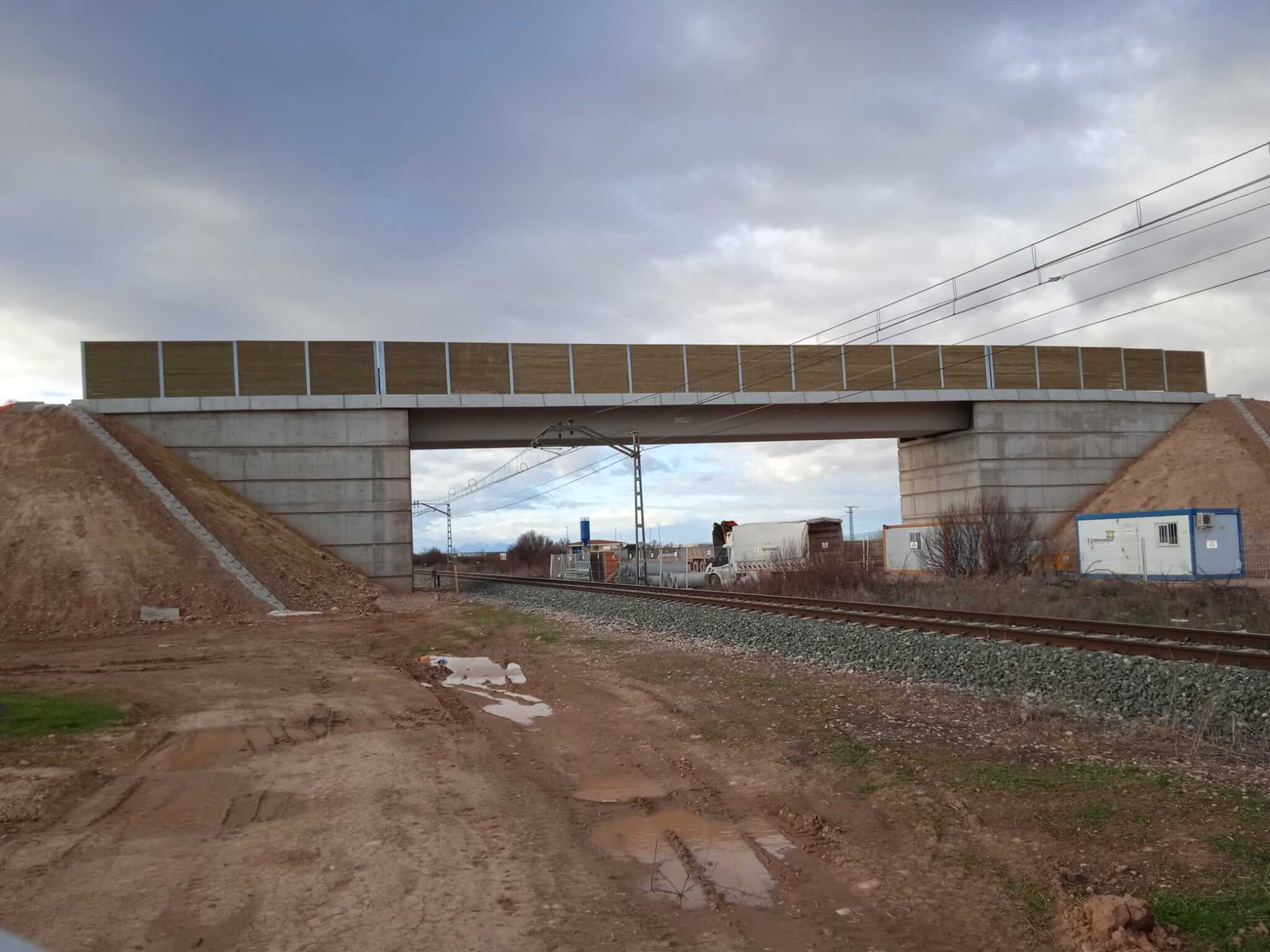
  • Heavy maintenance: pavement rehabilitation and structural repairs to bridges, overpasses and access roads.
  • Reconfiguration of access routes: lane changes, new roundabouts, cycle lanes or redesigned junctions.
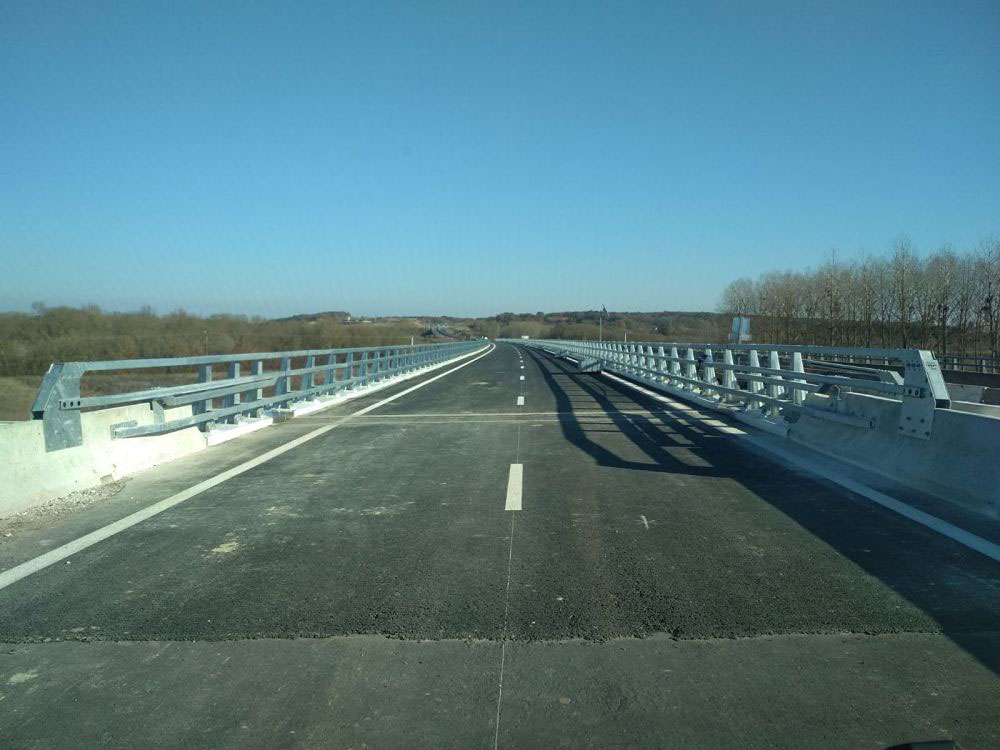
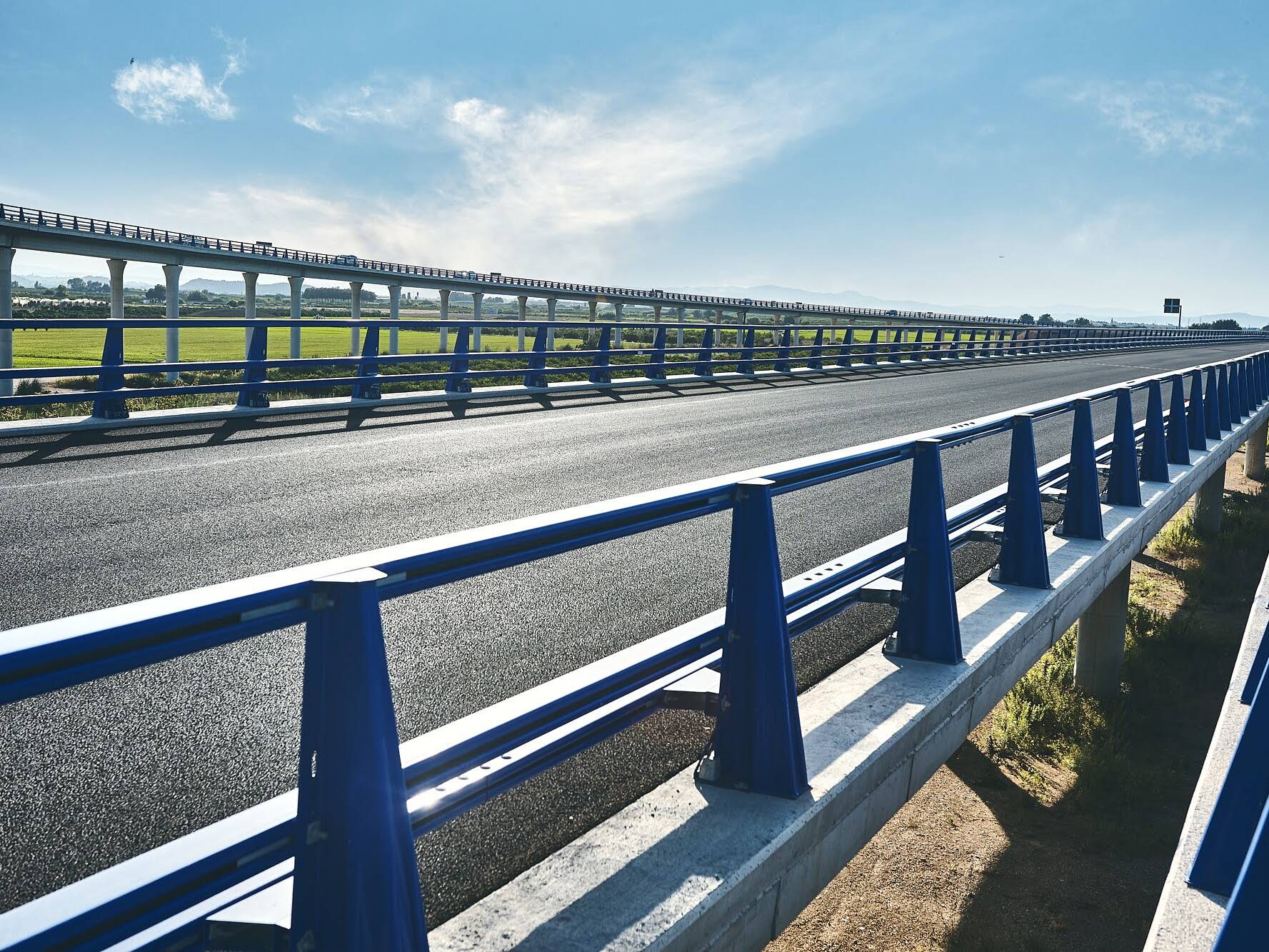
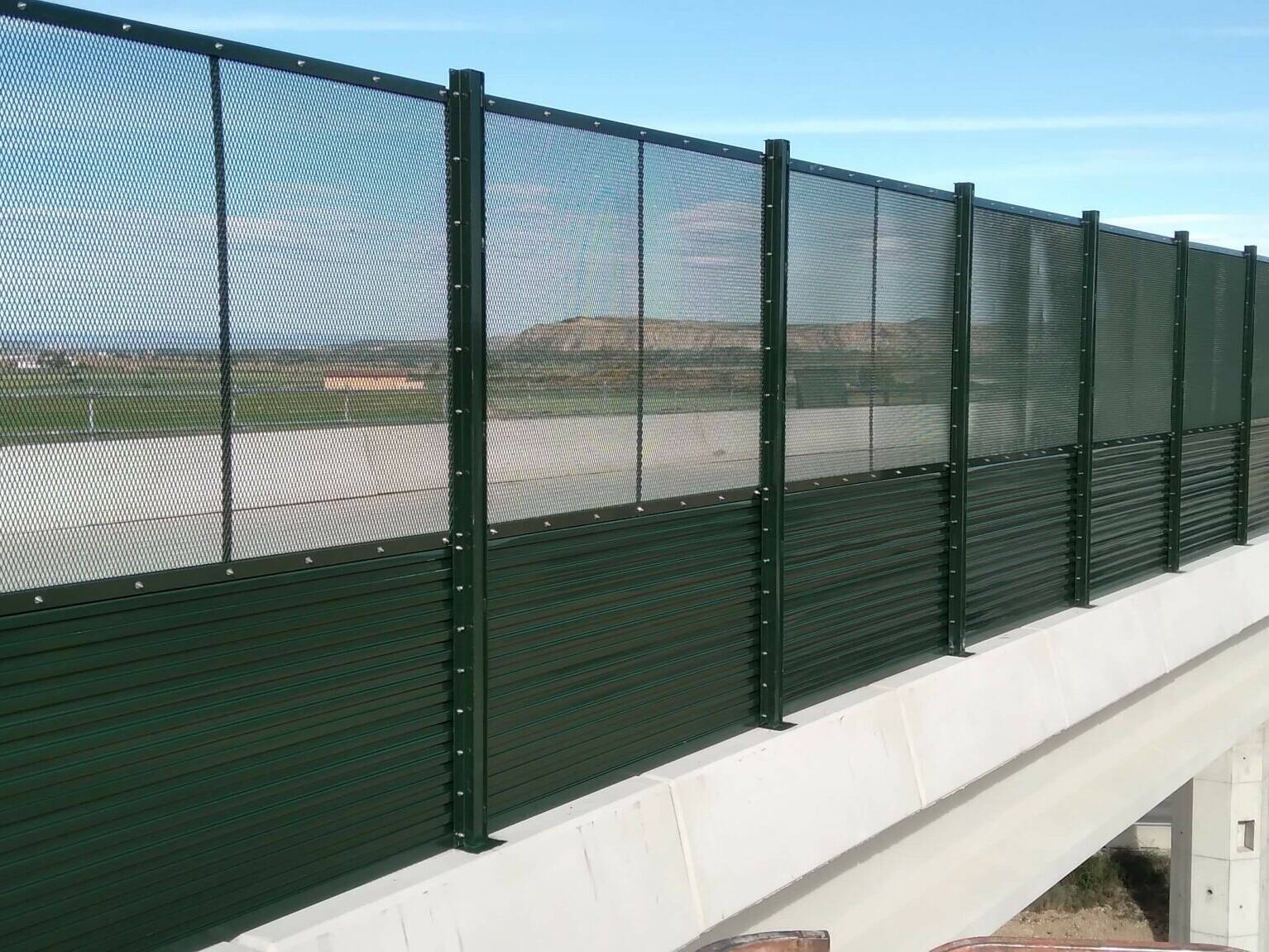
  • Replacement of obsolete equipment: road and urban railings, bollards, restraint systems such as the Metaurban® steel parapet or noise barriers.

Replacing urban road safety equipment during the main works avoids closing the street again months later. It is also a way to reduce the maintenance backlog without multiplying the disruption for residents.

The key: reaching July with everything ready

The window is short and leaves no room for improvisation. To make the most of it, the work starts months earlier:

  1. Inventory and assessment. Know which elements need replacing and what condition they are in. A good preventive maintenance plan makes it possible to decide this in advance.
  2. Design and procurement completed before the summer. If the contract is awarded in July, the window is already closing.
  3. Materials manufactured and on site before work starts. Made-to-measure equipment needs manufacturing time. Waiting until the works begin to order it means losing days of the window.
  4. Closures planned in phases and shifts. Coordinating night work and diversions with the traffic authority allows progress without blocking access routes.
  5. Fast installation. Working with a supplier that both manufactures and installs reduces coordination points and the risk of delays.

July is not just another month in a city’s works calendar. It is the period when traffic falls enough to work on access routes without gridlock, and the one that determines whether a project will be finished before September.

Making the most of it depends on what has been prepared beforehand: assessment, design, procurement and materials ready to start as soon as the window opens.

At Metalesa we manufacture and install urban road safety equipment and help you plan its replacement so that it arrives on time. Find out about our services or ask our technical team.