




Road maintenance is a fundamental pillar for ensuring mobility and user safety. However, the sector faces a structural challenge: managing assets that, due to an accumulated investment backlog, require immediate intervention.
Beyond theoretical debates, the operational reality shows that current management must focus on correcting incidents to ensure infrastructure quality. According to the recent Audit by the AEC (Spanish Road Association), the deterioration of functional elements forces a prioritisation of asset repair and replacement to guarantee functionality and extend the product lifecycle.
Below, we analyse the current state of the network and how technology and compliance with road safety regulations are key to recovery.
Table of Contents
Toggle1. Situation analysis: Impact on road maintenance costs
Technical data reveals a complex scenario. The investment deficit has led to the accelerated ageing of deployed equipment. From a technical perspective, this implies that a large part of the infrastructure has exceeded its optimal service life and cannot be expected to operate with the foreseen performance levels.
Sector studies indicate that postponing corrective intervention multiplies future costs and affects road sustainability. A road without adequate asphalt is not only unsafe but also increases vehicle fuel consumption, raising the infrastructure’s carbon footprint. A road with defective road markings and deteriorated vertical signage harms road safety. A road whose restraint systems are obsolete and in poor condition is less prepared to be a “forgiving road”.
2. The foundation of efficient management: Inventory and road inspection
In an environment of limited resources, a comprehensive inventory is indispensable. It is not viable to plan without precise knowledge of the installed reality. The trend towards Smart Roads begins by digitising the basics:
-
Georeferencing: Exact location of each asset.
-
Diagnosis: Classifying elements according to their degree of deterioration.
-
Data: Utilising road Big Data to prioritise actions based on technical risk.
3. Critical areas for technical intervention
Safety depends on the correct interaction of all elements. The deficiencies detected require specific actions in four main blocks, always complying with road product certification:
3.1. Pavements and road surfacing The road surface is the element most exposed to wear. A degraded pavement reduces skid resistance and increases the risk of accidents. Its repair is a priority to restore safety and transport efficiency.
3.2. Vertical signage and active road safety Signage has a limited service life. Compliance with night-time visibility regulations is critical. Replacement must ensure the required levels of retroreflectivity, guaranteeing that signs are visible and legible in any condition, acting as true active infrastructure.
3.3. Road markings (horizontal signage) Road markings are fundamental for the human driver, especially on regional roads where there are often more bends and a lack of hard shoulders, vertical signage, or public lighting. Furthermore, even on high-intensity roads, they are fundamental for connected mobility. Driver assistance systems (ADAS) depend on well-painted and maintained lines to operate correctly.
3.4. Safety barriers and advanced restraint systems This is one of the most critical points. The current stock of metal barriers and guardrails presents significant challenges related to obsolescence, lack of performance, protection against corrosion, and damage from previous impacts. In this regard, and to guarantee safety, it is imperative that any replacement or new installation strictly complies with the EN 1317 standard. This implies using restraint devices that have passed the corresponding impact test, ensuring that their dynamic behaviour (working width and containment level) is appropriate for the type of road. Additionally, it is fundamental to consider the durability of metal structures through treatments such as galvanising to withstand weathering.
4. Technology and road sensorisation
The industry is advancing towards predictive maintenance solutions, such as the use of computer vision technologies (whether on-board a vehicle or from the air with drones) or LiDAR. These allow for road inspection at traffic speed, digitising the condition of equipment at very high speed, with maximum precision, and without risk to operatives.
These tools allow administrations to evolve towards more optimised asset and maintenance management, based on data and real-world diagnosis of deployed equipment, optimising every euro invested in road recovery.
Improving road safety requires facing the maintenance backlog with courage and new tools, ensuring that every euro invested is useful. Only in this way will it be possible to return the infrastructure to the quality standards that current mobility demands.

Engineer with experience in technological innovation applied to urban infrastructure and connected solutions, specializing in the digitization of systems for smart urban environments. Expert in leading digital transformation projects, integrating emerging technologies, and promoting smart city initiatives that improve the efficiency, safety, and sustainability of public spaces.
Related articles
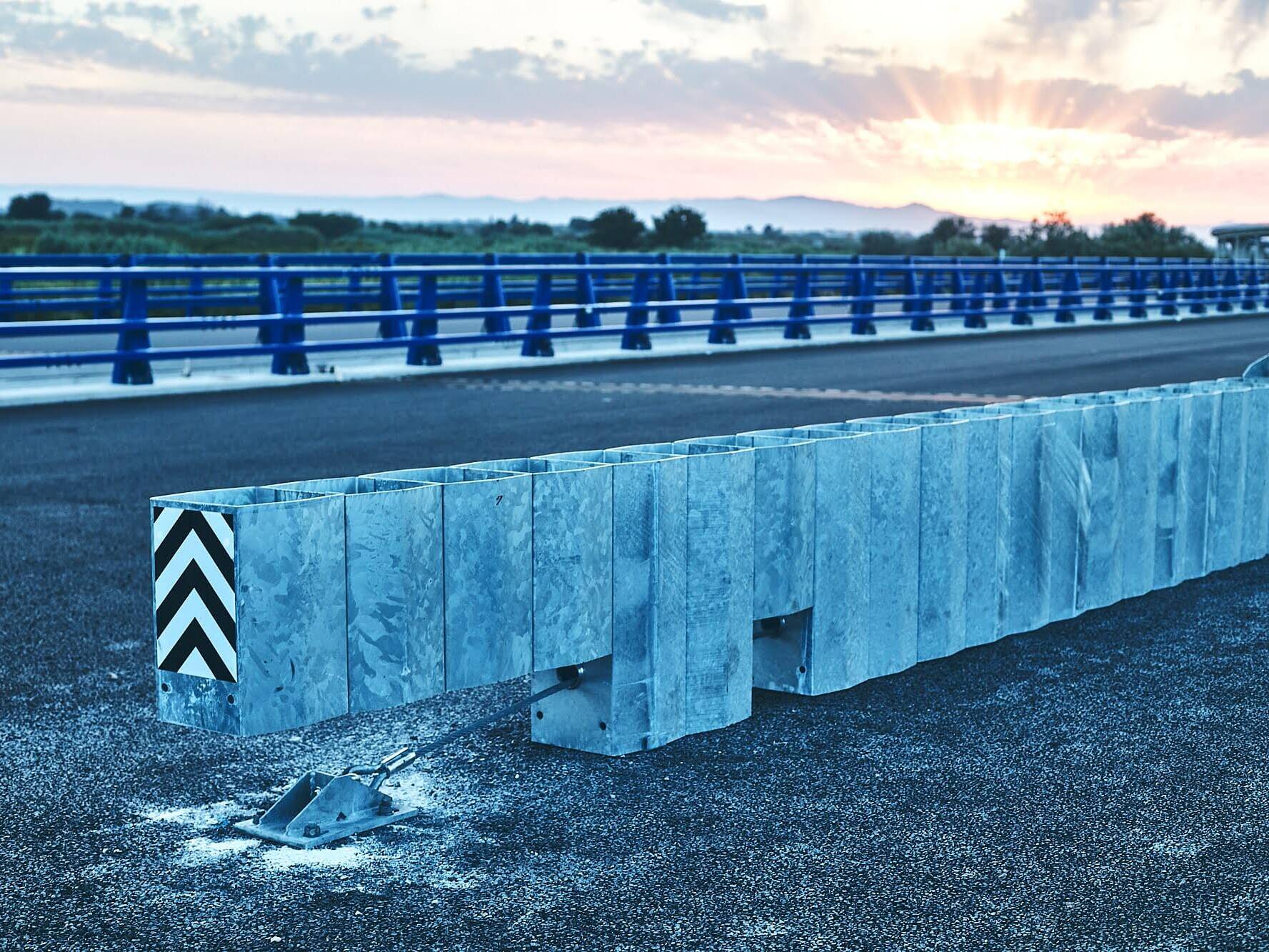
Connected Crash Cushions: The next step towards the Smart Road
The evolution towards connected mobility is transforming the landscape of our roads. Passive safety elements, traditionally static, are giving way to…
Fall protection: Road and urban railing, fencing and enclosures for height safety in public spaces
When we talk about infrastructure safety, the focus is often exclusively on the road. However, pedestrian safety in public spaces, stadiums,…

The data generated by the road: Intelligence applied to road safety and maintenance
The road is no longer a passive and static infrastructure but has become a dynamic, information-generating environment. In the era of connected…
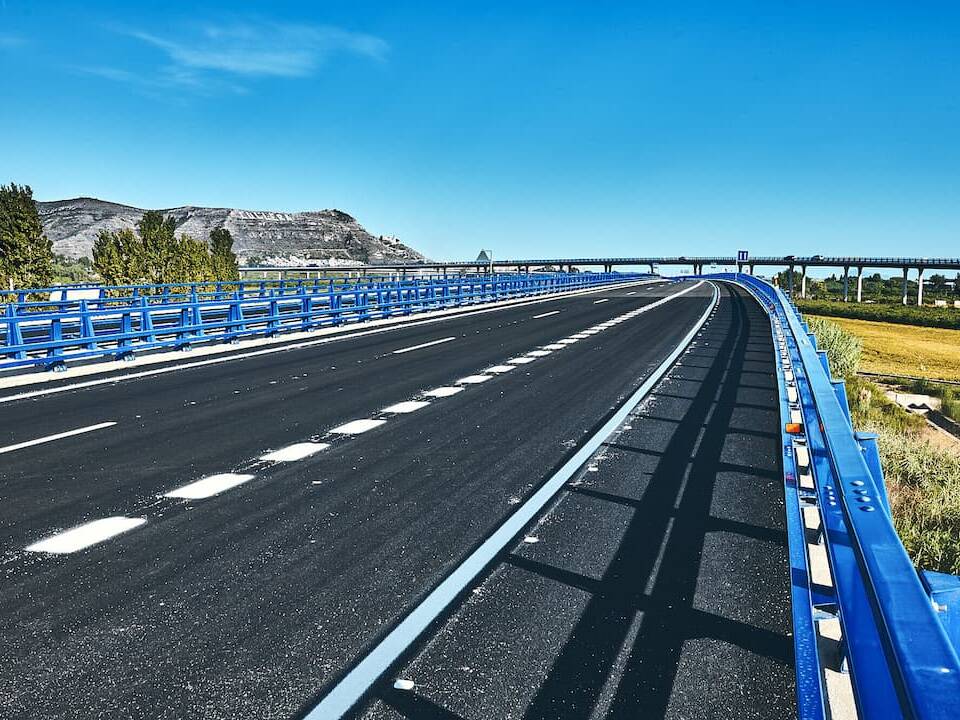
The Importance of Preventive Maintenance in Road Safety: Prolonging the lifespan of infrastructures
Transport infrastructure management has undergone a paradigm shift over the last decade. Faced with the need to optimise public budgets and guarantee…