




Technology is reshaping how we move, manage urban infrastructure, and keep our roads safe. In this context, Intelligent Transport Systems (ITS) are emerging as the backbone of smart roads and, ultimately, smart cities. Bringing together sensors, advanced software, and real-time communication, they make traffic management smarter, more efficient, and safer—while driving sustainability.
In Spain, the push for ITS is being driven by initiatives such as the Recovery, Transformation and Resilience Plan, the DGT’s ITS plan, the MOVES programme, and the Next Generation EU Funds—all of which prioritise the digital transformation of urban mobility. For local governments and public authorities, grasping the potential of these technologies is key to investing wisely and driving urban modernisation.
Table of Contents
ToggleWhat Are ITS?
Intelligent Transport Systems (ITS) are a group of technologies built into transport infrastructure to improve mobility, reduce accidents, and boost energy efficiency. They bring together sensors, control devices, digital platforms, predictive algorithms, and vehicle-to-infrastructure (V2I) communication to automate and coordinate mobility in real time.
These systems range from adaptive traffic lights to large-scale networks of ITS equipment, including Variable Message Signs (VMS), cameras, radars, weather stations, and control centres. Thanks to their connectivity, each element acts as a node in a network that learns, adapts, and evolves.
ITS as the Core of Smart Roads
Smart roads are a new generation of infrastructure designed to anticipate problems and communicate with vehicles and users. On these roads, ITS make it possible to:
- Detect traffic in real time and adjust flow automatically.
- Deliver personalised alerts on roadworks, accidents, or adverse weather.
- Coordinate traffic lights based on current conditions, cutting waiting times and emissions.
- Support autonomous driving through digital signals and 5G connectivity.
- Provide data to platforms such as DGT 3.0 or Smart City Madrid to inform urban decision-making.
This approach not only improves mobility but also strengthens Intelligent Road Safety, as the systems act proactively and preventively to reduce human risk.
Real-World Applications of ITS in Spain
Spain already showcases a wide range of ITS solutions in both urban and interurban settings:
- Madrid has rolled out intelligent traffic lights that adjust in real time to the flow of vehicles, pedestrians, and cyclists. These systems prioritise emergency vehicles such as ambulances and city buses, cutting response times and improving overall mobility.
- Barcelona has integrated advanced ITS platforms with a dense network of sensors across the city. This system optimises both private traffic and public transport, enabling automated real-time decisions that enhance the user experience.
- On the A-8 motorway in the Basque Country, a dynamic speed management system has been deployed, especially effective in adverse weather conditions. The infrastructure combines VMS, weather stations, and connected surveillance cameras to adjust speed limits and send automatic alerts to drivers.
- Málaga stands out for its Traffic Management Centre, which uses artificial intelligence to analyse mobility patterns. Based on this data, road signage is dynamically adjusted to reduce congestion and improve safety in real time.
- In Valencia, the city’s first SMART impact attenuator has been installed at one of its most problematic intersections. This device, equipped with PLUG&META® technology, absorbs impacts at speeds of up to 80 km/h. Its integrated light signals improve the visibility of frontal impact warnings, and in the event of an accident, it instantly notifies the City Council’s Traffic Management Centre, ensuring a rapid response. This innovation transforms traditional road equipment into an intelligent system that prevents accidents, optimises signage, and improves user safety.
- Smaller municipalities are also investing in basic ITS solutions with support from European funds. Typical examples include smart pedestrian crossings, number plate recognition cameras, and dynamic information panels—all helping to improve local mobility, reduce accidents, and modernise urban environments cost-effectively.
Benefits for Citizens and Public Administration
ITS offer clear and tangible benefits for both citizens and public authorities:
For citizens:
- Improved road safety through dynamic alerts and signals adapted to real-world conditions.
- Faster journeys across the city.
- Lower fuel consumption and reduced driving stress.
- Clear, up-to-date, and easily accessible information via apps, VMS, or digital platforms.
For public authorities:
- Smarter traffic management with no major physical infrastructure required.
- Lower operating costs thanks to automation.
- Access to valuable data for evidence-based policymaking.
- Supporting European goals for decarbonisation and sustainable urban development.
According to the Metropolitan Mobility Observatory (OMM), ITS has helped cities cut average journey times by up to 15% and CO₂ emissions by 20% in high-density areas.
A Catalyst for Public Investment and Urban Transformation
ITS are essential to the modernisation of cities, particularly for municipalities applying for European funds for sustainable mobility, digital transformation, and climate action. Thanks to their scalability, ITS solutions for cities can be rolled out in large capitals as well as small and medium-sized towns, with targeted investments and tangible short-term results.
By integrating with smart city platforms, ITS give city leaders a complete picture of urban life and empower smarter decisions on traffic management, urban planning, and public safety.
ITS are more than a technological upgrade: they form the backbone of smart cities, reshaping the way we move, connect, and live. For city councils, transport authorities, and regional governments, adopting these systems unlocks greater efficiency, safety, and sustainability.
Backed by public funding and expert partners, ITS solutions are easier than ever to deploy. The future of urban mobility is already here—and it runs on intelligence.

Engineer with experience in technological innovation applied to urban infrastructure and connected solutions, specializing in the digitization of systems for smart urban environments. Expert in leading digital transformation projects, integrating emerging technologies, and promoting smart city initiatives that improve the efficiency, safety, and sustainability of public spaces.
Related articles
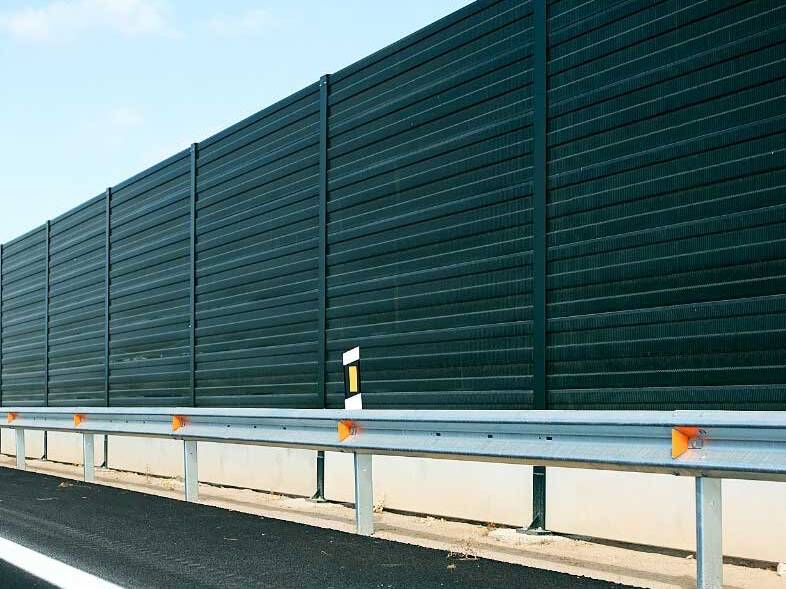
Acoustic engineering’s role in Smart Cities: Solutions for urban noise control
Acoustic engineering is playing an increasingly vital role in the design of Smart Cities, providing effective strategies to control urban noise. In…
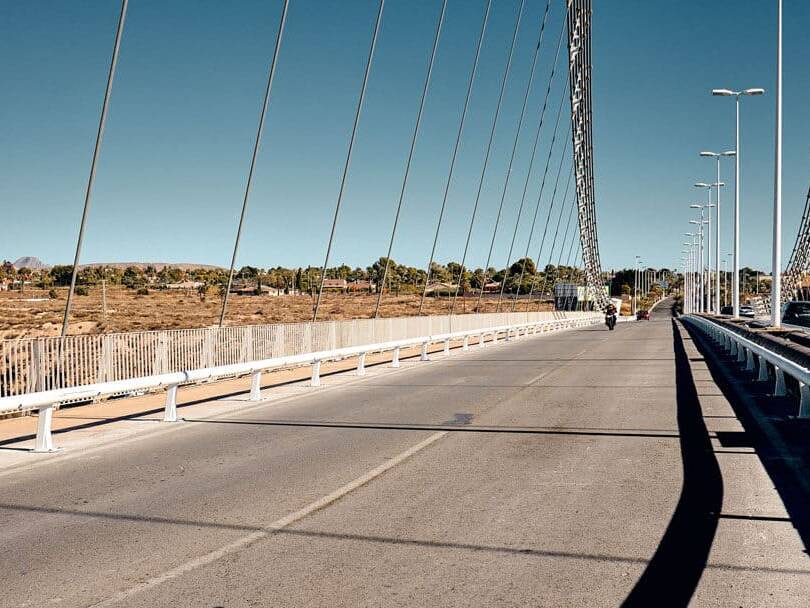
Road Safety and Accident Prevention: 21st Century Infrastructure
Road Safety and Accident Prevention: The Need for Adaptation and Road Safety For decades, our roads have been the pillars of mobility, connecting…

Accident prevention: AI as a tool for preventing road tragedies
Current problems and the need for innovative solutions The increase in traffic and the complexity of interactions on the road have led to an…
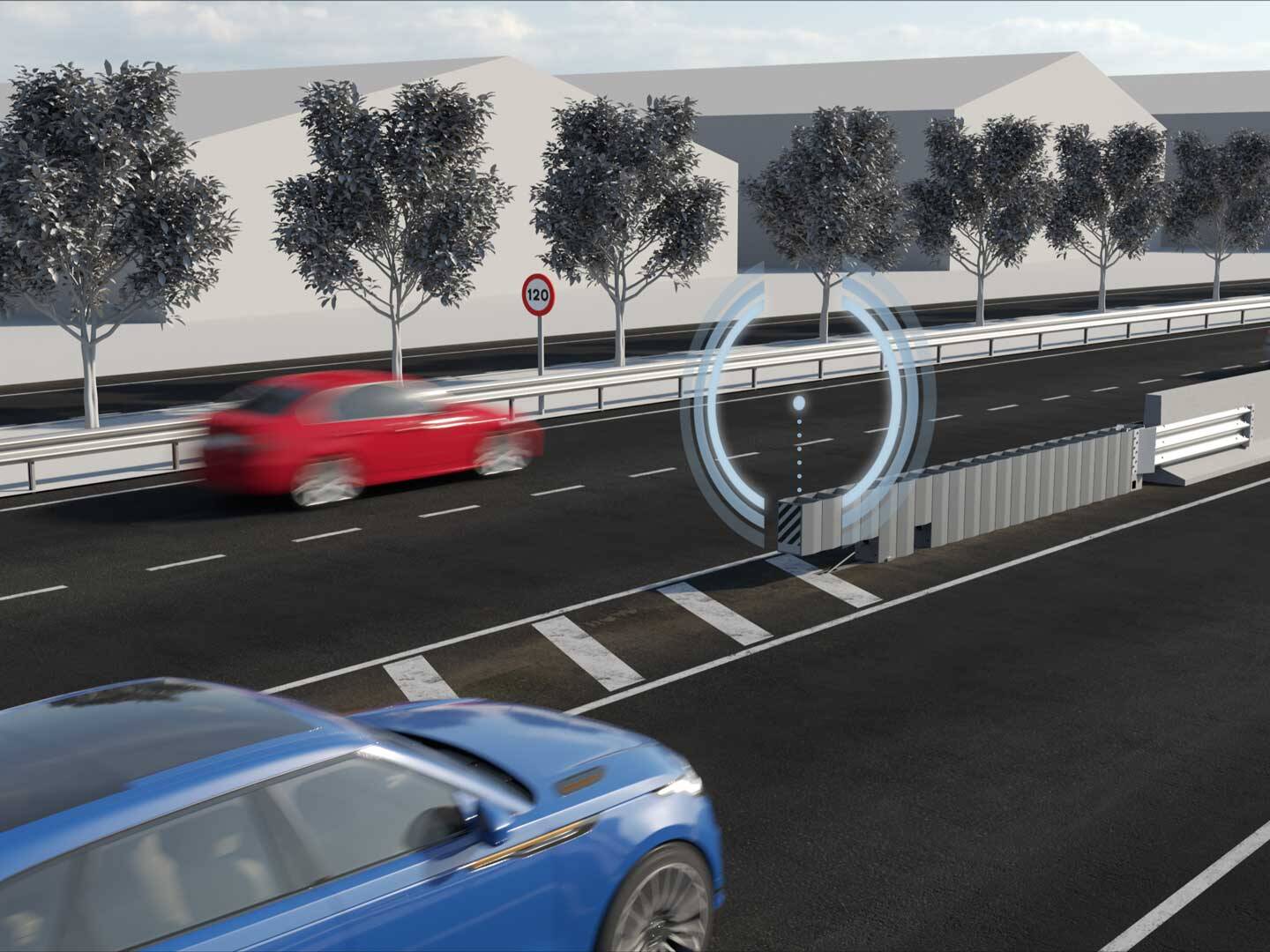
Active Road Safety, how this new concept is transforming roads
Technology is progress, and progress makes us evolve as a society. Thanks to technological advances, new forms of communication and mobility have…